How Many Watts Does a Projector Use?
ZacharyWilliamMost projectors use about 50W to 350W in real life. Small travel and mini LED projectors can be very efficient, while bright home-theater and 4K models can draw much more. For most buyers, the real question is not just “Will it turn on?” but “How long will it stay on from a battery?”

Quick Wattage Ranges by Projector Type
If you just want the fast answer, this is the simplest way to think about projector power:
| Projector type | Typical range to plan for | What that usually means | Best UDPOWER match |
|---|---|---|---|
| Ultra-portable / pico | 30–60W | Travel projectors, quick presentations, casual movie use | UDPOWER C400 |
| Portable LED / smart projector | 60–180W | Backyard movies, camping, bedroom use, built-in streaming | UDPOWER C600 |
| Business / classroom projector | 150–270W | Slides, meeting rooms, conference rooms | UDPOWER S1200 |
| 1080p home-theater projector | 220–320W | Movie night, sports, gaming | UDPOWER S1200 |
| Brighter 4K / high-output home projector | 300–400W+ | Larger screens, brighter rooms, longer sessions | UDPOWER S2400 |
The big takeaway is simple: capacity matters as much as output. A projector that only needs 220W may still be frustrating on a small battery if you want a full movie plus speakers and phone charging.
Real Projector Power Draw From Official Specs
Instead of guessing from marketing language, it helps to look at actual manufacturer specs. The table below gives you a more realistic planning baseline.
| Brand / model | Type | Power draw | What it tells you | Source |
|---|---|---|---|---|
| Optoma ML1080ST | Ultra-portable | 32W min / 57W max | Shows how efficient the smallest projectors can be | Official spec |
| ViewSonic M2e | Portable LED | 54W normal | A very realistic travel / bedroom projector baseline | Official spec |
| BenQ LW500 | Business LED | 165W typical | A good example of efficient business-class projection | Official spec |
| XGIMI HORIZON Pro | 4K smart LED | 180W average | Many modern smart projectors sit around this zone | Official page |
| BenQ HT2060 | 1080p home theater | 220W typical | This is where many serious home projectors start | Official spec |
| Epson Home Cinema 2150 | 1080p home theater | 312W normal / 237W eco | Eco mode can make a real runtime difference | Official electrical spec |
| Optoma HD146X | 1080p home theater | 295W bright / 215W eco | Classic example of why brightness mode matters | Official datasheet |
| BenQ HT3560 | 4K lamp home theater | 330W typical | Very normal for a brighter consumer 4K unit | Official spec |
| Epson Home Cinema 3800 | 4K / high brightness | 406W high / 309W eco | Once you get into brighter home cinema, battery planning changes fast | Official electrical spec |
What Your Full Projector Setup Actually Draws
A lot of articles stop at the projector itself. Real people usually do not. They add a streaming stick, a speaker, maybe a laptop, maybe string lights, and suddenly a “150W projector setup” is closer to 200W or 230W.
| Setup item | Typical planning wattage | Why it matters |
|---|---|---|
| Mini / travel projector | 40–80W | Usually the easiest battery load |
| Portable smart projector | 80–180W | Built-in speakers and streaming usually push this up |
| Home-theater projector | 220–350W | This is the zone where battery size starts to matter a lot |
| Streaming stick / media box | 5–15W | Small load, but it should still be counted |
| Bluetooth speaker / soundbar | 10–40W | Audio often gets forgotten in runtime math |
| Laptop for presentations | 45–90W | A projector + laptop setup is often much heavier than expected |
| LED string lights | 5–20W | Small individually, but easy to leave on all night |
Simple planning rule: if you are using a projector for backyard movies, presentations, or camping, add up the whole setup instead of sizing to the projector alone.
Can a Portable Power Station Run a Projector?
Yes, very often. But the decision comes down to three checks, in this order:
- Output wattage: the power station’s AC output must comfortably exceed the projector’s running watts.
- Headroom: leave breathing room for sound, streaming devices, and any brief startup spikes.
- Battery capacity: this determines whether you get one hour, a full movie, or an all-night session.
That is why a projector that “works” on paper can still be the wrong match in practice. A 300W projector might turn on from a smaller station, but that does not mean you will enjoy the runtime once audio and other accessories are included.
Runtime (hours) = Battery capacity (Wh) × usable AC efficiency ÷ total setup watts
For conservative planning, the tables below use an 85% AC-usable estimate.
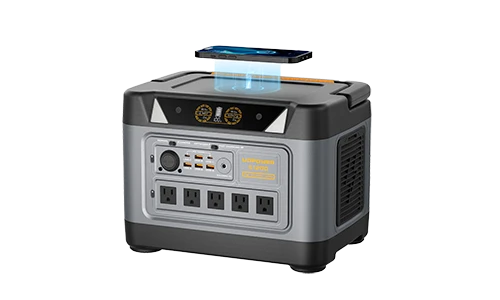
If you want a broader outlet-by-outlet breakdown, these UDPOWER pages pair naturally with this article: What Can a 1200W Portable Power Station Run?, How Many Watts Does a TV Use?, and Portable Power Station Runtime Planning for Outages.
Runtime Table on UDPOWER Power Stations
The estimates below are built for projector setups running through AC outlets, not lab-perfect DC math. That makes them more useful for real buyers.
| UDPOWER model | Official capacity / output | 70W efficient mini setup | 120W portable smart setup | 180W brighter LED setup | 280W home-theater setup | 350W bright 4K setup |
|---|---|---|---|---|---|---|
| C400 | 256Wh / 400W | ~3.1 hrs | ~1.8 hrs | ~1.2 hrs | ~0.8 hrs | ~0.6 hrs |
| C600 | 596Wh / 600W | ~7.2 hrs | ~4.2 hrs | ~2.8 hrs | ~1.8 hrs | ~1.4 hrs |
| S1200 | 1,190Wh / 1,200W | ~14.5 hrs | ~8.4 hrs | ~5.6 hrs | ~3.6 hrs | ~2.9 hrs |
| S2400 | 2,083Wh / 2,400W | ~25.3 hrs | ~14.8 hrs | ~9.8 hrs | ~6.3 hrs | ~5.1 hrs |
Best UDPOWER Picks by Projector Wattage

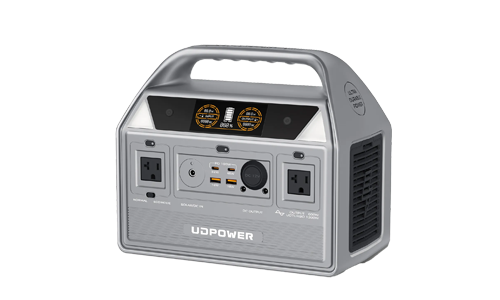
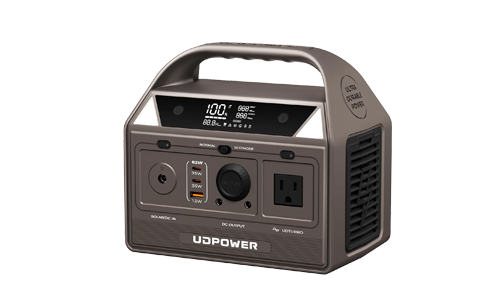
UDPOWER C400
If your projector setup is truly light and portable, this is the smallest practical entry point. It makes the most sense for mini projectors, quick presentations, very short movie sessions, or travel kits where size matters more than long runtime.
- Official specs: 256Wh capacity, 400W output, 4,000+ cycles
- Best setup zone: roughly 40–90W total
- Why it fits: enough inverter headroom for efficient projector use without dragging around a much bigger unit

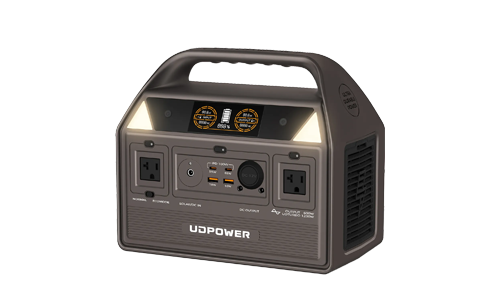
UDPOWER C600
This is the sweet spot for many portable LED and smart projector setups. It gives you much more real runtime than a very small station, but still stays easy to move for camping, tailgating, and backyard use.
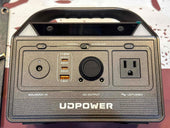
- Official specs: 596Wh capacity, 600W output, LiFePO4, 4,000+ cycles, 12.3 lbs
- Best setup zone: roughly 90–180W total
- Why it fits: better match for projector + speaker sessions that need to last beyond one short movie
UDPOWER S1200
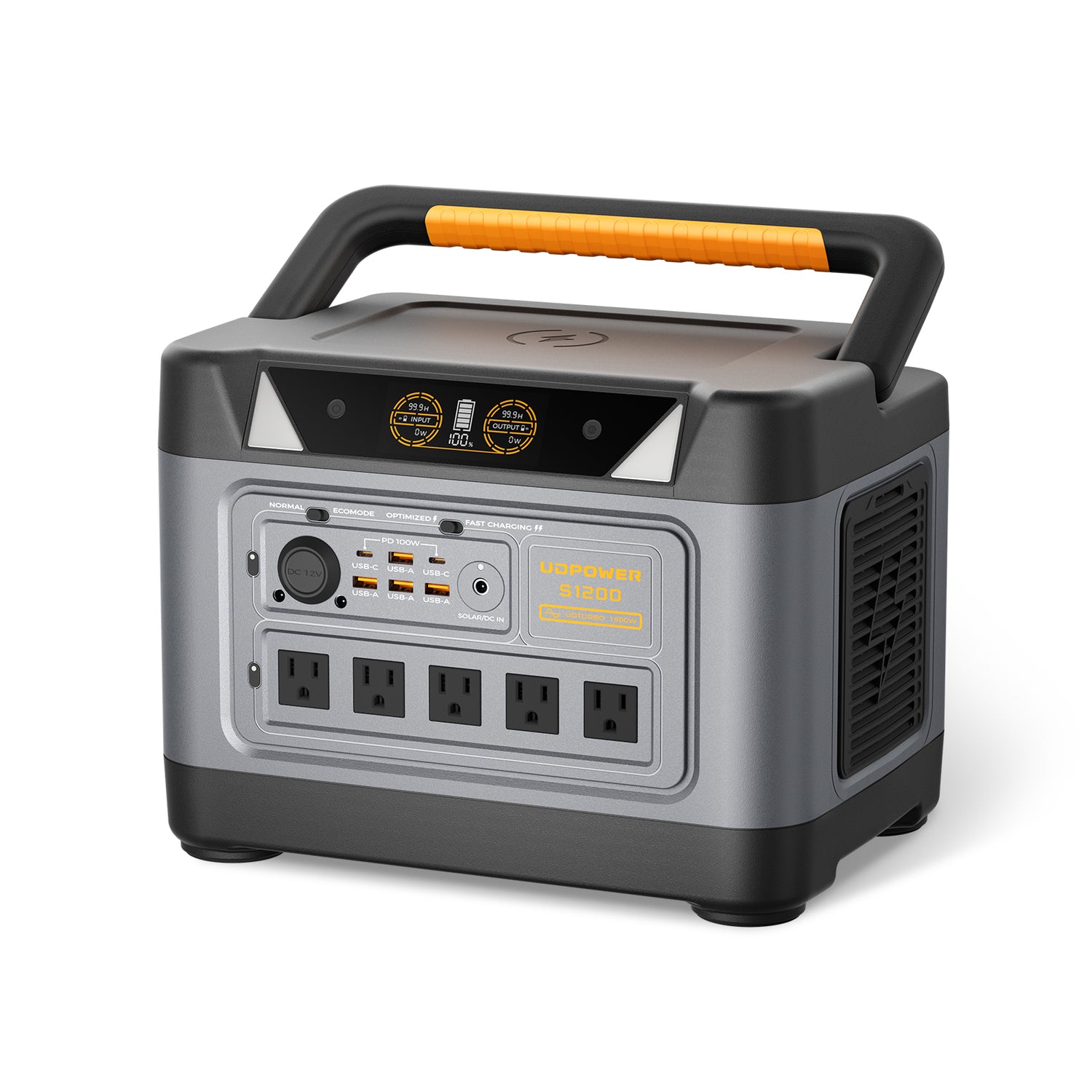
This is the most balanced recommendation for buyers using a real home-theater projector instead of a tiny travel unit. It has the output to run common 1080p home models comfortably, and enough battery to make movie night feel realistic instead of rushed.
- Official specs: 1,190Wh capacity, 1,200W output, 4,000+ cycles, about 26.0 lbs
- Extra advantages: up to 5 AC outlets, <10ms UPSPRIME backup, pure sine wave output
- Best setup zone: roughly 220–320W total
- Why it fits: the safest recommendation for projector + streaming + audio without stepping all the way up to a much larger unit
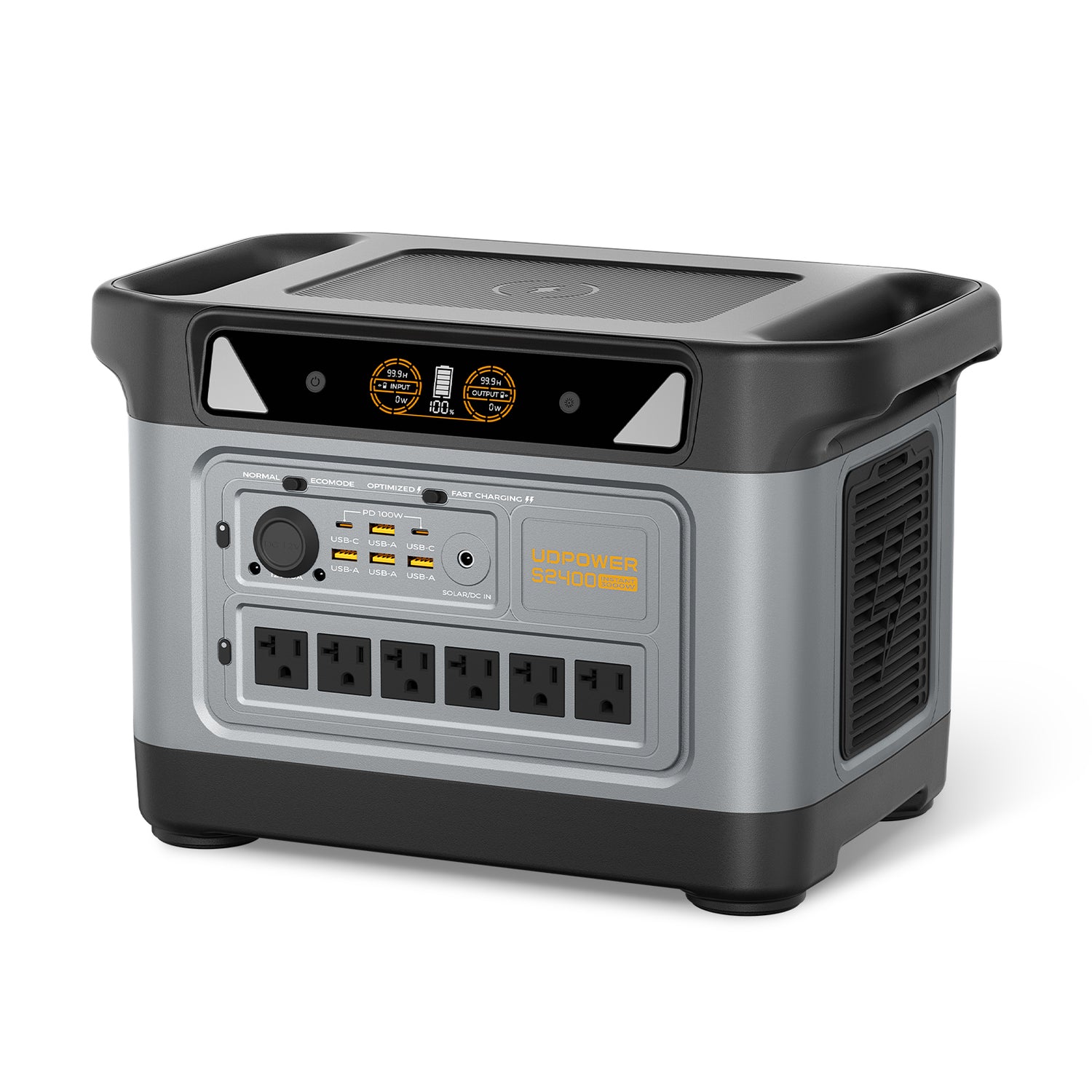
UDPOWER S2400
If your goal is not just “run the projector” but “run the whole evening,” this is the strongest fit. It is especially useful for brighter home-theater projectors, bigger audio setups, longer sessions, or projector use that overlaps with other loads.
- Official specs: 2,083Wh capacity, 2,400W output, 4,000+ cycles
- Extra advantages: 6 AC outlets, UPS-style backup ≤10ms, up to 400W solar charging
- Best setup zone: 320W+ projector systems, or buyers who simply want much more runtime margin
- Why it fits: far less compromise if you are running projector + sound + lights + device charging together
Quick buying shortcut
- Mini projector: start with C400
- Portable smart projector: C600 is usually the practical sweet spot
- Home-theater projector: S1200 is the safer mainstream pick
- Bright 4K projector or longer sessions: go straight to S2400
Common Mistakes People Make
- They size to the projector only. Then they add a speaker, streaming device, or laptop and wonder why runtime collapses.
- They ignore Eco mode. On some projectors, switching modes can change runtime by a lot.
- They focus only on watt limit. Turning on is one thing. Finishing the movie is another.
- They buy too small for a home-theater projector. A bright 250–350W projector can chew through a compact battery faster than people expect.
- They forget outlet count and convenience. A good projector setup is usually more than one plug.
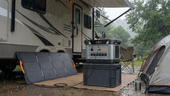
For outdoor use, this page also connects naturally with UDPOWER’s C400 campsite review and portable power setup guide for picnics, fishing, and road trips.
Bottom Line
If you only remember one thing from this article, make it this: most projectors are easy to power, but not always easy to power for long. Small travel projectors are light loads. Real home projectors are often not. That is why matching the battery size to your total setup matters so much more than just checking whether the inverter wattage looks high enough.
FAQ
How many watts does a projector use on average?
For most buyers, a useful planning average is about 50W to 350W. Small travel projectors can be much lower, while brighter home-theater and 4K models can go well above 300W.
Do LED projectors use less power than lamp projectors?
Very often, yes. Many LED and smart projectors are noticeably more efficient than traditional lamp-based home-theater models, especially at moderate brightness.
Can a 200W or 300W power station run a projector?
It depends on the projector. A small mini projector may be fine. A brighter home projector usually will not be a good match. Even when it works, runtime may still be too short to be practical.
How long can a projector run on a battery power station?
That depends on both the projector wattage and the battery size. A 60W mini projector can run for hours on a compact station, while a 300W home projector will drain a small battery much faster.
Should I count speakers and streaming devices too?
Yes. This is one of the biggest mistakes people make. A projector setup is often more than just the projector, and those extra loads can easily change the right battery size.
Is startup surge a problem for projectors?
Usually not as dramatic as with compressors or large motors, but it is still smart to leave headroom. Buying too close to the exact running wattage is rarely the best choice.
Can solar panels keep a projector running?
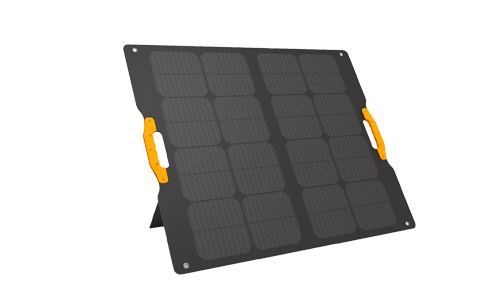
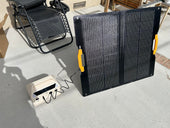
They can help a lot, especially in daylight or for topping up between sessions. But for night use, the battery is still doing the real work, so capacity remains the core decision.















![How to Live In The Woods [Complete Guide]](http://udpwr.com/cdn/shop/articles/Off-Grid_Cabin_Option_f6c94fe7-1ae7-4c3a-baf5-ed9fe684c832.png?v=1763523215&width=170)