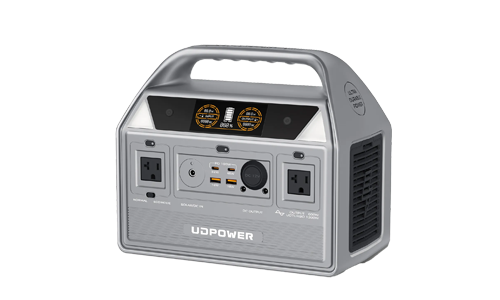
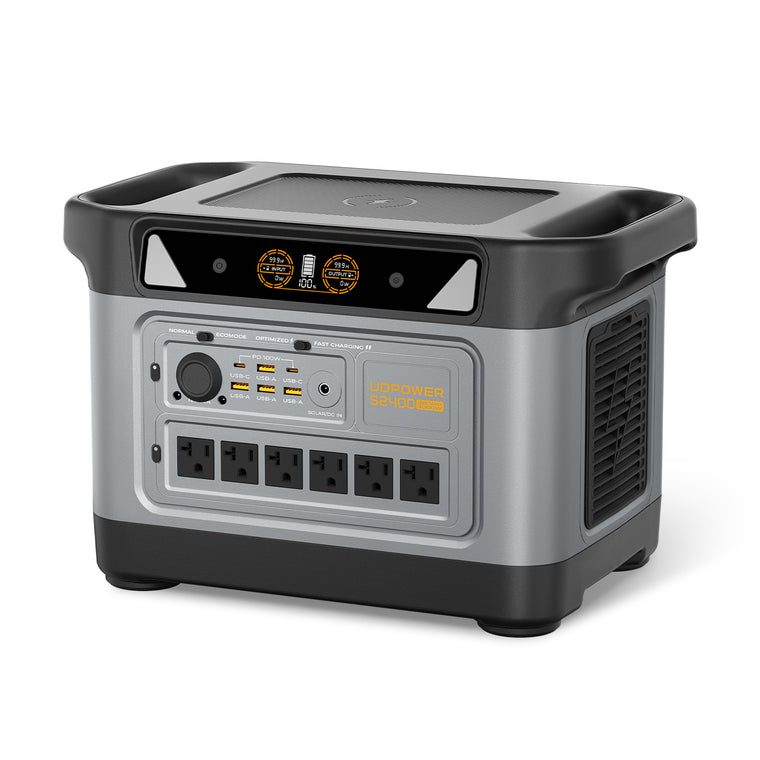
UDPOWER S2400
Specs: 2083Wh / 2400W Continuous Output.
~31 Hours CPAP Backup
Avg. 60W load at 90% efficiency
- Best for extended outages
- Longest CPAP backup runtime
- Power CPAP plus extra essentials
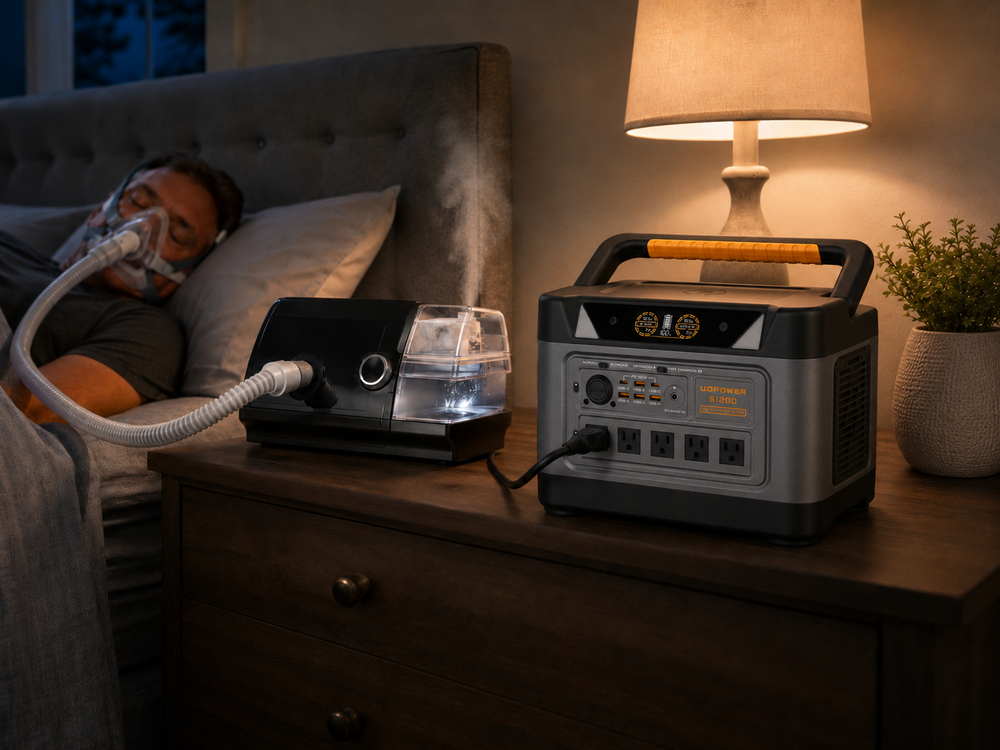
Keep your CPAP machine powered during outages, storms, RV trips, and off-grid nights with clean LiFePO4 backup power. Compatible with most CPAP machines.
Quiet, reliable, and LiFePO4 powered backup options for CPAP users at home, on the road, or during outages.
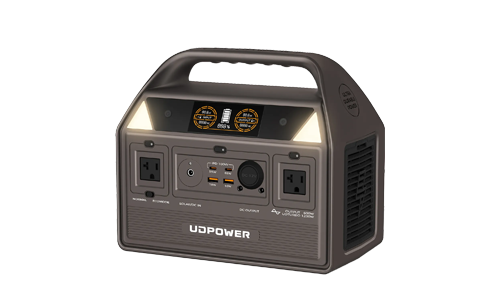
Specs: 2083Wh / 2400W Continuous Output.
~31 Hours CPAP Backup
Avg. 60W load at 90% efficiency
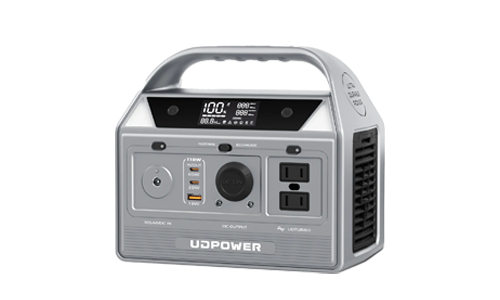
Specs: 1190Wh / 1200W Continuous Output.
~18 Hours CPAP Backup
Avg. 60W load at 90% efficiency
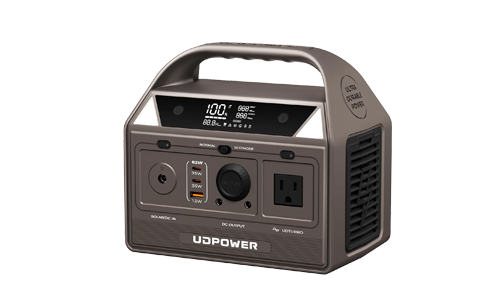
Specs: 596Wh / 600W Continuous Output.
~9 Hours CPAP Backup
Avg. 60W load at 90% efficiency
Specs: 256Wh / 400W Continuous Output.
~15 Hours CPAP Backup
Avg. 15W load at 90% efficiency
Compare recommended UDPOWER models for CPAP backup based on typical overnight loads with and without humidifier use.
Power consumption depends heavily on CPAP pressure settings, humidifier use, heated tubing, and whether you use AC or DC output.
| UDPOWER Model | Actual Capacity | No Humidifier | With Humidifier | Price | Status |
|---|---|---|---|---|---|
|
Travel
UDPOWER C400
Best for travel and humidifier-off use
|
256Wh 400W AC output | ~14 Hours Based on about 15W | Not Recommended Humidifier loads can drain this size quickly |
$239.99
$299.99
|
In stock |
|
Popular
UDPOWER C600
Best for one full night with humidifier on
|
596Wh 600W AC output | ~33 Hours Based on about 15W | ~8 Hours Based on about 60W |
$289.99
$359.00
|
In stock |
|
Multi-night
UDPOWER S1200
Best for humidifier users and longer outages
|
1190Wh 1200W AC output | ~65 Hours Based on about 15W | ~16 Hours Based on about 60W |
$399.99
$799.00
|
In stock |
|
Longest Runtime
UDPOWER S2400
Best for extended outages and multi-device backup
|
2083Wh 2400W AC output | ~118 Hours Based on about 15W | ~29 Hours Based on about 60W |
$699.99
$1,599.99
|
In stock |
Runtime estimates use about 90% usable efficiency. Actual runtime varies by CPAP brand, pressure setting, mask leak, humidifier level, heated tube setting, temperature, and battery condition. Automatic switchover or EPS availability depends on the selected model.
Estimate your CPAP backup time by selecting your CPAP load and UDPOWER model. Runtime is calculated using 90% usable efficiency.
Humidifiers and heated tubes typically add 30W to 60W or more.
Common CPAP load presets
Estimated Runtime
Select your CPAP load and model to estimate runtime.
Formula: battery Wh × 90% efficiency ÷ CPAP watts = estimated runtime.
Estimates are for reference only. Actual runtime varies by CPAP brand, pressure setting, humidifier level, heated tube setting, mask leak, temperature, and battery condition.
Ensures your machine's motor runs smoothly and stays cool, avoiding damage from low-quality power.
Use your standard AC power brick without needing expensive, proprietary DC adapters.
Fire-safe battery chemistry that lasts for years of backup use.
Keep it plugged in to your wall and CPAP for backup during a storm on select models.
CPAP humidifiers and heated hoses use resistive heating elements that can consume most of your total energy. Turning off these features can extend your battery life significantly.

Storm Security
Don't let grid failures disrupt your essential health routine.
Indoors Optimized
No fuel fumes and much quieter than gas generators. Safe for bedside use.
RV & Travel
Easily charge via 12V while driving and sleep anywhere off-grid.
Off-Grid Ready
Lightweight LiFePO4 portability for camping and remote cabins.
CPAP Backup Learning Center
Use these UDPOWER guides to understand CPAP wattage, humidifier impact, outage planning, solar recharging, and how to choose the right battery backup size.
A practical guide to CPAP runtime by battery size and wattage, including why higher CPAP loads reduce backup time.
Understand typical CPAP wattage, why humidifiers and heated tubing change power draw, and how to estimate real watt-hours.
Learn how to set up CPAP backup power during an outage, reduce humidifier draw, and plan for a full night of sleep.
A broader guide for CPAP, APAP, and BiPAP backup power, including sizing recommendations for overnight and emergency use.
Learn why consistent CPAP use matters, how the 4-hour rule works, and how backup power can help protect therapy routines.
A patient-friendly explainer on CPAP benefits, regular use, and why reliable nighttime power supports consistent therapy.
See how solar generators support essentials like CPAP machines, routers, phones, lights, and refrigerators during outages.
Compare UDPOWER portable power stations for CPAP backup, home outage protection, camping, RV use, and everyday essentials.
Explore portable power station and solar panel kits for off-grid CPAP backup, camping, RV trips, and extended outages.
Need a faster answer? Compare CPAP backup models and estimate runtime before choosing your power station.
CPAP Backup FAQs
Get clear answers about CPAP runtime, humidifier power draw, compatibility, pass-through charging, indoor safety, and choosing the right UDPOWER model.
Yes. UDPOWER portable power stations provide pure sine wave AC output, which is suitable for most CPAP machines when using the original AC power adapter. This includes many ResMed AirSense, Philips DreamStation, Fisher & Paykel, Luna, and similar CPAP, APAP, and BiPAP machines. Always confirm your machine’s wattage and plug type before use.
Runtime depends on your CPAP’s wattage, battery capacity, and whether the humidifier or heated tube is enabled. A simple estimate is: battery capacity in Wh × 90% efficiency ÷ CPAP watts = estimated hours. For example, a 596Wh model running a 60W CPAP load may provide about 9 hours, while the same model running a 15W load may provide about 36 hours.
Many CPAP machines use roughly 10W to 20W with the humidifier off. With the humidifier and heated tubing enabled, power draw can often rise to around 40W to 90W. The exact number depends on pressure settings, humidifier level, heated tube temperature, mask leak, and the specific CPAP model.
The humidifier and heated tube use heating elements, and heat requires far more energy than the CPAP blower alone. Turning off the humidifier or lowering the humidity and tube temperature can dramatically extend runtime during an outage or camping trip.
For short trips or humidifier-off use, C400 can be a compact option. For a full night with common settings, C600 is a practical balance of capacity and portability. For humidifier users or longer outages, S1200 is a stronger choice. For the longest runtime or powering CPAP plus extra essentials, S2400 is the best fit.
Many UDPOWER models support pass-through use, so you can power your CPAP while the station is being recharged. For best battery health, charge the power station fully before bedtime whenever possible and avoid running heavy loads during charging unless necessary.
Some higher-capacity models may support EPS or UPS-style pass-through behavior, but availability and transfer time depend on the exact model. For CPAP therapy, always check the product specification before relying on automatic switchover. If uninterrupted therapy is medically critical, consult your healthcare provider and use equipment designed for that requirement.
Yes, a battery-powered portable power station can be used indoors when operated according to the manual. Unlike a gas generator, it does not produce carbon monoxide or fuel fumes. Keep the unit on a stable, dry surface with proper ventilation, and do not cover the vents while it is operating.
Yes. The easiest setup is usually to plug your CPAP’s original AC adapter into one of the power station’s AC outlets. This avoids needing a special DC cable. Just make sure the power station’s AC output rating is higher than your CPAP’s power requirement.
In many cases, using a compatible DC cable can be more efficient because it avoids inverter conversion loss. However, DC cables must match your CPAP’s voltage, polarity, and connector requirements. If you are unsure, using the original AC adapter with a pure sine wave power station is usually the safer and simpler option.
Yes. Compatible solar panels can recharge many UDPOWER portable power stations during the day. Solar charging speed depends on panel wattage, direct sunlight, panel angle, weather, temperature, and the power station’s maximum solar input rating.
Yes. Portable power stations are well suited for CPAP use in tents, RVs, cabins, and off-grid travel because they are quiet, rechargeable, and do not require fuel. For multi-night trips, consider turning off the humidifier, using solar recharging, and choosing a higher-capacity model.
Large portable power stations are usually not allowed in carry-on or checked airline baggage because airline battery limits are much lower than most power station capacities. For air travel, check your airline and TSA battery rules, and use an airline-compliant CPAP travel battery instead.
Pure sine wave output is strongly recommended for CPAP machines and other sensitive electronics. Modified sine wave power may cause heat, noise, poor performance, or long-term stress on some power adapters and motors. UDPOWER stations are designed to provide clean AC power for sensitive devices.
Turn off or reduce the heated humidifier, heated tubing, ramp features, and unnecessary accessories. Make sure your mask fit is good, because excessive air leak can make the CPAP work harder. Charging phones and other devices from the same station will also reduce total CPAP runtime.
Yes, as long as the total wattage stays within the power station’s rated output and the battery capacity is large enough for the desired runtime. Common extra devices include phones, lights, routers, and small fans. For CPAP plus multiple essentials, S1200 or S2400 is usually a better choice than a smaller model.
A regular USB power bank is designed mainly for phones and small electronics. A CPAP backup solution needs enough watt-hours, stable output, and often an AC outlet or compatible DC output. A portable power station is better suited for overnight CPAP use because it provides higher capacity and pure sine wave AC power.
Store the power station in a cool, dry place away from direct sunlight, water, and extreme temperatures. For long-term storage, keep it partially charged and check the battery periodically instead of leaving it completely empty for months.
Runtime estimates are for reference only and are based on typical CPAP loads at about 90% usable efficiency. Always check your CPAP power supply label and the selected power station output rating before relying on backup power.