

How to Choose the Best Portable Power Station for the Money
Shopping by price alone is one of the fastest ways to end up with the wrong portable power station. A model can look affordable on paper, then turn out to be too small for your needs, too weak for your appliances, too slow to recharge, or too heavy to move often.
The better approach is to figure out what kind of value actually fits your daily use. For some people, that means a lighter station for weekend trips and device charging. For others, it means enough battery and enough output to keep home essentials running during outages without spending more than necessary.
In this guide, we’ll break down how to judge value the smart way, what specs matter most, and which kind of UDPOWER station makes the most sense for different buyers.

Why “best for the money” means different things to different buyers
A good-value power station is not always the cheapest one. It is the one that gives you enough battery capacity, enough AC output, enough charging flexibility, and enough portability for the way you actually plan to use it.
That is why two buyers can spend the same amount of money and walk away with very different results. One person buys a light station for camping and loves it. Another buys the same model for outage backup, then gets frustrated because it cannot handle the devices they expected it to run.
So before you compare brands, start with the real question: what do you need this power station to do on a normal day, and what do you need it to do on a bad day?

The five things that matter most before you buy
| What to Check | Why It Matters | What Happens If You Ignore It |
|---|---|---|
| Battery capacity (Wh) | Tells you how much energy the station stores and how long it can run your gear. | You buy something that powers devices for a much shorter time than expected. |
| Rated AC output (W) | Tells you whether the station can handle the appliance at all. | The station may have enough battery, but still cannot run the load. |
| Weight and portability | Portable only matters if you will actually move it comfortably. | You end up leaving it in one place because it is a hassle to carry. |
| Recharge speed | Fast AC or solar charging makes the station far more useful in daily life. | You spend too much time waiting for the battery to be ready again. |
| Battery chemistry and warranty | LiFePO4 and strong warranty coverage help long-term value feel real. | Low upfront cost can turn into poor value if durability is weak. |
This is the easiest way to think about it: capacity tells you how long, output tells you what, and portability tells you where the station will realistically fit into your life.
A simple way to compare power stations without overthinking it
If you want a practical shortcut, compare power stations in this order:
- Start with the highest-watt appliance you plan to run.
- Then estimate how many hours you want to run your essentials.
- Then check whether the unit is light enough for how often you will move it.
- Finally, look at charging speed, solar support, and warranty.
That order keeps you focused on real use instead of getting distracted by marketing language.
How to choose by real-life use case
| Use Case | What Usually Matters Most | What to Prioritize |
|---|---|---|
| Weekend camping | Easy carrying, device charging, lights, fan, portable fridge support | Lighter weight, modest runtime, simple solar pairing |
| Road trip or SUV travel | Compact size, car-friendly charging, enough battery for daily gear | Portability first, then battery size |
| Home outage backup | Longer runtime, enough AC output, reliable UPS-style support | Balanced capacity and inverter power |
| CPAP and overnight essentials | Long steady runtime and dependable recharging | Battery capacity before extra features |
| RV or van use | Charging flexibility, solar compatibility, manageable size | Solar input range, portability, output variety |
Choosing by use case usually leads to better value than choosing by category label alone. A station that feels perfect for camping can still feel underpowered for outage backup.
Which UDPOWER model fits which buyer

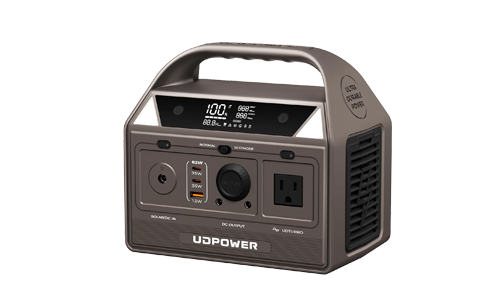
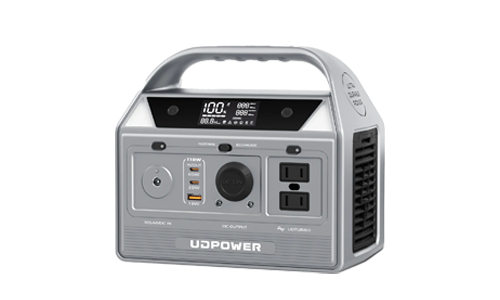
UDPOWER C600: best for lighter, more portable everyday use
- 596Wh
- 600W Rated Output
- 12.3 lb
- LiFePO4
- 5-Year Warranty
The UDPOWER C600 makes sense if you want something easier to carry, easier to store, and easier to grab for short trips or modest backup needs. It is a strong fit for phones, laptops, cameras, lights, routers, and some smaller appliances.
This is the kind of station that feels worth the money when portability is part of the value equation, not an afterthought.
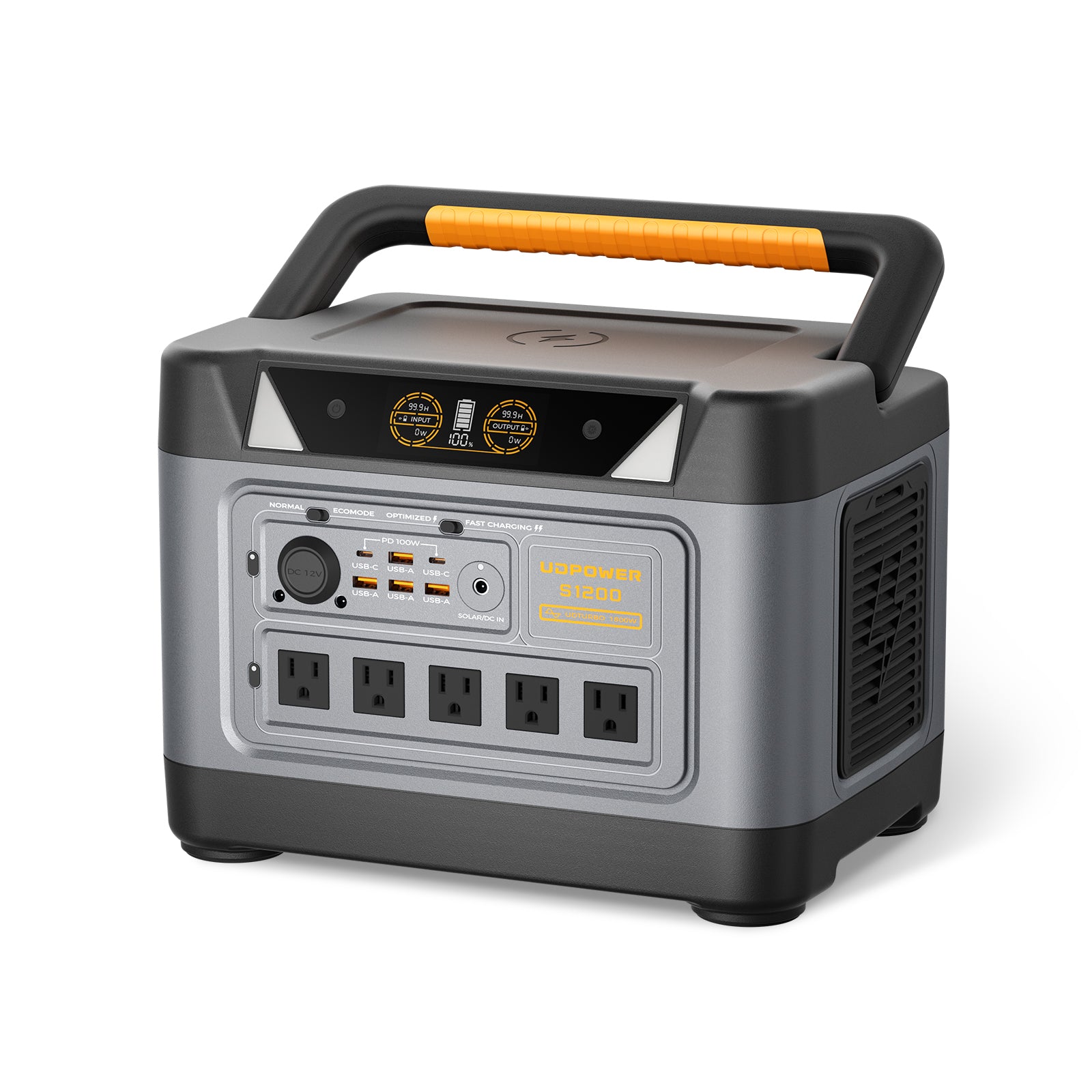
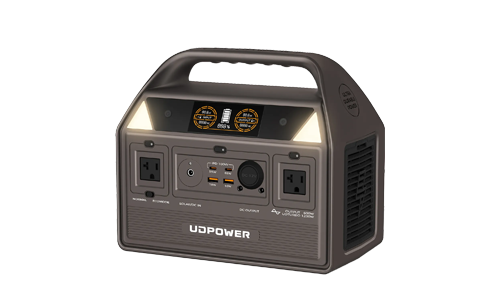
UDPOWER S1200: best for balanced value across home and outdoor use
- 1,190Wh
- 1,200W Pure Sine Wave
- 26.0 lb
- Up to 400W Solar Input
- <10ms UPS
- 5-Year Warranty
The UDPOWER S1200 is often the sweet spot for buyers who want one station to cover multiple jobs well. It is large enough to be useful for outages, remote work, CPAP backup, and outdoor use, but still manageable enough to move without much trouble.
If you want a model that balances battery size, inverter size, solar headroom, and carry weight without jumping too far up in size or budget, this is usually the most practical choice in the lineup.
For a closer look at the larger-size decision, see UDPOWER S1200 vs. S2400.
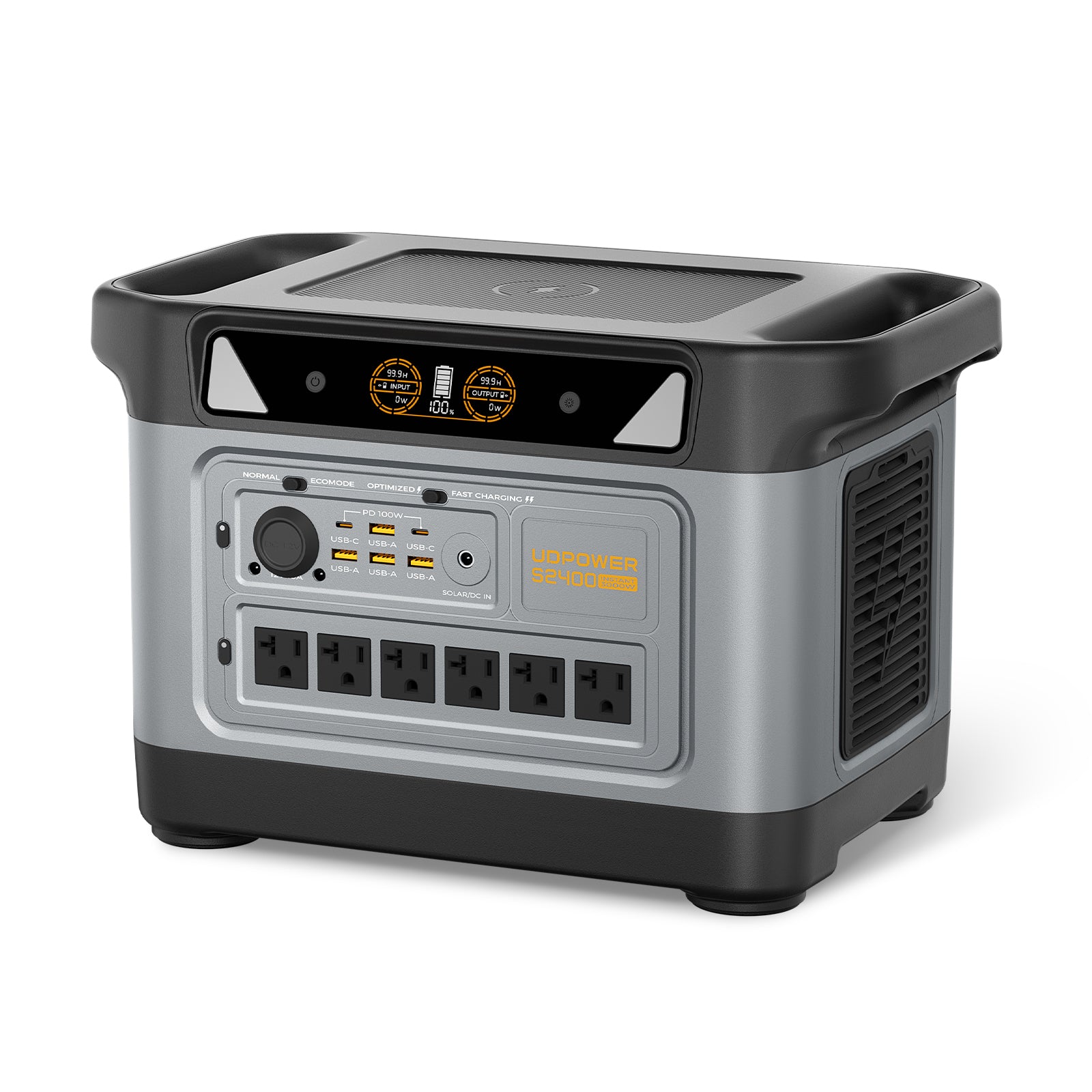
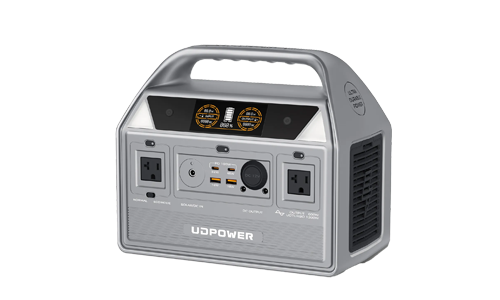
UDPOWER S2400: best for buyers who need more output and fewer compromises
- 2,083Wh
- 2,400W Rated Output
- 3,000W Surge
- 40.8 lb
- UPS Mode
- 5-Year Warranty
The UDPOWER S2400 is the better choice when you already know your loads are larger, your backup window is longer, or you want less appliance juggling during an outage.
It costs more, but it can be the better money move when buying too small would only push you into upgrading later.
Quick runtime guide
A simple way to estimate runtime for AC devices is to use this planning shortcut: battery Wh × 0.85 ÷ appliance watts. It is not meant to replace a full calculator, but it gives most buyers a practical ballpark quickly.
| Load | UDPOWER C600 | UDPOWER S1200 | UDPOWER S2400 |
|---|---|---|---|
| Router + modem (20W) | ~25.3 hrs | ~50.6 hrs | ~88.5 hrs |
| CPAP (40W) | ~12.7 hrs | ~25.3 hrs | ~44.3 hrs |
| Laptop + accessories (100W) | ~5.1 hrs | ~10.1 hrs | ~17.7 hrs |
| Portable fridge average draw (60W) | ~8.4 hrs | ~16.9 hrs | ~29.5 hrs |
| Mini fridge average draw (80W) | ~6.3 hrs | ~12.6 hrs | ~22.1 hrs |
For more detailed planning, you can pair this article with UDPOWER’s runtime estimator and the related guide on runtime planning for outages.
How solar affects overall value

Solar does not always save money upfront, but it can improve long-term value
If you mostly charge from the wall at home, solar may not be the first thing to prioritize. But if you camp often, travel in an RV, or want more flexibility during extended outages, solar support becomes part of what makes a power station worth buying.
The UDPOWER 120W Portable Solar Panel is a practical match for buyers who want a foldable, easier-to-carry panel for everyday portability. If you want to compare different panel sizes and pairing logic, this guide helps: 120W vs 210W vs 2×120W.
Common buying mistakes
- Buying only by sale price. A lower price is not better value if the station is too small for your real needs.
- Ignoring the highest-watt device you plan to run. Output limits matter just as much as battery size.
- Choosing a heavy station for a highly mobile lifestyle. A harder-to-carry model can quietly reduce how often you use it.
- Assuming runtime from battery size alone. Real runtime depends on the device load and conversion losses too.
- Skipping solar compatibility checks. Panel pairing only feels convenient when voltage, connector type, and charging range all match.
FAQ
How do I choose the best portable power station for the money?
Start with what you actually want to run, how long you want to run it, and how often you need to move the station. Then compare battery capacity, rated output, recharge speed, weight, and warranty.
Is a bigger battery always a better value?
Not always. A bigger battery is only better value if you truly need the longer runtime. For lighter travel use, a smaller and easier-to-carry station may be the smarter buy.
What matters more, watt-hours or watts?
They matter in different ways. Watt-hours affect runtime. Watts affect whether the station can handle the device at all. Good value usually means getting enough of both.
What size power station is good for home backup?
For many buyers, a mid-size station like the UDPOWER S1200 is a practical starting point for routers, laptops, lights, CPAP use, and some small appliances. Larger needs usually point toward a higher-capacity model.
When is a small power station the better value?
A smaller station is often the better value when your focus is portability, weekend use, short trips, or device charging rather than running heavier home appliances for long periods.
Does solar charging matter when choosing value?
Yes, especially for off-grid use, RV travel, and longer outages. A station with better solar compatibility can deliver more flexibility over time.
Is LiFePO4 worth paying attention to?
Yes. Many buyers prefer LiFePO4 because it is known for strong thermal stability and long cycle life, which helps make the purchase feel more worthwhile over time.
How can I estimate runtime quickly?
A helpful shortcut is battery Wh × 0.85 ÷ device watts for AC loads. It is a planning estimate, not a promise, but it works well for quick comparisons.
Final takeaway
The best portable power station for the money is not always the one with the lowest price tag. It is the one that matches your real power needs, your runtime expectations, your charging habits, and your lifestyle without making you pay for capacity or output you will never use.
If you want a lighter everyday option, start with the UDPOWER C600. If you want the most balanced all-around choice, look closely at the UDPOWER S1200. If you know your needs are larger from the start, the UDPOWER S2400 may be the better long-term money move.
Source links used for product information
Related Articles


