Skip to content

Portable Power Station vs Generator for Power Outages (Safety, Noise, Cost, Use Cases)

ZacharyWilliam9 min read

Not sure whether you need a generator or a portable power station for the next outage? This guide compares the real-life tradeoffs—indoor safety, noise, refueling vs recharging, and what each option runs best—then gives an easy checklist to choose the right setup for 24–72 hours.

Power Outage Prep · Generator alternative decisions (real-life)

If you’re shopping during an outage (or right after one), the fastest mistake is buying for “peak power” instead of buying for how you’ll actually live for 24–72 hours. This guide breaks down what each tool is good at, what each tool is bad at, and how to choose without guesswork.

Back to the main guide: Power Outage Checklist (24/48/72 Hours)

What to run first Watts → Wh runtime basics

Portable power station indoors and a generator running outdoors during a power outage, showing safe backup power choices

30-second snapshot: which one fits your outage?

Pick a portable power station if…

  • You want something you can safely use indoors (no exhaust fumes).
  • Your priority is essentials: fridge time, Wi-Fi, lights, phones, laptops, small medical devices.
  • You want quiet backup that works overnight.
  • You’re okay managing energy like a budget (Wh), not “everything at once.”

Pick a generator if…

  • You must run high-draw loads for long stretches (some well pumps, larger tools, multiple big appliances).
  • You’re prepared to store fuel safely and run the unit outdoors in a safe location.
  • You need longer continuous output and can refuel.
  • You have (or will install) a proper transfer switch/interlock for home circuits.
Most realistic answer:

For many households, a portable power station covers “inside essentials” better, while a generator is a “big loads” tool. If you only buy one, buy the one that matches the most likely outage you experience.

If you’re building an essentials-first plan, start here: Power Priorities: What to Run First.

Side-by-side comparison (the stuff that matters)

Category Portable Power Station Generator What it means in real life
Indoor safety Designed for indoor use (no exhaust) Must be used outdoors If you need power inside at night, a power station is the “easy button.”
Fumes & CO risk No combustion exhaust Carbon monoxide risk if used incorrectly Generator placement and CO alarms matter. One mistake can be fatal.
Noise Typically quiet (fan + electronics) Can be loud (engine) Noise affects sleep, neighbors, and how often you actually use it.
Refuel / recharge Recharge from wall, car, or solar Runs as long as you have fuel Fuel logistics vs solar logistics: both have planning tradeoffs.
Maintenance Minimal routine maintenance Engine maintenance + fuel storage Generators are “machines.” They need care to be dependable.
Best at Essentials, electronics, indoor comfort Long-run high output, big loads Match the tool to your most important outcomes.
Learning curve Moderate (learn watts/Wh) Higher (safety + fuel + wiring) “Easy to use” often beats “most powerful” in real outages.

Mobile tip: swipe the table sideways.

If your main goal is protecting electronics during brief outages (computer/router), compare: Portable Power Station vs UPS for Home Backup.

Best use cases (what each is built for)

Portable power station: the “inside essentials” tool

  • Keep food safe: run the fridge in cycles instead of nonstop.
  • Keep communication up: Wi-Fi, phones, laptops.
  • Medical comfort: CPAP planning, small devices.
  • Low-stress nighttime: quiet power when you’re trying to sleep.

Pair with: Food Safety During a Power Outage · Keep Wi-Fi Running · CPAP Battery Backup

Generator: the “big loads” tool

  • Higher continuous output: multiple appliances or bigger draws.
  • Long outages: you can run longer if you can refuel.
  • Some home circuits: with a proper transfer switch/interlock.
  • Outdoor work: tools, pumps, heavier-duty needs.

If you’re aiming for “whole-home feel,” start by prioritizing loads: What to Run First.

A good mindset shift:

In most outages, you don’t need “everything powered.” You need food safety, communication, basic medical comfort, and light. Buy for those outcomes first.

Common household loads: what runs better on which

The fastest way to decide is to list your “must-run” items and mark whether they need high watts (power) or long time (energy).

Load (typical outage need) Portable power station Generator Planning note
Wi-Fi router + modem Excellent Works, but often overkill Small constant draw; plan to avoid auto shut-off on ultra-low loads.
Phones + laptops Excellent Works Stable power is the goal—low stress wins.
Refrigerator Great (run in cycles) Great (continuous) Food safety depends on time and door discipline, not just power.
CPAP Great Works, but noise + placement can be annoying Humidifier decisions change runtime dramatically.
Microwave / coffee maker Sometimes (depends on watts + surge) Great Short bursts are easier than long continuous draws.
Space heater Usually not ideal Possible, but watch fuel + safety Electric heaters are huge loads. Consider layered clothing + safe heating strategies.
Well pump / sump pump Sometimes (model dependent) Often better Motor start surge is the real limiter. Verify specs before relying on it.

Mobile tip: swipe the table sideways.

Want to stop guessing? Use these two pages together: Watts → Wh (runtime basics) and Power Outage Priorities.

Generator safety: the non-negotiables

If you choose a generator, treat safety as part of the purchase. The best generator in the world is a bad choice if it’s used wrong.

CO safety in one line:

Run generators outdoors and away from doors, windows, and vents—never in a garage, even with the door open.

Placement & CO alarms

  • Keep the generator outside and well away from openings (doors/windows/vents).
  • Use CO alarms inside the home (battery-powered or battery backup).
  • Don’t run grills/camp stoves indoors for “heat.”

Read: CDC: Avoiding CO poisoning · Ready.gov: Power outage safety

Electrical safety (backfeed is dangerous)

  • Never “backfeed” by plugging the generator into a wall outlet.
  • Use heavy-duty outdoor-rated extension cords, or a proper transfer switch/interlock installed by a licensed electrician.
  • Keep the generator dry; don’t operate in wet conditions without proper protection.

Read: OPEI: Generator safety tips · SCE: Generator safety + backfeed warning

Bottom line: if the generator is your plan, bake the safety routine into your checklist—don’t rely on memory in the dark.

Cost & ownership: what people forget to budget

Upfront price is only part of the story. The “real cost” is what it takes to keep the solution dependable when you need it.

Cost category Portable power station Generator Quick reality check
Energy source Grid, car, or solar Gas/propane (varies) Fuel availability can become a problem after major storms.
Ongoing costs Low (mostly charging) Fuel + maintenance Stale fuel and neglected maintenance are the silent “won’t start” killers.
Optional upgrades Solar panels for recharging Transfer switch/interlock Both upgrades are worth it when you rely on the system.
Storage Store charged indoors Fuel storage + safe location Fuel storage has safety and code considerations.

A simple “fuel math” template (no guessing)

If you’re comparing ongoing cost, use a template instead of internet averages:

  • Fuel cost per hour = (your generator’s gallons/hour at your load) × (local $/gallon)
  • Fuel needed for 24 hours = fuel/hour × planned run-hours per day
  • Run-hours per day is usually less than you think if you do “power priorities” correctly

If you don’t know your load plan yet, start here: What to Run First.

The “best of both” setup (when it’s worth it)

If you live in an area with frequent multi-day outages, a hybrid setup is often the lowest-stress option:

Hybrid approach:
  • Portable power station handles indoor essentials and overnight power.
  • Generator runs bigger loads in short windows (and can recharge the power station if needed).
  • Solar extends the plan when fuel is inconvenient—or when you want a quiet daytime top-up.

If you add solar, read this before you plug anything in: Solar Charging During an Outage: Input Voltage Safety.

Where UDPOWER fits (light, practical)

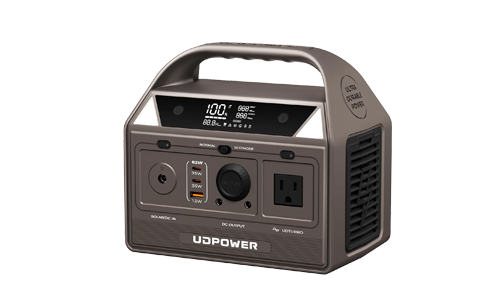
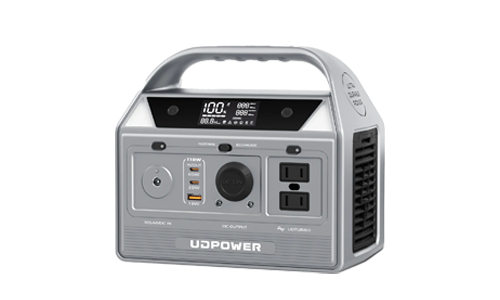
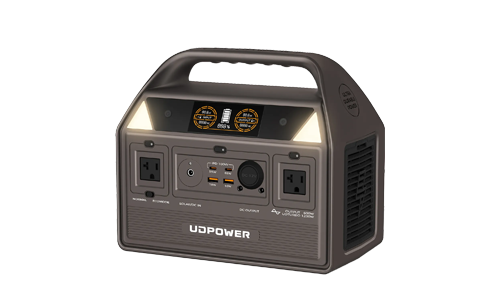
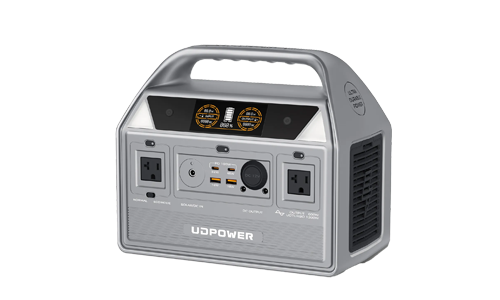
UDPOWER is designed around the “inside essentials” part of outage life: quiet backup power for the things you actually miss first— refrigerator time, Wi-Fi, lighting, phones, laptops, and many small appliances.

A simple starting point

  • S1200: a practical essentials unit for many homes.
  • S2400: step up when you need higher output and longer multi-device runtime.

Official product pages: UDPOWER S1200 · UDPOWER S2400

If you’re solar-curious

  • Solar can extend outages without fuel runs.
  • Input voltage limits matter—especially if you mix brands or wire panels in series.

Browse: Portable Power Stations · Solar Panels

Not sure what size you need? Use the runtime + Wh basics first: Battery Runtime Basics.

Printable decision checklist

Tip: click “Print the decision checklist” at the top to print this section.

What I actually need to power

If I choose a generator

If I choose a portable power station

Helpful links: power priorities · runtime basics · solar voltage safety

Read next

Stay in the cluster (this is where bounce rate goes to die):

Sources & further reading

External links open in a new tab and are marked nofollow.

Zachary is a hands-on reviewer and eCommerce operator focused on portable power stations, solar charging, and real-world backup power use cases. He tests equipment in practical scenarios—RV trips, home emergency readiness, and off-grid charging—then translates specs (Wh, W, surge wattage, input limits, and efficiency losses) into clear buying guidance and runtime expectations. His goal is to help readers choose the right power setup, avoid common wiring/charging mistakes, and get dependable performance when it matters most.

Leave a comment

My Cart(0 items)

Our Best Sellers
  • Save 19% OFF
    UDPOWER C400 Portable Power Station
    256Wh 400W 6.88 lbs
    $169.99 $209.99
  • Save 19% OFF
    UDPOWER C600 Portable Power Station
    596 Wh 600W 12.3 lbs
    $289.99 $359.00
  • Save 19% OFF
    UDPOWER C600 Portable Power Station - Brown
    596 Wh 600W 12.3 lbs
    $289.99 $359.00