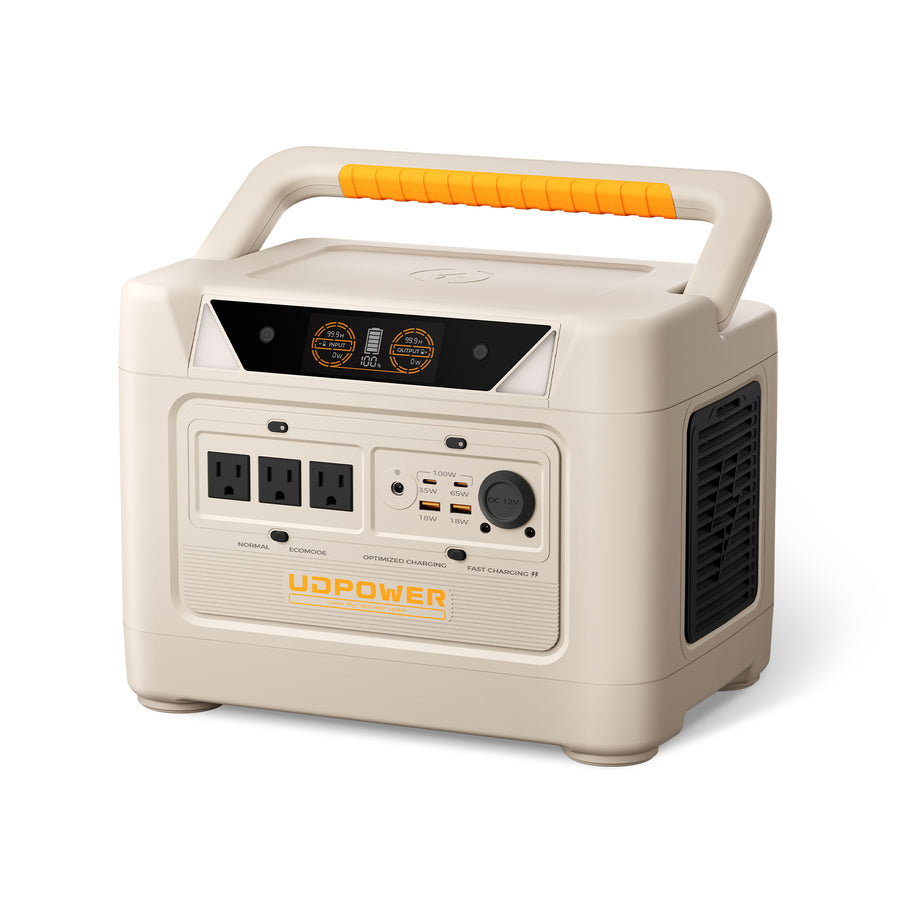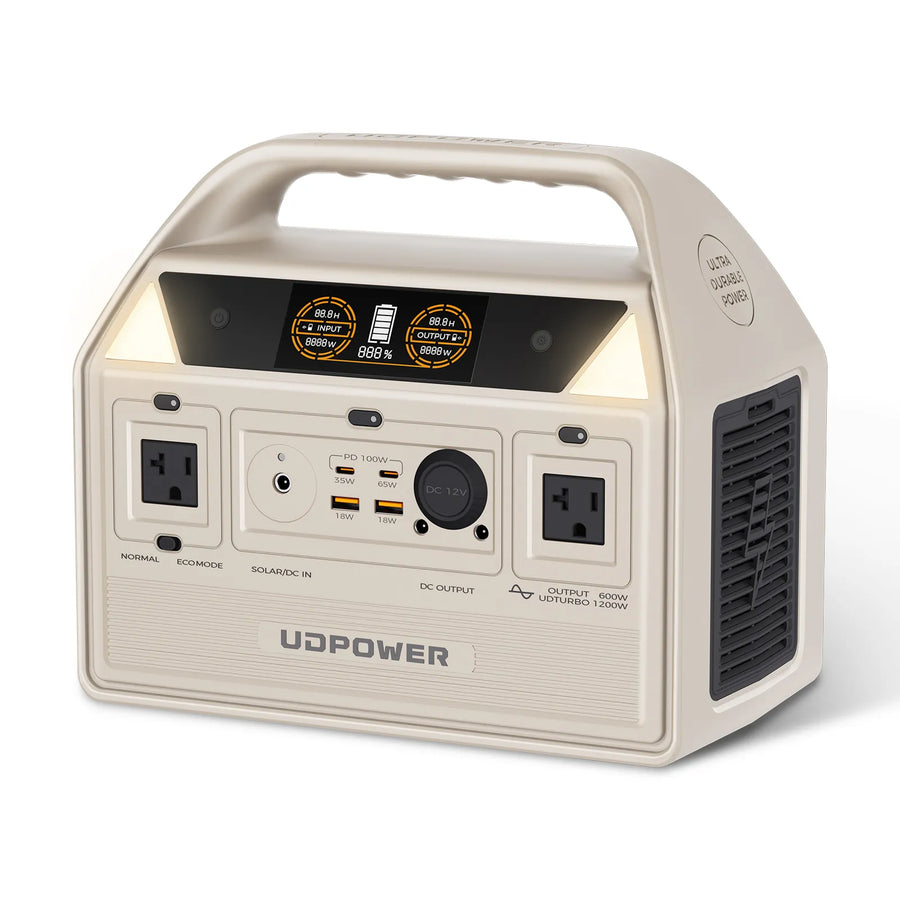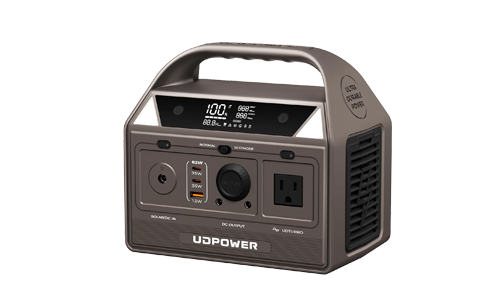
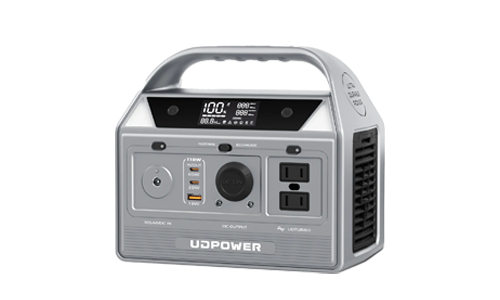
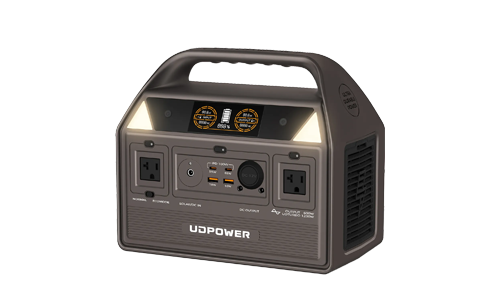
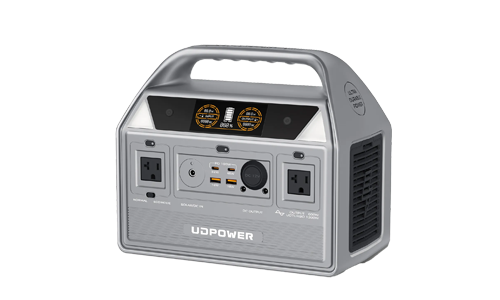
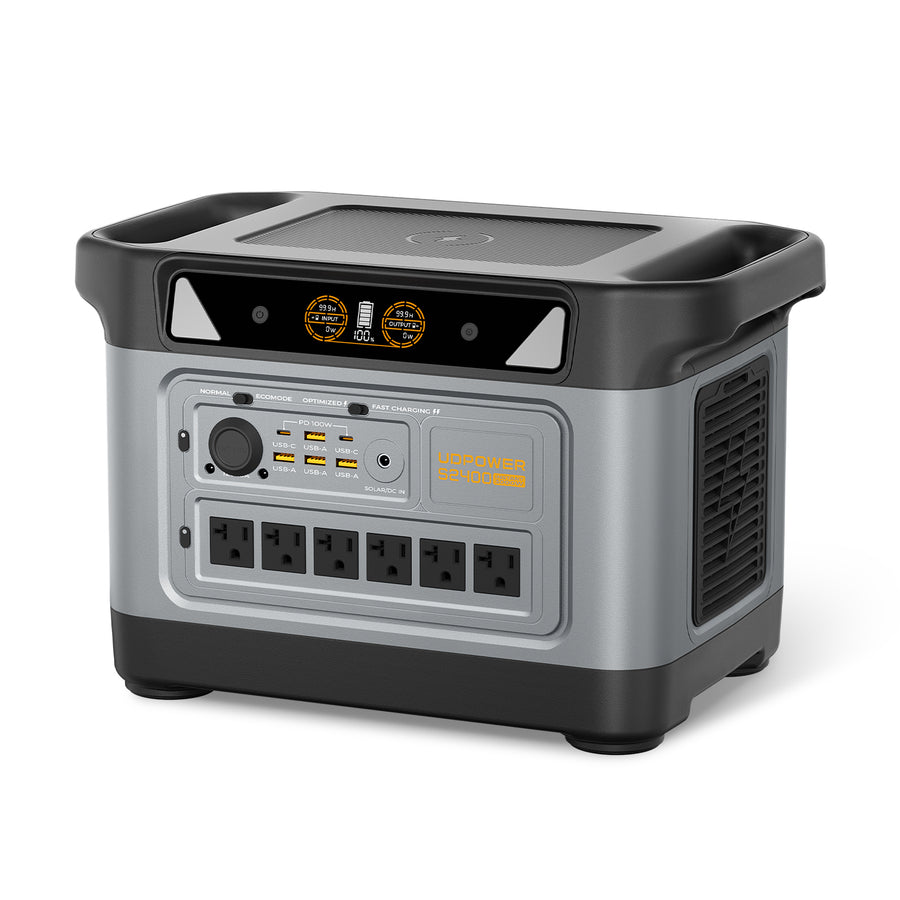
A portable power station is basically a big rechargeable battery with a built-in power management system that lets you safely plug in normal devices (AC, DC, USB) wherever you are.
Here’s how it works in simple terms:
1. It stores energy in a built-in battery
Inside the unit there is a lithium battery pack (often Li-ion or LiFePO₄).
This battery stores energy as DC (direct current), similar to a power bank—just on a much bigger scale.
2. It takes power in from different sources (charging)
Portable power stations have input ports so you can recharge that internal battery:
- Wall outlet (AC charging)
The unit uses an internal or external charger to convert AC from your home into DC and store it in the battery. - Solar panels (solar charging)
Solar panels produce DC electricity. The power station’s solar/MPPT charge controller optimizes that incoming solar power and safely charges the battery. - Car socket / DC input
You can usually charge from a 12V car outlet, again using internal electronics to step voltage up or down as needed.
All of this is controlled so the battery charges at a safe voltage and current.
3. It turns stored DC into usable power for your devices
Once energy is stored, the power station acts like a small “power hub” with different output ports:
- AC outlets (like at home)
Inside, an inverter converts the battery’s DC into 110/120V (or 220/230V) AC, usually with a pure sine wave output so that laptops, TVs, and appliances run safely.
- DC ports (car socket / DC5521 etc.)
These deliver DC power directly, often at 12V, for things like car fridges or some camping gear.
- USB / USB-C ports
Step the battery voltage down to 5V / 9V / 12V, etc., for phones, tablets, and laptops (often with fast-charging protocols).
The unit’s display typically shows remaining battery %, input watts, and output watts, so you can see how fast you’re using or gaining power.
4. The “brain”: BMS and protection circuits
To keep everything safe and efficient, a portable power station has a Battery Management System (BMS) and control electronics that:
- Prevent overcharge and over-discharge
- Protect from short circuits, overcurrent, and overheating
- Balance the cells inside the battery pack
- Sometimes manage fan speed and temperature
This is why you can plug devices in like a mini wall outlet without thinking about raw battery voltages.
5. In everyday use
In real life, the workflow is:
- Charge the power station (at home, in your car, or via solar).
- Take it where you need power (camping, RV, outage, backyard).
- Plug in your devices to AC, DC, or USB ports.
- The power station converts and delivers the right kind of electricity automatically until the battery runs low.
- Recharge and repeat.
So, in short:
👉 A portable power station charges like a battery, behaves like a small, silent generator, and outputs power in the same formats you’re used to at home, all controlled by built-in electronics to keep your devices and the battery safe.