

Camp in Joshua Tree National Park: What First-Time Campers Need to Know Before You Book
Yes, camping in Joshua Tree National Park is absolutely worth it—but only if you plan for the desert instead of treating it like a normal weekend campground. That means booking the right site, knowing which campgrounds actually have water or flush toilets, understanding how quickly first-come sites fill, and packing a power setup that matches cold nights, dark skies, and limited services.
For most first-time campers, the easiest choices are Black Rock or Cottonwood if you want more amenities, Jumbo Rocks if you want that classic boulder-filled Joshua Tree feel, and Hidden Valley if you can arrive early enough to gamble on first-come, first-served.

Quick answer: where should you camp?

If you want the easiest first trip
Black Rock is a smart choice. It has water, flush toilets, and a dump station, so it feels less raw than the no-water campgrounds inside the park core.
If you want the classic Joshua Tree look
Jumbo Rocks is the one most people picture: huge rock piles, desert views, and a big campground footprint. It is still dry camping, so comfort depends on what you bring.
If dark skies matter most
Cottonwood gets the edge. The park’s stargazing page specifically notes that Cottonwood has the darkest skies in the campground system.
If you’re climbing or want a rock-heavy setting
Indian Cove is a strong pick. Recreation.gov highlights climbing access, nearby trails, and clear skies that work well for stargazing and night photography.
Best time to camp in Joshua Tree
The sweet spot is fall through spring. NPS says spring and fall are the most comfortable, with average highs around 85°F and lows around 50°F. Winter days are pleasant, but nights can drop to freezing. Summer is a different animal entirely, with daytime highs often over 100°F and warm nights that don’t cool down much. That changes everything from sleep quality to hiking windows to battery efficiency.

| Season | What it feels like | Best for | Main catch | My take | Source |
|---|---|---|---|---|---|
| Fall | Comfortable days, cool nights | General camping, hiking, stargazing | Popular weekends book fast | One of the safest all-around picks | NPS hours & seasons |
| Winter | Nice daytime temps, freezing nights possible | Campfires, star viewing, shorter hikes | Cold after sunset | Great if your sleep system is actually warm enough | NPS conditions |
| Spring | Excellent weather most years | First-timers, photography, longer days | Crowded; first-come sites fill fast | Best overall season, hardest to book | NPS campgrounds |
| Summer | Very hot days, warm nights | Sunrise/sunset sightseeing, short stays | Heat risk; some closures; seasonal fire restrictions | Only go if you understand desert heat and plan around it | NPS summer safety |
Joshua Tree campground comparison table
This is the stuff most people actually need when choosing a site: reservation status, water, toilets, price, and what kind of trip each campground fits.

| Campground | Sites | Nightly fee | Reservation or first-come? | Water / toilets | Best fit | Source |
|---|---|---|---|---|---|---|
| Black Rock | 99 | $35 | Reservation required | Water, flush toilets, dump station | First-timers, RV campers, anyone who wants more support | NPS campgrounds |
| Cottonwood | 62 | $35 | Reservation required | Water, flush toilets, dump station | Comfort campers and dark-sky campers | NPS campgrounds · NPS stargazing |
| Indian Cove | 101 | $35 | Reservation required | Pit toilets, no water | Climbers, photographers, people who like rock formations | NPS campgrounds · Recreation.gov Indian Cove |
| Jumbo Rocks | 124 | $30 | Reservation required | Pit toilets, no water | Classic Joshua Tree scenery, bigger campground choice set | NPS campgrounds · Recreation.gov Jumbo Rocks |
| Ryan | 31 | $30 | Reservation required | Pit toilets, no water | Smaller, quieter-feeling trips | NPS campgrounds |
| Belle | 18 | $25 | First-come, first-served | Pit toilets, no water | Primitive campers who can arrive early | NPS campgrounds |
| Hidden Valley | 44 | $25 | First-come, first-served | Pit toilets, no water | People chasing the most iconic in-park camping feel | NPS campgrounds |
| White Tank | 15 | $25 | First-come, first-served | Pit toilets, no water | Small, simpler stays with lower site count | NPS campgrounds |
How to pick the right campground for your trip style

Pick Black Rock if comfort matters more than bragging rights
A lot of first-time campers say they want “the authentic desert experience,” then realize they also want water, easier bathrooms, and less logistical friction. Black Rock is a great compromise. You still get the park, but the basics feel more manageable.
Pick Cottonwood if you want a calmer base and better stargazing odds
If night sky viewing is one of the main reasons for your trip, Cottonwood deserves a serious look. NPS calls out Cottonwood as the darkest-sky campground, which matters if your whole plan is dinner, campfire, then a long stretch under the Milky Way.
Pick Jumbo Rocks if you want the postcard version of Joshua Tree
Jumbo Rocks is big, memorable, and visually dramatic. The tradeoff is that it is still a dry campground, so you need to arrive prepared. If your idea of a successful trip includes sunset photos around boulders and a campsite that feels unmistakably like Joshua Tree, this is the obvious place to start checking availability.
Pick Indian Cove if climbing or rock access is part of the trip
Recreation.gov specifically highlights Indian Cove for climbing, nearby trails, clear skies, and night photography. If your trip is less about campground comfort and more about rock access and atmosphere, Indian Cove makes sense.
Pick Hidden Valley, Belle, or White Tank only if your arrival timing is flexible
These first-come campgrounds are attractive because they’re cheaper and feel more spontaneous. The downside: NPS says they are highly competitive on weekends, holidays, and in spring, and are typically full by Friday afternoon on weekends.
Reservations, entrance fees, and timing
Joshua Tree rewards people who book early and punishes people who “just see what happens.” NPS says most reservation sites can be booked on Recreation.gov the same day or up to six months in advance, and it also warns that cell service is very limited in the park. In plain English: book before you drive through the gate.

| Item | Current cost / rule | Why it matters | Source |
|---|---|---|---|
| Private vehicle entrance pass | $30 for 7 days | This is separate from your campsite fee | NPS fees |
| Motorcycle pass | $25 for 7 days | Good to know for riders doing desert loops | NPS fees |
| Walk-in / bike-in pass | $15 per person for 7 days | Only applies if you’re entering without a vehicle | NPS fees |
| Joshua Tree annual pass | $55 | Worth it if you’ll return more than once in a year | NPS fees |
| Reservation window | Same day to 6 months in advance | Peak weekends go fast | NPS campgrounds |
| First-come sites | Hidden Valley, Belle, White Tank | Competitive from fall through spring | NPS campgrounds |
| Generator hours | 7–9 am, noon–2 pm, 5–7 pm | One more reason battery power is more campsite-friendly | NPS regulations |
| Quiet hours | 10 pm–6 am | Plan your charging and music habits accordingly | NPS regulations |
First-timer mistakes that ruin Joshua Tree trips

1) Thinking “desert” means warm all night
Joshua Tree can feel sunny and forgiving in the afternoon, then become surprisingly cold after dark. That’s how people end up underdressed, uncomfortable, and wide awake at 2 a.m.
2) Booking the scenery and forgetting the services
People often choose the most photogenic campground, then remember too late that there’s no water there. If you don’t want to babysit every gallon you brought in, pick Black Rock or Cottonwood.
3) Arriving late for first-come sites
NPS is not vague on this: first-come campgrounds fill nearly every weekend from September through May and are usually full by Friday afternoon on weekends. That is not a casual-arrival setup.
4) Not planning for the dark
Joshua Tree’s star viewing is one of the best parts of camping here, but it also means uneven ground, cactus, and low light. NPS recommends red lights, warm layers, food, water, and keeping moon phase in mind.
5) Assuming your car battery or phone power is “probably enough”
This is where a desert trip turns annoying fast. A cold night, extra photos, navigation use, and charging multiple devices can drain small power sources faster than expected. If you camp often, a dedicated portable power station is one of the simplest upgrades you can make.
What to pack for a Joshua Tree campsite

| Category | What to bring | Why it matters in Joshua Tree |
|---|---|---|
| Water | More than you think you’ll need | Most campgrounds do not have running water, and the desert dries you out fast |
| Sleep setup | Warm sleeping bag, insulating pad, layers | Cold nights hit harder when the air is dry and wind picks up |
| Light | Headlamp plus red-light option | Better for night walking and better for stargazing etiquette |
| Camp comfort | Chair, small table, wind-ready shelter habits | You’ll spend a lot of time sitting outside and watching the sky |
| Food setup | Simple meals, extra snacks, cooler plan | Not every campground makes cooking easy, and you don’t want to run out after dark |
| Power | Portable power station, charging cables, solar panel if staying longer | Useful for lights, cameras, phones, fans, laptops, and small camp gear |
| Footwear | Closed-toe shoes | NPS specifically warns about cacti, uneven ground, and nighttime hazards |
| Fire setup | Locally sourced firewood if allowed | NPS says campfires must stay in designated rings and visitors should not gather park vegetation |
Power planning for Joshua Tree camping
This is where most camping guides stay vague. They’ll tell you to “bring a power bank” or “pack extra batteries,” but Joshua Tree nights are long, campsites are dry, and photo-heavy or comfort-heavy trips chew through power faster than people expect.

If your trip is just one night and you only need phones and a lantern, you can get away with very little. But once you add a camera battery charger, laptop, fan, portable fridge, star tracker, CPAP, or camp lights for multiple nights, the power plan starts to matter.
| Typical campsite load | Estimated draw | C600 runtime* | S1200 runtime* | S2400 runtime* | Who this fits |
|---|---|---|---|---|---|
| String lights / low camp lighting | 10W | About 50.7 hrs | About 101.2 hrs | About 177.1 hrs | Any campsite |
| Small fan | 25W | About 20.3 hrs | About 40.5 hrs | About 70.8 hrs | Warm-weather camping |
| Laptop + camera charging station | 60W | About 8.4 hrs | About 16.9 hrs | About 29.5 hrs | Photo, remote work, content trips |
| Portable fridge average load | 45W | About 11.3 hrs | About 22.5 hrs | About 39.3 hrs | Car camping and comfort setups |
*Runtime estimates are simple planning numbers using nominal battery capacity and a rough 85% usable-output assumption for AC use. Real results vary with ambient temperature, charging habits, inverter losses, compressor cycling, and whether you use AC or DC output.
What that means in plain English
- C600 is enough for a very normal one-night or minimalist two-night camp if your gear list stays small.
- S1200 is the sweet spot for a lot of Joshua Tree campers because it handles lights, device charging, camp comfort, and more serious camera or laptop use without feeling oversized.
- S2400 makes sense when your setup starts looking like a real basecamp: multiple people, small appliances, a powered cooler, heavier recharging needs, or a longer stay.
Best UDPOWER picks for Joshua Tree
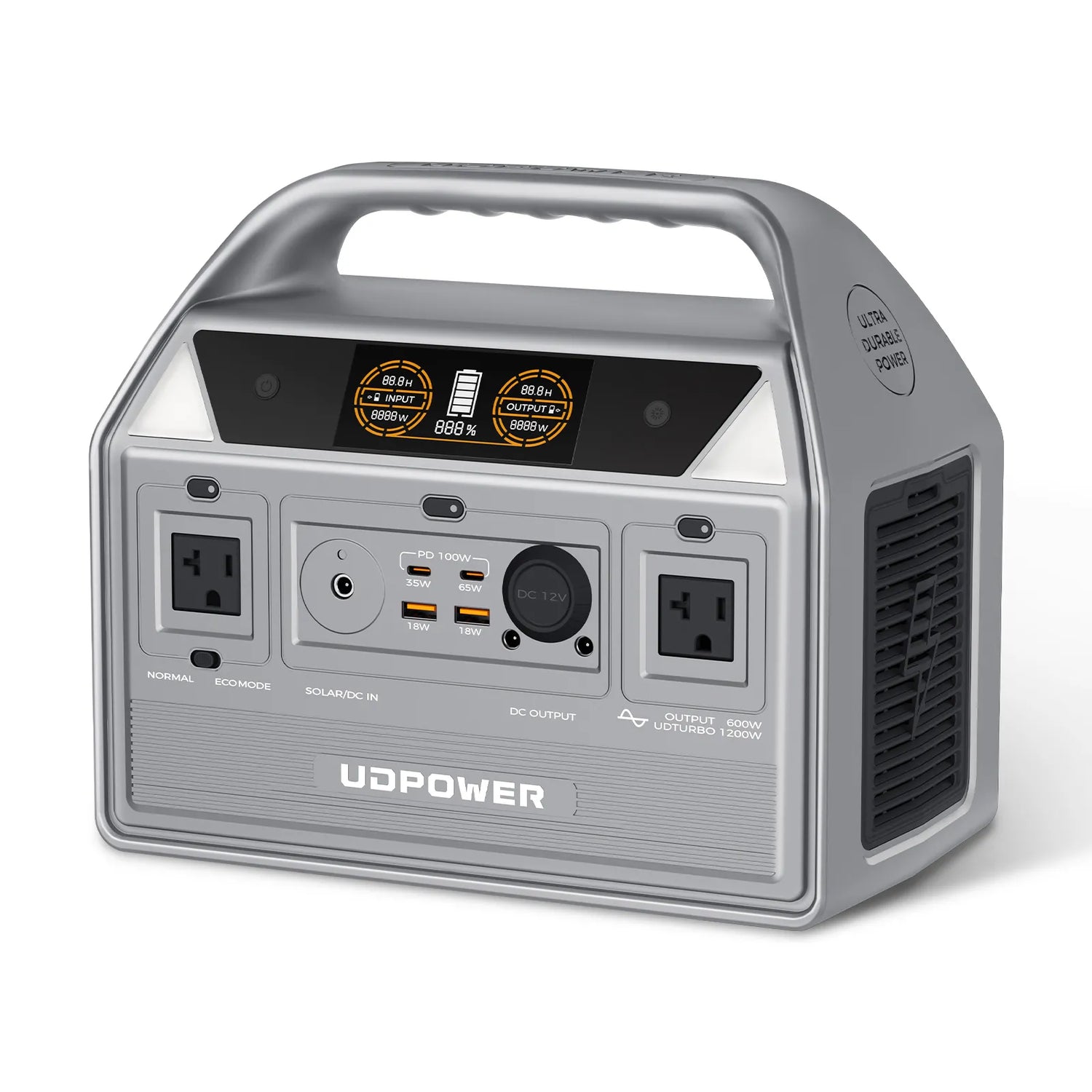
1) UDPOWER C600 — best for lightweight car camping
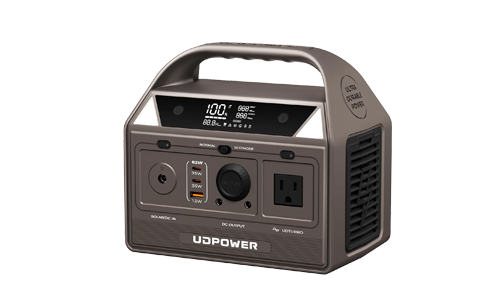
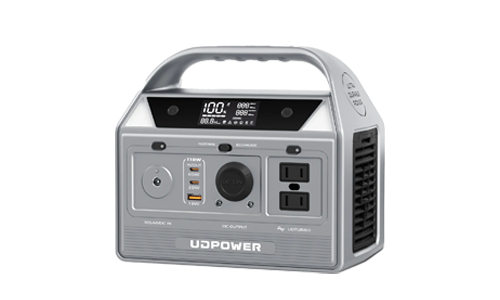
If you want real campsite power without dragging in a big box, the C600 is a smart Joshua Tree match. It’s light enough to carry easily, strong enough for lights, cameras, phones, and a lot of normal camp electronics, and it stays much more practical than a tiny power bank once you’re out for more than a quick overnight.
- Official specs: 596Wh, 600W rated output, 1200W surge, 12.3 lbs
- Good fit for: one- to two-night car camping, camp lights, fan, camera charging, laptop top-ups
- Why it works here: dry campgrounds reward compact gear that still feels dependable after dark
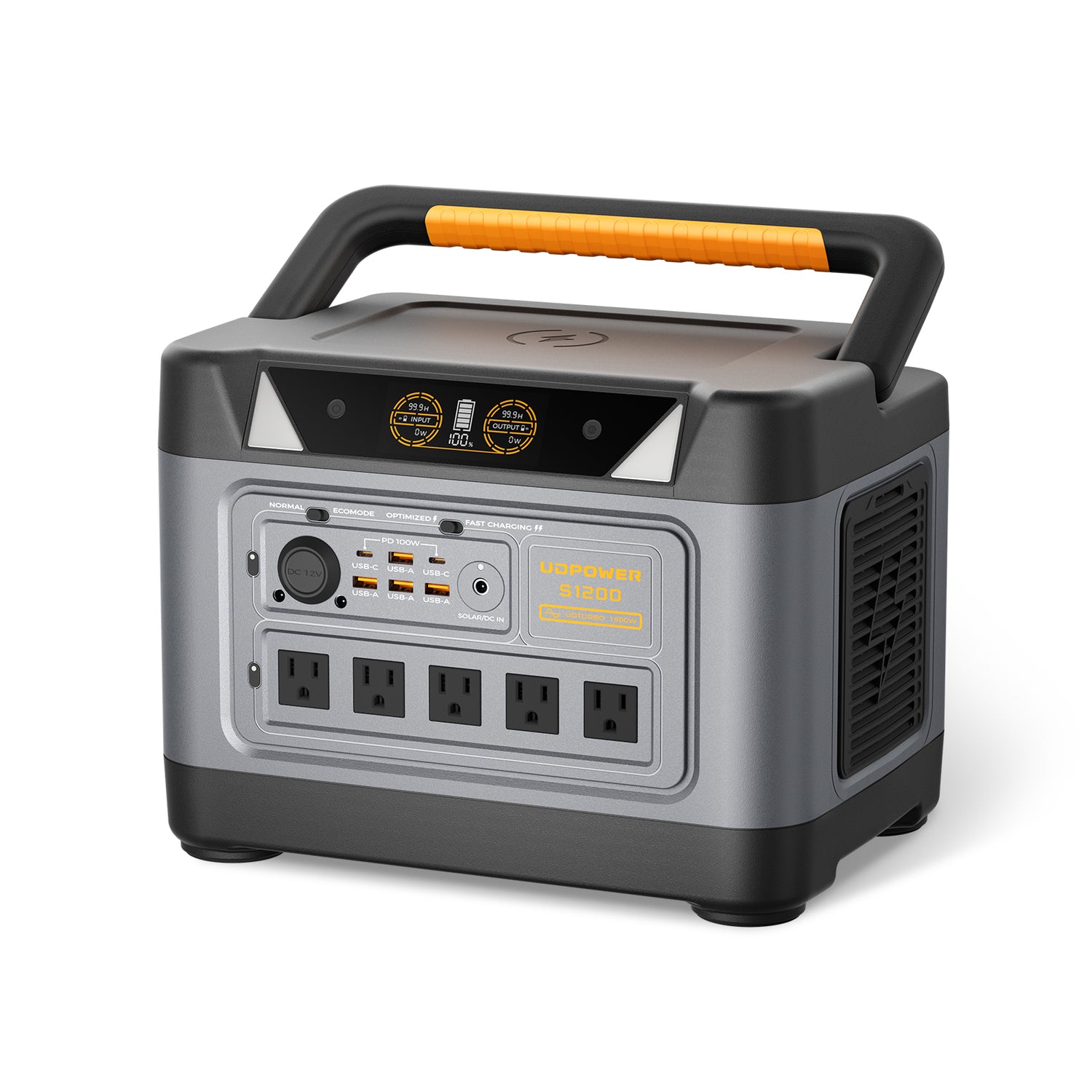
2) UDPOWER S1200 — best all-around choice for Joshua Tree weekends
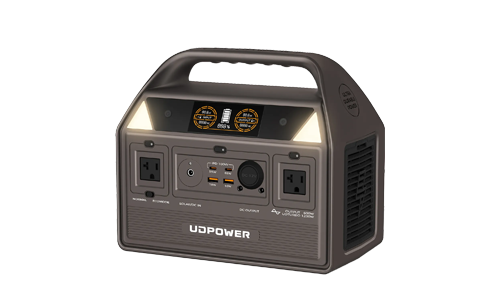
This is the one I’d point most Joshua Tree campers toward first. It has enough capacity to stop you from babysitting every watt, but it’s still realistic for weekend desert camping. The official product page lists 1,190Wh capacity, 1,200W rated output, 14 ports, and 25.8 lbs weight. It also notes solar charging with 120W, 210W, or 420W panels, and says a 420W setup can recharge it from 0–100% in as little as 2.8 hours.
- Good fit for: two-night camping, stargazing setups, camera batteries, laptops, camp lighting, small comfort appliances
- Why it works here: enough headroom for dry-camp convenience without jumping straight to a heavy basecamp unit
- Useful companion read: S1200 vs. S2400 comparison
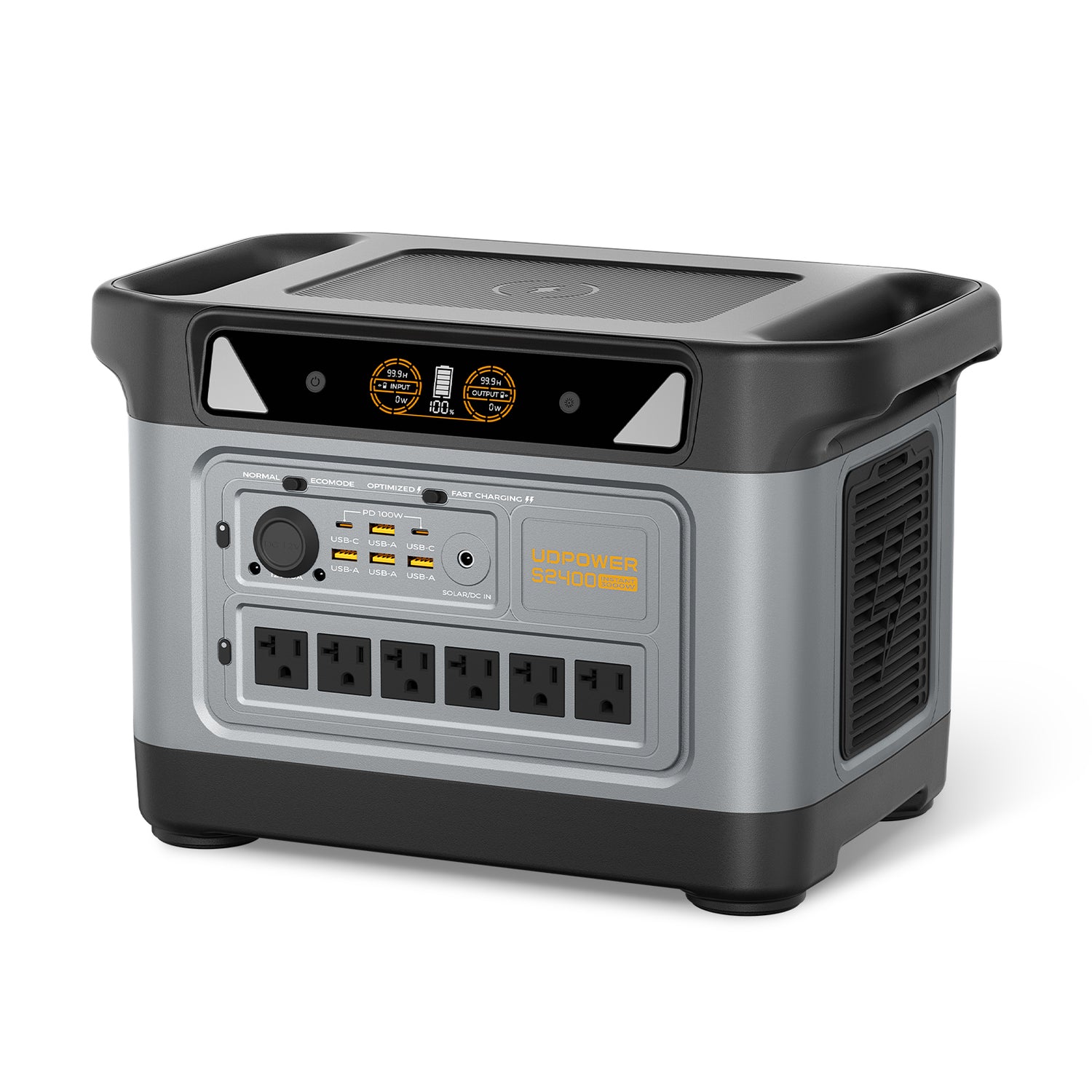
3) UDPOWER S2400 — best for basecamp comfort, small appliances, and group trips
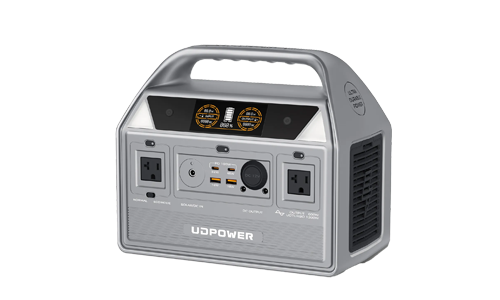
If your Joshua Tree trip looks more like a desert basecamp than a minimalist tent stop, the S2400 earns its space. The official specs call out 2,083Wh capacity, 2,400W output, 15 ports, and 40.8 lbs. That makes it much more realistic for small kitchen gear, powered coolers, multiple people charging at once, or longer stays where comfort matters.
- Good fit for: group camping, RV-style dry camping, longer stays, bigger device mixes
- Why it works here: some Joshua Tree campgrounds are beautiful but stripped down, so bringing your own power can close the comfort gap fast
- Reality check: this is not the casual “throw it in the trunk and forget it” option; it’s for campers who know they’ll use the extra capacity
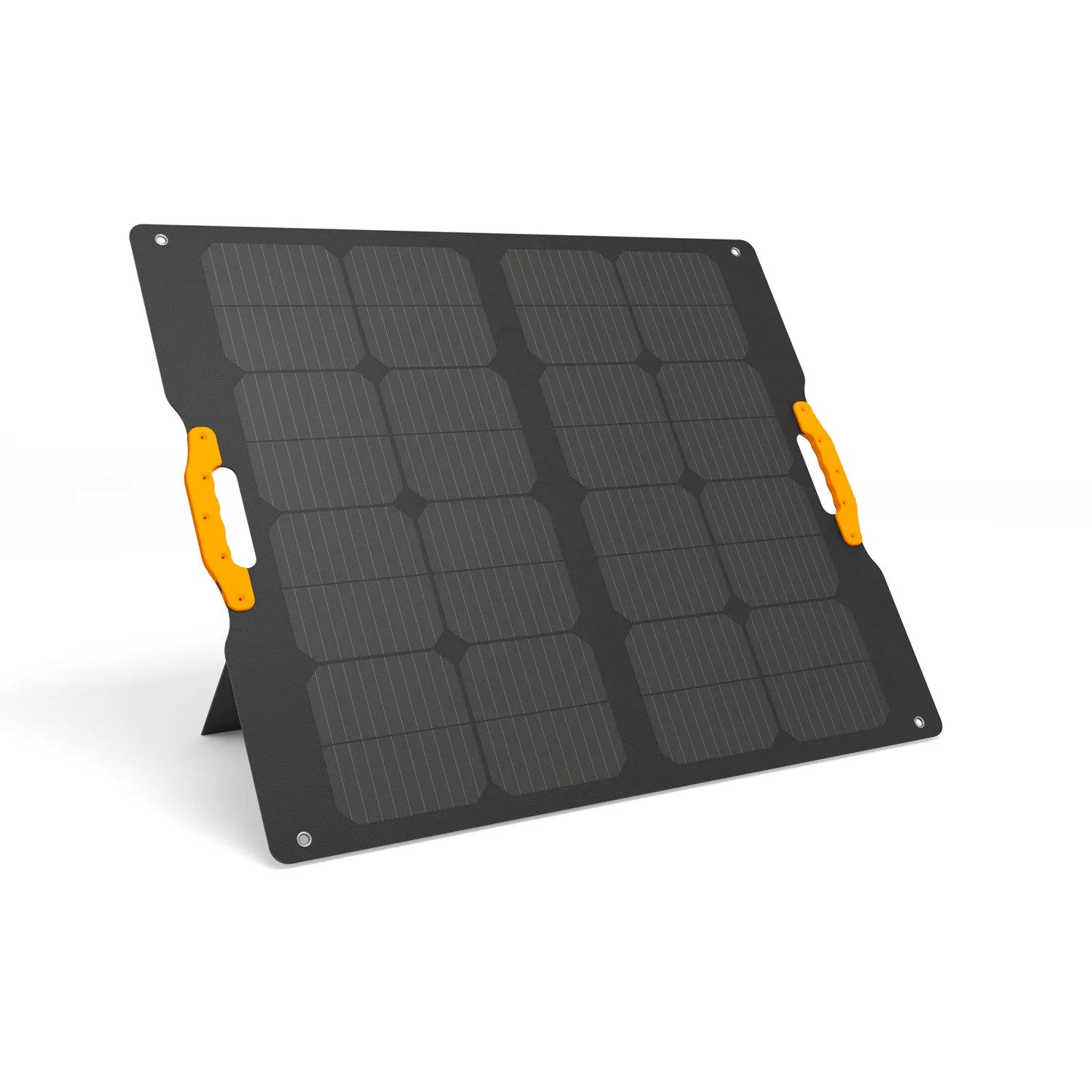
4) UDPOWER 120W Portable Solar Panel — best for lighter kits
The 120W panel makes sense when you want some sun recovery without carrying a large solar setup. UDPOWER lists 22% efficiency, IP65 weather resistance, and a compact folded profile at 8.93 lbs.
- Good fit for: C600 users, lighter S1200 trips, fair-weather weekend camping
- Best use in Joshua Tree: topping off between morning and afternoon sun rather than replacing a large-capacity system by itself
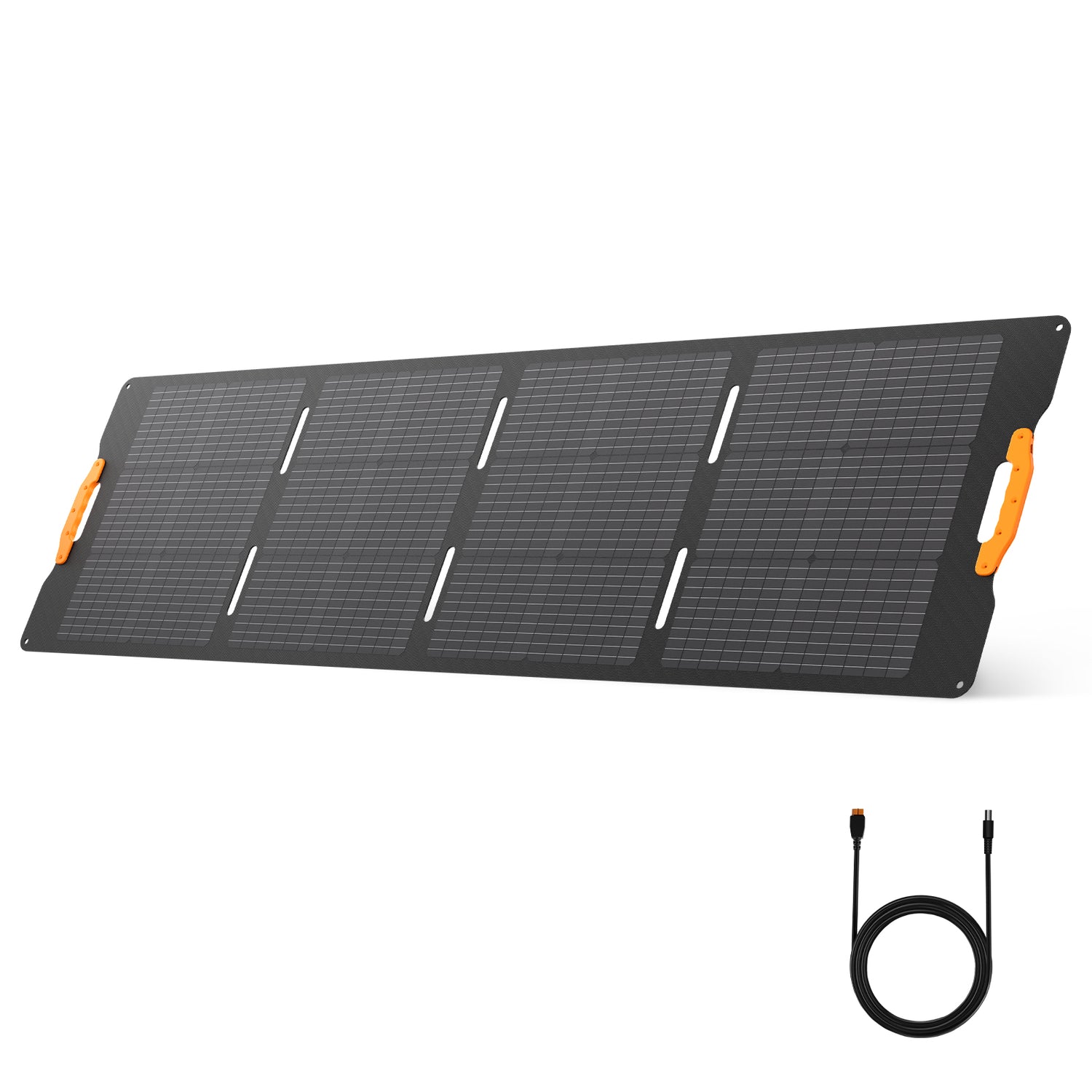
5) UDPOWER 210W Foldable Solar Panel — better for longer stays or heavier use
If you’re planning to recharge more than just a few phones and lights, the 210W panel is the more serious desert pairing. UDPOWER lists 210W rated power, ≥22% efficiency, IP65 water resistance, and a 15.32 lb folded panel setup.
- Good fit for: S1200 and S2400 users, multi-day camping, people running more gear
- Why it works in Joshua Tree: sunny desert conditions are exactly where portable solar becomes more than a nice extra
A realistic 2-day Joshua Tree camping plan
This is the kind of flow that works well for first-time campers who want the park experience without overcomplicating things.

| Time | What to do | Why it works |
|---|---|---|
| Day 1, morning | Drive in early, stop at entrance/visitor area, fill water if needed, set up camp before the afternoon heat | Joshua Tree is easier when camp is handled before you’re tired and thirsty |
| Day 1, late afternoon | Short scenic walk, early dinner, charge devices while you still have daylight | Desert trips feel smoother when the campsite is ready before sunset |
| Day 1, night | Red-light only, warm layers, chair, star viewing | NPS specifically recommends red lights, food, water, layers, and watching moon phase |
| Day 2, early morning | Sunrise walk or scenic drive, coffee, recharge from solar if you brought it | Morning is when the desert feels the most forgiving |
| Day 2, midday | Keep hikes short in hot months, rest at camp, conserve water | Summer heat risk is real, and even shoulder-season sun can wear people down |
| Day 2, sunset to night | Second long sky session or early pack-up for next-day departure | Most people remember the dark sky more than the afternoon |
FAQs about camping in Joshua Tree National Park
Do you need reservations to camp in Joshua Tree?
For most campgrounds, yes. NPS says reservations are required at Black Rock, Cottonwood, Indian Cove, Jumbo Rocks, Ryan, and the group campgrounds. Hidden Valley, Belle, and White Tank are the main first-come, first-served options.
Which Joshua Tree campground is best for first-time campers?
Black Rock is one of the easiest choices because it has water, flush toilets, and a dump station. Cottonwood is another good beginner-friendly option if dark skies matter to you.
Which campground is best for stargazing?
Cottonwood gets the strongest official nod. NPS says Cottonwood Campground has the darkest skies.
Can you sleep in your car in Joshua Tree?
Yes, but only at a lawfully occupied designated campsite. NPS says it is illegal to sleep in your vehicle outside of campgrounds, such as at trailheads, roadsides, or parking lots.
Are generators allowed in Joshua Tree campgrounds?
Yes, but only during specific hours. NPS says generator use is permitted from 7–9 am, noon–2 pm, and 5–7 pm, with quiet hours running from 10 pm to 6 am.
Is Joshua Tree too hot for summer camping?
For many casual campers, summer is the hardest season. NPS warns of heat risk, says summer highs often push past 100°F, and recommends shifting activity to early morning or evening.
How much power do you need for Joshua Tree camping?
That depends on whether you’re just charging phones or building a comfort setup. A small one-night trip might be fine with a lighter unit like the C600, while a weekend with lights, fan, laptop, camera gear, or a powered cooler is where the S1200 starts to make a lot of sense.
What’s the best UDPOWER setup for Joshua Tree?
For many campers, the best balance is the UDPOWER S1200 plus the 210W foldable solar panel. It gives you room for real camp comfort without moving all the way up to a heavy basecamp unit.
Source links
- Joshua Tree National Park Campgrounds (NPS)
- Joshua Tree Fees & Passes (NPS)
- Camping Regulations (NPS)
- Stargazing in Joshua Tree (NPS)
- Visiting Joshua Tree in Summer (NPS)
- Permits & Reservations (NPS)
- Jumbo Rocks Campground (Recreation.gov)
- Black Rock Campground (Recreation.gov)
- Indian Cove Campground (Recreation.gov)
Related Articles


