What Can a 300-Watt Power Station Run? A Practical Guide with Real-World Runtimes
ZacharyWilliamA 300W portable power station is one of the most useful compact sizes for people who want quiet, portable backup for electronics, internet gear, lighting, cameras, drones, CPAP use, and short-trip camping loads. It is not built for kitchen heat or large motor-driven appliances, but it can be much more practical than people expect when your device list is efficient.
The key is knowing the difference between inverter output and battery capacity. A 300W station may run a device just fine and still not last through the night if the battery is too small. It may also fail on an appliance under 300W if startup surge is higher than the inverter can tolerate.

Table of Contents
Executive Summary
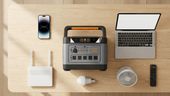
- Easy wins: phones, tablets, cameras, drone batteries, LED lights, routers, modems, portable monitors, many laptops, and small fans.
- Sometimes workable: CPAP, projectors, Starlink, mini fridges, 12V compressor coolers, and small blenders, depending on settings, connection type, and startup behavior.
- Usually not practical: space heaters, kettles, microwaves, most coffee makers, hair dryers, toasters, and induction cooktops.
-
Planning formula:
hours ≈ (battery Wh × usable % × efficiency) ÷ device W.
Best way to make a 300W station feel larger: use USB-C PD and 12V DC wherever you can, and save AC outlets for the few devices that truly need them.
Watts vs. Watt-Hours (Why Both Matter)
Watts (W) tell you how much power the inverter can deliver right now. Watt-hours (Wh) tell you how much energy the battery stores. A “300W power station” describes the inverter limit, not the battery size.
Estimated runtime (hours) ≈ (Battery Wh × 0.85) ÷ Device wattsFor many AC loads, 0.85 is a useful real-world planning shortcut. USB-C PD and 12V DC often stretch runtime a little further because they avoid inverter losses.
The 3 Checks That Prevent Most Mistakes
- Check the running watts on the label, charger brick, manual, or watt meter.
- Check startup surge if the device has a compressor, motor, or pump.
- Check how you will connect it and prefer USB-C or 12V DC whenever the device supports it.
This is why some devices that “look under 300W” still trip a compact station. Startup behavior matters just as much as the steady number on the label.
What a 300W Station Typically Runs
This table assumes a battery in roughly the 192Wh–256Wh range and around 85% usable capacity on AC. Real results vary with battery size, efficiency losses, temperature, and device behavior.
| Device | Typical power (W) | Compatible? | What to watch |
|---|---|---|---|
| Phone / tablet charging | 5–25W | Yes | Best on USB ports. |
| Laptop | 45–100W | Yes | USB-C PD usually improves efficiency. |
| Wi-Fi router / modem | 10–20W | Yes | One of the best outage uses for this class. |
| LED light / lantern | 5–20W | Yes | Excellent runtime per watt. |
| Portable monitor | 10–20W | Yes | Very good for mobile work setups. |
| Camera / drone chargers | 15–60W | Yes | Great fit for field work and travel. |
| CPAP without heated humidifier | 30–60W | Usually yes | DC cable is often the best route. |
| Starlink system | 50–100W | Sometimes | Works on paper, but battery runtime matters a lot. |
| Small fan | 20–60W | Yes | Great for camping or short outages. |
| Small LED TV / monitor | 60–120W | Usually yes | Keep brightness reasonable. |
| Projector | 60–120W | Usually yes | Eco mode helps more than people expect. |
| Game console | 120–200W | Sometimes | Runtime can shrink faster than expected. |
| Mini fridge / 12V cooler | 40–100W running | Maybe | Startup surge is the main uncertainty. |
| Small blender / grinder | 200–300W | Maybe | Short bursts only; startup spikes matter. |
| Coffee maker | 800–1200W | No | Most exceed the comfort zone by a wide margin. |
| Microwave | 900–1500W+ input | No | Wall input is usually much higher than shoppers expect. |
| Hair dryer | 1200–1800W | No | Classic overload example. |
| Space heater | 1000–1500W | No | Too much draw and poor battery value. |
Runtime Math and Worked Examples
Once you know your load, runtime planning is simple:
Estimated runtime (hours) ≈ (Battery Wh × 0.85) ÷ Load wattsBelow are quick planning examples using a 256Wh class battery and a 192Wh class battery. Actual results vary with real battery reserve and whether you are using AC or DC.
| Load | C200 (192Wh) estimate | C400 (256Wh) estimate | Best use style |
|---|---|---|---|
| LED light (5W) | ~32.6 hours | ~43.5 hours | Emergency or campsite light |
| Router (10W) | ~16.3 hours | ~21.8 hours | Internet backup |
| Small fan (30W) | ~5.4 hours | ~7.3 hours | Overnight airflow |
| Laptop (60W) | ~2.7 hours | ~3.6 hours | Travel or outage work |
| Projector (90W) | ~1.8 hours | ~2.4 hours | Short movie or presentation sessions |
| CPAP (40W) | ~4.1 hours | ~5.4 hours | Best optimized with DC and heat off |
| 200W device | ~0.8 hours | ~1.1 hours | Short heavy task only |
| 300W near-max draw | ~0.54 hours | ~0.73 hours | Only for brief heavy use |
Practical takeaway: A 300W station is about making efficient loads last, not about pushing a high load for a long time. The moment you treat it like a kitchen outlet, runtime and stability usually get disappointing fast.
Ready-to-Use Load Plans
UDPOWER Options Around the 300W Class
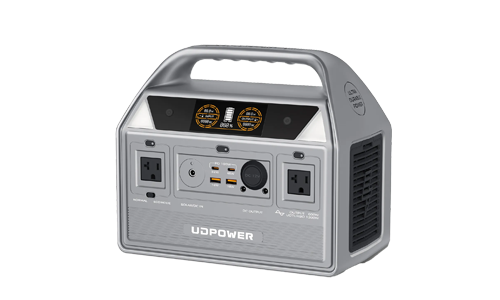
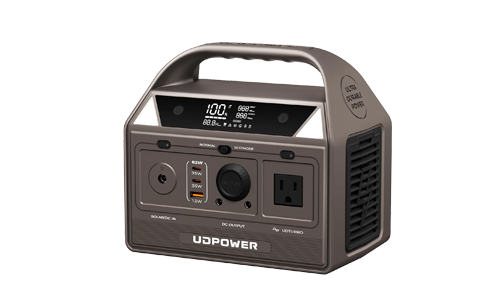
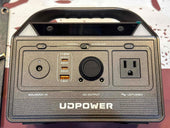
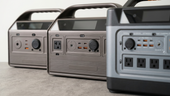
UDPOWER does not currently present a mainline exact “300W” product page. The closest real-world references are the C200 on the lighter side and the C400 on the step-up side. If you already know you want more runtime and more inverter margin, the C600 is the next easy jump.
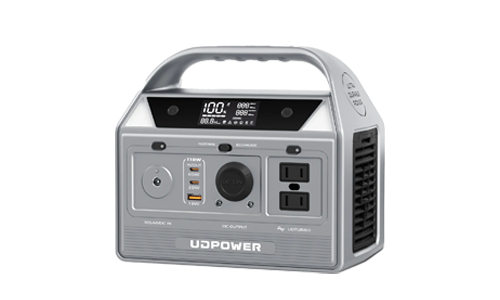
UDPOWER C200

192Wh battery, 200W pure sine wave output. Best for phones, routers, lights, cameras, and very light travel or emergency use.
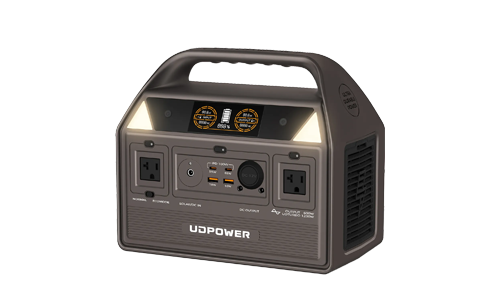
View UDPOWER C200UDPOWER C400

256Wh battery, 400W rated output, up to 800W peak in UD‑TURBO mode. A better fit if your load list includes laptops, CPAP, projectors, or borderline mini-fridge experiments.
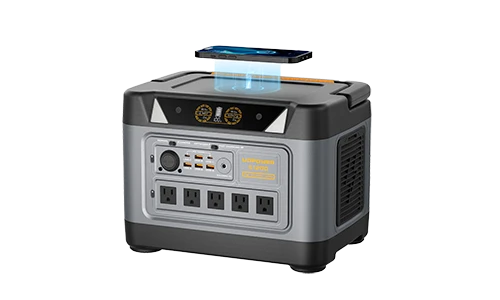
View UDPOWER C400UDPOWER C600

596Wh battery, 600W output. The right move if you already know 300W is too tight and you want more real-world breathing room.
View UDPOWER C600Simple recommendation: if your must-run list is mostly electronics, a compact unit works beautifully. If you keep talking yourself into fridges, high-heat appliances, or long AC runtimes, you are already drifting into the next size class.
FAQ
Can a 300W power station run a mini fridge overnight?
Sometimes, but it is not the safest assumption. The problem is usually startup surge and repeated compressor cycling. A mini fridge may look fine by running watts and still trip a compact inverter when it first starts.
Why does a 300W station trip on something rated under 300W?
Because running watts and startup behavior are not the same thing. Motors, compressors, and some power supplies can draw much more for a moment than the steady number on the label suggests.
Is it better to charge phones using AC or USB?
USB is usually better. It avoids inverter losses and stretches battery runtime for small electronics.
Can a 300W station run a TV and a game console together?
Sometimes. The combined draw can approach 300W faster than many people expect depending on TV size, brightness, and console generation. If you want a calmer experience with less load juggling, the next wattage class is usually more comfortable.
Can a 300W power station run a CPAP all night?
It depends on the CPAP model and settings. Heat features can change the math dramatically. If the device supports DC input and you can reduce heated humidity where appropriate, your odds improve a lot.
Can it run a space heater on low?
Usually no. Even “low” settings often exceed 300W or use battery far too quickly to be practical.
Do I need pure sine wave for a 300W station?
For sensitive electronics, medical gear, and many modern chargers, pure sine wave is the safer choice. It is especially worth confirming if you plan to use a CPAP or other sensitive device.
Should I buy 200W, 300W, 500W, or 600W?
Choose 200W if your loads are very light and focused on phones, routers, and small electronics. Choose 300W if you want a more versatile compact class for laptops, CPAP, lights, and creator gear. Choose 500W or 600W if you want more appliance margin and less stress around mini fridges, coffee gear, or overlapping AC loads.










![How to Live In The Woods [Complete Guide]](http://udpwr.com/cdn/shop/articles/Off-Grid_Cabin_Option_f6c94fe7-1ae7-4c3a-baf5-ed9fe684c832.png?v=1763523215&width=170)