How to Convert kWh to Joules
ZacharyWilliamQuick answer
To convert kilowatt-hours to joules, multiply the kWh value by 3,600,000.
Example: 2 kWh × 3,600,000 = 7,200,000 joules. In the other direction, divide joules by 3,600,000 to get kWh.

Why kWh and joules measure the same thing
A kilowatt-hour and a joule both measure energy. They are just used in different places. Your utility bill usually uses kWh because home energy use is large. Science and engineering references often use joules because the joule is the SI unit of energy.
The U.S. Energy Information Administration explains electricity use over time in watt-hours and kilowatt-hours: a watt is power at a moment, while a watt-hour measures energy used over time. That is the everyday reason kWh appears on electric bills, appliance labels, and power station capacity ratings.
| Unit | What it measures | Plain-English meaning | Common place you see it | Source |
|---|---|---|---|---|
| Joule (J) | Energy | A small SI energy unit. Useful for physics, engineering, battery math, and comparing energy in a standard unit. | Science classes, technical specs, energy calculations | BIPM SI units |
| Watt-hour (Wh) | Energy over time | One watt used for one hour. | Portable power stations, small batteries, device runtime planning | U.S. EIA |
| Kilowatt-hour (kWh) | Energy over time | 1,000 watts used for one hour. | Electric bills, home appliance labels, solar production, battery capacity in larger systems | U.S. EIA |
kWh to joules formula
The conversion comes from the relationship between watts, joules, and seconds:
So the practical formula is simple:
For the reverse conversion:
Shortcut to remember
1 kWh = 3.6 million joules = 3.6 megajoules (MJ). If you already know the energy in watt-hours, use 1 Wh = 3,600 J.
Step-by-step conversion examples
Example 1: Convert 1 kWh to joules
- Start with the formula: Joules = kWh × 3,600,000.
- Insert the value: 1 × 3,600,000.
- Answer: 1 kWh = 3,600,000 J.
Example 2: Convert 0.5 kWh to joules
- 0.5 kWh means half of one kilowatt-hour.
- 0.5 × 3,600,000 = 1,800,000.
- Answer: 0.5 kWh = 1,800,000 J.
Example 3: Convert 2.4 kWh to joules
- 2.4 × 3,600,000 = 8,640,000.
- Answer: 2.4 kWh = 8,640,000 J.
Example 4: Convert a refrigerator label from kWh/year to joules/year
If an EnergyGuide-style label shows 450 kWh/year, the joule equivalent is:
That number is correct, but it is not always the easiest number to use at home. For appliance planning, kWh and Wh are usually easier than joules. Joules are most useful when you need a standard scientific unit.
kWh to joules conversion table
Use this chart for quick conversions. On mobile, swipe the table sideways to see every column.
| kWh | Wh | Joules | Megajoules | Plain-English reference |
|---|---|---|---|---|
| 0.001 kWh | 1 Wh | 3,600 J | 0.0036 MJ | A tiny battery-level amount of energy |
| 0.01 kWh | 10 Wh | 36,000 J | 0.036 MJ | Roughly a small phone-battery scale |
| 0.1 kWh | 100 Wh | 360,000 J | 0.36 MJ | A 100W device for 1 hour |
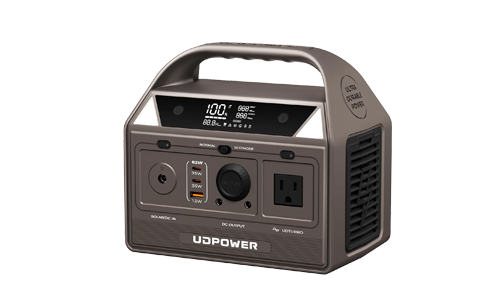
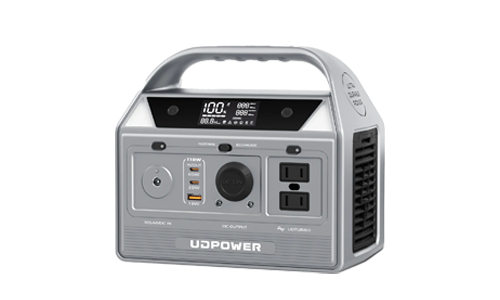
| 0.256 kWh | 256 Wh | 921,600 J | 0.9216 MJ | UDPOWER C400 capacity |
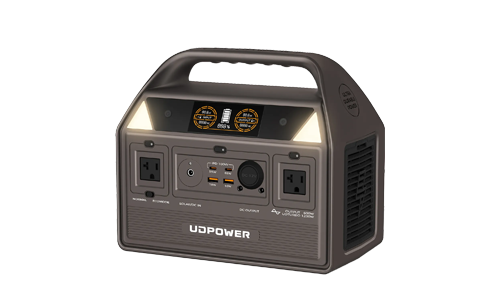
| 0.596 kWh | 596 Wh | 2,145,600 J | 2.1456 MJ | UDPOWER C600 capacity |
| 1 kWh | 1,000 Wh | 3,600,000 J | 3.6 MJ | 1,000W for 1 hour or 100W for 10 hours |
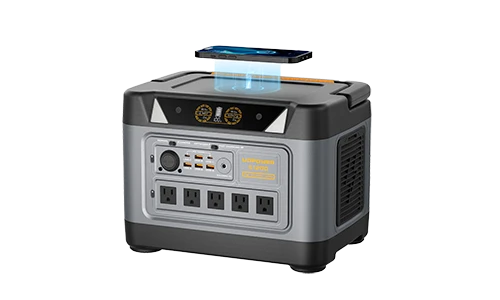
| 1.19 kWh | 1,190 Wh | 4,284,000 J | 4.284 MJ | UDPOWER S1200 capacity |
| 2.083 kWh | 2,083 Wh | 7,498,800 J | 7.4988 MJ | UDPOWER S2400 capacity |
| 5 kWh | 5,000 Wh | 18,000,000 J | 18 MJ | Large battery or part-day home energy use |
| 10 kWh | 10,000 Wh | 36,000,000 J | 36 MJ | Common scale for home battery systems |
| 30 kWh | 30,000 Wh | 108,000,000 J | 108 MJ | Heavy daily home energy use |
Real-world energy examples
Joules can look huge because one joule is a small unit. That is why a normal home-energy number quickly turns into millions of joules. The table below keeps the math practical.
| Scenario | Energy in kWh | Energy in joules | What it means | Helpful UDPOWER guide |
|---|---|---|---|---|
| 40W CPAP running 8 hours | 0.32 kWh | 1,152,000 J | Runtime depends heavily on humidifier and heated-tube settings. | CPAP power consumption guide |
| 100W TV running 5 hours | 0.5 kWh | 1,800,000 J | TV size, brightness, and picture mode can change actual use. | TV wattage guide |
| Modern refrigerator using 1.5 kWh per day | 1.5 kWh | 5,400,000 J | Daily energy use is usually more useful than instant running watts. | Fridge wattage guide |
| 1,500W heater running 1 hour | 1.5 kWh | 5,400,000 J | High-heat appliances drain batteries quickly even when they are technically supported. | What a 1200W station can run |
| 450 kWh/year refrigerator label | 450 kWh/year | 1,620,000,000 J/year | Equivalent average load is about 51W before real-world variation. | Refrigerator amps guide |
Practical tip
For shopping, runtime, and outage planning, Wh and kWh are usually easier. Use joules when a class, technical spec, or engineering calculation asks for SI energy units.
What kWh and joules mean for portable power stations
A portable power station’s battery capacity is usually shown in Wh. To compare it with kWh, divide Wh by 1,000. To convert that capacity into joules, multiply Wh by 3,600.
Do not choose a power station by joules alone. Capacity tells you how much energy is stored. Output watts tell you what the unit can actually run at one time. Surge output matters for compressors, pumps, and motor-start loads.
| UDPOWER model | Official capacity | Capacity in kWh | Capacity in joules | Rated AC output | Best fit | Official source |
|---|---|---|---|---|---|---|
| C400 | 256Wh | 0.256 kWh | 921,600 J | 400W | Phones, laptops, lights, short camping use, small essentials | C400 product page |
| C600 | 596Wh | 0.596 kWh | 2,145,600 J | 600W | CPAP, mini fridge, camera gear, router, weekend camping | C600 product page |
| S1200 | 1,190Wh | 1.19 kWh | 4,284,000 J | 1,200W | Refrigerator, Wi-Fi, lights, CPAP, TV, everyday outage essentials | S1200 product page |
| S2400 | 2,083Wh | 2.083 kWh | 7,498,800 J | 2,400W | Longer backup, heavier appliances, multiple essentials, RV and home emergency use | S2400 product page |
Recommended UDPOWER models by energy need
Use these product suggestions as a practical bridge between unit conversion and real-life backup power. The joule values below are simply the official Wh capacity converted into joules.

UDPOWER C400 — compact energy for small essentials
Capacity: 256Wh / 0.256 kWh / 921,600 J. Output: 400W rated AC, up to 800W surge. This is the lightweight choice when you want to charge phones, laptops, cameras, small lights, or short-use camping gear.
- 256Wh
- 400W output
- LiFePO4
- Camping

UDPOWER C600 — more reserve for CPAP, mini fridges, and road trips
Capacity: 596Wh / 0.596 kWh / 2,145,600 J. Output: 600W rated AC, up to 1200W peak. Choose this when you need more overnight reserve without moving into a large home-backup unit.
- 596Wh
- 600W output
- 1200W peak
- CPAP-ready planning
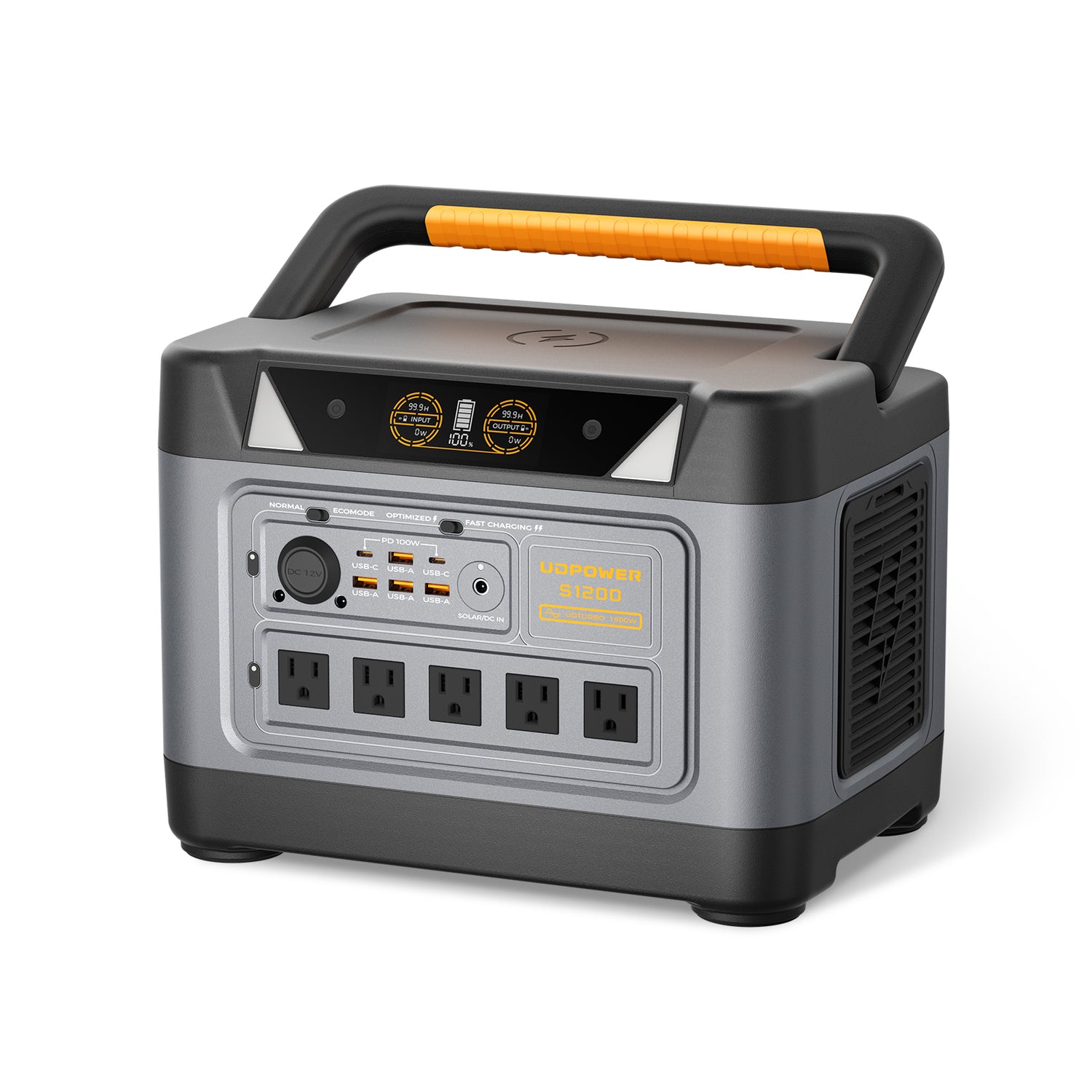
UDPOWER S1200 — practical 1 kWh-class home backup
Capacity: 1,190Wh / 1.19 kWh / 4,284,000 J. Output: 1,200W rated AC, up to 1,800W surge. This is the stronger match for refrigerators, routers, lights, CPAP machines, TVs, and many daily outage essentials.
- 1,190Wh
- 1,200W output
- 1,800W surge
- <10ms UPS
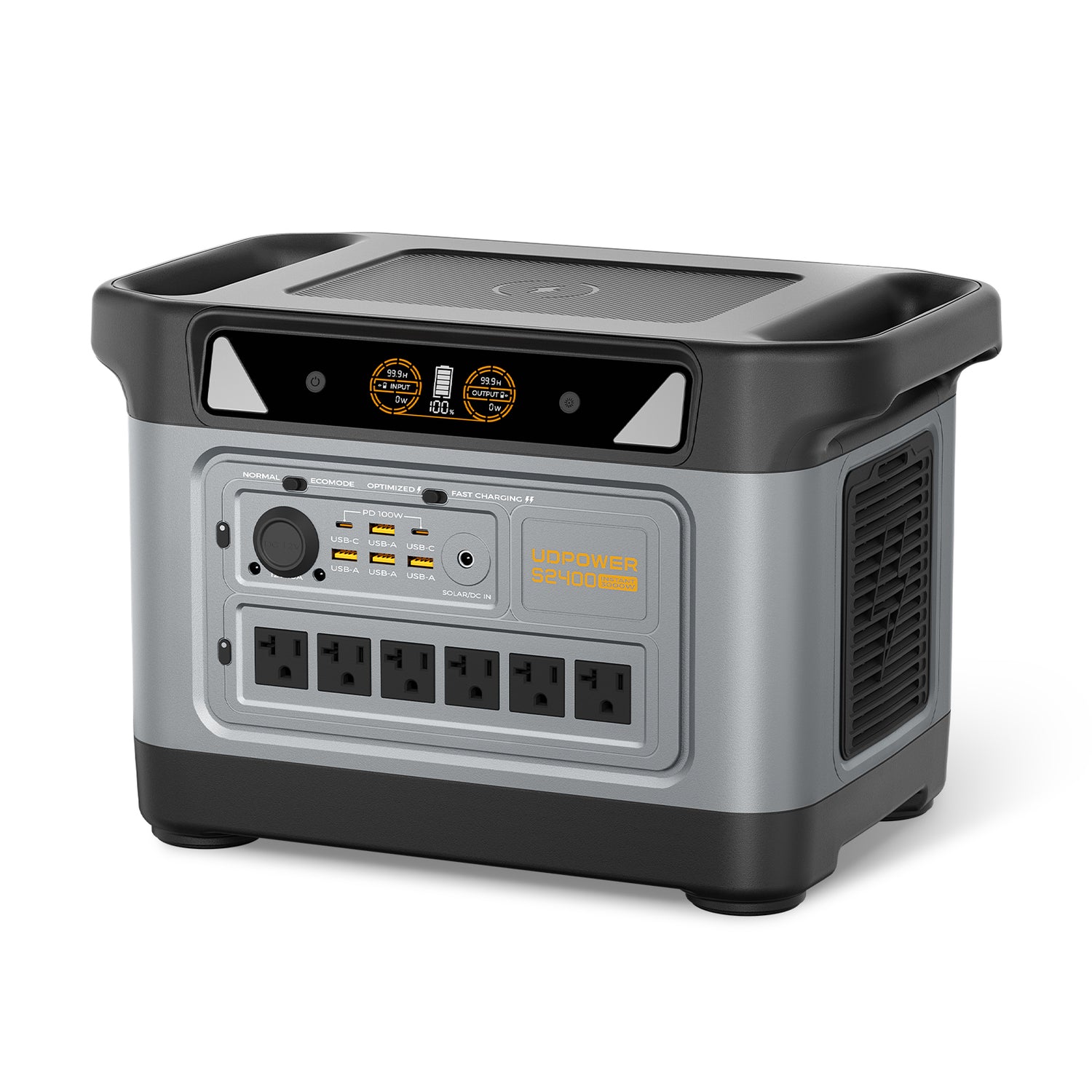
UDPOWER S2400 — higher-capacity backup for heavier loads
Capacity: 2,083Wh / 2.083 kWh / 7,498,800 J. Output: 2,400W rated AC, up to 3,000W surge. Use it when you want longer backup time, more outlets, and more headroom for refrigerators, microwaves, coffee makers, RV gear, and multiple essentials.
- 2,083Wh
- 2,400W output
- 3,000W surge
- Home / RV
Common mistakes to avoid
Mistake 1: Treating kW and kWh as the same thing
kW is power. It tells you how fast energy is being used. kWh is energy. It tells you how much energy was used or stored. A 1,200W output rating and a 1.19kWh battery capacity are related, but they are not interchangeable.
Mistake 2: Forgetting that joules get large quickly
One kWh equals 3.6 million joules. A number like 7,498,800 J may look enormous, but it is the same as 2.083 kWh. Use kWh or Wh when explaining battery capacity to shoppers; use joules when the calculation requires SI units.
Mistake 3: Estimating runtime from capacity alone
Battery capacity is only the starting point. Real runtime also depends on inverter loss, device wattage, startup surge, temperature, battery age, and whether the device cycles on and off. For AC loads, a practical planning shortcut is:
For a more direct estimate, use the UDPOWER portable power station runtime calculator.
Mistake 4: Ignoring surge watts
A refrigerator, pump, or compressor may need a brief startup surge above its running watts. That surge does not change the kWh-to-joules formula, but it can decide whether a power station can start the appliance safely.
Need help matching kWh, joules, and real runtime?
Start with the formula, then choose your power station by both capacity and output. Capacity tells you how much energy you have; output tells you what you can run.
FAQ: kWh to joules
How many joules are in 1 kWh?
There are 3,600,000 joules in 1 kWh. You can also write it as 3.6 megajoules.
What is the formula to convert kWh to joules?
Use Joules = kWh × 3,600,000. For example, 3 kWh equals 10,800,000 joules.
How do I convert joules back to kWh?
Divide joules by 3,600,000. For example, 7,200,000 J ÷ 3,600,000 = 2 kWh.
Is kWh a unit of power or energy?
kWh is a unit of energy. kW is power, while kWh is power used over time.
Why are joule numbers so large compared with kWh?
A joule is a small unit. Since 1 kWh equals 3.6 million joules, normal household energy numbers become large when converted to joules.
How many joules are in 1 Wh?
There are 3,600 joules in 1 Wh. That is why 1,000 Wh, or 1 kWh, equals 3,600,000 joules.
How many joules are in a 596Wh portable power station?
A 596Wh power station stores 2,145,600 joules of rated energy capacity, because 596 × 3,600 = 2,145,600.
How many joules are in a 1,190Wh power station?
A 1,190Wh power station stores 4,284,000 joules of rated energy capacity, because 1,190 × 3,600 = 4,284,000.
Should I use joules or kWh for appliance runtime?
Use Wh or kWh for appliance runtime because those units match battery capacity, utility bills, and appliance labels. Use joules when a technical or scientific calculation specifically asks for SI energy units.
Can I estimate runtime directly from joules?
Yes, but it is usually less convenient. Since watts are joules per second, runtime in seconds equals available joules divided by watts. For everyday planning, Battery Wh × 0.85 ÷ Device watts is easier for AC loads.