Are Home Wind Turbines Worth It?
For most suburban homeowners, the honest answer is usually no. For the right rural property with steady wind, enough open space, a tall tower, and realistic expectations, the answer can be yes. The difference comes down to site conditions, not marketing.
Bottom line: A home wind turbine is most likely to be worth it if you have a strong wind resource, at least some open rural land, local rules that allow a tower, and a plan to use the energy for many years. It is usually not worth it for a typical house in a neighborhood, and it is especially hard to justify if you are thinking about a small rooftop turbine.

Quick Verdict: Who Should Even Consider Home Wind?
The biggest mistake people make is asking whether wind is “good” in general. That is the wrong question. The real question is whether wind is good for your exact property.

| Homeowner situation | Likely verdict | Why | What makes more sense |
|---|---|---|---|
| Suburban house with neighbors, trees, and HOA rules | Usually not worth it | Wind near buildings is turbulent, towers are hard to permit, and small systems usually underperform in tight lots. | Solar, battery backup, or both |
| Rural property with open exposure and strong average wind | Possibly worth it | Open land and taller towers give the turbine a much better chance of producing meaningful energy. | Wind alone or wind plus storage |
| Off-grid cabin, ranch, workshop, or pump load | Often more interesting | Wind can help where grid power is unavailable, expensive to extend, or unreliable. | Hybrid wind + solar + battery setup |
| Anyone considering a small rooftop turbine | Usually not worth it | DOE notes rooftop wind faces more turbulence, more vibration, and lower cost-effectiveness than a tower-mounted system. | Roof solar and a battery |
A simple rule: if your property is not a place where you would feel comfortable putting up a tall tower, home wind probably is not your best move.
The Key Numbers That Decide the Answer
These are the numbers that matter more than the sales pitch. They tell you why home wind works for a small group of homeowners and disappoints a much larger one.

| Data point | What it means in plain English | Why it matters | Source |
|---|---|---|---|
| Typical U.S. residential electricity use in 2024: 863 kWh/month | The average home still uses a lot of electricity. | A “cute” micro turbine usually will not make a big dent in a normal home bill. | EIA 2024 Average Monthly Bill – Residential |
| DOE guidebook: a typical home may need roughly 5 to 15 kW of wind capacity to make a significant contribution | Meaningful home wind is usually bigger than many first-time buyers expect. | Big systems cost more, need more space, and need better wind to justify themselves. | DOE Small Wind Guidebook |
| Average 2023 installed cost for new small wind projects: $7,370 per kW | Wind is not a cheap plug-and-play home upgrade. | Even a modest system quickly becomes a serious capital project. | NREL Distributed Wind 101 / PNNL market data |
| Rough cost at that average: 5 kW = $36,850, 15 kW = $110,550 | This is before site-specific extras or savings from incentives. | It helps explain why many homeowners stop at the quoting stage. | NREL financing overview |
| Current federal Residential Clean Energy Credit: 30% through 2032, then 26% in 2033 and 22% in 2034 | The tax credit can meaningfully cut your net cost. | It helps, but it does not fix a weak wind site. | IRS FAQ and IRS newsroom summary |
| NREL residential distributed wind reference energy cost: about 24¢/kWh | On average, residential wind energy is not automatically cheaper than grid electricity. | That is why site quality matters so much. A strong site can do better; a weak site gets ugly fast. | NREL Cost of Wind Energy Review: 2024 Edition |
| U.S. residential average electricity price in 2024: 16.48¢/kWh | The average grid price is lower than NREL’s residential wind reference case. | For many homes, a turbine needs excellent wind and long-term use to pencil out. | EIA 2024 Average Monthly Bill – Residential |
In other words, home wind is not something you buy because you like the idea. You buy it because your site gives you a real advantage.
When a Home Wind Turbine Can Be Worth It
Home wind can make sense, but the bar is higher than most people think. These are the green flags.

- You have a strong, steady wind resource. DOE says grid-connected systems are more practical when average annual wind speed is at least about 10 mph, and off-grid hybrid systems can make sense from about 9 mph and up depending on the use case.
- You have open land. DOE’s consumer guidance says a small wind system is more practical when the home or business is on at least one acre in a rural area.
- You can install a real tower. DOE’s rule of thumb is for the bottom of the rotor blades to be at least 30 feet above anything within 300 feet of the tower.
- You can keep the system for a long time. Wind is easier to justify when you will own the property for years and use the system long enough to earn back the upfront cost.
- Your electricity is expensive or grid extension is costly. Wind becomes more attractive when the alternative is pricey utility power or expensive off-grid fuel use.
- You are buying a certified turbine and working with a real installer. DOE strongly recommends certified turbine designs that have been tested for safety, performance, and reliability.
One of the most overlooked details is tower height. DOE notes that even a moderate increase in tower height can boost production meaningfully, because wind speed rises with height and turbulence usually drops.
| Good sign | Why it helps | What to verify before buying |
|---|---|---|
| Open rural property | Less turbulence, better siting options, easier tower placement | County rules, setbacks, utility interconnection |
| Average wind that is actually strong for your site | More annual energy production | Installer assessment, local measurements, nearby project data |
| Long time horizon | Gives the system time to recover its upfront cost | How long you expect to stay in the home |
| Clear practical goal | Better decisions on system size and budget | Bill reduction, pump load, off-grid support, or resiliency |
When It Is Usually Not Worth It
This is where most homeowners land, and it is better to know that early than after paying for engineering drawings and permits.

- Your lot is small. Even before noise and appearance debates start, you may simply not have enough room for the tower and clear airflow.
- You are surrounded by trees, buildings, ridgelines, or turbulence. Wind near obstructions is weaker and messier than buyers assume.
- You are trying to offset a normal house bill with a tiny turbine. The numbers rarely work.
- Your neighborhood or HOA makes tall towers unrealistic. If the tower is the problem, the project is the problem.
- You want a short payback. Home wind is usually not the best fit for people who want a low upfront cost and fast return.
- Your real goal is outage backup, not energy production. A turbine does not solve outages the way many people imagine, especially if the wind is not there when you need it.
| Common expectation | What often happens instead | Better reality-based move |
|---|---|---|
| “I’ll put a small turbine on my house and cut my bill.” | Low output, vibration issues, weak economics | Use solar or a battery-focused backup plan |
| “I only need a little turbine.” | A little turbine usually gives little energy | Start with your actual monthly kWh and work backward |
| “The tax credit makes it a no-brainer.” | The credit helps, but a bad site is still a bad site | Do site checks before you fall in love with incentives |
| “It will handle outages automatically.” | Wind is generation, not guaranteed storage | Pair generation with a battery strategy |
Are Rooftop Wind Turbines Worth It?
In most cases, no.
DOE’s small distributed wind FAQ is unusually direct here: rooftop-mounted turbines face more turbulence, transmit vibration into the building, can create indoor noise issues, and typically produce less power. When you add the extra work needed to reduce those problems, DOE says they are generally less cost-effective than a small wind turbine on a proper ground-connected tower.
That does not mean nobody has ever installed one. It means most ordinary homeowners should not expect it to be the smart play.
If your mental picture of home wind is a small turbine on the roof of a regular house, you are usually looking at the least convincing version of residential wind.

Questions to Answer Before You Spend a Dollar
If you cannot answer these clearly, you are not ready to buy.
| Question | Why it matters | Best next step |
|---|---|---|
| What is my actual yearly electricity use? | You cannot size a system from guesswork. | Pull the last 12 months of utility bills. |
| What is the average annual wind speed at my exact site? | Regional wind maps are not enough for a final decision. | Get a site assessment from a qualified installer. |
| Can I install a tall enough tower legally? | A short tower can kill performance. | Check county zoning, setbacks, and utility rules. |
| Am I looking for lower bills, resilience, or off-grid support? | Different goals point to different equipment. | Pick one primary goal before comparing quotes. |
| Is the turbine certified? | Certification reduces the chance of buying hype. | Use DOE and certification directories, not ads. |
| What are the real installed costs? | Foundation, tower, wiring, interconnection, and permitting add up fast. | Ask for a detailed line-item quote. |
| What will maintenance look like? | Wind is a real machine, not a decorative gadget. | Ask who services it and how often. |
A smart buyer starts with site truth, not product excitement.

What to Do Instead If Your Real Goal Is Backup Power
A lot of people look at home wind because they want to feel more secure during outages. That is understandable. But wind and backup power are not the same problem.
A wind turbine helps generate electricity when the wind cooperates. A battery helps keep your essentials running when the grid goes down. If your goal is “keep the fridge cold, the Wi-Fi up, the phones charged, and a few critical loads running,” a practical battery setup is often the cleaner answer.
| If your real goal is... | Wind turbine | Battery backup | Best fit for most homeowners |
|---|---|---|---|
| Lowering utility bills on a windy rural property | Can make sense | Needs a charging source | Wind, if the site is strong |
| Keeping essentials running during outages | Indirect solution | Direct solution | Battery backup |
| Apartment, HOA, or small-lot home | Poor fit | Good fit | Battery backup |
| Off-grid hybrid setup | Can help | Very useful | Wind + solar + battery |
If you are planning around outages, these UDPOWER articles are more directly useful than jumping straight to a turbine quote:
- Power Priorities: What to Run First
- How to Keep Wi-Fi Running During a Power Outage
- Battery Runtime Basics: Watts to Watt-hours
- Portable Power Station Runtime Planning for Outages

UDPOWER Options for the Homeowners Wind Often Does Not Fit
If you came to this topic mainly because you want more energy independence at home, UDPOWER’s portable battery systems are often easier to live with than a residential turbine. They do not need a tower, they do not depend on neighborhood wind quality, and they are much more straightforward for outage planning.
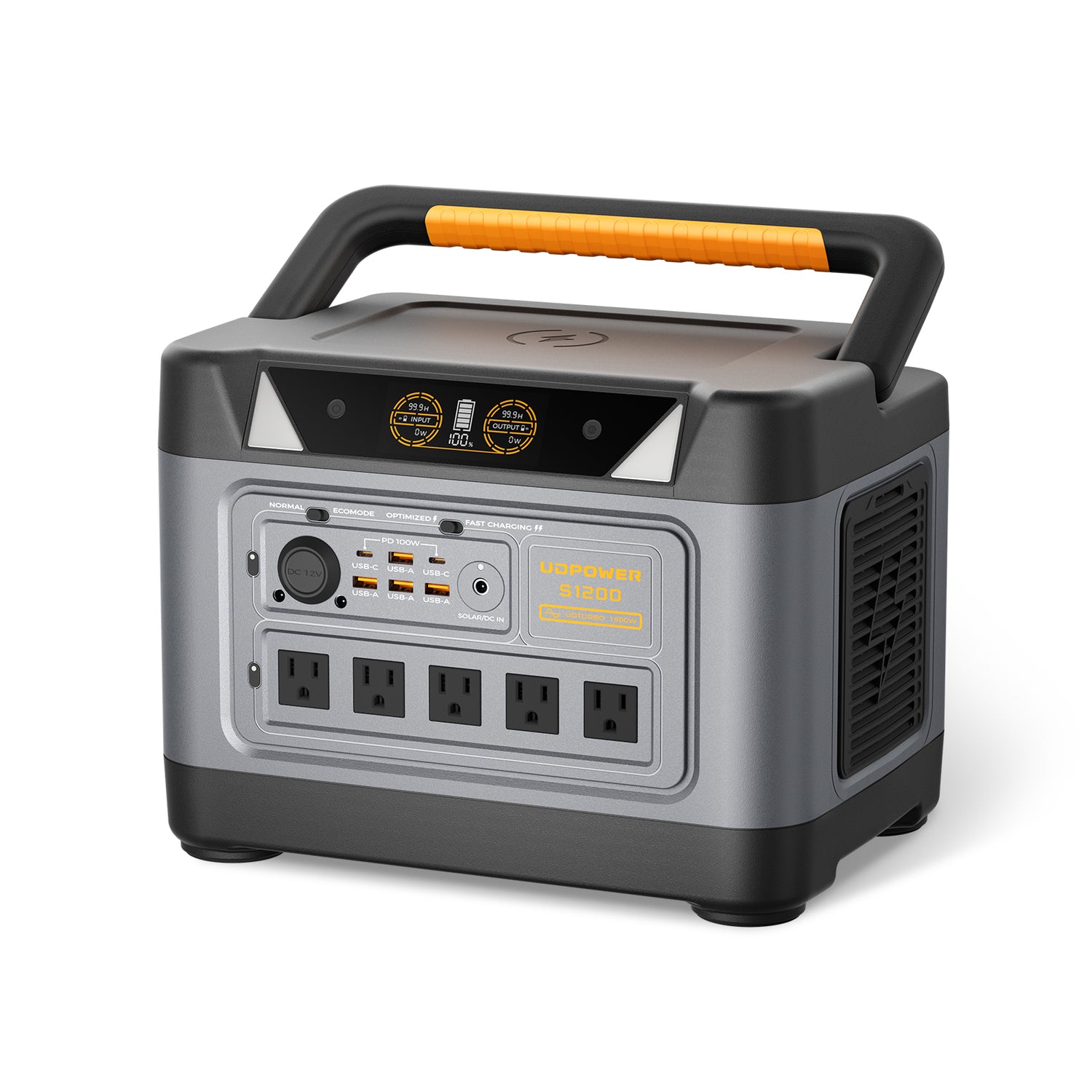
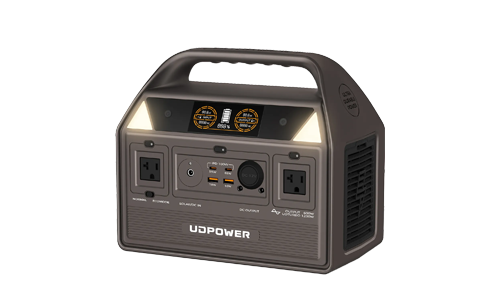
UDPOWER S1200
A strong fit for homeowners who want a practical outage unit for essentials instead of a complicated property project.
| Official spec | Value |
|---|---|
| Capacity | 1,191Wh |
| Rated output | 1,200W |
| Peak / surge support | UDTURBO up to 1,800W |
| Weight | About 26.0 lb |
| Battery chemistry | LiFePO4 |
| Warranty / backup feature | 5-year warranty, <10 ms UPS-style backup |
Why it fits this article: if your goal is keeping a router, lights, laptops, phones, and selected kitchen or medical essentials alive during outages, this is far more practical than forcing a wind project onto a weak site.
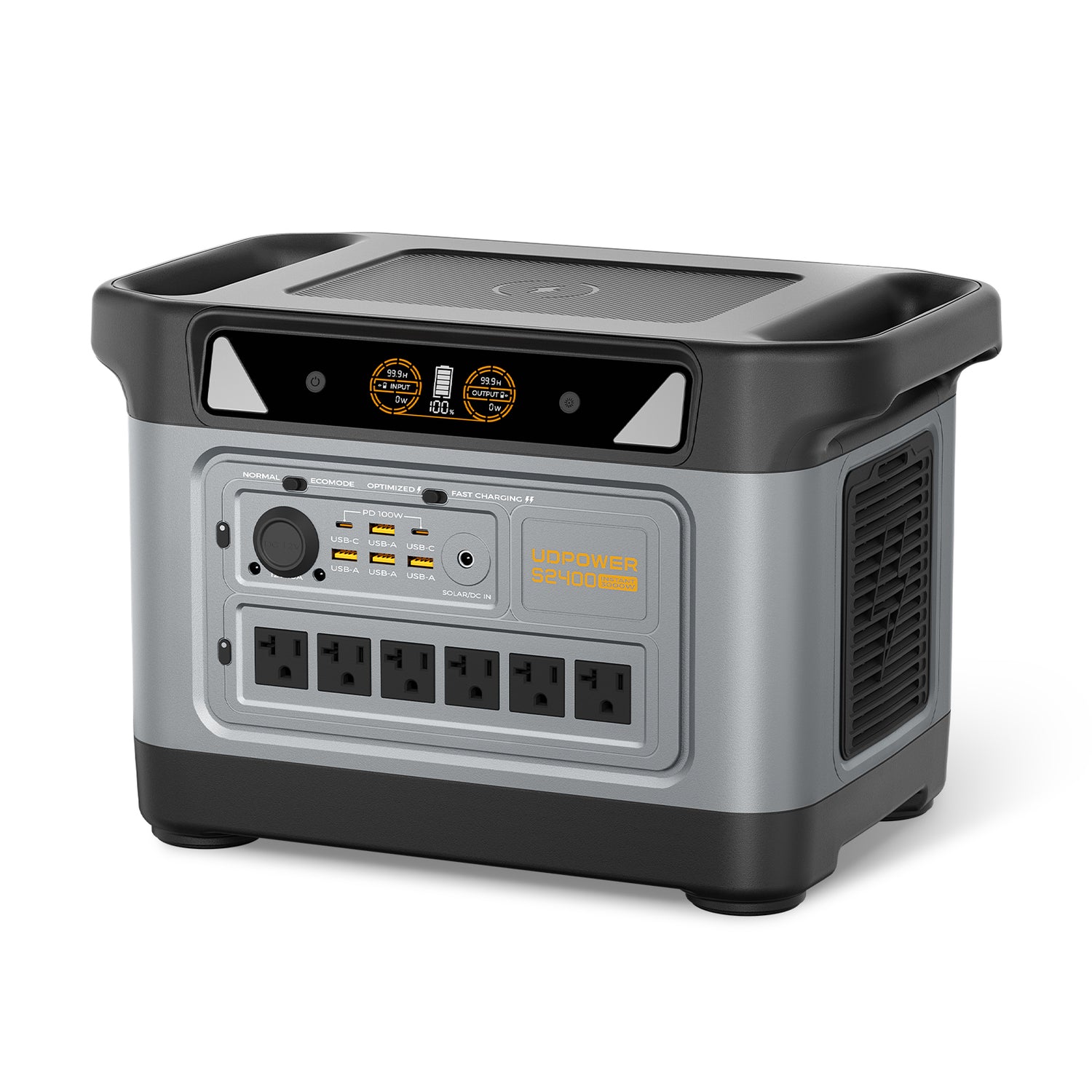
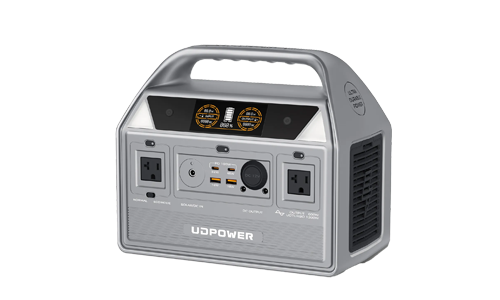
UDPOWER S2400
Better for homeowners who want more runtime and more appliance headroom without stepping into a permanent wind installation.
| Official spec | Value |
|---|---|
| Capacity | 2,083Wh |
| Rated output | 2,400W |
| Surge support | UDTURBO up to 3,000W |
| Weight | About 40.8 lb |
| Battery chemistry | LiFePO4 |
| Solar input / backup feature | 12–50V, 10A max solar input; UPS-style switchover ≤10 ms |
Why it fits this article: many homeowners asking about wind really want dependable resilience. The S2400 is a cleaner path when your property is not a true wind site but you still want serious backup capability.
FAQ
-
Can a home wind turbine power an entire house?
Sometimes, but that depends on the turbine size, wind resource, and your energy use. For many homes, that would require a much larger system than people expect. -
Do home wind turbines save money?
They can, but mostly on strong sites with good wind and a long ownership horizon. For average homes on average lots, the economics are often weak. -
How much land do I need?
DOE’s consumer guidance points to at least one acre in a rural setting as a practical starting point for a small wind system. -
Are rooftop wind turbines a good idea?
Usually no. DOE says rooftop systems generally face more turbulence, more vibration, and lower cost-effectiveness than tower-mounted systems. -
What matters more: turbine size or tower height?
Both matter, but tower height is often underestimated. A good turbine on a poor tower can still disappoint. -
Should I buy the cheapest turbine I can find online?
No. Look for certified models and real performance data. Home wind is a mechanical system, not a novelty purchase. -
Is a battery backup better than a wind turbine?
For outage resilience, often yes. A battery directly solves the backup problem; a turbine only helps when site conditions and wind timing cooperate. -
Can wind and battery backup work together?
Yes. Hybrid systems can combine wind, solar, and storage. That approach is most attractive for off-grid or high-resilience setups.
Final Verdict
Are home wind turbines worth it? For the average homeowner, usually not. For the right rural property, absolutely maybe.
That is not a dodge. It is the honest answer. Residential wind can be a smart long-term move when your site is genuinely windy, open, and tower-friendly. But if you live on a normal lot, in a normal neighborhood, and mostly want protection from outages or lower day-to-day hassle, a battery-based setup is usually the more practical and less risky choice.
The smartest move is to match the tool to the real goal. If your goal is generation on a proven wind site, explore wind carefully. If your goal is keeping life running when the grid drops, skip the romance and build a backup plan that works.
Sources Used in This Article
- DOE Small Wind Guidebook
- DOE FAQ on Small Distributed Wind Systems
- DOE Distributed Wind Energy Resource Hub
- NREL Cost of Wind Energy Review: 2024 Edition
- NREL Distributed Wind 101 / Cost trend slides
- NREL Ownership Structures and Financing
- EIA 2024 Average Monthly Bill – Residential
- IRS FAQ on Home Energy Credits
- IRS Home Energy Credits Summary
- UDPOWER S1200 official product page
- UDPOWER S2400 official product page
Related Articles