

RV Living in Washington State: A Practical Guide for Full-Timers, Seasonal RVers, and Rain-Ready Travelers
Washington RV Living Guide

RV living in Washington State can be spectacular, but it rewards planning more than bravado. This is not the kind of state where you pull in, stay in one public campground for months, and call it a system. Washington changes fast by region and season: the coast is wet, eastern Washington is drier and better for solar, ferry routes can complicate island travel, mountain passes can force chain decisions, and late-summer smoke can change your plans with almost no warning.
The upside is huge. You get beaches, rain forest, islands, desert, wine country, alpine scenery, and a deep bench of public recreation in one state. The trick is understanding that Washington works best as a rotating RV state, not a static one. If part of your plan includes off-grid nights or shoulder-season boondocking, UDPOWER’s guides on whether solar panels are worth it for camping and whether foldable solar panels are worth it are useful primers before you start buying gear you may not actually use.
Why Washington Works So Well for RV Living
Washington is one of the few states where an RVer can shape a completely different lifestyle just by moving a few hours. You can spend time on the Olympic coast, move into the Puget Sound orbit for ferries and towns, shift south toward the Columbia Gorge, then head east for sun, river valleys, and easier solar recovery.
That variety matters. In many states, one weather pattern dominates everything. In Washington, the west side and east side often feel like different states. That gives RVers more ways to adapt. It also changes how you should think about power planning. If you want a quick reality check before sizing a battery, UDPOWER’s battery runtime basics guide does a good job of translating watts and watt-hours into something you can actually plan around.
What Washington does better than most states
- Strong variety in scenery without needing to leave the state
- Solid public-lands culture for camping, recreation, and seasonal travel
- Cooler summer options than many southern and desert states
- A real west/east split that lets you chase either shade, moisture, or sun
- Good shoulder-season potential if you plan for rain instead of pretending it is not there
Who usually enjoys it most
- Remote workers who want scenery but do not need a single permanent base
- Retirees who like public campgrounds and seasonal movement
- Outdoor-focused RVers who fish, hike, paddle, or explore small towns
- Travelers who would rather adjust route and season than pay top-dollar resort rates year-round
The most useful mindset shift
The best Washington RV strategy is usually rotation, not residence. If you approach the state like a place to move through intelligently—coast in one season, east side in another, public parks mixed with private stops and off-grid stretches—you will probably love it. If you approach it like a place to sit indefinitely in one public site, the rules and weather will start working against you.
The Hard Truths People Underestimate
Washington’s beauty often hides the practical friction. These are the things people tend to discover after they arrive.
1) Rain is not the only issue—moisture is
Many newcomers think the west side problem is simply “it rains a lot.” The more important issue is persistent dampness. That affects window condensation, bedding, wet gear, floor mats, door seals, and how quickly your RV feels tired inside. Washington rewards people who ventilate daily, stay ahead of moisture, and treat interior drying as routine maintenance.
2) Public camping rules are not built for long-term stationary living
Washington State Parks now use tighter stay limits than many casual travelers realize. DNR, WDFW, rest areas, and dispersed areas also have their own limits and restrictions. If your plan only works by stretching one spot too long, it is not a durable Washington plan.
3) Ferries can be part of the lifestyle—but also part of the cost
Island-hopping in an RV sounds romantic, and sometimes it is. But vehicle length, height, route availability, and reservations matter. On some routes, your ticket is not your reservation, and your reservation is not the same thing as showing up carefree in a longer rig.
4) The Cascades are a real divider
Cross-Cascade travel changes more than scenery. It changes drying time, solar productivity, winter driving risk, and backup planning. East of the Cascades is often a better solar story. West of the Cascades is often a better mild-winter story. Smart Washington RVers use both.
5) Smoke is part of the conversation now
Late summer and early fall can be beautiful in Washington, but smoke readiness is no longer optional. If you want to spend long stretches here, your route needs an air-quality backup plan just as much as it needs a rain plan.
Best Regions for RV Living in Washington
There is no single “best” place to live in an RV in Washington because the state has different personalities. The smarter question is: Which region fits your style, rig, and season?
| Region | Why RVers like it | Main reality check | Best fit | Starting source |
|---|---|---|---|---|
| Olympic Coast & Peninsula | Big scenery, beach access, rain forest atmosphere, cooler summer feel, great shoulder-season drama | The west side of Olympic National Park gets roughly 100–170 inches of annual precipitation, so moisture management is part of daily life | People who love coast, forests, and don’t mind wet weather routines | Olympic National Park weather |
| Puget Sound & island-access zones | Milder winter feel, easy town access, ferries, marinas, small-city convenience | Vehicle reservations exist only on certain ferry routes, and longer vehicles move into higher fare categories | Remote workers, mixed urban/outdoor travelers, shorter rigs, island-curious travelers | WSDOT ferry tickets |
| Southwest Washington & Columbia Gorge edge | Strong mix of services, forests, river scenery, easier transitions between coast and inland routes | Rain, wind, and shoulder-season mud still matter more than many newcomers expect | RVers who want a practical base with outdoor access but not total isolation | Beacon Rock State Park |
| Central Washington | More sun, better solar recovery, river/lake access, easier drying conditions | Conditions can still swing hard by elevation and season | Solar-minded RVers, shoulder-season movers, people who want a drier home base | Twenty-Five Mile Creek State Park |
| Eastern Washington | Drier air, easier solar logic, broader-open feel, less constant dampness | Spokane-area annual precipitation is generally under 20 inches, but winters are colder and smoke risk becomes more important in fire season | People who prefer dry-air RV life and can handle cold snaps or seasonal smoke shifts | NOAA Spokane climate summary |
My blunt take: if you are trying to live in an RV in Washington on a budget, you usually want some version of a west/east split. Use western Washington when you want marine climate, towns, and winter softness. Use central or eastern Washington when you want a drier rig, easier solar, and faster recovery from damp weeks.
Rules and Logistics That Shape Your Plan
This is where a lot of Washington RV dreams either become realistic or fall apart. The details below are not minor. They directly affect how long you can stay, where you can pause, and how you move your rig across the state.
| Rule or system | What it says | What it means in real life | Source |
|---|---|---|---|
| Washington State Parks stay limits | Maximum of 10 nights in one park within a 30-day period, and no more than 90 nights per calendar year across all state parks | You cannot treat state parks as a one-park long-term residence solution. Rotation is required. | State park rules |
| Rest areas | Parking over 8 hours in 24 hours is unlawful, and camping or maintaining a camp is not allowed | Rest areas are for rest, not for setting up a living pattern. | RCW 47.38.020 |
| DNR campgrounds | Unless otherwise posted, you can stay 10 days in a 30-day period at DNR campsites | DNR can be useful, but it still works as a rotation tool, not a permanent base. | DNR recreation camping info |
| DNR dispersed camping | Allowed in some forests, not allowed at day-use sites, and dispersed fires are prohibited | Off-grid options exist, but they are primitive and rule-driven. | DNR dispersed camping |
| Olympic National Forest dispersed camping | Stay at least 1/4 mile from developed recreation areas, 200 feet from streams, and keep campsites within 150 feet of a roadway when applicable | “Free camping” here still comes with structure and responsibility. | Olympic National Forest dispersed camping |
| WDFW public lands | Campsites generally have a 21-day limit within a 30-day period; residence camps are not allowed | Wildlife lands can help your route, but they are not intended to become your principal residence. | WDFW public conduct rules |
| If you are moving to Washington | You must get a Washington driver license before vehicle registration, and generally have 30 days after moving to do both | If Washington is becoming your base, do not leave licensing and registration vague. | Washington DOL moving guide |
| Residency questions for full-timers | Washington may consider a person a resident in several situations, including certain motor-home living patterns | Domicile, taxes, licensing, and address choices deserve careful attention if Washington is your home base. | Washington residency definition |
| Ferry vehicle travel | Reservations are available only on certain routes, and fare categories change with vehicle length, height, and width | An RV-friendly ferry trip starts with measurement, not with vibes. | WSDOT ticket information |
| Winter mountain-pass chains | Vehicles over 10,000 pounds must carry chains and may need to install them when required | Big rigs and tow combinations need a real winter-pass plan before crossing the Cascades. | WSDOT tires & chains |
The practical takeaway is simple: Washington is easier when you build a route around legal rotation, seasonal movement, and measured transitions. It is harder when you try to improvise long stays or assume every public space tolerates RV living the same way.
Public Campground Examples Worth Knowing
You should always verify current availability before planning around a specific park, but the examples below show how varied Washington’s public campground fit can be for RVs.
| Park | RV-relevant detail | Why it stands out | Official link |
|---|---|---|---|
| Bay View State Park | Standard and partial-hookup campsites, max site length 50 feet | Useful for north Puget Sound travelers who want room for a mid-size or larger rig | Bay View |
| Twanoh State Park | 22 full-hookup sites, max site length 35 feet with limited availability | A strong fit for smaller rigs that want hookup convenience on Hood Canal | Twanoh |
| Beacon Rock State Park | Five full-hookup sites accommodating RVs and combinations 40 feet or less | Good southwest/Columbia Gorge-adjacent option if your overall length is moderate | Beacon Rock |
| Rainbow Falls State Park | Eight partial-hookup sites, max site length 60 feet with limited availability | Appealing to bigger-rig travelers looking for a southwest Washington stop | Rainbow Falls |
| Seaquest State Park | 18 partial-hookup sites, 15 full-hookup sites, max site length 50 feet with limited availability | One of the better public-park examples for a more serious RV setup | Seaquest |
| Twenty-Five Mile Creek State Park | 36 standard-to-full-hookup sites | A useful central-Washington example for RVers who want more sun and lake-country access | Twenty-Five Mile Creek |
That table is the real reason blanket advice about “Washington campgrounds” is so misleading. Some parks work well for bigger rigs, some are better for shorter rigs, and some are more useful as scenic short stays than as living bases. In Washington, your rig length matters more than blog posts usually admit.
Washington State Park Fee Snapshot
Public camping in Washington is not freewheeling, but it can still be a strong value compared with full-service resort-style RV parks. The numbers below are the official Washington State Parks fee ranges, which makes them a better planning anchor than random traveler anecdotes.
| Fee type | Peak season | Shoulder season | Winter | Source |
|---|---|---|---|---|
| Standard campsite | $31–$43 | $23–$35 | $23 | Washington State Parks fees |
| Partial utility campsite | $41–$51 | $35–$46 | $35 | Washington State Parks fees |
| Full-utility campsite | $46–$56 | $41–$51 | $41 | Washington State Parks fees |
| Discover Pass | $10 day pass | $45 annual pass | — | Washington State Parks fees |
| Trailer dump fee | $5 per use | $5 per use | $5 per use | Washington State Parks fees |
| Extra vehicle fee | $10 per night | $10 per night | $10 per night | Washington State Parks fees |
| Reservation fee | $8 online | $10 by phone | — | Washington State Parks fees |
| Non-resident reservation fee | $5 in addition to regular reservation fee | $5 in addition to regular reservation fee | $5 in addition to regular reservation fee | Washington State Parks fees |
One small but useful detail: Washington State Parks says shoulder-season pricing extends through winter at Cape Disappointment, Grayland Beach, Pacific Beach, and Fort Worden. That matters if your Washington RV strategy leans coastal in the off-season.
Budget angle most people miss
If you want to reduce site costs instead of just chasing the cheapest nightly number, look at the Washington State Parks Park Host Program. Hosts get a designated host campsite and available utilities during their volunteer term. Assignments usually require a 30-day commitment and a minimum of 28 service hours per week. That is not for everyone, but for the right RVer it can be one of the smartest budget tools in the state.
How to Actually Make Washington Work Long Term
The best Washington RV setups are rarely “perfect.” They are adaptive. Here is what usually works better than trying to brute-force one rigid plan. That is also why remote-work RVers should think beyond battery capacity alone. If staying connected matters, UDPOWER’s guide to keeping Wi-Fi and internet running is a practical companion piece for Washington’s stormy stretches and campground power interruptions.
Use a seasonal circuit
Think in arcs, not in a single base. A practical pattern might be western lowlands or coast in mild stretches, central/eastern Washington when you want drying time and better solar, and reduced Cascades crossings during chain-heavy winter windows.
Keep two backup plans, not one
In Washington, one backup is not enough. Have a backup for weather and another for availability. Shoulder-season first-come, first-served camping, ferry demand, and smoke can all change your route quickly.
Choose your rig style honestly
If you want island routes, older public campgrounds, and easier maneuvering, a shorter rig gives you more flexibility. If you want more comfort in long gray stretches, a larger rig may feel better—but it will be less graceful in some Washington settings.
Build a moisture routine
Open roof vents when conditions allow, wipe windows before condensation becomes standing water, dry wet shoes and jackets outside when possible, check seals often, and do not let damp gear become part of the furniture. In Washington, a dry interior is a lifestyle skill.
Track air quality during smoke season
The Washington Department of Health says wildfire smoke is a growing risk in the state, especially during summer and early fall. Keep a relocation option, know where cleaner coastal or marine-air zones may be, and monitor current conditions on the Washington air quality map.
Do not make winter mountain travel an afterthought
If your route crosses major passes, winter prep belongs on the calendar, not the wish list. Chain rules are not theoretical when your combined vehicle weight pushes you into heavier categories.
Power and Solar in a Washington Climate
If you are living in an RV in Washington, power planning looks a little different from power planning in Arizona, Nevada, or inland Southern California. The weather split across the state changes what “good solar” really means.
On the west side, cloud cover, short winter days, and wet shoulder seasons can turn solar into a slow recovery tool rather than your only charging source. East of the Cascades, the drier climate often makes solar logic much more attractive. That is not a law of nature for every day and every county, but it is a practical pattern worth planning around.
The real Washington power lesson
In much of Washington, especially west of the Cascades, battery capacity can matter more than nameplate solar wattage. A bigger battery gives you margin when the sky is gray for several days. Solar is still useful, but in the wetter parts of the state it often works best as recovery support, not as a fantasy of endless effortless recharge.
That is also why appliance realism matters. UDPOWER’s RV air conditioner guide notes that most rooftop RV air conditioners run at roughly 1,200–2,000 watts while actively cooling, with much higher startup surge. If you are comparing battery sizes, their newer 2000Wh runtime guide is also worth reading because it shows how quickly “big battery” assumptions can fall apart once the load is real. In plain English: do not assume a smaller portable power station will run your RV AC just because the brochure says “camping.”
For everyday Washington RV living, many people get better results by prioritizing the loads that actually matter most in damp and variable weather: lights, fans, router, laptop, phone charging, small kitchen loads, medical devices, and smart recharge habits. To plan those honestly, use UDPOWER’s runtime calculator and pair it with the brand’s 1200W guide, runtime-planning guide, or RV AC watts guide. If you rely on overnight medical gear while traveling, UDPOWER’s CPAP battery backup guide is another strong internal resource to include in your research stack.
More UDPOWER Guides That Fit This Topic
If you want to build out this article into a fuller Washington RV reading path, these internal guides are the most relevant next clicks: is a portable solar panel worth it, solar recharge during cloudy outages, portable power station vs generator, and the real disadvantages of portable power stations. Those topics line up especially well with Washington’s mix of wet weather, campground rules, and changing off-grid expectations.
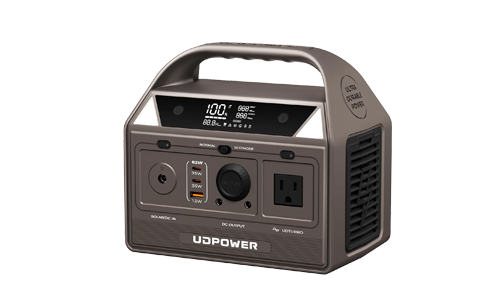
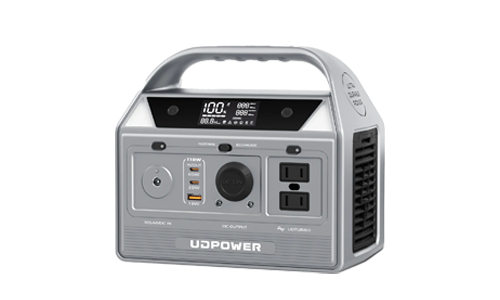
Best UDPOWER Picks for Washington RV Life
Washington is exactly the kind of state where product matching matters more than marketing slogans. A compact setup can be perfect for weekend moves and shoulder-season hopping. A larger system makes more sense when you want weather margin, bigger appliance flexibility, and less stress during a run of gray days.
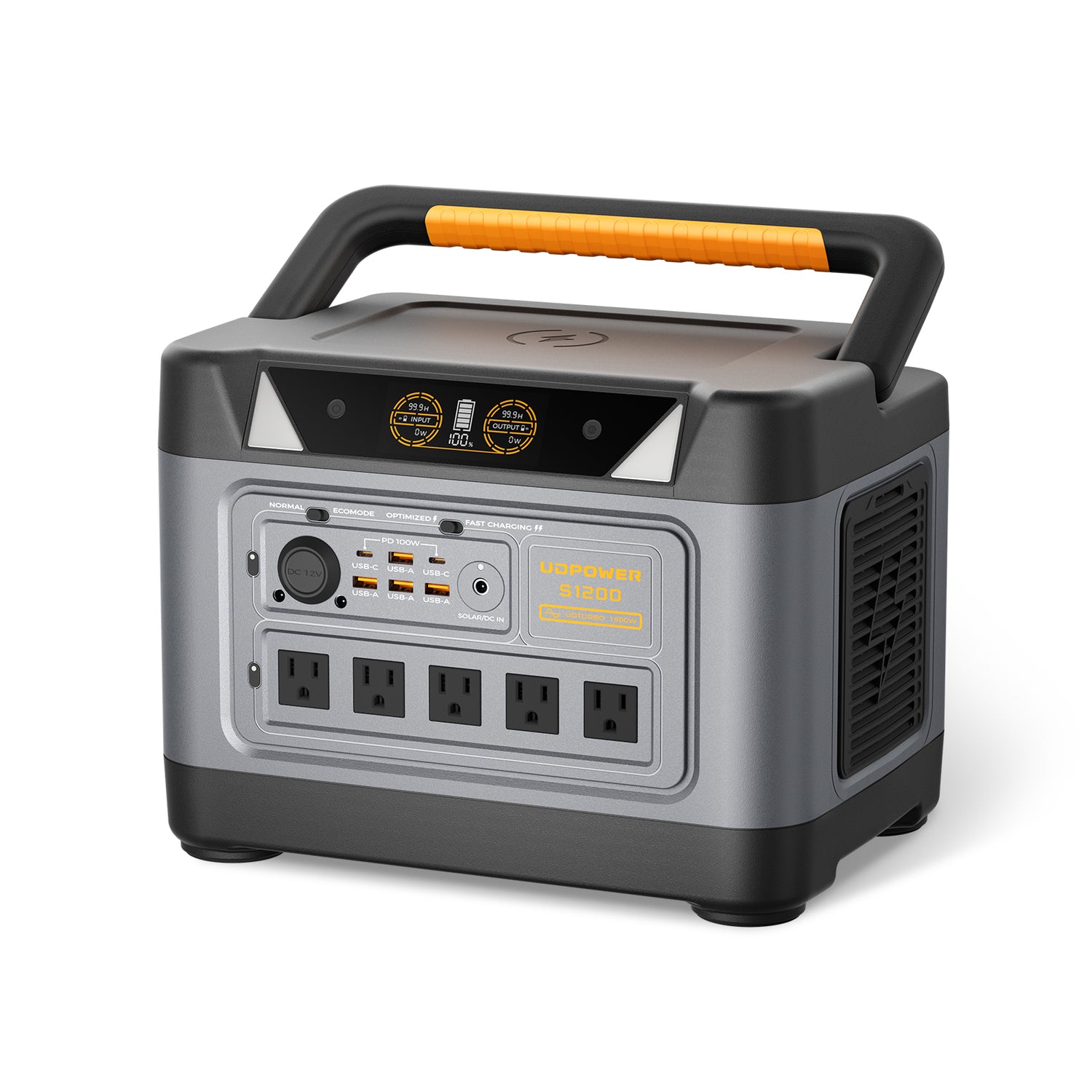
UDPOWER S1200
- 1,190Wh capacity
- 1,200W output with 1,800W surge support
- 4,000+ cycles
- 26.0 lbs
- <10ms UPSPRIME backup
- 5 AC + 10 DC outputs on the 5-AC model
The S1200 is a good Washington fit for RVers who want a serious step above the tiny battery class without jumping all the way into a heavier high-output unit. It makes the most sense for lights, internet gear, electronics, fans, small kitchen tasks, and shoulder-season daily living where portability still matters.
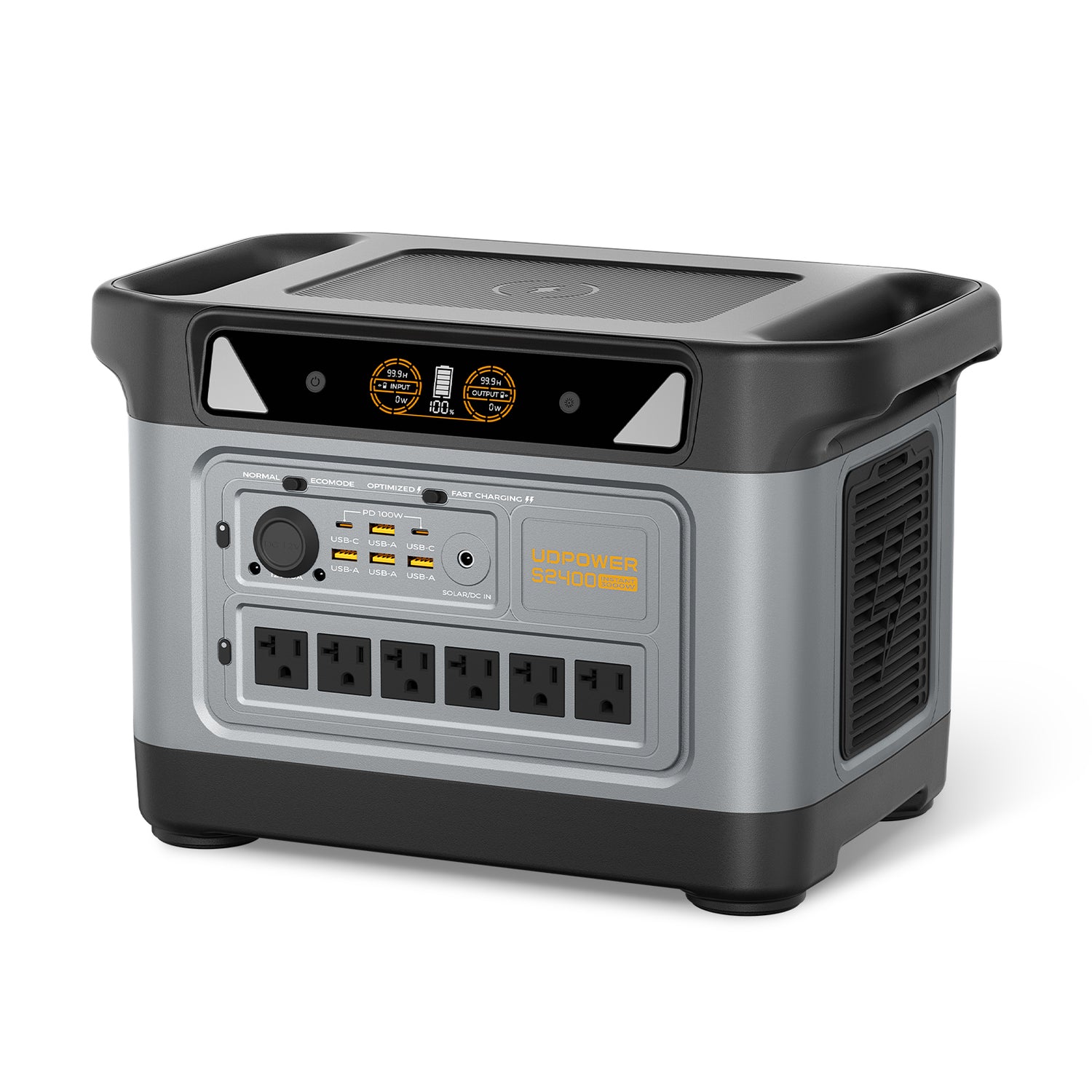
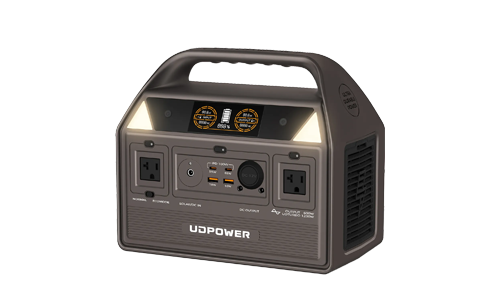
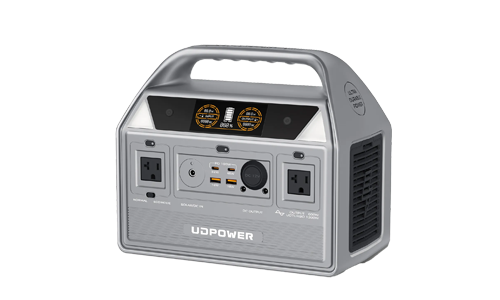
UDPOWER S2400
- 2,083Wh capacity
- 2,400W output
- UDTURBO surge support up to 3,000W
- 6 AC + 10 DC outputs
- 4,000+ cycles
- UPSPRIME switchover time ≤10ms
The S2400 is the more practical choice if your Washington route includes longer gray stretches, more demanding appliance use, or a stronger desire to keep living comfortably instead of constantly rationing. In a state where weather can slow solar recovery, battery margin is not a luxury—it is peace of mind.
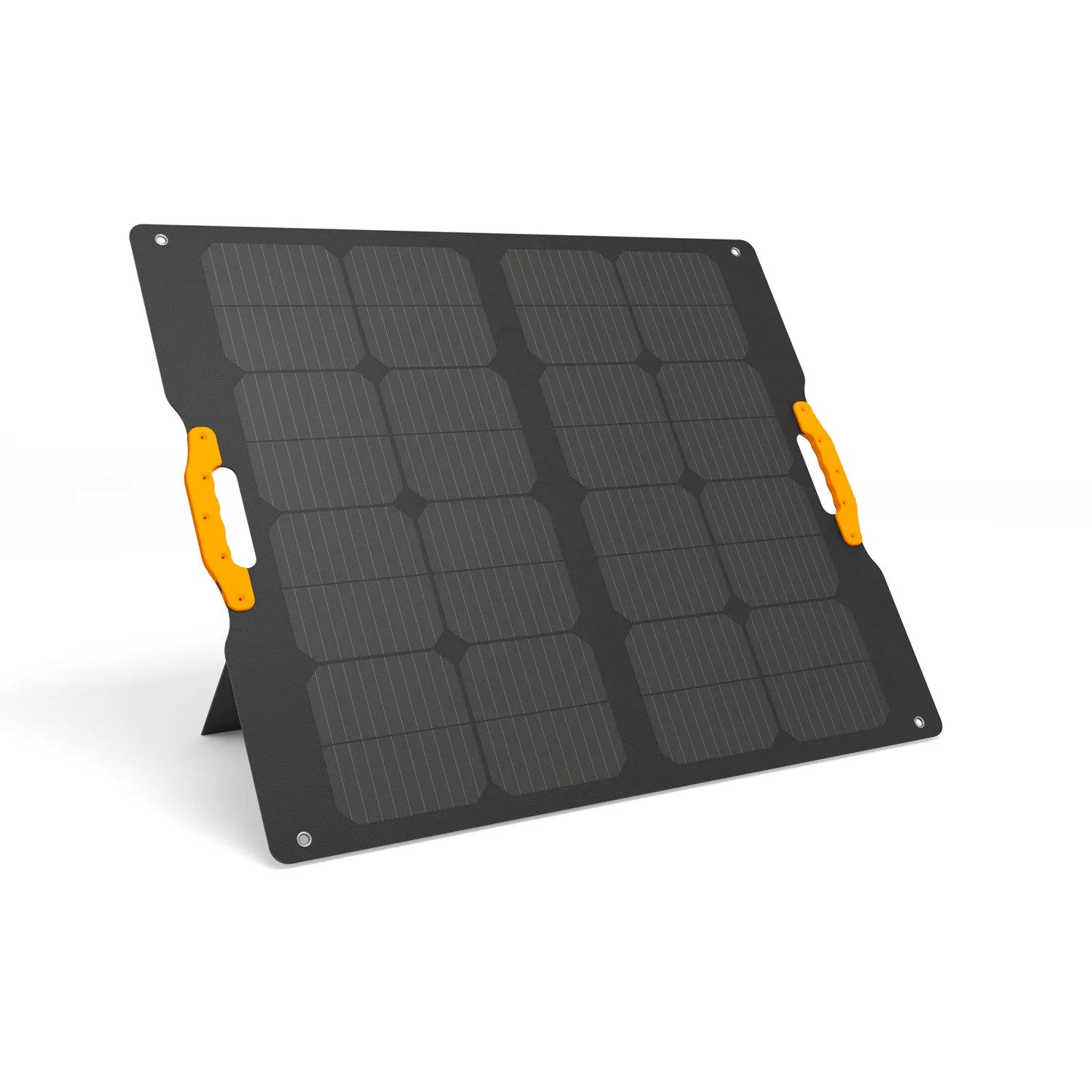
UDPOWER 120W Portable Solar Panel
- 120W rated power
- ≥22% efficiency
- IP65 waterproof rating
- 8.93 lbs
- Adjustable 60°–90° angle bracket
This is the panel for travelers who move often, pack light, and want an easier way to keep a smaller system topped up in fair weather. It is a realistic add-on for weekend trips, sunnier stretches east of the Cascades, and lighter daily loads.
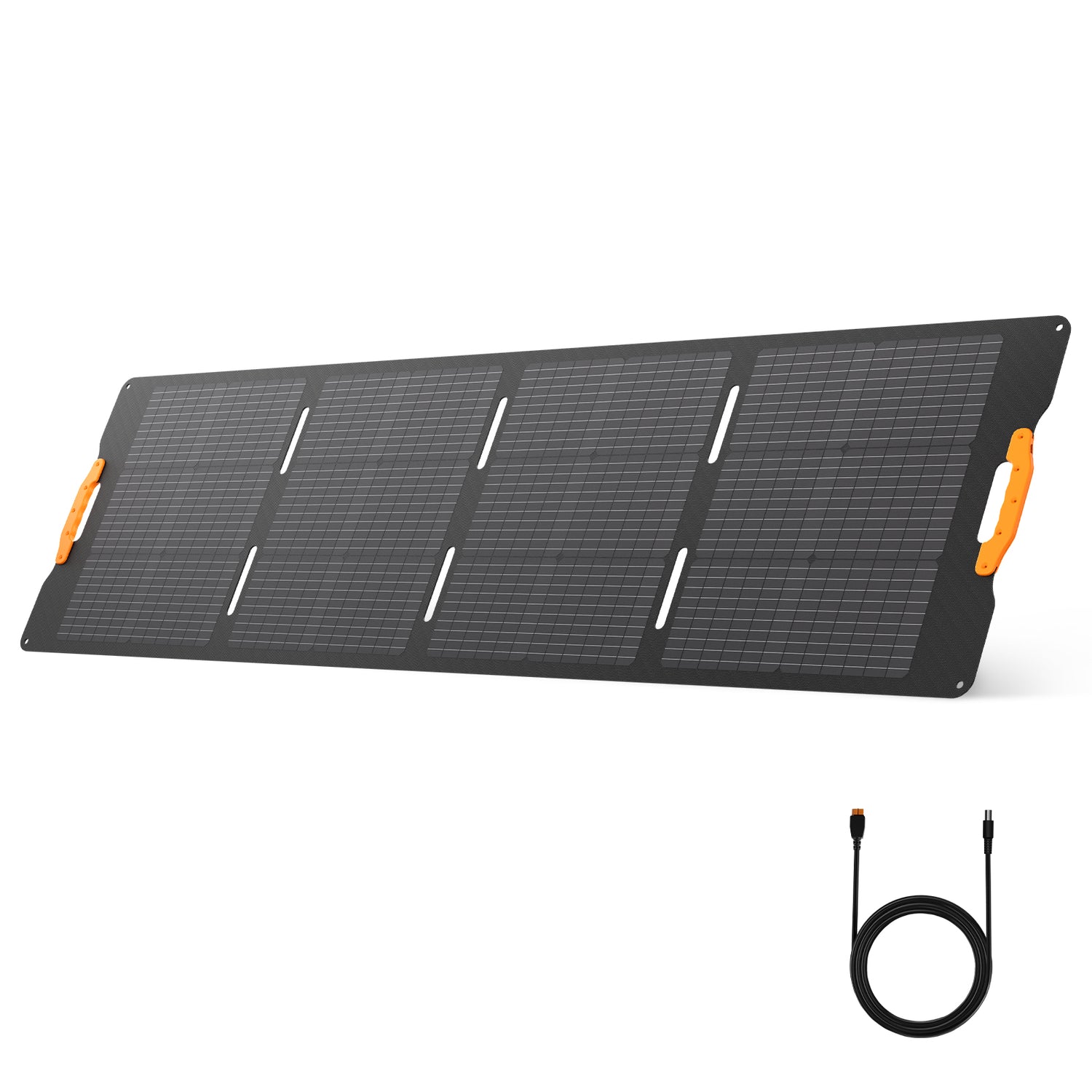
UDPOWER 210W Foldable Solar Panel
- 210W rated power
- ≥22% efficiency
- IP65 water-resistant
- 15.32 lb
- Designed for C600, S1200, and S2400 compatibility
If Washington is going to be a real lifestyle instead of a short visit, the 210W panel is the more practical solar companion. It will not turn rainy western Washington into Arizona, but it gives you a much stronger recovery tool whenever the sun shows up—and it becomes noticeably more compelling in central and eastern Washington.
| Washington RV scenario | What matters most | Best UDPOWER match | Why it makes sense |
|---|---|---|---|
| Weekend or short-hop west-side travel | Portability, fast setup, enough power for basics | S1200 + 120W panel | Good balance for lighter daily loads without overbuilding the system |
| Seasonal RV living with cloudy shoulder seasons | Battery margin more than tiny solar optimism | S2400 + 210W panel | Better cushion for gray stretches and more realistic recovery when the weather opens up |
| Central or eastern Washington route | Making the most of drier and sunnier conditions | S1200 + 210W panel | Stronger solar value when your route gives the panel a better chance to perform |
| Comfort-first RV living with more appliance flexibility | Higher output, more outlets, less constant rationing | S2400 | More forgiving for real-life RV living instead of bare-minimum survival |
FAQ: RV Living in Washington State
Is Washington a good state for full-time RV living?
It can be, especially if you like variety and are comfortable rotating by season. It is better for flexible travelers than for people who want one easy long-term public site with no movement.
Can you live year-round in Washington State Parks?
No. State parks have stay limits. At the time of writing, that means a maximum of 10 nights in one park within a 30-day period and 90 total nights per calendar year across all state parks.
Can I sleep overnight in a Washington rest area?
You can rest, but you cannot treat it as camping. State law limits parking to 8 hours in a 24-hour period unless otherwise authorized, and camping or maintaining a camp is not allowed.
Is western Washington or eastern Washington better for RV living?
That depends on what you value. Western Washington is usually better for marine climate, coast, and a milder feel. Eastern Washington is usually better for dryness, solar recovery, and less constant dampness inside the RV.
Do I need chains in Washington if I drive a larger RV or tow setup?
Possibly, yes. Winter chain rules can apply based on vehicle weight and conditions. If your rig is over 10,000 pounds, do not assume the rules are the same as they are for a small AWD passenger vehicle.
Is Washington good for solar RV setups?
It can be, but location matters. Solar is generally easier to justify east of the Cascades or during sunnier periods. On the wetter west side, battery capacity often matters more because several gray days can slow recovery.
What is the biggest mistake new Washington RVers make?
Trying to apply a dry-state strategy to a wet-state reality. Washington rewards people who plan for moisture, movement, and changing conditions. It punishes people who assume one site, one weather pattern, and one backup plan are enough.
Which UDPOWER unit is the better fit for Washington RV living?
The S1200 is a strong fit for lighter everyday power and easier portability. The S2400 is the better fit if you want more weather margin, more output flexibility, and less stress during long gray stretches.
Final Take
RV living in Washington State is not the easiest version of RV life, but it can be one of the richest. The scenery is top-tier, the regional variety is real, and the state gives you multiple ways to shape your route around weather, public land, and season.
Just do not build your plan around fantasy. Washington is better when you think in circuits, not permanent parking spots; in drying routines, not wishful weather; in battery margin, not solar hype; and in legal stay windows, not “maybe nobody will care.”
If you can do that, Washington stops feeling difficult and starts feeling like one of the most rewarding RV states in the country.
Official Sources Used in This Article
- Washington State Parks Fees
- Washington State Parks Rules and Regulations
- Washington State Parks Winter Camping
- Washington State Parks Park Host Program
- Washington DOL: Moving to Washington
- Washington State Residency Definition
- RCW 47.38.020 Rest Area Limits
- Washington DNR Recreation and Camping Information
- Olympic National Forest Dispersed Camping
- WDFW Public Lands Conduct Rules
- WSDOT Ferry Tickets
- WSDOT Ferry Ticket Information
- WSDOT Tires and Chains
- Washington Department of Health: Smoke from Fires
- Washington Air Quality Map
- Olympic National Park Weather
- NOAA Spokane Annual Local Climatological Data
Related Articles


