

RV Living in Florida: What Real Life Actually Looks Like
Florida looks perfect on paper for RV life: warm winters, miles of coastline, tons of campgrounds, and no state income tax. But real-life RV living here is less about postcard beaches and more about booking pressure, hurricane planning, humidity control, park rules, and choosing the right power setup.
This guide is for people who want the honest version. Not “Can I take a fun weekend trip?” but “Could I actually live this way in Florida and not hate my life by month three?”
The short answer: yes, Florida can be excellent for RV living, especially if you want mild winters, active RV communities, and easy access to beaches, springs, and public campgrounds. But it works best when you match your setup to your season. Winter is easier physically but harder financially and logistically because the best spots book fast. Summer is cheaper in many places, but heat, moisture, storms, mosquitoes, and power reliability matter a lot more.

Is Florida actually a good state for RV living?
For the right person, absolutely. Florida is one of the easiest states to enjoy for long stretches in an RV because you can keep moving without running out of things to do. Beach towns, inland springs, fishing, kayaking, farmers markets, county parks, resort-style RV communities, and a massive snowbird culture all work in its favor.
Where people get it wrong is assuming “good for RV travel” automatically means “easy for full-time RV living.” Those are not the same thing.

Florida is a strong fit if you want:
- Warm winters and a long outdoor season
- Access to both public campgrounds and private RV parks
- An active community of seasonal and full-time RVers
- A state commonly used for full-time RVer domicile planning
- A place where battery backup, solar, and quiet power gear are genuinely useful
Florida is a weaker fit if you hate:
- Humidity, mildew control, and constant A/C thinking
- Booking months ahead for the most desirable winter locations
- Storm prep and evacuation planning
- Mosquito-heavy evenings in warm months
- Paying premium rates for coastal winter stays
Bottom line: Florida is one of the best states for intentional RV living. It is not one of the best states for “I’ll just wing it and park wherever.”
Can you legally live in an RV in Florida?
Yes, but the important detail is where and under what local rules.
Here is the practical version most people need:
| Situation | What you should know | What it means for everyday life |
|---|---|---|
| Florida state parks | Great for short stays and rotation, but not a true full-time base. During high demand, the maximum stay is 14 nights, and campers must leave that park for at least 3 nights before returning. | Wonderful for a Florida circuit. Bad choice if you want one stable address all season. |
| County campgrounds and public parks | Rules vary a lot. Some public campgrounds allow longer stays than state parks. | These are often the sweet spot if you want better value without jumping every two weeks. |
| Private RV parks and resorts | This is the most straightforward path for long-term RV living in Florida. | You pay more, but you usually get better stability, hookups, laundry, and community. |
| Land you own | Do not assume that buying land means you can legally use an RV as a dwelling there full-time. Zoning and code enforcement are local issues. | Before you buy or move onto land, call the county planning or zoning office and get a clear answer in writing if possible. |
| Florida as your domicile | Florida is one of the common domicile states for full-time RVers. If you establish residency, Florida residents can reserve state park campsites up to 11 months in advance, while non-residents get 10 months. | That extra month matters if you want winter sites at popular parks. |
If you plan to establish Florida residency for your RV lifestyle, remember that vehicle registration and insurance are part of the picture. Florida’s registration system requires proof of insurance for most vehicles with four wheels, and Florida insurance rules are different from many other states.
The 4 ways people really do RV life in Florida
When people say “I want to live in an RV in Florida,” they usually mean one of these four lifestyles.

| Style | Best for | Upside | Tradeoff |
|---|---|---|---|
| Winter snowbird base | People escaping cold weather for 2–5 months | Best weather, biggest social scene, easiest daily comfort | Premium pricing and heavy booking competition |
| Public campground rotation | Budget-conscious travelers who like moving | Beautiful locations, lower nightly public options, variety | More setup/teardown, harder mail and routine, stay limits |
| Long-stay park living | People who want one base with hookups and amenities | Most stable version of Florida RV life | Can cost more than beginners expect in popular areas |
| Year-round mobile Florida living | Full-timers who move with weather, price, and season | Most flexibility, broadest experience of the state | You must actually manage heat, storms, maintenance, and reservations well |
My practical advice: If you are new to Florida RV living, start with a hybrid plan. Use one stable campground or RV park as your base for the first month, then add shorter moves once you understand your power usage, storage limits, weather tolerance, and driving rhythm.
What it costs: real campground examples
A lot of articles throw out vague statements like “Florida can be affordable.” That is not very helpful. The better question is: affordable compared to what type of stay?
Below are current public examples that help you build a realistic planning range. These are not statewide averages. They are real examples that show why Florida RV living can feel cheap in one setup and expensive in another.

| Place / type | Current example pricing | What that tells you | Source |
|---|---|---|---|
| Wekiwa Springs State Park | $24 per night plus tax, plus $6.70 reservation fee; RV stays also include a $7 nightly utility fee | Public park stays can look affordable, but the utility fee and reservation fee matter | Florida State Parks |
| Henderson Beach State Park | $30 per night plus tax, plus $6.70 reservation fee and $7 nightly utility fee | Desirable coastal parks are still reasonable compared with many private resorts, but you are not getting a long-term site | Florida State Parks |
| Fort De Soto / Pinellas County public camping | $45.77–$53.68 total base rate per night depending on site type | Popular county waterfront camping can jump well above basic state park pricing | Pinellas County |
| Kathryn Abbey Hanna Park / Jacksonville | $30 per day plus tax for RV camping | There are still public options that feel approachable if you stay flexible on location | Jacksonville.gov |
| Larry and Penny Thompson Memorial Park / Miami-Dade | $1,000 monthly in low season and $1,350 monthly in high season, plus tax | Longer stays can be far easier to live with than nightly hopping, but winter in South Florida costs more | Miami-Dade County |
Electricity also matters if you are in a metered site or comparing monthly packages. The U.S. Energy Information Administration lists Florida residential electricity at 15.02 cents per kWh for December 2025. That is not a campground rate, but it is a useful baseline when you are estimating the cost of heavy A/C use, dehumidifier use, or supplemental electric cooking.
A simple Florida RV budget rule
If you want the lowest price, you usually give up stability and length of stay. If you want the easiest daily life, you usually pay more for long-stay parks or better-located campgrounds. Florida rewards people who choose which one matters more before they book.
How Florida changes by season
Florida RV life is not one experience. It is four different experiences depending on the calendar.

| Season | What it feels like in real life | Good news | What to plan for |
|---|---|---|---|
| Winter | The easiest season to physically enjoy. Comfortable mornings, busy parks, social RV communities. | Best weather for walking, biking, beach days, and outside cooking | Higher rates, tighter availability, earlier booking pressure |
| Spring | One of the best value windows if you like warmth but not peak crowding. | Comfortable travel season with fewer headaches than summer | Popular spring-break zones can still feel crowded |
| Summer | Hot, wet, humid, storm-prone, and much more dependent on reliable A/C and airflow. | Often better availability and, in many places, lower seasonal pricing | Heat load, condensation, mildew, mosquitoes, storm prep, evacuation thinking |
| Fall | Can be pleasant and lower stress, but you are still inside Atlantic hurricane season. | Great time to reset before winter demand ramps up | Do not get casual about weather just because it feels less crowded |
Important: The Atlantic hurricane season officially runs from June 1 through November 30. Florida’s warm season is also mosquito season, so screen condition, airflow, repellent, and simple outdoor timing matter much more than many first-timers expect.
How to choose the right part of Florida
You do not need the “best city.” You need the right match for your priorities.

| If you care most about... | Look harder at... | Why it tends to work |
|---|---|---|
| Lower-pressure public camping and easier road pace | North Florida and inland areas | You often get a little more breathing room than premium South Florida winter zones |
| Beach access without going all the way into premium resort territory | Atlantic and Gulf county park systems | County campgrounds can offer excellent hookups, good amenities, and strong locations |
| Warmest winter living | South Florida | Great winter climate, but rates and demand usually rise with it |
| Nature, springs, kayaking, fishing, and less polished travel | Central Florida and inland spring regions | These areas can feel more like everyday Florida and less like resort Florida |
| Long-stay routine with supplies, repairs, and everyday services nearby | Larger metro edges rather than dense tourist cores | It is easier to handle propane, groceries, maintenance, package delivery, and medical appointments |
A smart beginner move is to pick a first-year loop instead of a forever destination. For example: inland spring area for a few weeks, then a public coastal campground, then a longer-stay private park, then another public stop. That teaches you what matters to you much faster than reading reviews ever will.
Power planning matters more in Florida than most beginners expect
In a lot of states, backup power feels optional. In Florida, it can shift into “quality of life” or even “storm readiness” territory very quickly.

That is because Florida RV living puts extra stress on your setup in a few specific ways:
- You are more likely to depend on fans, phones, internet gear, and weather alerts for long stretches.
- Storm season makes backup charging less theoretical.
- Shore power interruptions are a much bigger deal when heat and humidity are high.
- Many RVers want quiet overnight power for routers, CPAPs, laptops, lights, and small electronics without running a noisy gas generator.
- If you use solar, voltage limits matter. Florida sun is useful, but only if your panels are matched safely to your power station.
| RV use case | Typical need | Why it matters in Florida |
|---|---|---|
| Phone charging + lights + fan | Low-load daily comfort power | Great for shoulder season, beach days, and simple off-grid stops |
| Router / Starlink / laptop | Quiet work and connection backup | Useful during storms, remote work days, and campground interruptions |
| CPAP | Reliable overnight backup | Not optional if your machine is part of your sleep routine or medical setup |
| Microwave / coffee maker / short kitchen loads | Higher output, short bursts | Helpful when you want real convenience without running a generator |
| Fridge backup during outages | Surge-ready inverter plus enough battery | Very relevant during storm prep and post-storm recovery |
The easiest power mistake in Florida
Buying for one big appliance instead of buying for your actual daily pattern. Most Florida RVers get more value from a setup that handles many hours of small and medium essentials than from a setup built around one dramatic but short-lived heavy load.
If you want help planning actual runtime instead of guessing, these internal tools and guides fit this topic naturally:
Best UDPOWER picks for Florida RV living
For Florida RV living, the best choice usually comes down to this question: are you mainly protecting comfort and connectivity, or are you building a more serious storm-and-appliance backup plan?
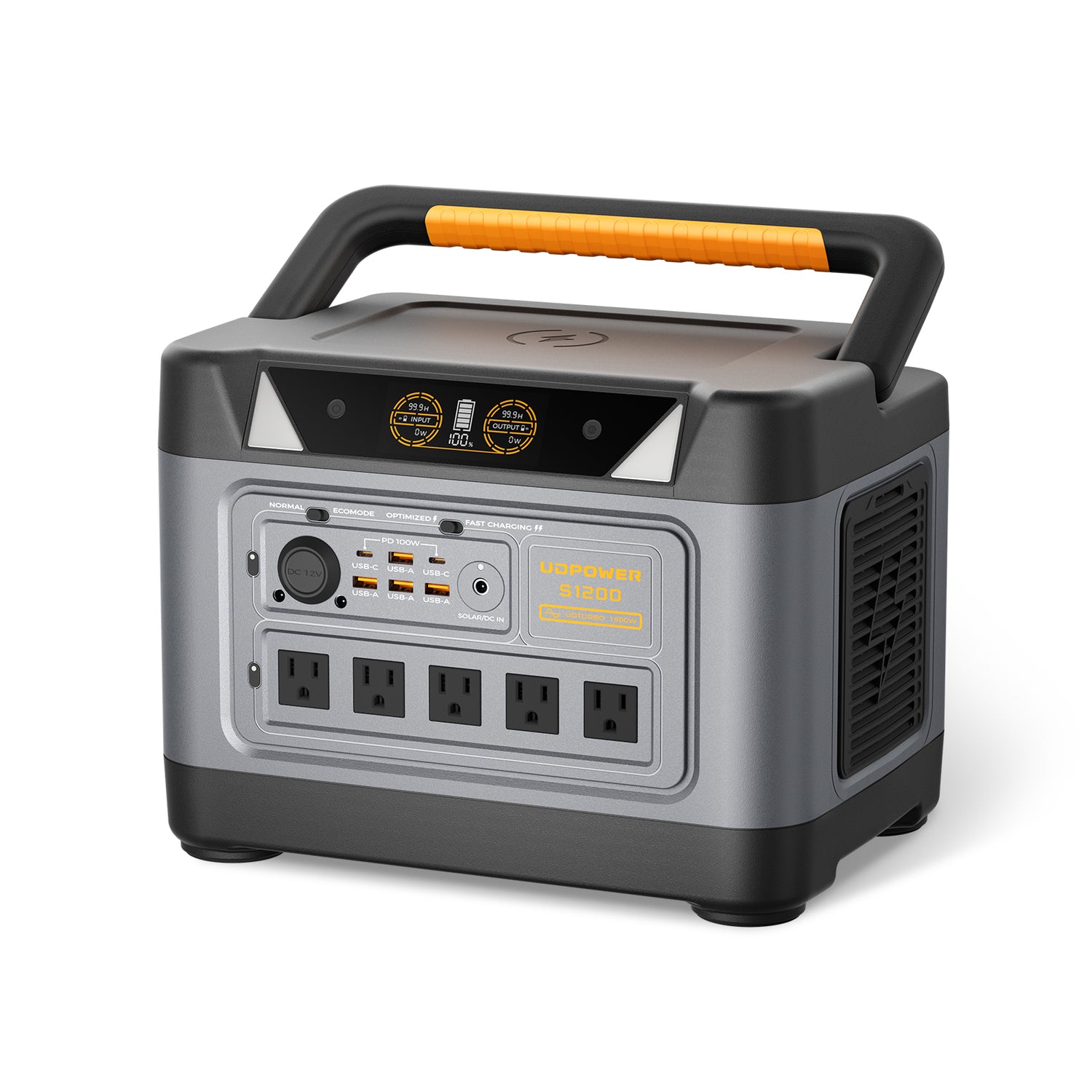
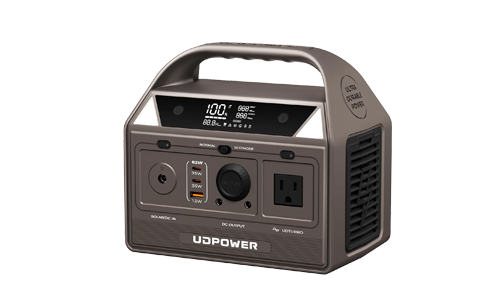
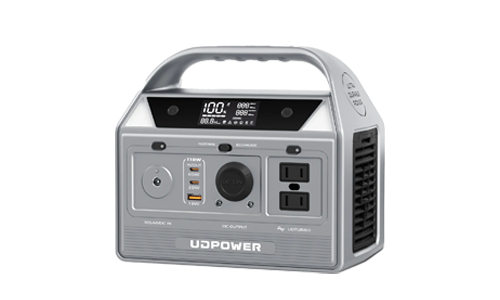
1. UDPOWER S1200 — the better everyday Florida RV pick for most people
If your RV life is mostly about staying comfortable, staying connected, and having a dependable backup for storms and campground interruptions, the S1200 is the more balanced choice for a lot of Florida users.
This is the kind of size that makes sense for phones, routers, laptops, lights, fans, CPAP use, and practical outage backup without pushing you into a much heavier class than you really need.
View the UDPOWER S1200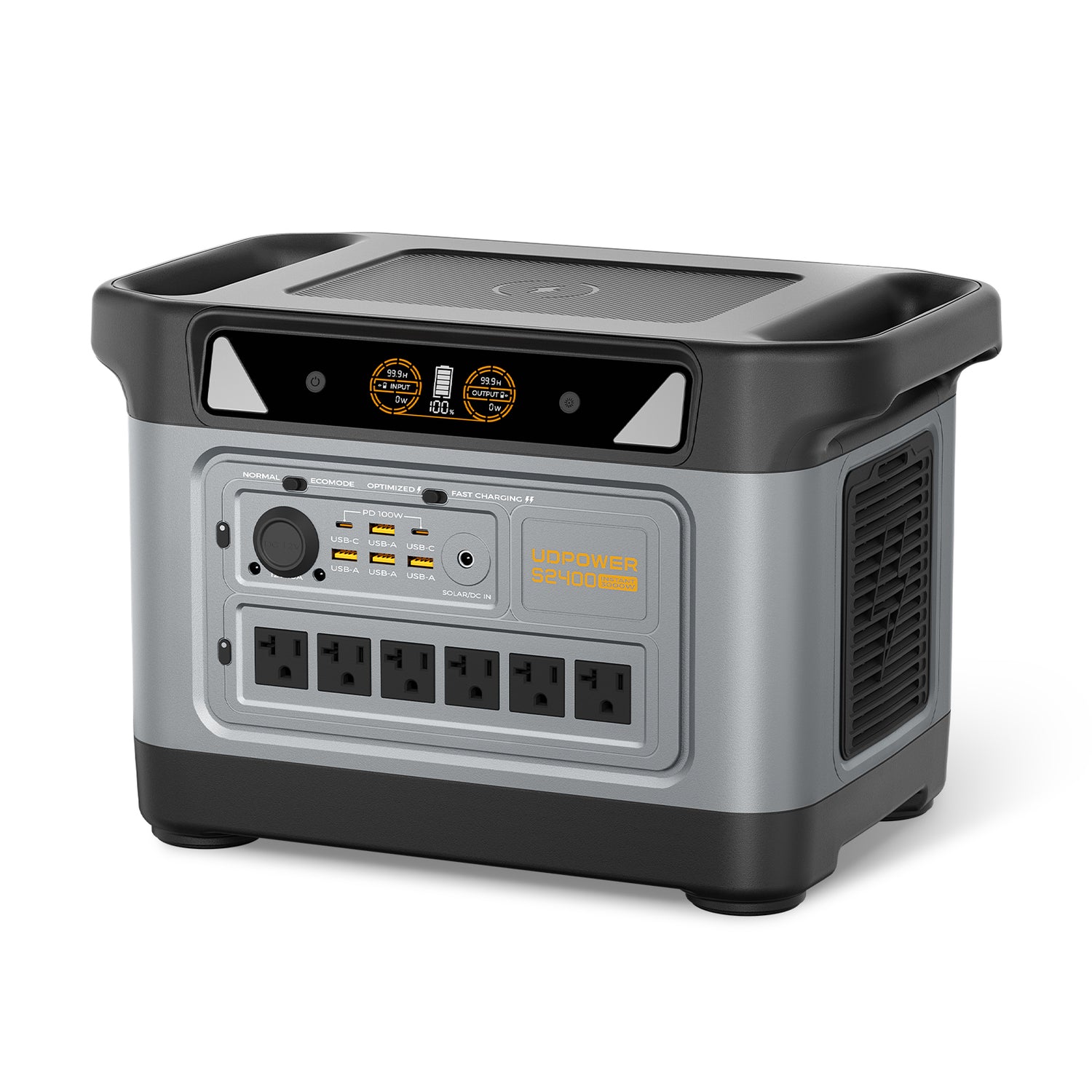
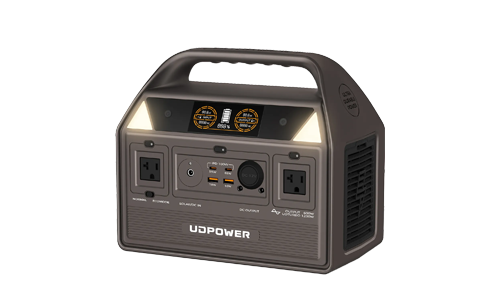
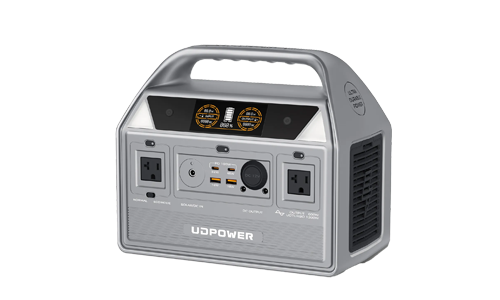
2. UDPOWER S2400 — the better choice for heavier Florida use and more serious outage planning
If your Florida RV life includes bigger appliance use, longer outages, stronger fridge backup expectations, or simply wanting more headroom, the S2400 is the more comfortable step up.
This is the smarter choice when you want your RV battery setup to feel less like a gadget and more like a real piece of your Florida resilience plan.
View the UDPOWER S2400| If your Florida RV life looks like... | Better fit | Why |
|---|---|---|
| Weekend travel, low-noise camping, fans, phones, internet, laptops, light backup | S1200 | More portable and easier to live with day-to-day |
| Storm prep, fridge backup, more appliance freedom, more runtime margin | S2400 | More battery and output headroom, better for comfort under stress |
| You work remotely and want a quiet backup that can cover the basics without overbuying | S1200 | Strong balance of size, runtime, and portability |
| You want one unit that feels useful both in the RV and later as home outage backup | S2400 | Closer to a serious backup tier |
Mistakes that make Florida RV life miserable
- Booking like a tourist instead of a seasonal local. In desirable winter areas, good sites can disappear far earlier than beginners think.
- Underestimating humidity. Heat is obvious. Moisture is sneakier. Florida punishes ignored seals, damp fabric, poor airflow, and packed storage.
- Choosing only by nightly rate. A cheap move-every-two-weeks plan can be more exhausting than a slightly pricier long-stay plan.
- Ignoring storm logistics. Know your route, know your battery plan, know your charging options, and know where you would go if a storm line shifts.
- Assuming your own land equals easy legal living. County and city rules matter.
- Buying the wrong power station for your real pattern. Florida RV life often rewards a quiet, reliable essentials setup more than a spec-sheet monster you rarely use well.
- Failing to test your setup before you need it. Run your router, fans, CPAP, chargers, and must-have devices at home before your first storm week or first off-grid stop.
A practical first-year Florida RV plan
If you want the simplest path, use this model:
- Pick one stable first base for 3–4 weeks so you can learn your storage, laundry, weather, cooking, and power habits.
- Add a short public campground stay after that to see how you like moving more often.
- Track your real power needs instead of guessing. Write down what you actually use in a normal day.
- Build a storm-ready essentials kit that covers communication, lights, device charging, and any medical gear.
- Decide whether you are really a mover or a baser. Most people discover they are much more one than the other.
That one decision changes everything, from budget to park choice to battery size.
FAQ
Is Florida one of the best states for full-time RV living?
For many people, yes. It is especially strong if you value warm winters, active RV communities, and a mix of public and private camping options. The tradeoff is that desirable winter locations book fast and summer requires more heat, storm, and moisture management.
Can you live in an RV year-round in Florida?
You can, but the easiest year-round path is usually through RV parks, resorts, and campgrounds that are set up for that lifestyle. If you want to use land you own, always verify local zoning first.
Are Florida state parks good for full-time RV living?
They are great for travel and rotation, but they are not a true full-time base. Stay limits make them better for short stretches than for permanent setup.
Is Florida expensive for RV living?
It depends heavily on your style. Public campgrounds can still be very reasonable, but premium winter stays and longer stays in high-demand coastal areas can get expensive fast.
Do you need backup power for RV living in Florida?
You can live without it, but many Florida RVers are happier with it. Backup power is especially useful for storms, device charging, internet gear, CPAP use, and short outages in hot or humid weather.
Which UDPOWER model makes more sense for Florida RV life?
The S1200 is the better everyday fit for many RVers who want portable, quiet, practical backup. The S2400 is the stronger choice if you want more runtime, more appliance headroom, and a more serious outage plan.
Can I rely on solar in Florida for RV battery charging?
Florida sun can absolutely help, but only if your panel setup stays within your power station’s allowed solar input voltage and current limits. More watts is not automatically better if the voltage match is wrong.
What is the hardest part of Florida RV living for beginners?
Usually one of three things: booking pressure in winter, humidity management in warm months, or underestimating how important a simple, quiet power plan becomes in real life.
Sources
- Florida State Parks — Reservation Information
- Florida Statutes Section 258.014 — state park reservation windows
- Florida State Parks — Fees
- Wekiwa Springs State Park — Hours & Fees
- Henderson Beach State Park — Hours & Fees
- Pinellas County — Camping Information
- Jacksonville.gov — Kathryn Abbey Hanna Park
- Miami-Dade County — Larry and Penny Thompson Memorial Park and Campground
- Brevard County — Manatee Hammock Park and Campground
- FLHSMV — Motor Vehicle Registrations
- FLHSMV — Florida Insurance Requirements
- NOAA National Hurricane Center
- Florida Department of Health — Preventing Mosquito and Tick Bites
- U.S. EIA — Average Electricity Prices by State
- UDPOWER S1200 product page
- UDPOWER S2400 product page
- UDPOWER Runtime Calculator
- UDPOWER — Portable Power Station Runtime Planning for Outages
- UDPOWER — How to Keep Wi-Fi Running During a Power Outage
- UDPOWER — Solar Recharging During a Power Outage
- UDPOWER — CPAP Battery Backup During a Power Outage
- UDPOWER — Portable Power Station vs Generator for Power Outages
Related Articles


