What to Buy Before a Winter Storm (So You’re Not Stuck With Just Milk and Bread)
A winter storm shopping list that’s built around real failure points—power, water, heat, and mobility. Get a clear 24–72 hour checklist for water, no-cook meals, safe lighting, vehicle essentials, and a realistic backup-power plan to keep phones and Wi-Fi running if the grid goes down.
Winter storm prep • Shopping list that still works if the power goes out

The 20-minute “one trip” list (most important buys)
If you only have time (or shelf space) for one fast run, don’t shop by habits (“snow = French toast”). Shop by outcomes: hydration, no-cook calories, warmth, safe light, and reliable information.

Grab these first
- Water: bottled water and/or filled jugs (enough for drinking + basic hygiene)
- No-cook meals: ready-to-eat items + a manual can opener
- Light: flashlights + batteries (headlamps are even better)
- Alerts: battery or hand-crank weather radio
- Warmth: extra blankets, hand warmers, thermal layers
- Food safety: ice + a cooler (and a fridge thermometer if you can find one)
- Health: key meds + simple first-aid refills
- Cash: small bills
Then add “storm multipliers”
- Charge plan: power bank(s), car charger, and a way to power a router/modem if needed
- Heat-smart snacks: high-calorie shelf-stable foods you’ll actually eat
- Sanitation: wipes, trash bags, paper goods
- Traction + tools: ice melt, shovel, scraper, batteries for key devices
- If you have pets: extra food + water + a litter/cleanup plan
Your fridge/freezer is “free storage” only while it stays cold. If your area loses power, plan to protect food by keeping doors closed, using a cooler with ice when needed, and avoiding unnecessary opening.
Buy by failure mode (the way people actually get stuck)
Most “winter storm lists” are just long inventories. The problem is storms don’t fail your life in one way. They fail it in a few predictable ways—so your shopping should match that.

| Failure mode | What it looks like at home | Buy (the fix) | What to skip | Source |
|---|---|---|---|---|
| Power outage | Heat drops, lights off, fridge warming, phone dying | Flashlights/headlamps, batteries, radio, no-cook food, cooler + ice, safe indoor backup power for essentials | Candles as your main light (fire risk), “random gadgets” you’ve never tested | Ready.gov |
| Water disruption | Well pump off, boil advisory, burst pipes, low pressure | Stored water, hygiene supplies, simple containers, wipes | Only relying on the sink | Red Cross |
| Heat risk | Indoor temps fall, one room becomes “sleep zone” | Blankets, sleeping bags, thermal layers, hand warmers | Indoor combustion for heat (CO risk) | CDC |
| Mobility loss | Roads slick, deliveries delayed, shelves empty | Extra pantry items, meds, pet food, a vehicle kit | Planning to “run out tomorrow” | NWS |
| Information gap | Phones die, internet flaky, confusion about warnings | Weather radio, power for modem/router, printed contacts | Only relying on social media | NWS |
Instead of trying to keep the whole home comfortable, plan one room where you’ll spend the night: blankets/sleeping bags, phone charging, light, water, snacks, and a small first-aid pouch live together in one bin.
Water + food that doesn’t need cooking
Storm shopping fails when everything you buy requires a working stove, microwave, or a fridge that stays cold. Build the list so it still works if the power is out.
Water baseline (simple, not perfect)
A practical starting point is planning for at least one gallon per person per day (drinking + basic sanitation). If you have babies, pets, medical needs, or you’re in a colder home, increase your buffer.

| Household size | 72-hour minimum water | Easy way to buy/store | Notes | Source |
|---|---|---|---|---|
| 1 adult | 3 gallons | 1 case + 1 extra gallon jug | Don’t forget pets and hygiene | Red Cross |
| 2 adults | 6 gallons | 2 cases or 1 case + multiple jugs | Add more if you rely on an electric well pump | Red Cross |
| 2 adults + 2 kids | 12 gallons | Mix cases + stackable jugs | Kids burn through snacks + water faster than you think | Red Cross |
| Add pets | +1 gallon per medium dog (3 days) | Extra jugs + collapsible bowls | Dry kibble needs extra water | Red Cross |
Food list that survives “no power”

| Category | What to buy | Why it works in a storm | How much (72 hours) | Source |
|---|---|---|---|---|
| Ready-to-eat meals | canned soups (eat cold if needed), canned beans, tuna/salmon packets, ready rice cups (optional) | No cooking required; flexible | 2–3 meals/person/day | FEMA |
| High-calorie snacks | nuts, trail mix, jerky, peanut butter, granola bars | Calories = warmth + energy for shoveling | 6–10 snacks/person | NWS |
| Shelf-stable carbs | crackers, tortillas, oatmeal packets, instant noodles (optional) | Easy to portion and share | 1–2 boxes/bags total | Red Cross |
| If you lose fridge power | cooler + ice, zip bags, a simple fridge thermometer | Prevents food waste; keeps “must-save” items cold | 1 cooler + 1–2 bags ice | FoodSafety.gov |
| Make it edible | manual can opener, paper plates, utensils | Small tools keep food usable | 1 opener + basics | Red Cross |
Don’t let 80% of your “storm food” depend on refrigeration. If you buy milk/eggs/bread, fine—just don’t make that the plan. Make sure you also have three days of shelf-stable food that can be eaten without cooking.
Warmth without risky heat
The safest “cold night” strategy is usually layer + insulate + concentrate: warm clothing, lots of bedding, and one room where everyone sleeps. If you use any combustion device, carbon monoxide safety is non-negotiable.
| Buy | Why it matters | Tips that actually help | Priority | Source |
|---|---|---|---|---|
| Blankets / sleeping bags | Immediate warmth without power | Make a “sleep zone” and close doors | High | NWS |
| Thermal layers (base layer, socks, beanies) | Warmth stays on your body | Change into dry layers before bed | High | CDC |
| Hand warmers | Useful for kids, seniors, and quick relief | Keep a few in your vehicle kit too | Medium | NWS |
| CO alarms (battery or battery-backup) | Prevents silent CO poisoning during outages | Place on each level + outside sleeping areas | Critical | CPSC |
Never run a generator, grill, or camp stove inside your home, basement, or garage—keep generators outside and away from doors/windows, and use CO alarms.

Lights, alerts, phone power, and internet
Storm stress drops fast when you can see, charge a phone, and get reliable updates. The trick is buying gear that runs on common batteries, and keeping it organized so you can find it in the dark.
Lighting
- Headlamp + flashlight
- Extra batteries
- Small lantern (optional)
Information
- Battery/hand-crank weather radio
- Printed emergency contacts
- Local outage numbers saved offline
Charging
- Power banks + cables
- Car charger
- Plan to power modem/router (if needed)

| Device | Buy / prep | Common mistake | Better move | Source |
|---|---|---|---|---|
| Phone | Power bank + cables + car charger | Letting the phone die while doom-scrolling | Low power mode + limit apps + top-up early | Ready.gov |
| Weather/alerts | Battery/hand-crank radio | Relying on internet-only updates | Keep radio where you sleep | Red Cross |
| Wi-Fi | Power modem/ONT + router together | Powering only the router (internet still down) | Backup the whole chain; have a hotspot fallback | UDPOWER guide |
Health, meds, and first aid
The most important “storm purchase” is often the boring one: making sure you have the essentials before roads get bad. If your family uses any critical medical device, plan power and charging before the weather arrives.
| Category | Buy | How much | Notes | Source |
|---|---|---|---|---|
| Prescription meds | Refill early if possible | At least a few extra days | Keep a list of meds + dosages in your “warm room” kit | FEMA |
| First aid basics | Bandages, antiseptic, gauze, pain relief | Top-up what you already use | Add blister care if you shovel | Red Cross |
| Food safety thermometer | Fridge thermometer | 1 | Helps you decide what to keep vs toss after an outage | FoodSafety.gov |
| Medical device power | Backup power sized to your device + recharge plan | Depends on watts and hours | Use watt-hour math and test once before the storm | UDPOWER guide |
Babies + pets
These are the two groups that turn a “minor outage” into a real problem fast—mostly because routine breaks. Stock the items that preserve routine (feeding, cleanup, warmth).
| Who | Buy | Storm-proof reason | How much (72 hours) | Source |
|---|---|---|---|---|
| Babies | formula/baby food, diapers, wipes, diaper rash cream | Prevents “urgent store run” when roads are dangerous | Extra week buffer if you can | Red Cross |
| Dogs/cats | pet food, bottled water, meds, litter/cleanup bags | Pet stores close too; water needs rise with dry food | 3–7 days if possible | Red Cross |
| Everyone | simple treats + comfort items | Small comforts reduce stress and make nights easier | Enough for a few days | NWS |
Vehicle + “if you get stranded” kit
Even if you plan to stay home, conditions can change. The safest move is to assume you might end up waiting in a car for help or for roads to clear.

| Buy | Why it matters | Where to keep it | Extra tip | Source |
|---|---|---|---|---|
| Blankets/sleeping bags | Warmth if stuck | Trunk | Add spare gloves and socks | NWS |
| Flashlight + batteries | Visibility and signaling | Glove box | Headlamp keeps hands free | NWS |
| Shovel + traction aid (sand/cat litter) | Get unstuck safely | Trunk | Don’t spin tires; clear first | NWS |
| Food + water | Prevents “panic driving” | Trunk | Rotate snacks seasonally | FEMA |
Backup power (quiet indoor plan + safe outdoor plan)
If storms in your area regularly cause outages, backup power is one of the highest-impact upgrades you can make. The key is matching your plan to what you’re actually trying to protect: food safety, communication, medical needs, and a small amount of comfort.

Quiet indoor essentials plan
- Power phones, lights, a router/modem, and small medical devices
- Run a fridge in short “burst” windows if needed (instead of 24/7)
- Recharge by wall power when available, or by solar if you have it
If you want to estimate runtime in minutes, this guide walks through watts → watt-hours with real-world efficiency factors.
Safe outdoor generator plan (when needed)
- Use a generator outdoors only, away from doors/windows
- Use heavy-duty, outdoor-rated extension cords
- Install CO alarms and test them
Carbon monoxide is the risk that hurts people during outages—plan for it, not around it.
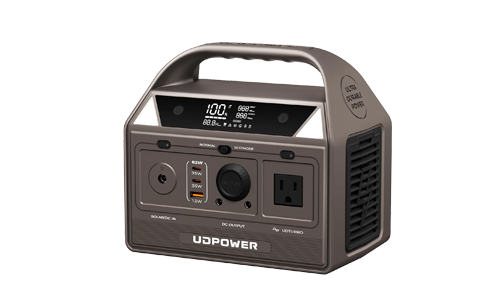
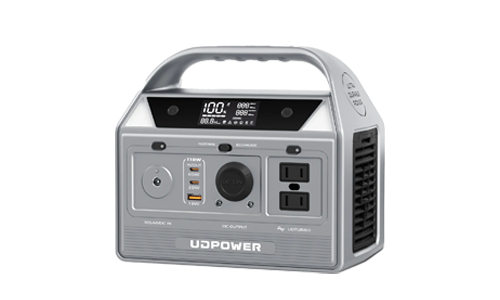
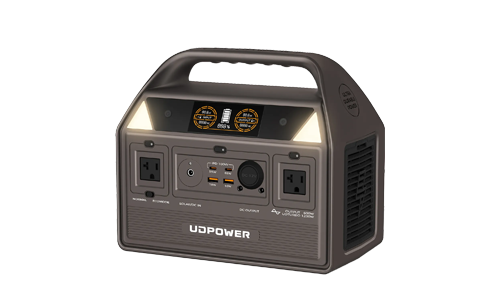
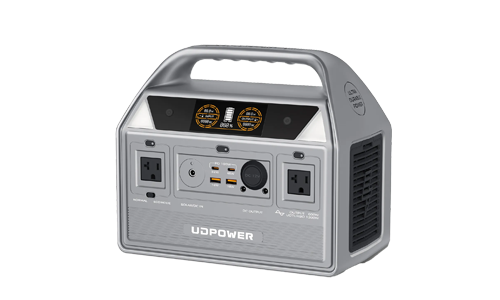
UDPOWER quick sizing (two common starting points)
Below are two popular “essentials-first” options. The goal isn’t powering everything—it’s keeping the right things running long enough to stay safe and comfortable.
| Model | Picture | Battery capacity | AC output | Surge support | Solar input | UPS switchover | Weight | Good fit for |
|---|---|---|---|---|---|---|---|---|
| UDPOWER S1200 |  |
1191Wh | 1200W (pure sine wave) | 1800W max | 12–75V, 12A, 400W max | ≤10ms | ~26.0 lbs | Phones + lights + router/modem + small appliances; essentials-first backup |
| UDPOWER S2400 |  |
2083Wh | 2400W (pure sine wave) | Up to 3000W (UDTURBO) | 12–50V, 10A max; up to 400W | ≤10ms | 40.8 lbs | More headroom for multi-device plans; longer runtimes; higher-watt appliances within limits |
- Run what changes outcomes first: heat risk, food safety, medical, communication.
- Plan for cycling loads: fridges don’t draw the same watts nonstop; use real-world runtime math.
For a step-by-step planning worksheet (24/48/72 hours), use the outage runtime planning guide: Portable Power Station Runtime Planning for Outages.
Mini load planner (fill this out once, then reuse it)
| Load | Watts (label or watt meter) | Hours/day | Daily Wh (watts × hours) | Priority | Notes |
|---|---|---|---|---|---|
| Phone charging | — | — | — | Tier 1 | Top up early; keep cables together |
| Modem + router | — | — | — | Tier 1 | Back up the whole chain (modem/ONT + router) |
| Lights | — | — | — | Tier 1 | LEDs are low draw; prioritize safety lighting |
| Refrigerator (burst running) | — | — | — | Tier 2 | Run in windows; keep doors closed; use thermometer |
| Medical device | — | — | — | Critical | Test once before storm week |
24-hour countdown checklist (what to buy + what to do)
A winter storm “buy list” works best when it’s paired with simple actions. This is the high-impact version—no fluff.
| Time | Buy | Do | Why it matters |
|---|---|---|---|
| 24 hours out | Water + shelf-stable food + batteries | Top up phones/power banks; fill your car tank | Prevents last-minute shortages |
| 12 hours out | Ice + cooler + hygiene basics | Set fridge/freezer colder; group frozen items together | Protects food if power drops |
| 6 hours out | Any missing meds/pet supplies | Bring flashlights/radio into your “warm room” | So you’re not hunting gear in the dark |
| Right before | Nothing—stay off icy roads | Lay out warm layers; set emergency contacts offline | Reduces risk and stress |
FAQ
How many days of supplies should I buy?
A practical minimum is 72 hours of water and shelf-stable food. If your area regularly sees longer outages, add buffer for meds, pet food, and a recharge plan for phones and essentials.
What are the most common “regret items” people forget?
Manual can opener, extra batteries, a weather radio, trash bags/wipes, and a simple cooler-and-ice plan for food safety.
Do I really need a weather radio?
If cell service or internet gets unreliable, a radio is a calm, low-power way to keep up with warnings and updates.
Can I run a generator in my garage with the door open?
No. Generator exhaust can build up and become deadly even with doors/windows open. Keep generators outdoors and use CO alarms.
What should I do about food if power goes out?
Keep refrigerator/freezer doors closed as much as possible. If the outage extends, use a cooler with ice for the most perishable items, and rely more on shelf-stable foods. This guide explains what stays safe and for how long: Food Safety During a Power Outage.
Is it better to buy more perishables or more pantry food?
Buy some comfort foods you’ll use, but make sure the backbone of your plan is shelf-stable, no-cook food. That’s what still works if the power goes out.
What if I live in an apartment?
Focus on water, no-cook food, lighting, a radio, and a quiet indoor backup power plan for phones and internet. Avoid anything that creates fumes indoors.
How do I keep Wi-Fi running during an outage?
You need to power the entire chain: modem/ONT + router. This guide shows the setup and a quick checklist: Keep Wi-Fi Running During a Power Outage.
How do I estimate how long a battery backup will last?
Use watt-hours: add up the watts you’ll run, then estimate runtime using real-world efficiency. Start here: Watts → Watt-hours Runtime Basics.
What’s one small thing that makes storms easier?
Put your essentials in one place now (light, radio, chargers, water, snacks, meds). When the lights go out, organization is comfort.
Continue reading (UDPOWER storm + outage guides)
If your winter storm risk includes outages, these guides go deeper on the parts that matter most.
- Power Outage Checklist (24/48/72 Hours)
- Power Priorities: What to Run First (Fridge, Medical, Wi-Fi)
- Best Refrigerator Power Backup Options
- Food Safety During a Power Outage (Fridge/Freezer Rules)
- Emergency Water for a 3-Day Outage (How Much to Store)
- Solar Charging During an Outage: Input Voltage Safety
- Solar Recharging During a Power Outage (Realistic Output)
- CPAP Battery Backup for Power Outages
- Portable Power Station vs Generator for Power Outages
- Portable Power Station Runtime Planning for Outages
Related Articles