

Food Safety During a Power Outage: What to Keep, What to Toss, and How to Protect Fridge and Freezer Food
Lifestyle · Updated April 24, 2026
When the power goes out, food safety is mostly a timing and temperature problem. The goal is not to save everything. The goal is to save the right items, keep risky food cold enough, and avoid getting sick later because you gambled on leftovers.

Quick answer
If your refrigerator has been without power for more than 4 hours, you should usually throw out meat, poultry, seafood, eggs, leftovers, milk, yogurt, and soft cheese unless you kept them safely cold with ice, a cooler, or backup power. A full freezer usually holds a safe temperature for about 48 hours, and a half-full freezer for about 24 hours, if the door stays closed. Frozen food that still has ice crystals is often safe to refreeze, though the quality may drop.
| Situation | Simple rule | What that means in real life |
|---|---|---|
| Unopened refrigerator | About 4 hours | After that, do not trust perishable food unless you actively kept it cold. |
| Unopened full freezer | About 48 hours | If food still has ice crystals, it is often safe to refreeze. |
| Unopened half-full freezer | About 24 hours | Half-empty freezers warm faster, so you need to check sooner. |
| Refrigerated perishables | When in doubt, toss | Especially meat, seafood, eggs, leftovers, milk, yogurt, and soft dairy. |
Source: FoodSafety.gov power outage food safety chart and CDC emergency food safety guidance.
What to do first when the power goes out
The first 10 minutes matter more than most people think. A lot of food loss happens because people start opening doors, moving items randomly, or trying to cook everything at once. Start here instead.
- Keep the fridge and freezer doors closed. Every extra opening dumps cold air.
- Check whether the outage looks short or long. If your area is facing a storm, downed lines, or a utility estimate longer than a few hours, switch into food-saving mode early.
- Grab a cooler now, not later. If you have one, clean it and get ice or frozen gel packs ready.
- Use a refrigerator/freezer thermometer if you have one. This turns guessing into a real decision.
- Move only the highest-risk items first. Raw meat, seafood, milk, yogurt, eggs, leftovers, and cut produce should get priority.
Before an outage, the FDA recommends appliance thermometers, frozen water containers, ice packs, and coolers on hand so you can react faster if power stays out. See: FDA food and water safety during power outages and floods.
Food safety timeline: 0 to 48+ hours
This is the easiest way to think about an outage: not as one long event, but as a series of windows. What you should do at hour 2 is different from what you should do at hour 18.
| Time without power | What to do | What not to do |
|---|---|---|
| 0–4 hours | Keep doors shut. Get a cooler ready. Freeze extra water containers if power is flickering on and off. | Do not keep checking the fridge. Do not start moving everything unless you have a real cold-storage plan. |
| 4–12 hours | Assume the refrigerator is entering the danger zone for perishables. Move the most fragile food to a cooler with ice or start using backup power. | Do not trust smell alone. Food can be unsafe before it smells bad. |
| 12–24 hours | Prioritize survival foods from pantry and freezer. Re-check cooler temperature and ice level. Limit door openings even more. | Do not keep leftovers, egg dishes, or soft dairy just because they still “look fine.” |
| 24–48 hours | Most refrigerated perishables should already be considered lost unless you actively kept them cold. Focus on whether frozen food still has ice crystals. | Do not refreeze fully thawed items that became warm in the refrigerator or on the counter. |
| 48+ hours | Audit the freezer carefully. Save what stayed frozen. Toss what thawed and warmed. Clean and sanitize before restocking. | Do not mix new groceries with questionable food after power returns. |
Timing baseline from FoodSafety.gov and CDC.
Fridge food: keep or toss
Here is the simple rule: refrigerated perishables are where people make the most expensive and riskiest mistakes. Drinks and condiments are rarely the problem. Raw protein, dairy, eggs, leftovers, and cut produce are the problem.
| Food category | Usually toss first | Often lower risk or more forgiving | Practical note |
|---|---|---|---|
| Raw meat and poultry | Chicken, beef, pork, turkey, marinated meat | Cured shelf-stable items only if label says they are safe that way | High priority for cooler space. Do not taste-test. |
| Seafood | Raw fish, shrimp, shellfish, cooked seafood leftovers | None worth gambling on if warm | Seafood becomes risky fast and should be treated conservatively. |
| Milk and dairy | Milk, cream, yogurt, cottage cheese, sour cream, soft cheese | Hard cheese, butter, some aged cheeses | Soft dairy belongs near the top of your toss list. |
| Eggs and egg dishes | Loose eggs, quiche, custard, egg salad | None worth keeping if temperature control is questionable | Egg-based dishes are a common outage mistake. |
| Leftovers and meal prep | Cooked rice, pasta, casseroles, soups, takeout, meal prep containers | None | These are some of the least forgiving foods after an outage. |
| Produce | Cut fruit, cut vegetables, bagged salad kits | Whole apples, oranges, carrots, cabbage, uncut produce | The word that matters is cut. |
| Condiments | Mayonnaise-based salads, creamy dressings | Mustard, ketchup, jam, pickles, acidic sauces | Check labels, but these are rarely the first things you lose. |
| Beverages | None in most cases | Juice, soda, bottled drinks | Keep them out of your main food cooler if possible so you do not waste cold air. |
For the official refrigerator-specific save-or-throw chart, use FoodSafety.gov’s outage chart.
Freezer food: what can usually be refrozen
The freezer is different from the refrigerator. Frozen food can often be saved even after an outage, but the key detail is whether it stayed frozen enough. If there are still ice crystals, that is usually a good sign. Quality may drop, but safety is often still okay.
| Freezer situation | Usually okay to refreeze | Usually discard | Why |
|---|---|---|---|
| Food still solidly frozen | Yes | No | It never really left freezer-safe conditions. |
| Food is thawing but still has ice crystals | Usually yes | No | FoodSafety.gov says food may be safely refrozen if it still contains ice crystals. |
| Fruit and bread products softened but still cold | Often yes | Sometimes, depending on condition | Quality may suffer before safety does. |
| Ice cream, frozen desserts | Rarely worth refreezing | Usually discard if thawed | Texture breaks badly and full thawing is a warning sign. |
| Raw meat or seafood fully thawed and warm | No | Yes | Once fully thawed and not kept cold, the risk rises fast. |
| Prepared frozen meals fully thawed | No | Usually yes | Mixed ingredients and prior cooking make these less forgiving. |
If you only have one cooler, what should move first
This is where many outage articles stay too generic. In real life, most households do not have unlimited cooler space. If you can only save part of your fridge, save the food that creates the most safety risk and the most replacement cost.
| Priority | Move to cooler first | Why it gets priority |
|---|---|---|
| 1 | Raw meat, poultry, seafood | Highest safety risk and expensive to replace. |
| 2 | Milk, yogurt, soft cheese, cream | These turn questionable fast once the fridge warms. |
| 3 | Eggs and egg-based dishes | Easy to overlook, but not forgiving. |
| 4 | Leftovers and meal prep | Cooked mixed foods become risky quickly and are common food-poisoning regrets. |
| 5 | Cut fruit, cut vegetables, salad kits | They are more perishable than whole produce. |
| 6 | Everything else | Condiments, drinks, butter, and hard cheese usually do not deserve the first cooler space. |
One simple trick that works: keep drinks in a separate cooler. That way people are not opening the food cooler every 20 minutes just to grab water or soda.
Common mistakes that waste food or create risk
- Opening the refrigerator “just to check.” That one habit shortens your safe window more than most people realize.
- Trying to smell-test leftovers. Unsafe food does not always smell wrong.
- Using cooler space for low-risk items. Do not let soda, condiments, and bottled drinks crowd out raw meat and dairy.
- Forgetting the freezer can save you. The freezer usually holds cold much longer than the refrigerator if you keep it shut.
- Putting food outside because it is cold outdoors. Outdoor temperatures swing, sun exposure changes quickly, and pests or contamination make this unreliable.
- Refreezing everything automatically. Ice crystals are a good sign. Fully thawed, warm food is not.
Using backup power to save food
If you have a portable power station, the smartest approach is not always “run everything non-stop.” For many homes, the more efficient strategy is to protect the refrigerator, keep doors shut, and use your battery for the loads that matter most first.
A practical outage plan
- Keep the fridge closed as much as possible.
- Run only the loads you actually need: refrigerator, freezer, CPAP, router, phone charging, or a few lights.
- Avoid wasting stored energy on non-essentials while you are still deciding what food can be saved.
- Use a runtime guide before an outage so you know what your battery can realistically handle.
Helpful next read: Portable Power Station Runtime Planning for Outages.
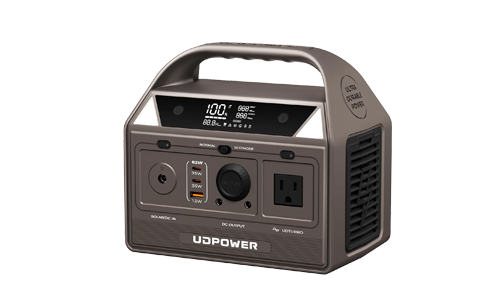
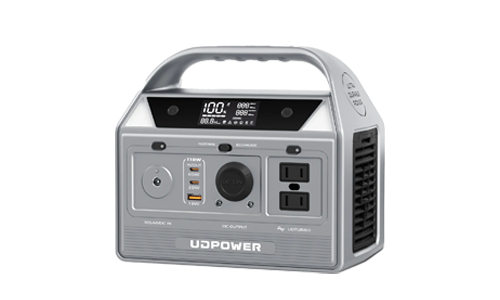
Recommended UDPOWER options for outage food protection
This article is about food safety first, but a good backup setup can reduce how much food you lose. Below are two sensible fit options based on the official UDPOWER product pages.
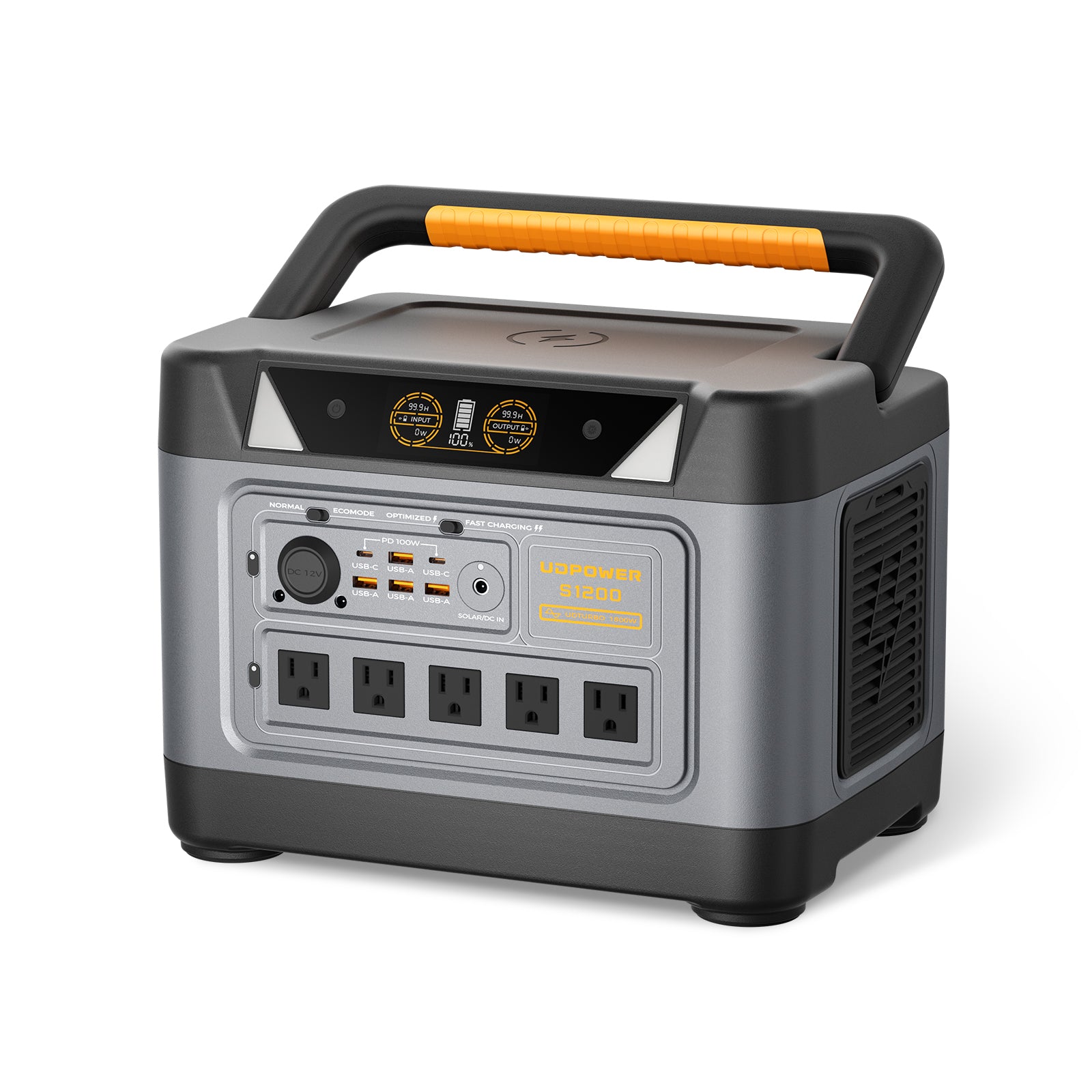
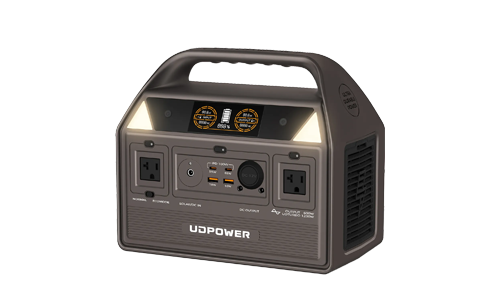
UDPOWER S1200
Best for shorter outages, apartment or small-home backup, and households trying to keep a refrigerator cold while also covering basics like phones, Wi-Fi, and a few small devices.
Why it fits this topic: if your plan is to protect food during a short-to-medium outage, the S1200 gives you enough headroom for the fridge-first approach without stepping up to a much larger unit.
Official page: UDPOWER S1200
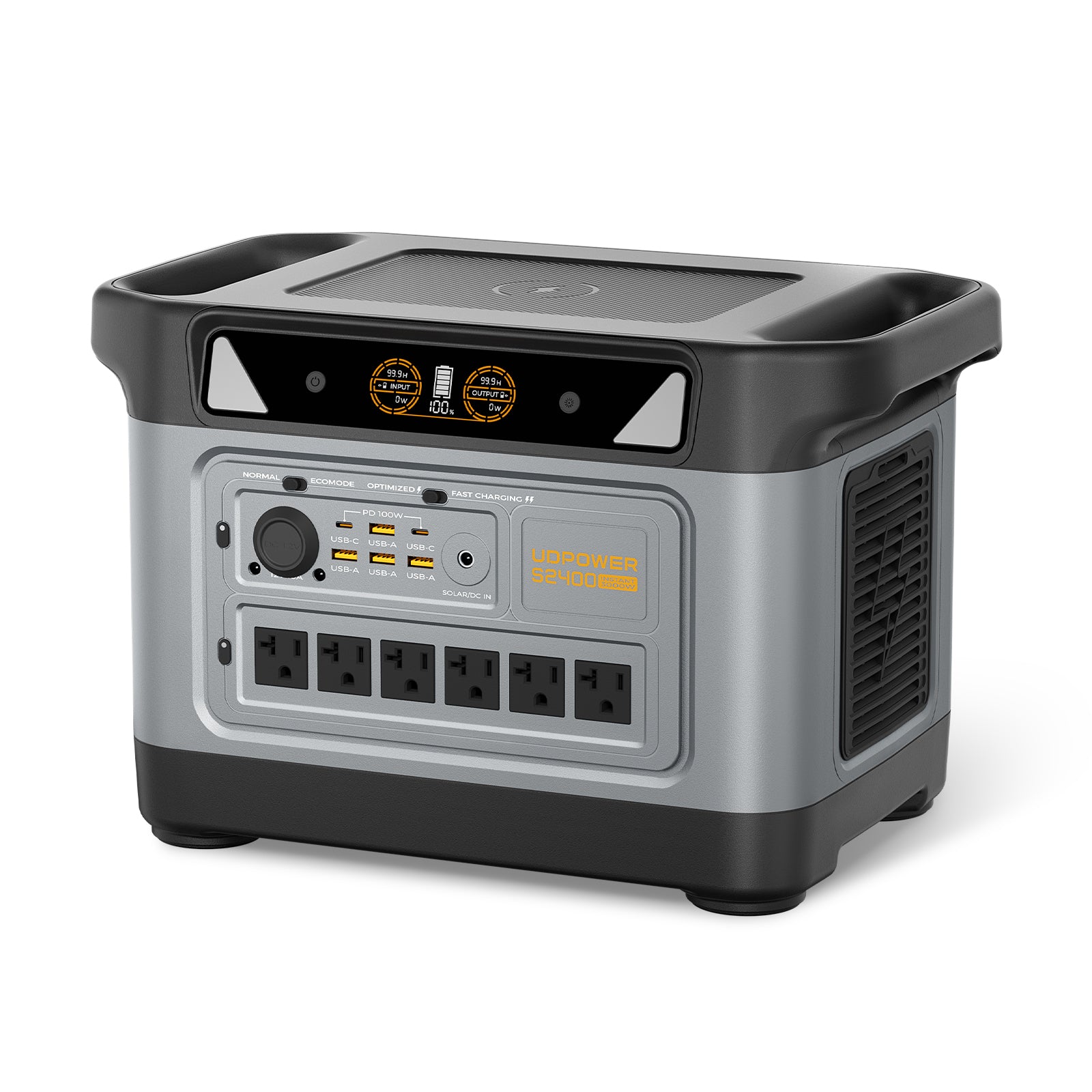
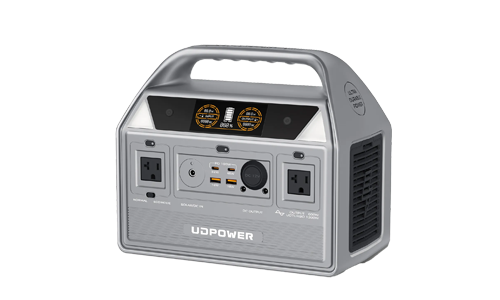
UDPOWER S2400
Best for longer outages, larger refrigerators, or households that want more breathing room for a fridge plus freezer, microwave use, coffee maker, CPAP, or router during extended outages.
Why it fits this topic: the S2400 is the better choice when food loss would be expensive and you want more margin for real-life outage use, not just the bare minimum.
Official page: UDPOWER S2400
| Model | Official capacity | Official AC output | Who it makes the most sense for |
|---|---|---|---|
| S1200 | 1190Wh | 1200W pure sine wave | Shorter outages, smaller setups, fridge plus light essentials |
| S2400 | 2083Wh | 2400W pure sine wave | Longer outages, larger food loads, more power headroom |
After power returns: how to restart safely
- Check the refrigerator and freezer temperature before restocking.
- Throw out anything you already decided was questionable. Do not give it a second chance because the lights came back on.
- Wipe spills right away, especially meat juices and dairy leaks.
- Sanitize cooler interiors, shelves, and bins if they held thawed food or melted ice water.
- Restock smart: pantry items first, refrigerated perishables last.
Cleaning and post-outage safety guidance: CDC.
FAQ
How long does food stay safe in the fridge during a power outage?
About 4 hours if the refrigerator door stays closed. After that, refrigerated perishables should be treated very cautiously unless you kept them cold another way.
How long does food stay safe in the freezer during a power outage?
A full freezer usually holds a safe temperature for about 48 hours, and a half-full freezer for about 24 hours, if the door stays closed.
Can I refreeze thawed food?
Often yes if it still has ice crystals or stayed cold enough. If it fully thawed and became warm, do not assume it is safe.
What foods should I throw out first?
Start with raw meat, poultry, seafood, milk, yogurt, eggs, leftovers, and soft cheese. These are the foods most likely to become unsafe first.
Is it okay to smell food to decide if it is safe?
No. Smell can tell you quality is bad, but it cannot reliably tell you food is safe.
Should I put food outside if it is cold outdoors?
That is not a dependable plan. Outdoor temperatures shift, sunlight changes surface temperatures fast, and contamination risk is harder to control.
Do condiments need to be thrown out after an outage?
Many condiments are more forgiving than meat or dairy, especially acidic or sugary ones, but mayonnaise-based items and creamy dressings deserve more caution.
Is a cooler enough to save my food?
It can be, but only if you keep it cold enough with enough ice or frozen packs and avoid opening it constantly.
Can a portable power station help prevent food loss?
Yes. A properly sized power station can keep a refrigerator cold or help you prioritize critical loads during an outage so you lose less food.
Build a power outage plan before the next outage
Food is expensive, and replacing a spoiled fridge full of groceries can cost more than most people expect. Build your plan now so you are not making decisions in the dark later.
Related Articles


