

Best Outdoor Activities in Florida: 14 Adventures Worth Planning a Trip Around
Last updated: August 31, 2026
Florida is easy to reduce to beaches and theme parks, but that misses much of what makes the state unusually good for outdoor travel. Within one trip, you can paddle a clear spring, bike through the Everglades, snorkel a living coral reef, surf the Atlantic, camp on an island reached only by boat, or kayak through glowing water after dark.
The trick is choosing an activity that fits the season, your location and your tolerance for heat, bugs, wind and advance reservations. A July itinerary that works beautifully around Florida's springs can be miserable on an exposed Everglades bike ride. A winter wildlife trip can be excellent in South Florida while a summer night on the Space Coast may deliver something winter cannot: peak bioluminescence.

Best Outdoor Activities in Florida at a Glance
There is no single "best" Florida activity for every traveler. The strongest choice depends less on a ranking and more on where you are staying, what month you are visiting and whether you want wildlife, water, exercise or a low-effort day outdoors.
| Activity | Best Area | Best Timing | Effort | Ideal For | Planning Friction | Official Source |
|---|---|---|---|---|---|---|
| Spring kayaking | Weeki Wachee, Central Gulf Coast | Year-round; morning is usually easiest | Easy to moderate | Families, first-time paddlers, wildlife | Moderate; rentals and launch times can book up | VISIT FLORIDA |
| Spring swimming and snorkeling | Rainbow Springs, Dunnellon | Year-round; especially refreshing in warm weather | Easy | Families, swimmers, casual snorkelers | Moderate; day-use reservations are now required | Florida State Parks |
| Coral reef snorkeling | John Pennekamp Coral Reef State Park, Key Largo | Calm-weather days; summer and fall can have lighter winds | Easy to moderate | Marine life, couples, families with confident swimmers | Moderate; boat tours benefit from advance booking | Florida State Parks |
| Everglades wildlife exploration | Everglades National Park | December-April for the easiest conditions | Easy to challenging | Wildlife, photography, paddling | Low to high depending on route | National Park Service |
| Shark Valley biking | West of Miami | Dry season; start early | Moderate | Cyclists, wildlife viewing | Moderate; 15-mile exposed loop | National Park Service |
| Dry Tortugas snorkeling and camping | Garden Key, west of Key West | Weather-dependent; reserve transportation far ahead | Moderate | Bucket-list trips, campers, snorkelers | High | National Park Service |
| Bioluminescent kayaking | Space Coast | July-September near a new moon | Easy to moderate | Couples, night adventures, photographers | Moderate; guided trip strongly recommended for beginners | VISIT FLORIDA |
| Surfing | Sebastian Inlet and Cocoa Beach | Year-round; conditions vary by swell, wind and tide | Moderate to high | Active travelers | Low if renting locally | VISIT FLORIDA |
| Mountain biking | Santos near Ocala; Oleta River near Miami | Cooler months are most comfortable | Easy to advanced | Cyclists, fitness-focused travelers | Low | Florida State Parks |
| Fishing | Statewide | Year-round; species and regulations vary | Easy to advanced | Families, anglers, boat trips | Moderate; licenses or permits may apply | Florida FWC |
| Birding | Merritt Island National Wildlife Refuge | November-April; early morning or late afternoon | Easy | Wildlife lovers, photographers | Low | U.S. Fish & Wildlife Service |
| Shelling and beachcombing | Southwest Gulf Coast | Low tide and calmer beach days | Easy | Families, low-key outdoor days | Low | VISIT FLORIDA |
| State-park camping | Statewide | Fall through spring for general comfort | Easy to advanced | Road trips, RVs, families | Moderate to high at popular parks | Florida State Parks |
| Scuba diving | Florida Keys | Year-round when marine conditions cooperate | Advanced unless taking an introductory course | Certified divers | Moderate to high | VISIT FLORIDA |
How to Choose the Right Florida Outdoor Activity
A useful Florida itinerary starts with conditions, not a bucket list. The state stretches far enough north to south that the experience in Ocala can be very different from Key Largo on the same day. Water temperature, air temperature, wind, thunderstorms and insects also change which activities feel enjoyable.
If this is your first outdoor trip to Florida
Start with a spring. Weeki Wachee, Rainbow Springs, Wekiwa Springs and Ichetucknee provide the clear-water Florida experience without requiring the open-ocean confidence of a reef trip. Many spring activities also work for mixed groups where some travelers want to paddle while others prefer to swim, hike or picnic.
If wildlife is the priority
Build around Everglades National Park or Merritt Island National Wildlife Refuge. Winter is particularly attractive because South Florida's dry season tends to bring milder conditions and fewer mosquitoes, while Merritt Island reports its best general birding during the cooler November-April period.
If you are traveling in summer
Shift the schedule rather than giving up on outdoor time. Swim in a spring during the day, rest during the hottest part of the afternoon and consider a Space Coast bioluminescence trip after dark. Long exposed bike rides and hikes are much less forgiving in summer heat.
If you want one unforgettable experience
Dry Tortugas and nighttime bioluminescent paddling stand out because neither experience can simply be duplicated on another ordinary beach day. The tradeoff is planning: Dry Tortugas transportation can sell out far in advance, while bioluminescence is best when darkness, weather and seasonal conditions line up.
If you do not want to plan months ahead
Choose activities with flexible access: beachcombing, birding, surfing, hiking, Oleta River paddling or mountain biking. Florida's most famous campsites, some spring access and Dry Tortugas transportation are better treated as reservation-first activities rather than spontaneous stops.
14 Best Outdoor Activities in Florida
1. Kayak a Spring-Fed River at Weeki Wachee
Florida has plenty of paddling, but spring-fed rivers feel distinctly Floridian. The water can be strikingly clear, aquatic vegetation is visible below the surface, and the route often feels more intimate than paddling a broad coastal bay.

Weeki Wachee is one of the easiest places to understand the appeal. The spring-fed Weeki Wachee River runs for roughly 7.4 miles, and the current can help carry paddlers downstream. Wildlife sightings vary, but the route can include turtles, fish, birds and, at times, manatees.
Best for: First-time Florida paddlers, couples and families.
When to go: Year-round, with an early start particularly useful during hot or busy periods.
Difficulty: Easy to moderate depending on route, current and weather.
Good trip length: Half day.
Planning source: VISIT FLORIDA kayaking guide.
2. Swim and Snorkel at Rainbow Springs
When Florida feels too hot for a trail or long bike ride, a spring becomes one of the best daytime alternatives. Rainbow Springs State Park near Dunnellon has exceptionally clear water, and the designated swimming area averages about 72°F year-round.
That consistency is what makes a spring useful in a Florida itinerary. A 72°F swim can feel brisk when you first enter, yet it is a major relief on a humid summer day. Snorkelers can see fish, turtles and aquatic vegetation without needing a boat trip to an offshore reef.
Best for: Swimming, casual snorkeling and family outings.
Water temperature: About 72°F year-round.
Important: Snorkeling at the headsprings is restricted to the buoyed swimming area.
2026 planning change: Rainbow Springs implemented a day-use reservation requirement on April 29, 2026.
This is one place where old Florida travel advice can now cause problems. Do not rely on a years-old blog telling you simply to arrive early. Check the current reservation system before leaving.
Sources: Rainbow Springs water information and current entrance information.
3. Snorkel the Reefs of Key Largo
If you want a marine experience rather than a freshwater one, head to John Pennekamp Coral Reef State Park in Key Largo. The park is known for its offshore reef system, but its mangrove and seagrass habitats are also worth attention, especially for beginners or on days when conditions offshore are less comfortable.

That distinction matters. A common Florida Keys mistake is assuming that "snorkeling in Key Largo" always means the same experience. A sheltered shallow-water snorkel and a boat trip to an offshore reef can have very different swimming requirements, visibility and wave exposure.
Best for: Marine wildlife and reef experiences.
Beginners: Consider sheltered seagrass or mangrove areas before committing to a rough-water reef trip.
Wildlife etiquette: Swim slowly, avoid stirring up the bottom and keep a respectful distance from animals.
Safety: Follow Florida diver-down flag rules when snorkeling outside designated swimming areas.
Sources: Snorkeling at Pennekamp and current park information.
4. Explore the Everglades by Paddle, Trail or Boardwalk
Everglades National Park is not one attraction with one entrance. It covers about 1.5 million acres and includes freshwater sloughs, mangroves, pinelands, coastal environments and other ecosystems. That scale is exactly why travelers sometimes underestimate the planning.
Instead of trying to "see the Everglades" in a few hours, choose an entrance and an experience. From Miami, Shark Valley is convenient for biking, tram rides and wildlife. From Homestead, the main park road opens access toward Royal Palm and Flamingo. Around Everglades City, the experience becomes more water-oriented.
Season matters more here than at almost any other activity in this guide. The National Park Service describes December through April as the typical dry season and May through November as the wet season. The dry season is generally busier but offers more comfortable temperatures, fewer mosquitoes and strong wildlife-viewing opportunities.
Best for: Wildlife, landscape photography, paddling and nature-focused road trips.
Best general season: December-April.
Wet-season reality: Heat, humidity, rain and mosquitoes can materially change the experience.
Trip length: At least half a day; one or two full days is much better for multiple areas.
5. Bike the 15-Mile Shark Valley Loop
Shark Valley offers one of Florida's most unusual bike rides: a 15-mile paved loop through the Everglades where wildlife viewing is part of the ride rather than a separate attraction.

The flat terrain makes the mileage look easy on paper, but there is very little shade. Wind, sun and heat matter more than elevation. In cooler weather, the loop can be a relaxed half-day outing. On a hot afternoon, the same route can feel much harder.
An observation tower sits near the halfway point and provides a broad view over the River of Grass. Bicycle rentals are available in the Shark Valley area, so visitors do not necessarily need to travel with their own bikes.
Distance: 15 miles round trip.
Surface: Paved.
Best strategy: Ride early, especially outside the coolest months.
Bring: More water than you would for an ordinary 15-mile urban bike ride.
6. Camp and Snorkel at Dry Tortugas National Park
Dry Tortugas is one of the few Florida adventures where transportation itself determines whether your trip can happen. Garden Key sits well west of Key West, with no road access. Visitors arrive by boat or seaplane, while campers have more limited transportation options.

Camping is what turns Dry Tortugas from a memorable day trip into something exceptional. Once day visitors leave, you are on a remote island with Fort Jefferson, snorkeling water, sunsets and a dark night sky. But you have to arrive prepared because this is not a campground where forgotten supplies can be replaced with a ten-minute drive to a store.
Best for: Experienced campers, snorkeling and one-of-a-kind Florida trips.
Access: No car access.
Camping transport: Private vessel, permitted tour guide or commercial ferry.
Important: The seaplane does not transport campers.
The National Park Service currently notes that the commercial ferry is limited to 10 camping passengers per day and that camping transportation may sell out months ahead. That makes Dry Tortugas the activity in this article you should book first, not the one you add after flights and hotels are already locked in.
7. Go Bioluminescent Kayaking on Florida's Space Coast
Bioluminescent paddling is one outdoor activity where going later can be better. Around the Space Coast, organisms in waterways such as Mosquito Lagoon, Banana River and Indian River Lagoon can produce visible blue-green light when the water is disturbed.

Peak viewing generally falls around July through September, and darkness matters. A bright full moon can wash out a display that looks far stronger during the darker nights surrounding a new moon.
Best season: July-September for the strongest general odds.
Best moon phase: Around a new moon.
Best for: Couples, families with older children and anyone who wants an outdoor experience after sunset.
Beginner choice: Book a guided kayak tour rather than exploring unfamiliar water in darkness alone.
This is also a useful way to build a summer Florida trip. Instead of trying to hike, pedal or paddle through the hottest part of the afternoon, spend the day near the beach or in a spring and make the main adventure a nighttime one.
8. Surf Sebastian Inlet or Cocoa Beach
Florida is not Hawaii, but the Atlantic Coast has a real surf culture. Sebastian Inlet is one of the state's best-known surf areas and can catch swell from several directions throughout the year.
The important part for visitors is matching the break to ability. The famous First Peak area near the jetty is associated with experienced and competitive surfers. Beginners are usually better served by less intense beach breaks farther from the most competitive lineup.
Best for: Travelers who want an active beach day instead of sitting on the sand.
Experience level: Beginner through advanced, depending on location and conditions.
Check before paddling out: Swell direction, wind, tide and currents.
Beginner tip: A lesson at a forgiving beach break is more productive than choosing a famous expert break.
Source: VISIT FLORIDA surfing guide.
9. Mountain Bike Santos or Oleta River
Florida's lack of mountains does not mean a lack of serious mountain biking. Santos Trailhead near Ocala has more than 80 miles of single-track, with routes for beginners as well as technical terrain and freeride features.
If you are staying in South Florida, Oleta River State Park is easier to reach. It offers more than 10 miles of intermediate and advanced mountain-bike trails, about four miles of novice trails and roughly three miles of paved trail. The same park also rents paddling equipment, which makes it unusually easy to combine biking and mangrove kayaking in one day.
Santos: Best for a dedicated mountain-bike day or camping-and-riding weekend.
Oleta River: Best for Miami-area travelers who want biking plus paddling.
Best season: Cooler months for comfort.
Heat strategy: Start early and avoid judging effort only by elevation.
Sources: Santos Trailhead and Oleta River State Park.
10. Go Saltwater or Freshwater Fishing
Fishing is one of the easiest outdoor activities to build into a Florida trip because you do not need to cross the state to reach good water. Depending on your destination, options range from freshwater lakes and rivers to beaches, bridges, piers, inshore flats and offshore charter trips.
The part visitors should not improvise is licensing. Requirements depend on residency, saltwater versus freshwater, where you are fishing and whether a licensed charter or pier covers participants.
| License | Resident | Non-Resident | Source |
|---|---|---|---|
| Annual saltwater | $17 | $47 | FWC |
| 3-day saltwater | Not the standard resident option | $17 | FWC |
| 7-day saltwater | Not the standard resident option | $30 | FWC |
| Annual freshwater | $17 | $47 | FWC |
| 3-day freshwater | Not the standard resident option | $17 | FWC |
| 7-day freshwater | Not the standard resident option | $30 | FWC |
Florida residents who fish only from qualifying saltwater shore locations may obtain a no-cost shoreline license, but non-residents are not eligible for that shoreline-only license. Species-specific regulations and permits can also apply, so check FWC rules for what you actually plan to catch rather than stopping at the basic license page.
11. Go Birding at Merritt Island National Wildlife Refuge
Birding may be one of Florida's most underestimated outdoor activities because it requires almost no specialized fitness and can be combined with photography, driving, short walks and other Space Coast activities.

Merritt Island National Wildlife Refuge has recorded 357 bird species. Winter concentrations of waterfowl can exceed 100,000 birds, and the refuge identifies November through April as the generally best period for birding. Early morning and late afternoon are typically strongest.
Best season: November-April.
Best time of day: Early morning and late afternoon.
Best for: Wildlife photography and low-impact outdoor days.
Easy combination: Pair daytime birding with a Space Coast bioluminescence trip in season.
Source: U.S. Fish & Wildlife Service.
12. Go Shelling and Beachcombing on Florida's Gulf Coast
Not every outdoor activity needs to consume half a day or require specialized gear. Shelling is ideal for a recovery morning between more demanding activities, especially along Southwest Florida's Gulf beaches.
Go slowly. The point is not to cover miles of shoreline. Look around the wrack line, exposed sand and shallow water while paying attention to tides and changing surf conditions. Never collect a shell that is still occupied by a living animal, and follow local rules in protected areas.
Best for: Families, sunrise walks and low-effort days.
Useful timing: Around lower tide when more shoreline is exposed.
Cost: Often free beyond parking or park admission.
Pair it with: Birding, beach walking or a sunset picnic.
13. Camp in a Florida State Park
Camping is less about one famous campground and more about using an overnight stay to put yourself close to the next day's activity. A campsite near springs lets you start before day-use crowds build. A campsite near a trail system eliminates a morning drive. Coastal camping can put sunrise, paddling and fishing within the same trip.
Popular parks require planning. Florida residents can currently reserve state-park campsites and cabins up to 11 months in advance, while non-Florida residents can reserve up to 10 months ahead. New inventory within those reservation windows is released daily at 8 a.m. Eastern.
Best general season: Fall through spring for milder camping weather.
Best summer strategy: Favor shaded sites and locations near water activities, and plan around thunderstorms.
Current state-park campsite base prices: Generally $16-$42 per night depending on park, before applicable taxes or other fees.
14. Scuba Dive in the Florida Keys
For certified divers, the Florida Keys add another layer to the state's outdoor options. Reef systems, wrecks and warm-water diving make it possible to build an entire trip around underwater exploration rather than treating diving as an add-on.
John Pennekamp Coral Reef State Park is a natural starting point in the Upper Keys. The park offers offshore reef diving and formal dive services, while other locations farther down the Keys expand the choice of reef and wreck sites.
Best for: Certified divers or travelers taking an organized introductory program.
Important: Dive within your certification and follow local diver-down flag requirements.
Weather factor: Wind and sea state can affect offshore trips even when the weather looks pleasant on land.
Sources: John Pennekamp diving information and Florida Keys diving guide.
What Is the Best Time of Year for Outdoor Activities in Florida?
If you want the widest range of comfortable outdoor options, late fall through early spring is the easiest answer. But Florida is not a place where every outdoor activity peaks at the same time. Summer can actually be the better choice for spring swimming and bioluminescence.
| Period | Best Choices | Main Advantages | Main Tradeoffs |
|---|---|---|---|
| December-February | Everglades, birding, biking, camping, hiking, Keys trips | Milder temperatures, lower humidity in South Florida, fewer mosquitoes | Popular areas can be busy; ocean conditions still vary |
| March-April | Everglades, springs, camping, fishing, biking | Good mix of warmth and manageable outdoor conditions | Spring-break traffic and popular-park demand |
| May-June | Springs, paddling, beaches, fishing | Warm water activities become more appealing | Heat, humidity and thunderstorms become increasingly important |
| July-September | Spring swimming, bioluminescent kayaking, early-morning beach activities | Peak bioluminescence window on the Space Coast; springs feel especially refreshing | High heat, frequent thunderstorms, hurricane-season planning |
| October-November | Camping, biking, birding, paddling, fishing | Transition toward more comfortable outdoor weather | Tropical-weather awareness still matters through November |
In Everglades National Park specifically, the National Park Service describes December through April as the typical dry season and May through November as the wet season. The wet season brings hotter, more humid conditions, more mosquitoes and frequent thunderstorms.
Florida Weather Can Change the Plan Faster Than the Distance Does
A good Florida outdoor itinerary should have a morning plan, an afternoon fallback and a weather exit. That sounds cautious until you have watched a clear summer sky build into a thunderstorm while you are still miles from your car.
Heat
Start exposed activities early. This matters for Shark Valley, long beaches, bike trails and open-water paddling. Save shaded springs, museums, meals or driving for the hottest part of the afternoon when possible.
Lightning
Do not use a lack of rain as proof that it is safe to remain outside. The National Weather Service advises going indoors when thunder is heard and waiting 30 minutes after the last thunder before resuming outdoor activities. A substantial building or fully enclosed hard-topped vehicle is the safer option.
Source: National Weather Service thunderstorm safety.
Hurricane season
The official North Atlantic hurricane season runs from June 1 through November 30. That does not mean every summer trip will encounter a tropical storm. It does mean anyone planning coastal camping, ferry transportation, boating or a Keys itinerary during that period should monitor the National Hurricane Center and keep cancellation or rerouting options realistic.
Source: National Hurricane Center.
Sea turtle nesting season
If your outdoor time includes evening or early-morning beaches, remember that Florida's coast is wildlife habitat. In 2026, FWC noted that nesting typically begins in March along the southeast Atlantic coast and in April or May along Gulf Coast and North Florida beaches. Keep beaches clean and dark, give turtles space and avoid disturbing nests or hatchlings.
Power for a Florida Outdoor Basecamp: What Actually Helps?
Most Florida activities in this guide do not require electricity while you are actually paddling, swimming or hiking. Portable power becomes useful at the basecamp: charging phones, cameras, drones and lights, running a small fan, keeping communication devices ready, or supporting a car-camping setup between outings.

For outdoor travel, capacity alone is not the first number to compare. Weight matters because a power station you dislike carrying from the car to the campsite is effectively larger than you need. Start with the devices you actually expect to use, add their energy needs, then choose enough capacity without automatically buying the heaviest model.

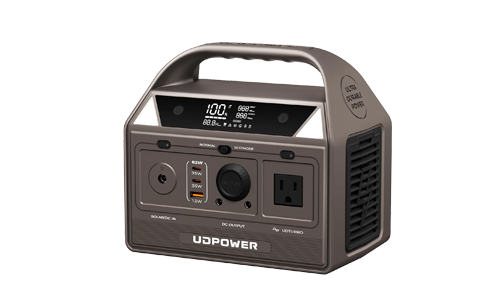
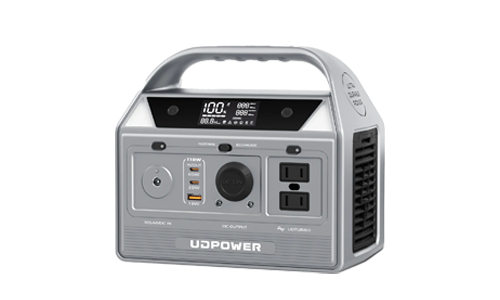
UDPOWER C400
The C400 makes the most sense when portability comes first. At approximately 6.88 lb, it is small enough for car-based day trips, one-night camps and photography setups where you mainly need to recharge electronics, lights and other low-to-moderate-power gear.
Battery capacity: 256Wh
Rated AC output: 400W pure sine wave
Weight: Approximately 6.88 lb
Dimensions: 8.27 × 5.12 × 7.09 in
Maximum solar input: 150W
Battery chemistry: LiFePO4

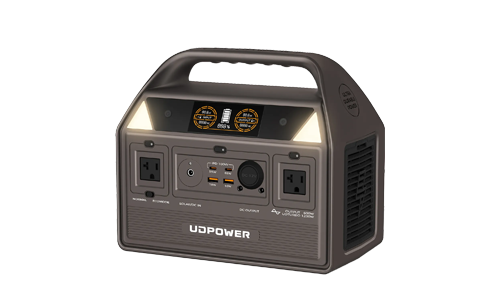
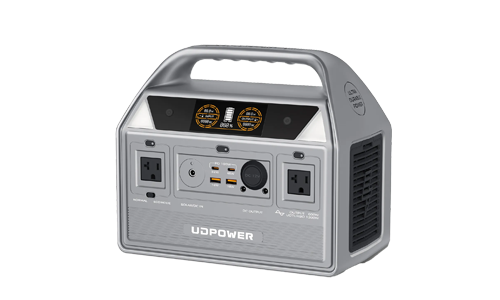
UDPOWER C600
The C600 is the middle ground for travelers who want noticeably more stored energy but do not want to jump to a 26-pound station. Its 596Wh battery is better suited to a multi-device weekend setup, especially when phones, cameras, lights, a laptop or a small camping fan all compete for the same battery.
Battery capacity: 596Wh
Rated AC output: 600W pure sine wave
Weight: 12.3 lb
Dimensions: 11.1 × 6.1 × 9.4 in
Maximum solar input: 240W
Battery chemistry: LiFePO4

UDPOWER S1200
The S1200 is better suited to trips where the power station stays at camp rather than moving with you throughout the day. Its 1191Wh battery and 1200W rated AC output make more sense for multi-night camping, RV travel or a family basecamp with several devices and higher energy demand.
Battery capacity: 1191Wh
Rated AC output: 1200W pure sine wave
Higher-load capability: Up to 1800W with supported UDTURBO operation
Weight: Approximately 26.0 lb
Dimensions: 13.7 × 9.5 × 9.7 in
Maximum solar input: 400W
Battery chemistry: LiFePO4
| Model | Capacity | Rated AC Output | Weight | Max Solar Input | Best Fit for This Guide |
|---|---|---|---|---|---|
| C400 | 256Wh | 400W | 6.88 lb | 150W | Short camping trips, phones, cameras, lights and lightweight setups |
| C600 | 596Wh | 600W | 12.3 lb | 240W | Weekend camping, multi-device charging and road trips |
| S1200 | 1191Wh | 1200W | 26.0 lb | 400W | Multi-night basecamps, RV travel and larger power budgets |
For a conservative planning estimate, usable energy can be approximated as battery capacity × 0.90 before dividing by your device's wattage. Actual runtime still varies with the device, load, operating temperature, battery condition and whether AC conversion is required.
Florida-specific rule of thumb: keep the station dry, ventilated and shaded. Do not leave it sitting in direct summer sun or treat it as gear that should travel inside a wet kayak. The useful place for portable power is your dry campsite, vehicle setup or sheltered basecamp.
Need to estimate your trip first? Read the camping Wh sizing guide or the camping power station buying guide.
Three Florida Outdoor Itineraries That Actually Fit Together
A good Florida road trip is not the itinerary with the largest number of pins on a map. The state is longer than many first-time visitors expect, and repeatedly changing regions can turn an outdoor vacation into hours of highway driving. These combinations keep the activities reasonably clustered.
3 Days: Central Florida Springs + Space Coast
Day 1: Use a Central Florida spring as the main activity. Swim, paddle or snorkel early enough that you are not beginning the outdoor part of the day in peak afternoon heat.
Day 2: Move toward the Space Coast. Spend the cooler parts of the day birding or at the beach, then take a guided bioluminescent kayak trip after dark if you are visiting during the stronger summer season.
Day 3: Choose a flexible Atlantic Coast activity such as surfing, paddling or beach walking. Keep this day flexible in case thunderstorms disrupted Day 2.
Why this works: It uses Florida's summer rhythm rather than fighting it: cool spring water during the day and a nighttime activity when the heat drops.
3 Days: Miami + Everglades Outdoor Trip
Day 1: Bike or paddle at Oleta River State Park. This keeps the first day close to Miami and gives you both trail and water options.
Day 2: Head to Shark Valley early for the 15-mile loop, a tram tour or shorter walking options. Avoid beginning a full bike loop late in the hottest part of the day.
Day 3: Explore another Everglades entrance or choose Biscayne-area paddling depending on weather and what you enjoyed most on the first two days.
Why this works: You get mangroves, freshwater Everglades scenery, wildlife and biking without driving all the way through the Keys.
4 Days: Florida Keys Water Adventure
Day 1: Arrive in Key Largo and use John Pennekamp Coral Reef State Park as the first outdoor stop. Choose snorkeling, paddling or a boat-based activity based on marine conditions.
Day 2: Book a reef snorkel or scuba trip. Do not make a rough-sea boat outing the only possible activity; keep a mangrove, seagrass or land-based alternative.
Day 3: Continue through the Keys with fishing, paddling or a beach-focused day.
Day 4: Use Key West as the launch point for Dry Tortugas if transportation was reserved in advance.
Why this works: Instead of treating the Keys as a string of beach stops, each day uses a different marine environment.
Florida Reservations, Licenses and Rules Worth Checking Before You Leave
The most frustrating outdoor-trip failure is often not bad weather. It is discovering at the entrance that the activity now requires a reservation, your launch has a timed system, the campground opened to reservations months earlier or your fishing plan needs a different license.
| Activity | What to Check | Current Planning Detail | Official Source |
|---|---|---|---|
| Rainbow Springs day use | Entrance reservation | Day-use reservations required under the program implemented April 29, 2026 | Florida State Parks |
| Florida State Park camping | Reservation window | Florida residents: up to 11 months; non-residents: up to 10 months | Florida State Parks |
| Dry Tortugas camping | Transportation | Camper ferry capacity is limited and can sell out months in advance | NPS |
| Fishing | License, species rules and permits | Requirements vary by residency, water type, method and target species | FWC |
| John Pennekamp snorkeling | Boat-trip reservations and current facility notices | Some boating facilities have 2026 construction-related limitations | Florida State Parks |
| Bioluminescence | Moon phase, weather and tour availability | Dark nights around a new moon generally improve viewing | VISIT FLORIDA |
What to Pack for Outdoor Activities in Florida
Pack for water, sun and sudden weather changes rather than building a giant "Florida vacation" gear pile. What belongs in the car matters just as much as what goes into your backpack.
- Refillable water bottles or hydration system: especially important for exposed bike rides and trails.
- Sun protection: hat, sunglasses, sunscreen and lightweight sun-protective clothing.
- Quick-drying clothing: cotton becomes uncomfortable quickly after a rain shower, paddle or humid hike.
- Insect repellent: particularly important around wetlands and during the Everglades wet season.
- Dry bag: useful for phones, keys and cameras during paddling trips.
- Proper PFD: use an appropriate life jacket for kayaking, canoeing and boating.
- Water shoes or secure sandals: useful around springs, launches and rocky shoreline access.
- Offline map or downloaded park information: cell service can be unreliable in remote areas.
- Small first-aid kit: especially for bike, trail and multi-day trips.
- Weather backup: keep dry clothes, additional water and a safe-shelter plan in the vehicle.
- Portable charging: useful when phones and cameras are being used all day for navigation, photos and emergency communication.
- Activity-specific gear: snorkel equipment, bike helmet, fishing license information or dive certification as appropriate.
Frequently Asked Questions About Outdoor Activities in Florida
What are the best outdoor activities in Florida?
Some of Florida's best outdoor activities are spring kayaking, spring swimming, reef snorkeling, Everglades wildlife viewing, Shark Valley biking, Dry Tortugas camping, Space Coast bioluminescent kayaking, surfing, mountain biking, fishing, birding, shelling and scuba diving. The best choice depends heavily on season and region.
What is the best outdoor activity for a first-time visitor to Florida?
A spring-based day is one of the easiest introductions. Places such as Rainbow Springs, Wekiwa Springs, Ichetucknee or Weeki Wachee let visitors experience clear freshwater through swimming, snorkeling or paddling without requiring an offshore boat trip.
What are the best outdoor activities in Florida for families?
Spring swimming, easy kayaking, birding, beachcombing, short nature trails and calm-water snorkeling are good family options. Match the activity to swimming ability, heat tolerance and the age of the children rather than choosing only by popularity.
What outdoor activities can you do in Florida in summer?
Summer is excellent for spring swimming and can be the prime period for Space Coast bioluminescence. Early-morning beach activities and paddling can also work well. Long exposed hikes and bike rides require more caution because of heat, humidity and thunderstorms.
What are the best Florida outdoor activities in winter?
Winter is particularly good for Everglades wildlife viewing, Shark Valley biking, birding, camping, hiking and South Florida road trips. Lower humidity and fewer mosquitoes generally make longer land-based activities more comfortable.
Where is the best place to kayak in Florida?
There is no single best location, but Weeki Wachee is an excellent choice for a clear spring-fed river. Oleta River offers mangrove paddling near Miami, while the Space Coast is the standout choice if your goal is nighttime bioluminescence.
Where can you see bioluminescence in Florida?
The Space Coast is one of the best-known areas, including waterways around Mosquito Lagoon, Banana River and Indian River Lagoon. July through September is generally a strong period, especially around darker nights near a new moon.
Is the Everglades better in summer or winter?
For most first-time visitors, winter and the broader dry-season period are easier. The Everglades dry season typically falls from December through April, with lower temperatures, fewer mosquitoes and strong wildlife-viewing opportunities. The wet season brings more heat, humidity, rain and insects.
Can beginners snorkel in the Florida Keys?
Yes, but choose the location carefully. Sheltered mangrove and seagrass environments at John Pennekamp can be more approachable than rough offshore conditions. Beginners should be comfortable in the water, use appropriate flotation when needed and choose a guided excursion if uncertain.
Do I need reservations for Florida State Parks?
Not every visit requires the same type of reservation, but popular campsites and some day-use areas do. Rainbow Springs, for example, implemented a day-use reservation program in 2026. Always check the specific park page rather than assuming policies are identical statewide.
Do visitors need a fishing license in Florida?
In many situations, yes. Requirements depend on whether you are a resident, whether you are fishing fresh or salt water, where you are fishing and whether a licensed charter or pier covers you. Non-residents should not assume Florida's no-cost resident shoreline license applies to them.
Can you camp outdoors in Florida year-round?
Yes, but the experience changes dramatically by season. Fall through spring is generally more comfortable for traditional camping. Summer camping requires stronger planning for heat, rain, mosquitoes, thunderstorms and tropical weather.
What is the most unique outdoor experience in Florida?
Dry Tortugas camping and Space Coast bioluminescent kayaking are two of the most distinctive choices. Dry Tortugas offers a remote island experience around Fort Jefferson, while bioluminescent paddling lets you see water visibly glow after dark under the right seasonal conditions.
Do I need a portable power station for camping in Florida?
Not for every trip. Primitive campers with only a phone and headlamp may need very little stored energy. A portable power station becomes more useful for multi-night car camping, cameras, phones, lights, laptops, fans and other powered equipment. Choose capacity from your actual energy budget rather than trip length alone.
Plan the Adventure First. Size the Power Second.
Decide whether your Florida trip is a lightweight day-trip setup, a weekend campsite or a multi-night basecamp. Then add up the devices you actually need to run and choose the smallest power system that comfortably covers that load.
Compare UDPOWER Portable Power Stations View Outdoor Power Options Get the Camping Power Selection GuideRelated Articles


