How to Prepare for SHTF [Ultimate Guide 2026]
ZacharyWilliamMost people do not need a bunker. They need a calm, usable plan for the things that actually happen: long power outages, unsafe tap water, storms, wildfire smoke, temporary supply shortages, evacuation orders, and the kind of messy real-life disruption that turns a normal week upside down. That is the practical way to prepare for SHTF in 2026.
SHTF is internet shorthand for a serious disruption that breaks your normal routine. For one household, that may mean a 24-hour blackout. For another, it may mean a water advisory, a hurricane track change, a snowstorm that shuts roads, or a medical device that suddenly needs backup power. Good preparation is not about fantasy. It is about staying safe, fed, informed, and functional.

What SHTF actually means in real life
The biggest mistake beginners make is treating every emergency like the end of the world. In reality, most households are far more likely to face one of these:
- Power outage that lasts longer than expected
- Water service interruption or boil-water advisory
- Storm, wildfire, flood, extreme heat, or ice event
- Road closures or short-term supply problems
- Evacuation with very little warning
- Medical equipment or refrigerated medicine needing backup support
That is why the best SHTF preparation looks a lot like strong emergency preparedness. You do not need a giant list of random gear. You need a plan that covers food, water, power, communication, and the people and animals who depend on you.

| Scenario | What usually fails first | What matters most | Best prep focus |
|---|---|---|---|
| 24–72 hour outage | Lighting, internet, refrigerated food, phone charging | Cold food safety, alerts, basic comfort | Water, lights, power bank, backup battery, no-cook meals |
| 3–14 day disruption | Routine shopping, fuel convenience, morale, refrigeration | Rationing, recharging, sanitation, medicine | Stored water, shelf-stable meals, power planning, rotation system |
| Evacuation | Time, transportation, documents, pet logistics | Speed and mobility | Go-bags, copies of records, pet carrier, fuel, charger |
| Water advisory | Cooking, drinking, brushing teeth, dishwashing | Safe water handling | Stored water plus boil/disinfection backup |

Start with the threats most likely to hit you
A smart plan starts local. A family in Florida should not prep exactly like a family in Arizona. A city apartment does not have the same constraints as a rural home with a well pump. Before you buy anything else, answer these questions:
- What are the top three disruptions most likely in my area?
- If utilities fail, what becomes urgent within the first 6 hours?
- Does anyone in the home depend on refrigerated medication, a CPAP, mobility equipment, or powered medical gear?
- Would we be safer staying put or leaving?
- What do we regret not having during the last outage or weather event?
FEMA and Ready.gov both push the same core idea: make a plan before the emergency, not during it. That includes a family communication plan, meeting places, and role assignments.
Build your prep in 3 timeframes
This is where most guides stay too generic. Instead of one giant checklist, divide your plan by how long you may need to stand on your own.
Layer 1: 72 hours
This is the baseline. Ready.gov recommends water and non-perishable food for several days, plus lighting, radio, chargers, medicine, cash, and copies of important documents. For many households, getting this layer right solves the majority of real emergencies.
Layer 2: 2 weeks
This is where a short outage becomes a lifestyle problem. You now need more stored water, a rotation system for food, better hygiene planning, and a realistic backup power strategy instead of a handful of phone banks.
Layer 3: extended disruption
Now you are thinking about recharging, resupply, alternate cooking, sanitation, morale, and workload. At this stage, power is not just about convenience. It protects food, communication, medication, and a more stable routine.
| Prep layer | Minimum goal | What to add | Why it matters |
|---|---|---|---|
| 72 hours | Stored water, shelf-stable food, lights, first aid, phone charging | Printed contacts, weather alerts, small cash | Most common outages and storm disruptions |
| 2 weeks | More water, more calories, sanitation supplies, backup cooking | Battery backup, cooling strategy, pet extras, medicine refill plan | Handles longer outages and supply delays better |
| Extended | Recharge plan, deeper food rotation, workload plan | Solar recharge, manual alternatives, home workflow | Prevents small failures from cascading into bigger ones |

Water plan: how much to store and how to make it safe
If you only fix one weak spot this week, make it water. Ready.gov’s baseline is simple: 1 gallon per person per day for drinking and sanitation. That is not “luxury water.” It is the floor, not the ceiling.
| Household size | 3-day baseline | 7-day target | 14-day target | What that means in real life |
|---|---|---|---|---|
| 1 adult | 3 gallons | 7 gallons | 14 gallons | Enough for a short outage, but still tight in heat |
| 2 adults | 6 gallons | 14 gallons | 28 gallons | Often manageable with a mix of jugs and bottled water |
| 2 adults + 2 kids | 12 gallons | 28 gallons | 56 gallons | This is where storage planning becomes real |
| 2 adults + 2 kids + pet | More than 12 gallons | More than 28 gallons | More than 56 gallons | Add separate pet water and extra sanitation margin |
Store what you can now, then add the ability to make questionable water safer if needed. According to EPA guidance, boiling remains the first choice when possible: bring water to a rolling boil for at least 1 minute, or 3 minutes above 5,000 feet. If you cannot boil, EPA says you can disinfect with regular, unscented household bleach that contains 6% or 8.25% sodium hypochlorite.
| Water safety step | What to do | When to use it | Source |
|---|---|---|---|
| Stored emergency water | Keep a dedicated supply in clean containers | Best first option | Ready.gov kit guidance |
| Boiling | Rolling boil for 1 minute; 3 minutes above 5,000 feet | When you have fuel and a safe heat source | EPA water disinfection guidance |
| Bleach disinfection | For 1 gallon: 8 drops of 6% bleach or 6 drops of 8.25% bleach, then wait 30 minutes | When you cannot boil | EPA dosage table |
| Handwashing | Use boiled or disinfected water if local guidance calls for extra caution | During water emergencies | CDC hygiene guidance |

Food plan: shelf-stable meals and food safety rules
Emergency food should be easy, boring, and dependable. You are not trying to win a cooking contest. You are trying to keep calories, hydration, routine, and morale steady without creating a sink full of dishes.
Start with foods you already eat and rotate: canned soups, tuna, beans, peanut butter, crackers, oats, boxed milk, instant rice, tortillas, pasta, canned fruit, granola bars, applesauce, jerky, electrolyte packets, and comfort foods your household will actually reach for when stressed.
| Food category | What works well | Why it earns a place | Watch-outs |
|---|---|---|---|
| No-cook foods | Peanut butter, canned meat, ready-to-eat cereal, protein bars | No fuel needed | Can get repetitive fast |
| Quick hot meals | Instant oats, ramen, rice cups, soup, freeze-dried meals | Low effort, better morale | Need water and heat |
| High-calorie backups | Nuts, nut butter, trail mix, shelf-stable shakes | Good when appetite is low | Watch allergies and heat storage |
| Kid-friendly options | Crackers, fruit cups, applesauce, shelf-stable milk | Keeps routines easier | Rotate often so nothing expires forgotten |
Know the refrigerator and freezer rules before you need them
USDA and FDA both repeat the same power outage rule: an unopened refrigerator keeps food safely cold for about 4 hours. A full freezer holds a safe temperature for about 48 hours; a half-full freezer for about 24 hours.
| Appliance | How long food stays safe if unopened | What to do | Source |
|---|---|---|---|
| Refrigerator | About 4 hours | Keep the door closed; discard perishable food kept above 40°F too long | USDA / FDA |
| Full freezer | About 48 hours | Do not open unless necessary | USDA |
| Half-full freezer | About 24 hours | Consolidate food to hold cold longer | USDA |
For a plain-English version built around household decisions, read UDPOWER’s Food Safety During a Power Outage guide after this article.
Power plan: what to run first and what can wait
When people say they want “backup power,” what they usually mean is “I do not want to make bad decisions in the dark.” The smartest move is not to power everything. It is to power the loads that protect safety, food, communication, and sleep.
That priority-first approach is exactly why a portable power station fits so well into modern SHTF prep. No gas mixing. No indoor exhaust risk. No loud startup routine at midnight. Just stored energy you can deploy where it matters most.
| Priority | Load | Why it comes first | Planning note |
|---|---|---|---|
| 1 | Medical devices and refrigerated medicine | Health and safety | Plan this before entertainment or comfort loads |
| 2 | Fridge or freezer support | Prevents food loss | Use cycling, not nonstop guessing |
| 3 | Router/modem and phone charging | Alerts, maps, updates, communication | Low-watt loads stretch battery the farthest |
| 4 | Lighting | Safety and routine | LED lighting is cheap power insurance |
| 5 | Fans, laptops, small cooking support | Comfort and productivity | Add only after the essentials are covered |
UDPOWER’s own outage planning content makes the right point: the goal is not “run everything.” It is to keep the right things running long enough to stay safe and comfortable.
A quick runtime planning framework
Use this simple formula for a first estimate:
Runtime (hours) ≈ battery watt-hours ÷ device watts
Then be realistic. Conversion losses, inverter overhead, temperature, and cycling loads all matter in the real world. For detailed examples, use UDPOWER’s Battery Runtime Basics: Watts to Watt-hours article and the runtime calculator.
| Example essential load set | Typical planning range | How to use it wisely |
|---|---|---|
| Router + modem | Often a small load | Keep it on a dedicated circuit and do not waste battery by adding extra gadgets |
| CPAP | Varies a lot by settings | Humidifier and heated hose can change runtime dramatically |
| Refrigerator | Moderate average load with startup surge | Check the label and plan around cycling behavior, not wishful thinking |
| LED room lights | Very efficient | Replace one bright overhead habit with a few targeted lights |
| Phone charging | Small load | Recharge during the day and keep spare cables packed |
For more detailed outage planning around priorities, read What to Run First in a Power Outage and How to Keep Wi-Fi Running During a Power Outage.
Medical, hygiene, pets, cash, and documents
This is the part too many “SHTF gear list” articles rush past, even though it is where ordinary households get burned the fastest.
Medical needs
- Keep an updated list of prescriptions, dosage instructions, prescribing doctors, and pharmacy information.
- Ready.gov recommends adding prescription medications and glasses to your emergency kit.
- If someone in your home depends on powered medical equipment, the FDA recommends notifying your utility company and fire department, reviewing battery or generator options, and protecting cords from water.
- If a medication needs refrigeration, do not guess. FDA says some drugs can lose safety or effectiveness during a long outage.
Hygiene and sanitation
- Soap, toilet paper, trash bags, paper towels, disinfecting wipes, feminine hygiene products, diapers if needed
- Separate clean-water containers for handwashing and food prep
- Bleach only if you know how to use it safely and label it clearly
Pets
Ready.gov says pets need their own emergency plan and their own kit. That means food, water, medicine, leash, carrier, ID, waste bags, and copies of vaccine or ownership records.
Cash and records
FEMA’s Emergency Financial First Aid Kit exists for a reason. In a messy event, access to documents can matter as much as access to food. Keep digital backups and paper copies of IDs, insurance, prescriptions, property records, and emergency contact information. Also keep a small cash reserve for the moments when cards, apps, and internet service stop being reliable.
| Category | What to keep ready | Helpful source |
|---|---|---|
| Prescription planning | Medication list, dosage, doctor, pharmacy, backup glasses | Ready.gov medication tips |
| Medical devices | Power plan, battery options, dry cords, utility notification if needed | FDA medical device guidance |
| Pet prep | Food, water, meds, carrier, ID, vet records | Ready.gov pets |
| Financial records | Copies of IDs, insurance, account contacts, emergency cash | FEMA EFFAK |
Shelter in place or leave? Decide before the stress starts
A lot of people romanticize the “bug-out” part of preparedness. In reality, the safer move is often staying put unless officials tell you otherwise or your home is becoming unsafe. The decision should not be emotional. It should be trigger-based.
| If this happens | Likely better choice | Why |
|---|---|---|
| Multi-day power outage but home is structurally safe | Shelter in place | Your supplies are already there, and travel may add risk |
| Mandatory evacuation order | Leave early | Late departures often become harder and more dangerous |
| Wildfire, floodwater, chemical release, or unsafe structure | Leave | These are not “wait and see” situations |
| Water outage only | Usually shelter in place | If you have stored water and sanitation backup, staying home may be easier |
Your go-bag should be light, boring, and ready. Do not build it around fantasy tools. Build it around documents, meds, charger, water, snacks, flashlight, spare clothes, pet essentials, and a transport plan.
A 7-day plan to get prepared without overwhelm
If your current setup is basically “a couple flashlights and whatever is in the pantry,” do this instead of trying to buy everything at once.
Day 1: Write the plan
List your top three local threats, your contacts, your meeting point, and who handles kids, pets, meds, and gear.
Day 2: Fix water
Buy or store your first real water baseline. Label it. Stop assuming you will “figure it out later.”
Day 3: Build a 3-day food shelf
Choose foods you already eat. Add a marker or spreadsheet reminder so you rotate them.
Day 4: Build your lighting and charging kit
Put a flashlight in each room. Pack extra batteries, cables, and a dedicated charging pouch.
Day 5: Handle documents, cash, and meds
Print what matters, back it up digitally, and pack your prescription list now.
Day 6: Test your outage workflow
Unplug the router for 30 seconds. Find the flashlight in the dark. Time how long it takes to gather your essentials. Weak spots will show up immediately.
Day 7: Add backup power
Choose a power station based on the loads you truly care about. Build around priorities, not marketing hype.
Best UDPOWER picks for SHTF prep
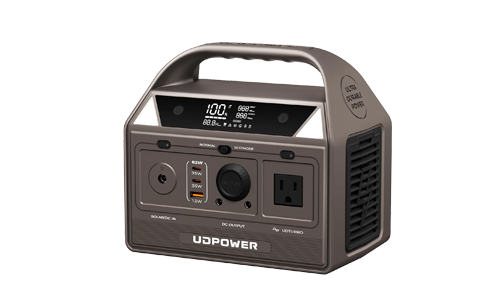
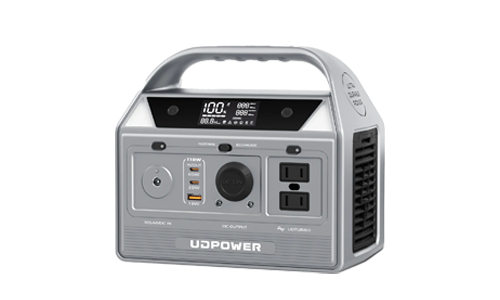
If your plan includes refrigeration support, internet, medical needs, lighting, and everyday device charging, backup power stops being optional. These are the two UDPOWER options that make the most sense for practical SHTF prep.

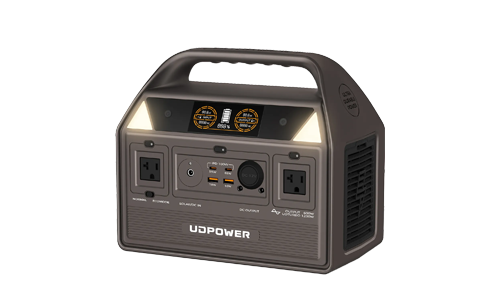
UDPOWER S1200
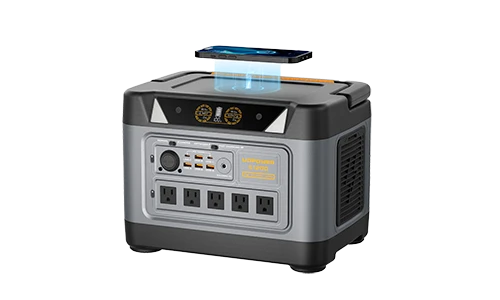
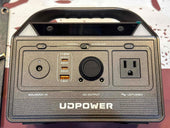
The S1200 is the smarter pick for households that want a serious essentials backup without jumping straight into a much heavier unit. Official UDPOWER specs list 1,190Wh capacity, 1,200W pure sine wave output, UDTURBO support up to 1,800W, about 26 pounds of weight, multiple AC and DC ports, and fast charging. That combination makes it a strong fit for router and modem backup, phones, lights, laptops, many CPAP setups, and carefully planned fridge support.
Best for: apartments, renters, RV users, couples, and families that want a “core essentials first” outage plan.

UDPOWER S2400
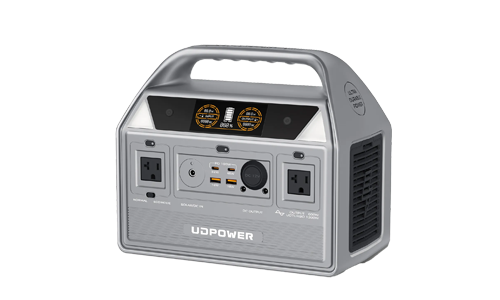
The S2400 is the stronger choice when your plan includes larger loads, longer runtime, or more simultaneous devices. Official UDPOWER specs list 2,083Wh capacity, 2,400W pure sine wave AC output, up to 3,000W surge support, and 6 AC outlets plus 10 DC outputs. In plain household terms, it gives you more breathing room when the outage stops being a nuisance and starts becoming a routine problem.
Best for: families, home backup planning, bigger kitchen loads, longer outages, and households that want more runtime margin instead of constantly micromanaging power use.
How to choose between them
- Choose the S1200 if your priority is portability and covering the essentials well.
- Choose the S2400 if your plan includes heavier appliances, more runtime buffer, or longer outages.
- Add solar if your concern is multi-day resilience, not just overnight backup.
Product specs and images above are from official UDPOWER product pages.
Useful UDPOWER articles to read next
If you want to turn this guide into a working outage plan, these pieces fit naturally with it:
FAQ
What does SHTF mean?
It is slang for a serious disruption or crisis. In practical preparedness, think long outage, unsafe water, major storm, evacuation, or a breakdown in normal services.
How much water should I store per person?
Ready.gov recommends at least 1 gallon per person per day for drinking and sanitation. That is a baseline, and many households will want more for heat, pets, illness, or cleanup.
How much food should I keep for SHTF?
Start with 3 days of shelf-stable food you already eat, then expand toward 2 weeks. Focus on easy meals, simple rotation, and foods that do not demand lots of water or dishes.
Should I bug out or stay home?
Most of the time, staying home is easier if the structure is safe and you have supplies. Leave early if officials order an evacuation or if your home is becoming unsafe due to fire, flood, contamination, or structural damage.
Can a portable power station replace a gas generator?
For many households, yes for short to medium outages and core loads. For very long outages or very high continuous loads, some people still keep a generator. The right answer depends on what you actually need to run.
What should I power first during a blackout?
Medical devices first, then refrigeration support, communication gear, phone charging, and lighting. Comfort loads come later.
How long does food stay safe in the fridge without power?
About 4 hours if the refrigerator stays closed. A full freezer usually stays safe for about 48 hours, and a half-full freezer for about 24 hours.
How do I make water safe if I cannot boil it?
EPA says you can disinfect with regular, unscented household bleach if you follow the dosage instructions carefully. For 1 gallon, that is 8 drops of 6% bleach or 6 drops of 8.25% bleach, then wait 30 minutes.
Is the UDPOWER S1200 enough for emergency prep?
For many households, yes, if your priority is essentials like internet, lights, phones, CPAP support, and selected small-to-medium loads. If you want more runtime or heavier appliances, the S2400 gives you more headroom.
What is the biggest beginner mistake in SHTF prep?
Buying random gear before solving the basics. Water, food, medication, communication, and power matter far more than a dramatic-looking checklist.
Sources
This article is based on official emergency preparedness and safety guidance from Ready.gov/FEMA, EPA, CDC, USDA, FDA, FCC, and NOAA, plus official UDPOWER product pages and related outage-planning articles.
- Ready.gov: Build A Kit
- Ready.gov: Make A Plan
- EPA: Emergency Disinfection of Drinking Water
- CDC: Personal Hygiene During an Emergency
- FDA: Food and Water Safety During Power Outages and Floods
- USDA: What to Do Before and After a Weather Emergency
- FCC: Wireless Emergency Alerts
- NOAA: NOAA Weather Radio All Hazards
- FEMA: Emergency Financial First Aid Kit
- Ready.gov: Prepare Your Pets for Disasters
- Ready.gov: Tips for Medication
- FDA: Tips About Medical Devices and Natural Disasters
- UDPOWER S1200 official product page
- UDPOWER S2400 official product page


![How to Live In The Woods [Complete Guide]](http://udpwr.com/cdn/shop/articles/Off-Grid_Cabin_Option_f6c94fe7-1ae7-4c3a-baf5-ed9fe684c832.png?v=1763523215&width=170)