What to Do During a Gale Warning: A Practical Safety Checklist for Wind, Water, and Power Outages
ZacharyWilliamLast updated: April 29, 2026
Quick answer: what should you do during a gale warning?
If a gale warning is issued for your area, treat it as a serious wind-and-water hazard. Stay off the water, postpone boating or shoreline activities, secure loose outdoor items before the strongest winds arrive, move indoors to a sturdy building, stay away from windows, and prepare for a possible power outage. If you lose power, use battery backup safely, keep refrigerator and freezer doors closed, and never run a gas generator inside a home, garage, porch, or enclosed space.
- On the water: do not launch. If already out, seek safe harbor before conditions peak.
- At home: bring in patio furniture, trash bins, flags, grills, tools, and lightweight decor.
- During peak wind: stay inside, away from windows, trees, exterior doors, and glass-heavy rooms.
- If driving is unavoidable: slow down, keep both hands on the wheel, avoid bridges, trailers, and downed branches.
- After the wind drops: assume every downed power line is live. Do not touch it or anything touching it.
What a gale warning actually means
A gale warning is most commonly used for marine and coastal areas, including oceans, bays, sounds, large lakes, and the Great Lakes. In the U.S., the National Weather Service defines a gale warning as sustained surface winds or frequent gusts from 34 to 47 knots, which is about 39 to 54 mph, not directly associated with a tropical cyclone.
For ordinary households, the important point is not the wording. It is the risk pattern: strong wind, rough water, flying debris, downed branches, power-line damage, difficult driving, and power outages.
| Alert | Typical wind range | Where it is most often used | What it means for a normal household | Source |
|---|---|---|---|---|
| Small Craft Advisory | Often below gale-force wind, depending on local marine criteria | Marine zones | Small boats may face hazardous wind or wave conditions. Check the local marine forecast before going out. | NWS marine definitions |
| Gale Warning | 34–47 knots, about 39–54 mph | Coastal waters, bays, sounds, large lakes, Great Lakes, nearby shore areas | Stay off the water, secure loose items, expect difficult travel near exposed roads and bridges, and prepare for power disruption. | NWS glossary |
| Storm Warning | 48 knots or higher for many non-tropical marine warnings | Marine zones | Conditions are more severe than a gale warning. Stay off the water and follow local emergency instructions. | NWS marine definitions |
| High Wind Warning | Local criteria vary | Land areas | Move indoors, avoid trees and windows, and expect downed limbs, difficult driving, and possible outages. | NWS wind safety |
Simple rule: if the alert mentions gale-force wind, do not treat it like a rainy day. Decide early, stop optional travel early, and remove reasons to go outside during the peak wind window.
What to do in the first hour after a gale warning is issued
The first hour matters because wind often becomes dangerous before people feel fully “ready.” Your goal is to finish outside tasks early, charge critical devices, and avoid last-minute trips when branches, surf, and power lines are already becoming hazardous.
| Time window | What to do | Why it matters | Do not wait if... |
|---|---|---|---|
| Right now | Read the local alert carefully: start time, end time, peak wind window, affected waters or counties. | Gale warnings can apply to specific marine zones while nearby land areas receive different alerts. | You are near a bay, lake, marina, bridge, beach, or exposed coastline. |
| Next 15 minutes | Cancel boating, fishing, kayaking, paddleboarding, pier walks, beach walks, and exposed shoreline plans. | Wind can build waves quickly and make safe return difficult. | You are already seeing whitecaps, spray, or rapidly rising gusts. |
| Next 30 minutes | Bring in or tie down patio chairs, umbrellas, trash cans, garden tools, flags, loose signs, grills, and lightweight decor. | Most home injuries during wind events come from falling limbs, flying debris, and unsafe outdoor movement. | Winds are already strong enough to move objects across the yard. |
| Next 60 minutes | Charge phones, power banks, radios, laptops, medical-device backup batteries, and portable power stations. | Power loss often follows tree and line damage, especially in coastal and wooded areas. | Your area has overhead power lines or tree-lined streets. |
| Before peak wind | Move vehicles away from trees if safe to do so, close windows, lock exterior doors, and choose an interior room. | A pre-selected safe room reduces panic if wind suddenly gets worse. | You live in a mobile home, RV, or lightweight structure. |
What to do by location: boat, shore, home, RV, or car
A gale warning affects people differently depending on where they are. Someone in a house has a different risk than someone near a marina, on a bridge, inside an RV, or driving a high-profile vehicle.
| Where you are | Best action | Main risk | Practical tip | Source |
|---|---|---|---|---|
| Boat, kayak, paddleboard, fishing vessel | Do not launch. If already on the water, seek safe harbor before gale conditions peak. | Rough water, reduced control, capsizing risk, poor return conditions. | Do not judge by the sky alone. Wind and waves may remain hazardous even if rain is light. | NWS marine definitions |
| Beach, pier, breakwater, jetty, cliff, marina | Move away from exposed water edges and stay off piers, rocks, and breakwaters. | Wave splash, slippery surfaces, flying sand, falling objects, sudden gusts. | Watch from a safe indoor location, not from a pier or seawall. | NOAA marine warnings |
| House or apartment | Stay indoors, away from windows, and use an interior room if the wind becomes severe. | Broken glass, falling limbs, roof or siding debris. | Keep shoes, flashlight, phone, and ID in the room where you plan to shelter. | NWS during high wind |
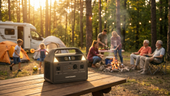
| Mobile home, RV, camper, lightweight cabin | Move to a sturdy building before winds pick up if local officials or conditions indicate danger. | Rollover, structural movement, falling trees, roof damage. | Do not wait until the RV is shaking. Relocate while roads are still safe. | NWS during high wind |
| Car or truck | Postpone travel if possible. If already driving, slow down, keep both hands on the wheel, and avoid exposed bridges. | Crosswinds, fallen trees, debris, high-profile vehicle instability. | Give extra space to trailers, box trucks, RVs, and semis. | NWS wind safety message |
| Worksite or outdoor project | Stop ladder, roof, tree, dock, scaffold, and extension-cord work before winds increase. | Falls, dropped materials, electrical hazards, airborne tools. | Bring tools inside and secure tarps, ladders, and temporary structures. | NWS high wind rules |
How to prepare your home before the wind peaks
The best gale-warning preparation is boring, early, and simple. You are not trying to storm-proof the entire property in one afternoon. You are reducing the most likely reasons someone will need to go outside later.
Outside the home
- Bring in patio chairs, umbrellas, hammocks, cushions, toys, empty planters, garden tools, lightweight signs, and trash bins.
- Lay grills and outdoor equipment low, then secure them if they cannot be moved indoors.
- Do not climb onto the roof or trim trees once wind is already building.
- Park vehicles away from large trees, loose signs, and overhead limbs if there is a safer place nearby.
- Check that gates, shed doors, garage doors, and exterior storage doors latch firmly.
Inside the home
- Charge phones, laptops, flashlights, radios, portable power stations, and medical-device backup batteries.
- Move flashlights and shoes near your bed in case power fails at night.
- Fill water bottles before the storm if your water supply depends on electric pumps.
- Set refrigerator and freezer to colder settings before a likely outage, then avoid opening doors once power fails.
- Unplug sensitive electronics you do not need during the storm to reduce surge risk when power returns.
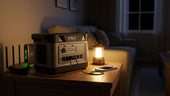
Do not use candles as your main outage light. Flashlights, lanterns, and battery-powered lights are safer when people are moving around in the dark or when wind damage may have affected the home.
How to handle power outages safely during a gale warning
Gale-force wind can knock down tree limbs, damage overhead lines, and interrupt power. A good outage plan focuses on essentials first: communication, light, medical comfort devices, refrigeration, and safe food storage.
| Priority | What to power first | Typical watt range | Why it matters | Helpful UDPOWER reading |
|---|---|---|---|---|
| 1 | Phone, weather radio, small LED light | 5–20W | Keeps weather alerts, family contact, and safe movement available. | Battery runtime estimator |
| 2 | Router, modem, ONT, hotspot | 15–35W | Helps maintain internet, outage maps, messages, and work-from-home continuity. | Keep Wi-Fi running during a power outage |
| 3 | CPAP or similar nightly comfort device | 30–80W, often higher with heat/humidifier | Overnight backup needs should be calculated before the storm, not during it. | CPAP battery backup guide |
| 4 | Refrigerator or freezer | Often 60–150W average, with higher startup surge | Food safety depends on time, temperature, and how often doors are opened. | Food safety during a power outage |
| 5 | Small fan, laptop, low-watt TV, chargers | 20–150W | Comfort and communication are useful, but should not drain backup power before essentials. | Runtime planning for outages |
Food safety during a power outage
Keep refrigerator and freezer doors closed as much as possible. According to CDC food safety guidance, food can stay safe for about 4 hours in a refrigerator, 48 hours in a full freezer, and 24 hours in a half-full freezer if the doors remain closed.
| Appliance | Door closed | Approximate safe window | What to do next | Source |
|---|---|---|---|---|
| Refrigerator | Yes | Up to 4 hours | After 4 hours without power, move perishables to a cooler with ice if available. | CDC food safety |
| Full freezer | Yes | Up to 48 hours | Keep the door closed. Check temperature or ice crystals before deciding whether to refreeze. | CDC food safety |
| Half-full freezer | Yes | Up to 24 hours | Use coolers and ice sooner if the outage may be long. | FoodSafety.gov |
Generator safety reminder: gas generators, charcoal grills, camp stoves, and propane heaters can produce carbon monoxide. Use fuel-burning equipment only outdoors and away from windows, doors, and vents. A portable power station is different because it stores battery power and can be used indoors when operated according to its manual.
Recommended UDPOWER backup power options for gale-warning outages
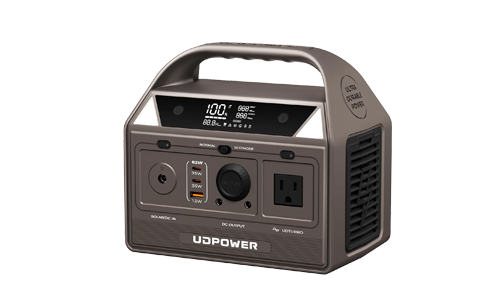
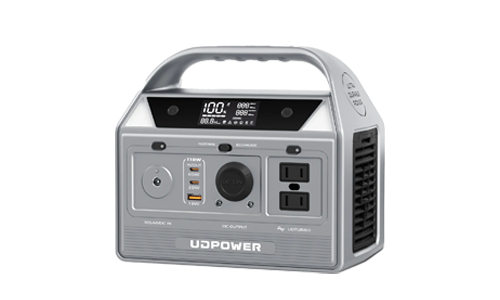
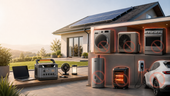
During a gale warning, the safest backup power plan is not “run everything.” It is “keep the essentials running without creating new hazards.” For most homes, that means lights, phones, router/modem, CPAP, laptops, and possibly a refrigerator or freezer in managed cycles.

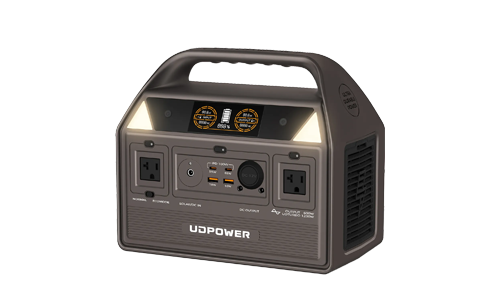
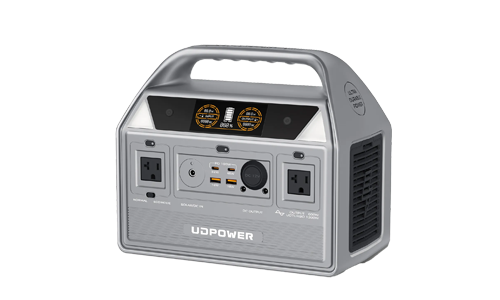
UDPOWER S1200 Portable Power Station
Best for households that want a serious mid-size outage backup without stepping into a very heavy system. It is a strong fit for router/modem backup, phone charging, laptops, lamps, CPAP planning, and managed refrigerator support.
Gale-warning use case: keep communication, lighting, a CPAP setup, and low-to-mid watt essentials powered during a short or overnight outage. For refrigerators, always check the appliance’s running wattage and startup surge before relying on any battery system.
View UDPOWER S1200
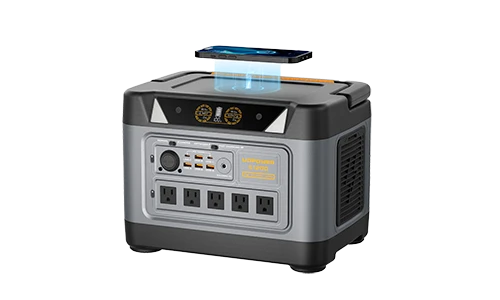
UDPOWER S2400 Portable Power Station
Best for larger outage plans where you want more capacity and stronger output for a refrigerator, freezer, router, lights, CPAP, laptops, and several small devices running across the same outage window.
Gale-warning use case: stronger home outage backup for refrigerator support, multi-device charging, internet equipment, and essential household loads. It is still not a whole-house power system; use it for selected devices and calculate runtime based on real wattage.
View UDPOWER S2400Estimated runtime examples
Estimates below use 85–90% usable AC efficiency. Actual runtime depends on device wattage, startup surge, temperature, battery condition, and whether the appliance cycles on and off.
| Essential device | Typical load | Estimated S1200 runtime | Estimated S2400 runtime | Planning note |
|---|---|---|---|---|
| Phone charging + LED light | 10–25W | About 40–100+ hours | About 70–180+ hours | Use low brightness and charge phones in batches to save power. |
| Router + modem/ONT | 15–35W | About 30–70 hours | About 50–125 hours | Networking gear is one of the best uses for battery backup during wind outages. |
| CPAP without heated humidifier | 30–60W | About 17–35 hours | About 30–60 hours | Heated humidifiers and heated hoses can significantly reduce runtime. |
| Full-size refrigerator, average draw | 60–120W average, higher startup surge | About 8–18 hours | About 15–31 hours | Use measured wattage when possible; refrigerators cycle, so average wattage matters. |
| Laptop + small monitor | 60–120W | About 8–18 hours | About 15–31 hours | Lower screen brightness and unplug when fully charged. |
Need a broader comparison? See the UDPOWER portable power station collection, the home backup collection, and the guide to portable power stations vs generators for power outages.
What not to do during a gale warning
Many gale-warning injuries happen because someone “just quickly” steps outside, drives through debris, checks the dock, moves a trash bin, or tries to fix storm damage while the wind is still active.
| Do not... | Why it is dangerous | Safer choice |
|---|---|---|
| Do not go boating, kayaking, fishing, or paddleboarding. | Gale-force wind can create hazardous waves and make returning difficult. | Reschedule and monitor the next marine forecast after the warning expires. |
| Do not walk on piers, jetties, rocks, or seawalls. | Wave splash, slippery surfaces, and sudden gusts can knock people down. | Watch conditions from a safe indoor location. |
| Do not stand under trees to “get out of the wind.” | Branches can break without warning. | Move into a sturdy building. |
| Do not touch downed power lines or branches touching lines. | Downed lines may still be energized. | Stay away and report the hazard to 911 or the utility. |
| Do not run a gas generator indoors or in a garage. | Carbon monoxide can build up quickly and can be deadly. | Use fuel-burning equipment only outdoors and away from openings. |
| Do not keep opening the refrigerator to “check food.” | Every opening lets cold air escape and shortens the safe window. | Keep doors closed and use a thermometer when power returns. |
What to do after the gale warning ends
The end of the warning does not mean every hazard is gone. The wind may drop before utilities, roads, trees, and docks are safe.
- Wait for daylight if possible before inspecting outdoor damage.
- Check local emergency alerts before driving.
- Stay away from downed power lines and anything touching them.
- Photograph property damage before moving items, if it is safe.
- Inspect roof, gutters, siding, fences, trees, and outdoor wiring from the ground only.
- Do not enter flooded areas, damaged docks, or unstable shoreline structures.
- If power returns, wait a few minutes before turning on multiple large devices.
- Check refrigerator and freezer temperatures before deciding what food to keep.
If you used a portable power station during the outage, recharge it as soon as power is stable. Storm seasons often bring repeated outages, and the best time to prepare for the next one is immediately after the current one ends.
Related reading from UDPOWER
FAQ
What does a gale warning mean?
A gale warning means sustained surface winds or frequent gusts of 34 to 47 knots, about 39 to 54 mph, are expected or occurring. In the U.S., it is usually a marine or coastal alert rather than a general inland wind alert.
Is a gale warning the same as a hurricane warning?
No. A gale warning is not directly associated with a tropical cyclone. Hurricane and tropical storm warnings use different criteria and are issued for tropical systems. Still, gale-force wind can be dangerous and should be taken seriously.
Should I drive during a gale warning?
Avoid nonessential driving, especially over bridges, near trees, along exposed coastal roads, or in a high-profile vehicle. If you must drive, slow down, keep both hands on the wheel, and watch for branches, debris, and downed lines.
Can I go outside if the wind seems to calm down?
Not immediately. Wind can arrive in waves, and hazards may remain after the strongest gusts pass. Wait for local updates and avoid trees, shorelines, and downed utility lines.
Can a portable power station be used indoors during a gale outage?
Yes, a battery-based portable power station can usually be used indoors when operated according to its manual. It does not burn fuel like a gas generator. Keep it dry, ventilated, and away from direct water exposure.
Can I run a gas generator in a garage if the door is open?
No. A gas generator should not be used inside a home, garage, basement, porch, shed, or enclosed space. It should be placed outdoors and away from windows, doors, and vents to reduce carbon monoxide risk.
How long is food safe in the refrigerator during a power outage?
If the refrigerator door stays closed, food is generally safe for up to about 4 hours. A full freezer can hold food safely for up to about 48 hours, and a half-full freezer for about 24 hours. When in doubt, throw it out.
What size portable power station is best for gale-warning outages?
For phones, lights, router, laptop, and CPAP planning, a mid-size unit like the UDPOWER S1200 may be enough. For a refrigerator plus multiple essentials, the UDPOWER S2400 gives more capacity and stronger output. Always compare your actual appliance wattage and startup surge before deciding.
Sources and further reading
External safety references are included for reader verification and use nofollow links.
| Topic | Source | Why it is useful |
|---|---|---|
| Gale warning definition | National Weather Service Glossary | Defines gale warning wind range and meaning. |
| Marine warning terms | NWS Marine Definitions | Explains gale warning, storm warning, and related marine alerts. |
| Before high wind | NWS Before a High Wind Event | Home preparation, tree hazards, and safe-room planning. |
| During high wind | NWS During a High Wind Event | Shelter, mobile home, and weather update guidance. |
| After high wind | NWS After a High Wind Event | Downed power lines, debris, and post-storm safety. |
| Power outage safety | Ready.gov Power Outages | Generator safety, appliance safety, and outage preparation. |
| Food safety | CDC Food Safety After an Emergency | Refrigerator and freezer time windows during outages. |
Build a safer gale-warning power plan before the next storm
Pick your essentials first: phone, light, internet, CPAP, refrigerator, or freezer. Then match your wattage and runtime needs to the right portable power station instead of guessing during an outage.
View UDPOWER Portable Power Stations Choose UDPOWER S1200 Choose UDPOWER S2400 Get the Runtime Planning Guide