Refrigerator Power Backup: Keep Food Cold (and Your Battery Alive)
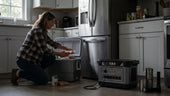
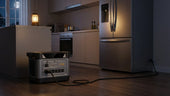
ZacharyWilliamIf your main goal is simple — keep the fridge cold, avoid throwing out groceries, and stop guessing during outages — this guide gives you a practical plan that fits real homes, not fantasy setups.
The direct answer
For most full-size refrigerators, a practical battery backup starts around 1,000–1,200Wh for short outages or overnight protection, while 2,000Wh+ is the safer choice for longer outages, older fridges, warmer kitchens, or households that want more margin. The number that matters most is not just running watts — it is your fridge’s EnergyGuide kWh/year, startup surge, and how long you need to bridge.
If the outage is under about 4 hours and the door stays closed, you often do not need to power the fridge at all. For longer outages, the smartest plan is usually temperature tracking + limited door openings + timed cooling windows, not running the refrigerator nonstop.

Quick decisions by outage length
| Expected outage | Best move | What usually works best | Battery recommendation |
|---|---|---|---|
| Under 4 hours | Keep doors closed and leave the fridge alone. | No panic, no repeated checking, no unnecessary battery use. | Usually none needed if food was already cold. |
| 4–12 hours | Start checking temperature instead of guessing. | Efficient fridge + disciplined door use + cooling windows. | About 1,000–1,200Wh is a practical starting point. |
| 12–24 hours | Use a real fridge plan, not a “leave it on forever” plan. | Battery + thermometer + cooler for fragile items. | 1,200Wh for efficient fridges; 2,000Wh+ for more margin. |
| 24+ hours | Plan your refill strategy before the battery is low. | Battery + solar or battery + generator recharge blocks. | 2,000Wh+ is the comfortable zone for longer events. |
Swipe sideways on mobile to view the full table.
How long food stays safe without power
This is the part too many “battery backup” articles skip. If you know the food safety window, you stop wasting battery on the wrong problem.
| Appliance | Door kept closed | What it means in plain English | Official reference |
|---|---|---|---|
| Refrigerator | About 4 hours | If the outage is brief, the best move is often doing nothing except keeping the door shut. | FDA / FoodSafety.gov |
| Full freezer | About 48 hours | The freezer usually buys far more time than the fridge, which is why many households power the freezer first when battery is limited. | FDA |
| Half-full freezer | About 24 hours | Less frozen mass means less cold storage, so the clock runs faster. | FoodSafety.gov |
| Perishable refrigerated food | Discard after 4 hours at temperatures above 40°F | Meat, seafood, milk, eggs, and leftovers are the items you should not gamble with. | FDA |
Two cheap tools that save expensive groceries
1) A fridge/freezer thermometer tells you whether your food is still inside a safe range.
2) A plug-in watt meter tells you what your refrigerator actually draws, instead of making you size backup power from random internet guesses.
How to size a refrigerator battery backup the right way
The easiest planning number is the fridge’s EnergyGuide kWh/year. That number reflects how the refrigerator cycles over time, which is much more useful than obsessing over one momentary watt reading.
Simple planning math
Average watts ≈ (kWh/year × 1000) ÷ 365 ÷ 24
Estimated runtime (hours) ≈ (Battery Wh × 0.85) ÷ Average Watts
That 0.85 factor is a realistic allowance for inverter and real-world AC losses. It keeps expectations honest.
Battery size table by fridge energy use
| Fridge energy use | Average draw | Battery for 12 hours | Battery for 24 hours | Battery for 36 hours | Battery for 48 hours |
|---|---|---|---|---|---|
| 1.0 kWh/day | ~42W | ~588Wh | ~1,176Wh | ~1,765Wh | ~2,353Wh |
| 1.5 kWh/day | ~63W | ~882Wh | ~1,765Wh | ~2,647Wh | ~3,529Wh |
| 2.0 kWh/day | ~83W | ~1,176Wh | ~2,353Wh | ~3,529Wh | ~4,706Wh |
| 2.5 kWh/day | ~104W | ~1,471Wh | ~2,941Wh | ~4,412Wh | ~5,882Wh |
These numbers are planning targets, not promises. Startup surge, kitchen temperature, door openings, and fridge condition all change the outcome.
What changes runtime in the real world
| Factor | What happens | What to do |
|---|---|---|
| Frequent door openings | Cold air dumps fast, and the compressor has to work harder when power returns. | Treat the fridge like a cooler. Open with a purpose, not to “check.” |
| Warm room or summer garage | Higher ambient temperature raises compressor runtime. | Expect shorter battery life and give yourself more capacity margin. |
| Older or less efficient fridge | The EnergyGuide number is usually higher, which directly increases battery demand. | Size from your own label, not somebody else’s fridge example. |
| Ice maker / through-door dispenser | Extra features usually add energy use and make runtime less predictable. | Turn off extras when backup power is your priority. |
| Long thin extension cord | Unnecessary losses and extra heat can show up at exactly the wrong time. | Use the shortest practical heavy-duty cord. |
| No refill plan | Even a good battery becomes a short outage tool if you cannot recharge it. | For multi-day outages, pair battery with solar or generator recharge blocks. |
The best outage strategy for fridges is usually not “run it nonstop”
A refrigerator holds temperature better than people think when the door stays closed. That means a battery often works best when you use it strategically, not continuously.
- Short outage: keep doors closed and save the battery.
- Medium outage: run the fridge in cooling windows and watch temperature.
- Long outage: combine battery power with solar refill or generator recharge blocks.
A smart “fridge-first” workflow
- Leave the refrigerator and freezer closed as soon as the outage starts.
- Check temperature, not feelings.
- If your battery is limited, protect the freezer first because it holds cold longer.
- Move the most fragile fridge items into a cooler if the outage stretches.
- Recharge during the day if you have solar, or in short blocks if you have a generator.
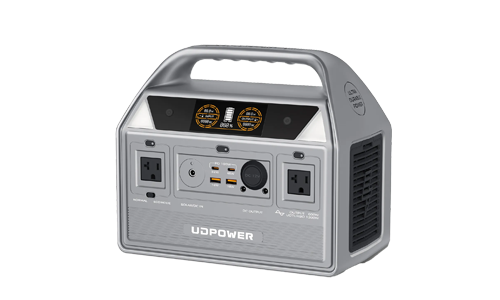
Recommended UDPOWER picks for refrigerator backup
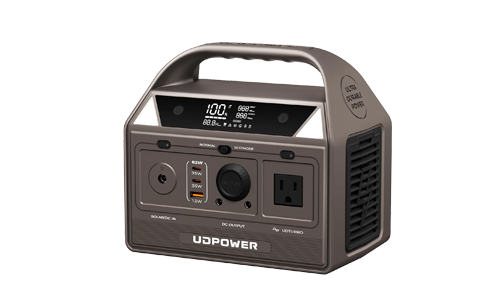
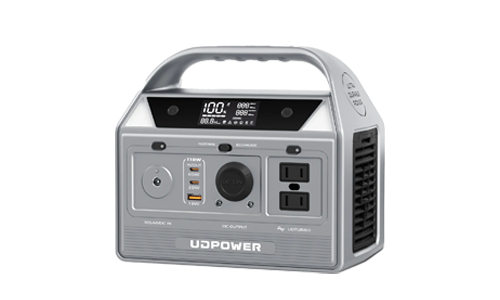
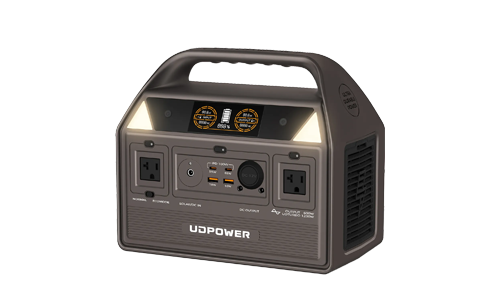
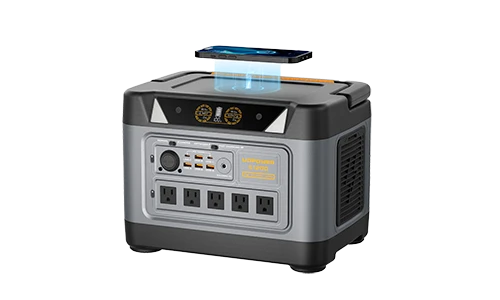
If your goal is to keep a refrigerator safe during outages, you need enough surge headroom to start the compressor and enough watt-hours to carry the outage window. These are the two UDPOWER options that make the most sense for this job, plus the solar add-on that turns a one-night plan into a longer one.
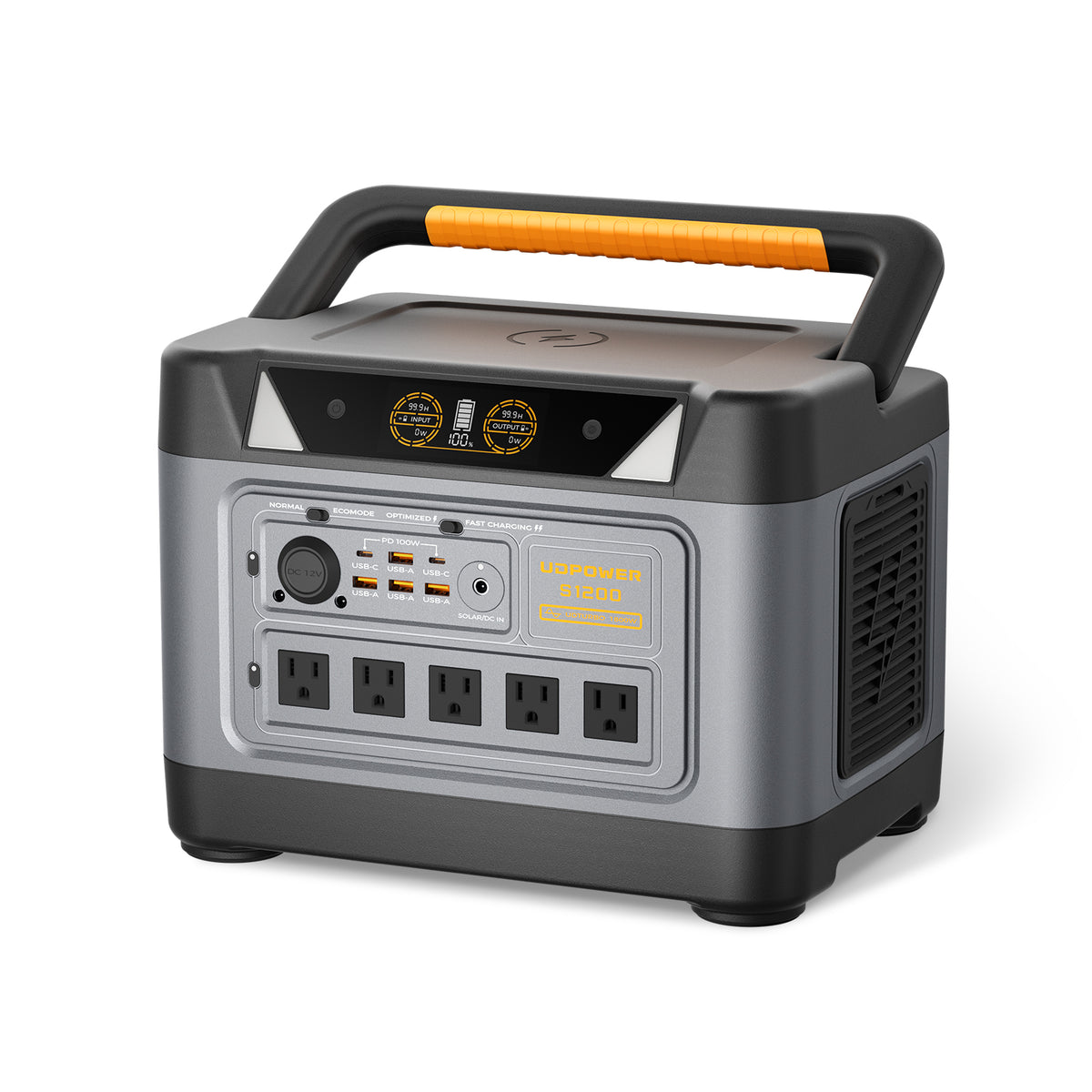
UDPOWER S1200
Best for: efficient full-size refrigerators, overnight outages, apartments, condos, and households that want a lighter emergency backup unit.
- Rated pure sine wave AC output: 1,200W
- Solar charging input: 12V–75V, 12A, 400W max
- AC input: 800W max
- Weight: about 26.0 lb
- Official fridge example: about 10–15 hours for a standard 60–100W refrigerator
This is the practical “short outage / overnight” choice. It is also easier to move into place fast when you only need to protect the fridge, charge phones, and keep a few essentials alive.

UDPOWER S2400
Best for: longer outages, older refrigerators, higher startup surge situations, and households that want more cushion instead of running close to the edge.
- Rated pure sine wave AC output: 2,400W
- Solar charging input: 12V–50V, 10A, up to 400W
- Weight: about 40.8 lb
- Can power up to 16 devices at once
- Official fridge example: about 18–30 hours for a standard 60–100W refrigerator
If your outage plan is more than “just make it through the night,” this is the more comfortable fridge backup pick. The extra capacity and surge headroom matter when real life is messier than the label math.
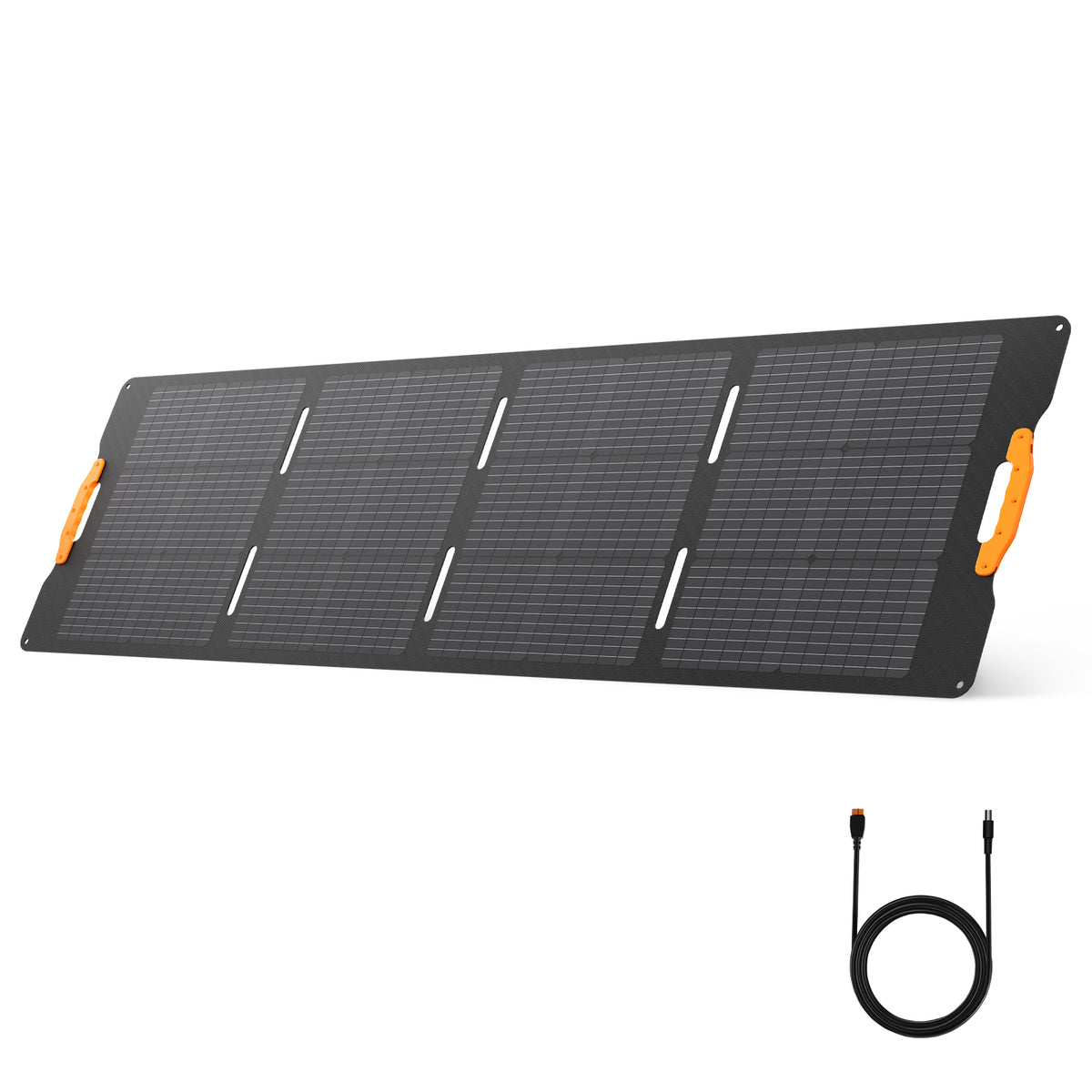
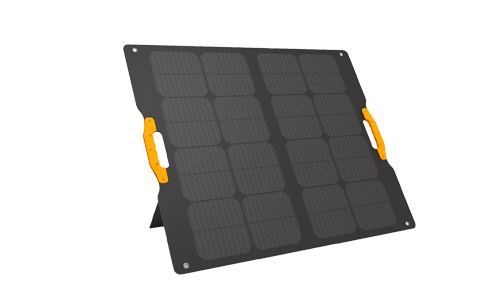
210W Portable Foldable Solar Panel
Best for: turning a one-battery outage plan into a multi-day plan with daytime refills.
- Open circuit voltage: 48.0V
- Maximum voltage: 40.0V
- Running current: 5.00A
- Folded size: 23.66 × 23.15 × 0.79 in
- Compatible with S1200 and S2400 according to the product page
Solar does not eliminate the need for a good outage plan, but it can make a big difference once the event stretches past the first night.
Which UDPOWER model fits your fridge best?
| Your fridge energy use | S1200 estimated runtime | S2400 estimated runtime | Recommended fit |
|---|---|---|---|
| 1.0 kWh/day | ~24.3 hours | ~42.5 hours | S1200 is already practical; S2400 gives comfortable reserve. |
| 1.5 kWh/day | ~16.2 hours | ~28.3 hours | S1200 works for short events; S2400 is the easier all-day choice. |
| 2.0 kWh/day | ~12.1 hours | ~21.2 hours | S2400 makes more sense if you want less stress and more margin. |
| 2.5 kWh/day | ~9.7 hours | ~17.0 hours | S2400 is the better fit; add solar or recharge strategy for long outages. |
These runtime estimates use a 0.85 real-world AC factor and your refrigerator’s average daily energy use. Startup surge still matters, which is why power output matters alongside battery size.
Setup checklist before the next outage
- Find your refrigerator’s EnergyGuide kWh/year and save a photo of it.
- Test-start the fridge on backup power on a normal day, not during the storm.
- Use a fridge/freezer thermometer so you can make decisions from temperature, not anxiety.
- Keep one short heavy-duty extension cord with the power station.
- Decide now whether your plan is battery only, battery + solar, or battery + generator.
- Freeze a few water bottles or ice packs before bad weather if possible.
- Keep a cooler ready for high-risk foods if the outage stretches.
- If you use a generator, run it outside and far from doors, windows, and vents.
FAQ
Can a portable power station run a refrigerator continuously?
Sometimes, yes. But in many outage situations, a timed cooling strategy gives better results than trying to keep the fridge powered nonstop. You are protecting food temperature, not trying to pretend the grid never failed.
What size battery backup do I need for a refrigerator?
For many full-size fridges, around 1,000–1,200Wh is the practical entry point. If your fridge uses more energy, is older, or you need longer runtime, 2,000Wh+ is the safer zone.
What matters more: watts or watt-hours?
You need both. Watts help the fridge start. Watt-hours determine how long you can keep it protected.
Why does a fridge sometimes fail to start on battery power?
The usual reason is startup surge. A fridge may look modest once running, but compressor startup can briefly demand much more power.
Should I prioritize the freezer or the refrigerator?
If battery is limited, the freezer often deserves first priority because it holds safe temperatures much longer when unopened.
Is solar enough for multi-day refrigerator backup?
It can be, but only if your panel size, weather, and charging window line up. Solar is best treated as a refill tool, not magic.
How do I estimate my refrigerator’s real energy use quickly?
Start with the EnergyGuide label. If you want a more accurate number, run the fridge through a plug-in watt meter for a full day.
Do I need pure sine wave output for a refrigerator?
For compressor appliances like refrigerators, pure sine wave is the safer default choice.
What is the biggest mistake people make during outages?
Opening the fridge too often. Door discipline is one of the easiest ways to protect both temperature and battery runtime.
What should I do if the outage lasts longer than expected?
Shift from “keep the fridge running” to “protect the cold chain.” That means thermometer checks, cooler use for fragile foods, and a real recharge plan.
Sources
- FDA: Food and Water Safety During Power Outages and Floods
- FoodSafety.gov: Food Safety During Power Outage
- FTC: How To Use the EnergyGuide Label
- U.S. DOE: Shopping for Appliances and Electronics
- CDC: Carbon Monoxide Poisoning Basics
- UDPOWER S1200 Product Page
- UDPOWER S2400 Product Page
- UDPOWER 210W Portable Foldable Solar Panel Product Page
Ready to build a fridge-first outage plan?
Pick the path that matches how your home actually loses power — not the path that sounds good on paper.