Pros and Cons of Different Types of Space Heaters
ZacharyWilliamIf you have ever tried to buy a space heater after a cold front hits, you already know the problem: almost every product page sounds the same. Fast heat. Quiet heat. Safe heat. Energy-saving heat. But what really matters is how each heater feels in real life, where it works best, how noisy it is, how much electricity it pulls, and whether you will still like it after three nights in a row.
This guide keeps it simple. We will compare the main types of space heaters people actually shop for, show where each one wins and where it falls short, and help you match the heater to your room, routine, and backup power plan. We also included a practical section on using space heaters with a portable power station, because that is where many buyers make the wrong call. If you are already trying to estimate heater demand, UDPOWER’s related guide How Much Energy Does a Space Heater Use? is a useful companion read before you choose either a heater or a backup battery.

Quick answer: which type is best?
There is no one best type for everyone.
- Ceramic or fan-forced heaters are usually the easiest choice when you want fast warmth in a bedroom, office, or living room.
- Infrared or quartz heaters make more sense when you want heat on your body right away, especially if you stay in one spot.
- Oil-filled radiators are usually the better pick for quiet, steady warmth over longer stretches.
- Micathermic or panel-style heaters split the difference between gentle radiant comfort and room heating.
- Fuel-burning portable heaters are specialty tools, not casual indoor comfort products. They bring ventilation and carbon monoxide concerns that electric heaters do not.
The smartest way to shop is not by marketing words. It is by asking one plain question first: Do I want quick blast heat, steady all-room warmth, or quiet background comfort?
Space heater type comparison table
Use this table as your fast filter before you start comparing specific models.
| Type | How it heats | Best for | Main pros | Main cons | Typical buyer fit | Source |
|---|---|---|---|---|---|---|
| Ceramic / fan-forced | Heats an element and blows warm air into the room | Quick warm-up in bedrooms, offices, and living rooms | Fast heat, widely available, easy controls, usually affordable | Fan noise, dries the air feeling for some people, less pleasant if you hate moving air | Most shoppers who want a simple plug-in heater that works fast | Consumer Reports |
| Infrared / quartz | Radiant heat warms people and nearby objects first | Spot heating, desks, reading corners, open rooms where you stay put | Comfort feels immediate, often less drafty than fan heaters | Can feel uneven across the room, less useful if people move around a lot | Someone who wants to feel warm quickly without heating every corner first | DOE |
| Oil-filled radiator | Electric element heats sealed oil; heat then spreads gently into the room | Bedrooms, guest rooms, home offices, overnight comfort while awake | Quiet, steady warmth, pleasant for longer sessions, less “blow dryer” feeling | Slow warm-up, heavier to move, not ideal when you want instant relief | People who care more about comfort and quiet than speed | Consumer Reports |
| Micathermic / panel | Combines radiant feel with natural convection | Rooms where you want quieter comfort but faster response than an oil radiator | Slim profile, usually quiet, balanced heat feel | Fewer choices, pricing can be higher, still not ideal for huge cold rooms | Buyers who want a quieter heater without the slowest warm-up | DOE |
| Electric baseboard / wall heater | Built-in electric resistance heat warms a room as a zoned system | Permanent room-by-room heating | No need to drag a portable heater around, good for dedicated zones | Installation commitment, not portable, operating cost still depends on watts and runtime | Homeowners looking for room-specific electric heat, not a temporary fix | DOE |
| Portable propane / kerosene | Burns fuel instead of using household electricity | Special situations such as garages, workshops, and emergency use with strict safety attention | Useful where electricity is limited or unavailable | Ventilation, refueling, fumes, and carbon monoxide risks make this a more serious choice | Only buyers who understand the safety rules and have the right environment | CPSC |
Mobile tip: swipe the table sideways to compare all columns.
The efficiency truth most shoppers miss
Many buyers waste time asking which electric space heater is “most efficient” when they really mean one of three things:
- Which heater makes me feel warm fastest?
- Which heater is cheapest to run in my room?
- Which heater avoids wasting heat where I do not need it?
That is an important distinction. The U.S. Department of Energy notes that electric resistance heating is 100% efficient at the point of use, meaning the incoming electrical energy becomes heat. In real life, the bill difference usually comes from wattage, thermostat behavior, room size, insulation, and how long you run the heater, not from one plug-in heater performing a magic trick the others cannot. If you want the math behind that, UDPOWER’s internal tools and explainers on how to calculate watt-hours and battery and power unit conversion make the numbers easier to sanity-check.
| Question shoppers ask | What actually matters more | Practical takeaway | Source |
|---|---|---|---|
| Which type is most energy efficient? | Total watt draw, thermostat control, and whether you are heating one person or a whole room | Do not shop by label alone. Shop by your use pattern. | DOE |
| Which heater costs least to run? | Lower runtime and smarter zone heating often matter more than heater type | A heater that keeps one occupied room comfortable can beat overheating the whole house. | DOE |
| Which one feels warmest fastest? | Heat delivery style, not just wattage | Ceramic feels fast across a room; infrared feels fast on your body. | Consumer Reports |
Plain-English rule: if you usually sit at one desk, a radiant-style heater may feel like the smarter choice. If you want the whole room to stop feeling cold, a ceramic or convection-style heater usually makes more sense. If you care most about quiet comfort for hours, oil-filled radiators usually earn their keep.
Pros and cons by heater type
Ceramic and fan-forced space heaters
This is the category most people end up buying first. Ceramic heaters usually warm up fast, push heat into the room quickly, and come in the widest range of sizes and prices.
- Fast relief when you walk into a cold room
- Easy to find in compact and tower designs
- Often include thermostat, timer, and oscillation
- Good general-purpose choice for average bedrooms and offices
- Fan noise can bother light sleepers or anyone on video calls
- The warm air can feel harsh if you sit close for hours
- Many models still pull a full 1,500W on high, so electric use adds up quickly
Best fit: You want a dependable, mainstream heater that warms the room quickly and you do not mind a little fan sound.
Infrared and quartz heaters
These heaters can feel great when you stay in one place. Instead of relying only on pushing hot air around, they warm people and nearby objects directly.
- Comfort can feel immediate at a desk, couch, or reading chair
- Often less “windy” than fan-driven heaters
- Can feel efficient in real use when you only need personal warmth
- Heat may feel stronger close up and weaker farther away
- Less satisfying when several people are moving around the room
- Still often sold in high-watt configurations, so they are not automatically cheap to run
Best fit: You want warmth where you sit, not necessarily a perfectly even room temperature in every corner.
Oil-filled radiator heaters
Oil-filled radiators are the quiet adults in the room. They are usually slower to get going, but many people prefer their more even, less aggressive heat over a long evening.
- Very quiet compared with fan heaters
- Comfort feels steady instead of bursty
- Good for work, reading, and longer stretches in one room
- They do not solve “I am freezing right now” as fast
- Heavier and bulkier than many ceramic models
- Less appealing if you move your heater from room to room every day
Best fit: Bedrooms, offices, and guest rooms where you want quiet, stable warmth and can wait a bit for the room to come up to temperature.
Micathermic and panel heaters
These are not the first type most people think of, but they can be a smart middle-ground option. They are often quieter than ceramic heaters while warming faster than many oil radiators.
- Balanced comfort feel
- Slim profile works well in tighter rooms
- Often quieter than fully fan-driven designs
- Selection is narrower than ceramic or oil-filled heaters
- Price can be less beginner-friendly
- Not every model is a standout; this category rewards careful shopping
Best fit: You want a quieter heater with a cleaner profile and you are open to spending a little more for a more refined feel.
Electric baseboard and wall heaters
These are less about portable convenience and more about room-level heating. They make sense when you want a long-term zone-heating setup rather than a heater you store in a closet after winter.
- Always there when the room needs heat
- Good for permanent room-by-room control
- Can make sense in additions, converted rooms, or hard-to-heat areas
- Installation is a bigger commitment
- Still not cheap to run if you use them carelessly
- No portability at all
Best fit: A homeowner solving a room-heating problem permanently, not someone shopping for flexible seasonal warmth.
Portable fuel-burning heaters
These should be treated as a different class of product. They are not just “another kind of space heater.” They come with extra safety responsibilities, especially around ventilation, storage, and carbon monoxide risk.
- Useful when power is unavailable or unreliable
- Can be practical for certain workspaces and emergency situations
- Far more demanding from a safety standpoint
- Not the casual answer for bedrooms or routine indoor comfort
- Refueling and ventilation rules matter every single time
Best fit: Experienced buyers who know the environment, the rules, and the tradeoffs. For most everyday indoor shoppers, electric models are the safer starting point.
Safety rules that should affect your choice
Safety is not something to think about after you pick a heater. It should change what you buy in the first place. The U.S. Fire Administration says portable heater fires were only a small share of all home heating fires, but they accounted for a much larger share of fatal heating fires. That changes the buying conversation. If you are building a winter emergency setup around backup power too, UDPOWER’s Power Outage Checklist is worth reading alongside this section.
| Safety point | What to do | Why it matters | Source |
|---|---|---|---|
| Keep clearance around the heater | Keep anything that can burn at least 3 feet away | Bedding, curtains, paper, and furniture are common fire risks | USFA |
| Plug electric heaters into a wall outlet | Do not use an extension cord or power strip | This reduces overload and fire risk | CPSC |
| Turn heaters off when leaving or sleeping | Do not leave them running unattended | Portable heaters are a higher-risk product category than many people realize | USFA |
| Use alarms during winter heating season | Have smoke alarms and CO alarms with reliable power backup | That matters even more during outages and with combustion appliances | CPSC |
| Choose the right surface and room | Use a stable, level surface and keep kids and pets in mind | The “best heater” on paper is the wrong one if it will be easy to tip or block | CPSC |
Buying tip: If the heater is going into a kid room, pet zone, or tight bedroom, give extra weight to stability, cool-touch design, and a thermostat you can trust. That matters more than a flashy display or app control.
Best type for bedrooms, offices, basements, and more
| Use case | Best type to start with | Why it works | Usually avoid if… |
|---|---|---|---|
| Small bedroom | Oil-filled radiator or a well-reviewed ceramic heater with thermostat | Bedrooms reward quieter, steadier comfort and simple controls | You need instant heat the moment you walk in |
| Home office | Oil-filled radiator, ceramic tower, or infrared if you sit in one spot | Noise and comfort over long hours matter more than pure heat speed | You move constantly around a large room |
| Living room | Ceramic tower or larger convection-style unit | Shared spaces usually need broader heat spread | You expect a small personal heater to warm the whole area evenly |
| Reading nook or desk corner | Infrared / quartz | Direct comfort can feel better than trying to heat unused space | You need uniform warmth across the room |
| Drafty basement | Ceramic or stronger room-heating convection model | You often need a faster, more aggressive response in colder spaces | You are expecting whisper-quiet performance |
| Guest room used occasionally | Oil-filled radiator or simple ceramic heater | Easy, low-fuss comfort without overthinking it | The room is used only for a few minutes at a time |
Using a space heater with a portable power station
This is where buyers often get misled. A portable power station can run a space heater in some situations, but space heaters are one of the toughest loads you can ask a battery to handle. The issue is not only whether the heater turns on. The bigger question is how long you can realistically run it. For a side-by-side winter backup decision, UDPOWER’s Propane Heater vs. Battery-Powered Heater guide is another useful comparison.
If you want a fuller heater-specific breakdown, UDPOWER already has a dedicated guide here: How Much Energy Does a Space Heater Use?. For quick battery math, the related guides Battery Runtime Basics and the runtime calculator are the most useful follow-ups.
| Power station | Official capacity / output | What that means for heaters | Best heater match | Source |
|---|---|---|---|---|
| UDPOWER S1200 | 1,190Wh, 1,200W rated output, up to 1,800W surge | Good for low- and some medium-watt heaters that stay at or under 1,200W. Most 1,500W “high” settings are not a natural fit. | Low-watt personal heater, lower thermostat setting, or short targeted use | Official S1200 page |
| UDPOWER S2400 | 2,083Wh, 2,400W rated output, up to 3,000W surge | Can handle a standard 1,500W space heater, but runtime is still limited because heaters burn through battery capacity fast. | Emergency room heating, short outage comfort, rotating heater use rather than all-night use | Official S2400 page |
Approximate heater runtime with UDPOWER
These estimates use a practical planning assumption of about 85% usable AC energy. Real runtime depends on the actual watt draw, thermostat cycling, room temperature, and whether the heater stays on high the whole time.
| Heater load | S1200 estimated runtime | S2400 estimated runtime | Real-world takeaway | Source |
|---|---|---|---|---|
| 500W personal / low setting | About 2.0 hours | About 3.5 hours | Reasonable for short, targeted warmth | Runtime basics |
| 750W medium setting | About 1.3 hours | About 2.4 hours | Better for warm-up sessions than all-day heating | Runtime basics |
| 1,000W heater | About 1.0 hour | About 1.8 hours | Useful in short outage windows, not a night-long answer | Runtime calculator |
| 1,200W heater | About 0.8 hour | About 1.5 hours | At the edge of the S1200’s continuous rating; practical only for brief use | S1200 specs |
| 1,500W heater on high | Not recommended | About 1.2 hours | This is why many buyers end up disappointed by battery-powered heating plans | S2400 specs |
Bottom line: if your goal is emergency comfort during an outage, a portable power station is usually better used for the loads that keep life functional first: fridge, internet, lights, phones, CPAP, and a brief heater run only when necessary. UDPOWER’s outage-planning articles on what to run first and portable power station vs. generator help put that into perspective.
Recommended UDPOWER picks for space-heater-related use
These are not magic “heater batteries.” They are practical backup options for buyers who want smarter winter outage planning and limited heater support when used realistically. If you are still deciding between models, the internal comparison guide UDPOWER S1200 vs. S2400 and the main portable power station collection are the best next clicks.
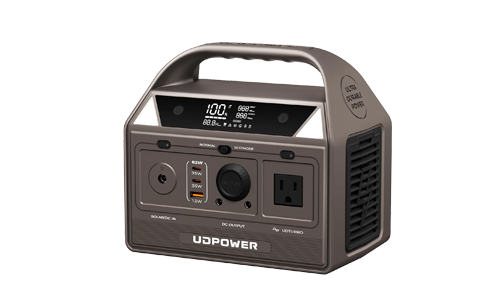
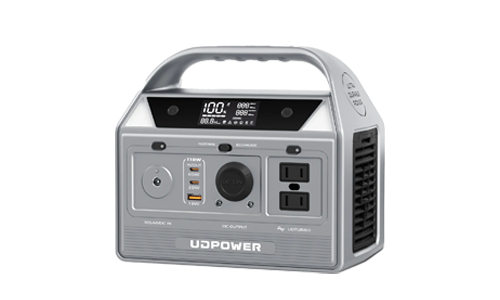
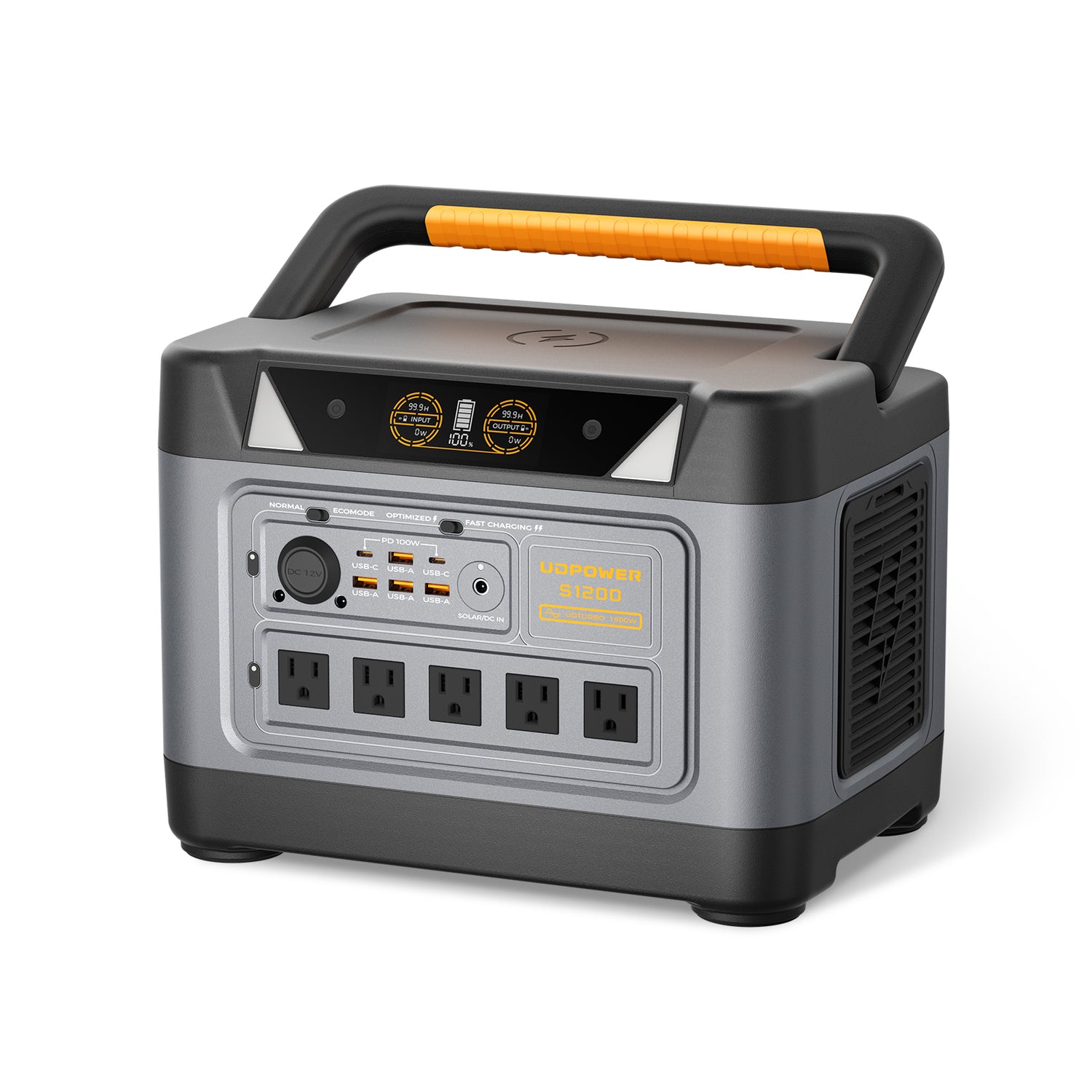 UDPOWER S1200 Portable Power Station
The S1200 is the more sensible pick if you are not trying to run a full-power 1,500W heater. Its official specs list 1,190Wh capacity, 1,200W rated output, up to 1,800W surge, 1.5-hour fast charging, 4,000+ cycles, and <10ms UPS backup. In plain terms, it fits people who want winter backup for essentials first, with room for low- to medium-watt heating only in shorter bursts.
Good follow-up reading: What Can a 1200W Portable Power Station Run?
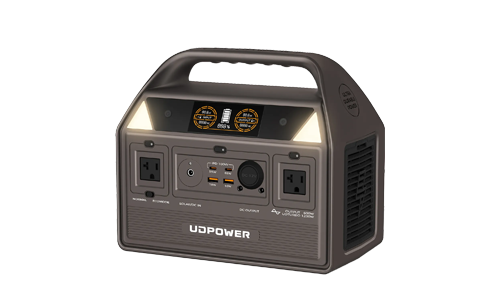
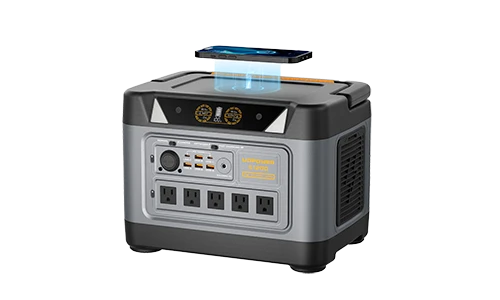
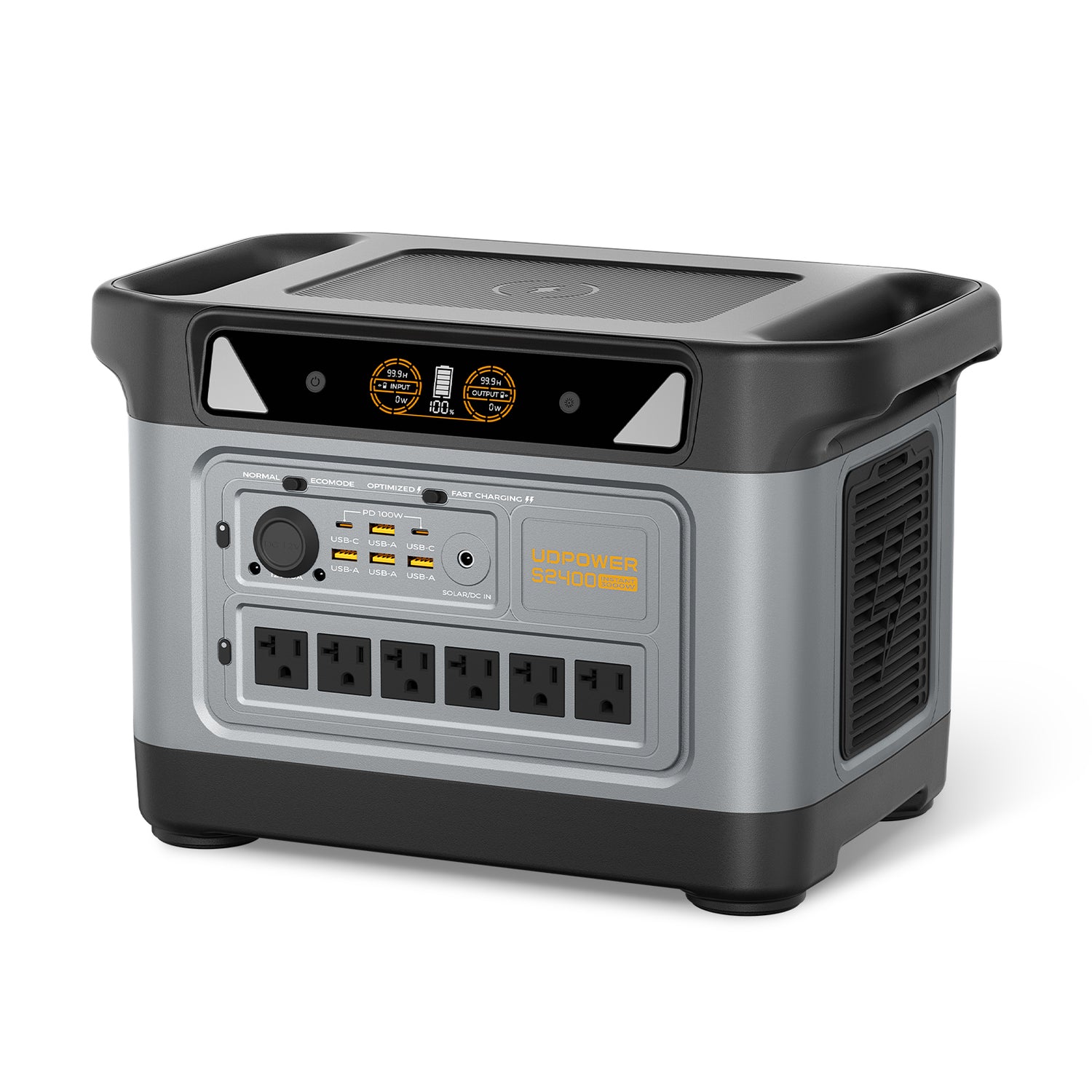 UDPOWER S2400 Portable Power Station
The S2400 is the better match when you know you may need to run a standard high-watt space heater for short windows. UDPOWER lists 2,083Wh capacity, 2,400W rated output, 3,000W surge, 1.5-hour fast charging, 4,000+ cycles, UPS response time ≤10ms, and 5-year warranty coverage. This is the one to look at when your winter backup plan includes heavier appliances, but the same rule still applies: heaters drain batteries fast. For broader high-load context, UDPOWER’s newer article What Can a 3000W Portable Power Station Run? is also worth reading.
Pair this with: UDPOWER’s runtime calculator before you assume any heater will last longer than it really will.
FAQ
Which type of space heater is best for a bedroom?
For many people, an oil-filled radiator or a ceramic heater with a dependable thermostat is the best place to start. Bedrooms usually reward quieter, steadier comfort more than raw heating speed.
Are infrared heaters cheaper to run than ceramic heaters?
Not automatically. The operating cost still comes down to watt draw and runtime. Infrared can feel cheaper in practice when it keeps one person comfortable without needing to heat the entire room as aggressively.
Are oil-filled radiators safer?
No heater is “safe enough” to ignore the basic rules. Oil-filled models are often quieter and gentler in use, but you still need clearance, stable placement, and proper supervision.
What type of space heater warms a room fastest?
Ceramic and fan-forced heaters usually warm the room fastest. Infrared heaters often feel fastest on your body, which is not always the same thing as bringing the whole room up to temperature.
Can a portable power station run a space heater?
Yes, sometimes. The real limit is both output and runtime. A power station may turn the heater on, but high-watt heating can drain the battery much faster than most buyers expect.
Can the UDPOWER S1200 run a 1,500W heater?
That is usually not the right match. The S1200 is rated at 1,200W continuous output, so most full-power 1,500W heater settings are beyond its natural comfort zone.
Can the UDPOWER S2400 run a standard space heater?
Yes. The S2400’s 2,400W rated output is enough for many standard heaters, including common 1,500W models. The bigger concern is runtime, which is why planning matters.
What matters more than heater type?
Room size, insulation, thermostat quality, noise tolerance, daily routine, and safe placement matter just as much as heater technology. The right heater for a desk corner is often the wrong one for a family living room.
Final takeaway
The best space heater is not the one with the most features. It is the one that fits the way you actually live. Ceramic heaters are great for fast relief. Infrared heaters shine when you stay in one place. Oil-filled radiators are hard to beat for quiet comfort. Panel-style heaters appeal to buyers who want a quieter, more refined middle ground. And if you are thinking about outage use, pair your heater expectations with real battery math before you buy.
If you want to stay warm without wasting money or buying the wrong tool, start with the room, then the routine, then the power source. That order usually leads to a much better decision than shopping by hype. And if this article has you rethinking backup power as part of your heating plan, browsing the full UDPOWER portable power station lineup after checking your actual heater wattage is the right next step.