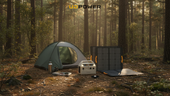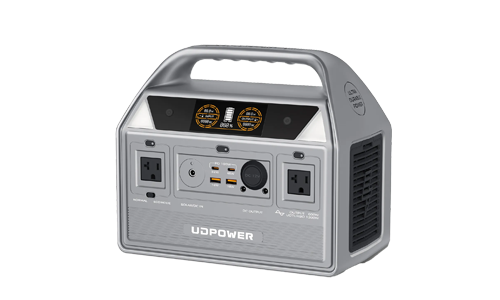
Best Solar Generator Kit Size for RV Weekends vs. Boondocking
ZacharyWilliamLast updated: April 29, 2026
Best Solar Generator Kit Size for RV Weekends vs. Boondocking
For RV power, the right kit is not just “the biggest battery.” A good setup matches your trip length, daily watt-hours, solar recovery, and the few appliances that can drain a battery fast. This guide gives practical kit sizes for 1–2 night RV weekends and 3–7 day boondocking trips, with UDPOWER examples you can actually compare.
Quick Answer: What Size Solar Generator Kit Do You Need?
For most 1–2 night RV weekends, choose a 1,000–1,500Wh solar generator kit with 120–240W of portable solar. This covers lights, phones, fans, laptops, CPAP, and moderate fridge cycling without making the setup oversized.
For 3–7 days of boondocking, start around 2,000Wh+ and pair it with 240–420W of solar panel wattage. The battery gets you through nights and cloudy gaps; the solar panels decide whether day four still feels comfortable.
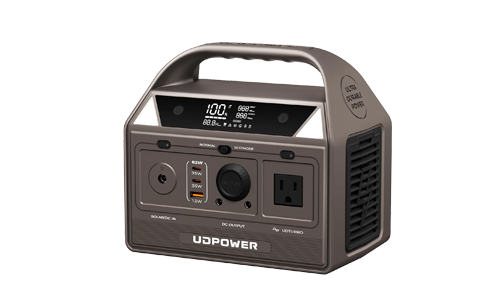
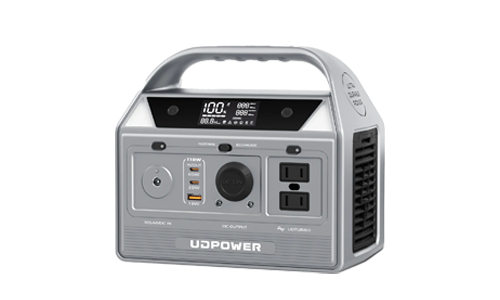
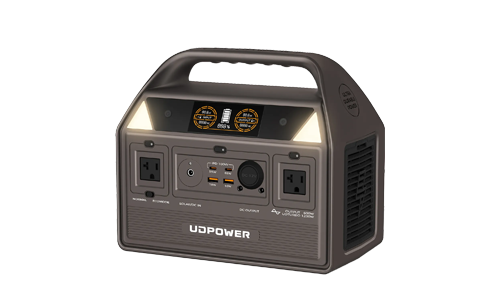
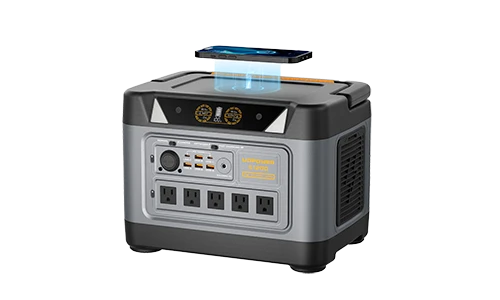
Best UDPOWER match: the UDPOWER S1200 is the practical weekend/RV comfort pick, while the UDPOWER S2400 is the stronger choice for longer boondocking, heavier AC loads, and more headroom.

Weekend vs. Boondocking: What Actually Changes?
A weekend RV trip and a week of boondocking can use the same devices, but the power strategy is different. On a short trip, stored battery capacity matters most. On a longer trip, daily recharge becomes the main constraint.
| Trip type | What matters most | Good solar generator target | Common mistake |
|---|---|---|---|
| 1-night light RV stop | Enough battery for overnight basics | 600–1,200Wh battery, 120W solar optional | Buying for peak watts only and forgetting overnight Wh use |
| 1–2 night RV weekend | Battery comfort plus some solar top-up | 1,000–1,500Wh battery, 120–240W solar | Assuming a fridge or CPAP is “small” without calculating hours |
| 3–4 day boondocking | Daily solar recovery and battery buffer | 1,500–2,500Wh battery, 240–420W solar | Having enough battery for day one but not enough solar for day three |
| 5–7 day boondocking | Solar routine, shade management, and load discipline | 2,000Wh+ battery, 300–600W solar where supported | Trying to run electric heat or rooftop A/C as a normal battery load |
Important RV Reality Check
Rooftop RV air conditioners, space heaters, electric water heaters, and long cooking sessions can overwhelm most portable solar generator kits. A solar generator is excellent for quiet essentials, fridge cycling, CPAP, fans, internet, lighting, laptops, and short appliance bursts. It is not a fuel generator replacement for continuous high-watt heating or all-day A/C.
Quick Size Chart: Pick by Trip Style
Use this as a first-pass sizing guide before you add your actual devices. If your RV has a residential fridge, Starlink, CPAP, or frequent microwave use, move one tier up.
| Trip style | Battery capacity target | AC output target | Solar panel target | Best for | UDPOWER fit |
|---|---|---|---|---|---|
| Weekend essentials | 600–1,200Wh | 600–1,200W continuous | 120W optional | Phones, lights, fan, laptop, light cooler use | S1200 unit only or S1200 + 120W |
| Weekend comfort | 1,000–1,500Wh | 1,200W+ continuous | 120–240W | CPAP, fridge cycling, laptops, fan, short kitchen bursts | S1200 + 240W Solar Panel Kit |
| Light boondocking | 1,200–2,000Wh | 1,200–2,400W continuous | 240–420W | Efficient RV loads, careful cooking, daily solar use | S1200 + 420W Solar Panel Kit |
| Boondocking with headroom | 2,000Wh+ | 2,400W continuous | 240–420W panel wattage | Longer stays, more devices, heavier AC loads, less rationing | S2400 + 420W Solar Panel Kit |
Note: Panel wattage is the panel’s nameplate rating. Actual charging depends on sunlight, panel angle, temperature, shade, and the power station’s solar input limit.
Build Your Daily RV Energy Budget
The easiest sizing method is simple: estimate how many watt-hours you use per day, then choose a battery that covers your nights and a solar setup that can refill a meaningful portion during the day.
Simple Formula
Daily watt-hours = watts × hours used per day.
Practical battery target = daily watt-hours × days of buffer × 1.15 to 1.25. The extra margin covers inverter loss, weather, and real-world use.
| RV load | Typical planning watts | Typical daily use | Estimated daily Wh | Why it matters | Source / check |
|---|---|---|---|---|---|
| Phones / tablets | 10–20W while charging | 1–4 hours | 10–80Wh | Usually not the problem unless many devices charge daily | Energy.gov estimating method |
| LED lights | 5–25W total | 3–6 hours | 15–150Wh | High comfort for very little energy | Energy.gov |
| Vent fan / portable fan | 15–40W | 6–10 hours | 90–400Wh | Often a better battery choice than trying to run A/C | Check device label |
| CPAP without heated humidifier | 30–60W | 6–8 hours | 180–480Wh | Plan conservatively; heated humidification can raise draw | ResMed battery guide |
| 12V compressor fridge / cooler | 40–80W while running | Cycles all day | 350–900Wh | Daily energy depends on ambient heat, airflow, and door openings | Check fridge label and manual |
| Laptop / remote work | 45–100W | 2–6 hours | 90–600Wh | USB-C direct charging often wastes less energy than AC charging | Energy.gov |
| TV / streaming box | 40–120W | 2–4 hours | 80–480Wh | Easy to overlook on long evenings | Check label or EnergyGuide info |
| Starlink / Wi-Fi router | 25–75W | 2–10 hours | 50–750Wh | Can become a major load if left on all day | Check actual model label |
| Coffee maker / kettle / toaster | 800–1,500W+ | 5–15 minutes | 70–375Wh | Energy may be manageable, but inverter output must be high enough | Check appliance label |
| Microwave | 900–1,500W+ | 3–10 minutes | 45–250Wh | A short-use, high-wattage load; output rating matters | Check appliance label |
| Electric space heater | 1,200–1,500W | 1–6 hours | 1,200–9,000Wh | Usually not practical as a primary RV battery load | Energy.gov |
Three Realistic RV Daily Budgets
| Power profile | Example daily use | Daily Wh target | What to buy |
|---|---|---|---|
| Light weekend | Phones, LED lights, fan, some laptop charging | 400–800Wh/day | 600–1,200Wh station; solar optional but useful |
| Comfort weekend | Fridge cycling, CPAP, lights, laptop, fan, short TV use | 900–1,600Wh/day | 1,000–1,500Wh station plus 120–240W solar |
| Boondocking normal | Fridge, CPAP or internet, fans, laptops, short kitchen loads | 1,400–2,400Wh/day | 2,000Wh+ station plus 240–420W solar panel wattage |
Solar Sizing That Works in the Real World
Solar panel wattage is a best-case rating, not a promise that you will get that wattage all day. RV campsites have trees, dust, hot panels, short winter days, bad angles, and clouds. A safe planning estimate is:
Daily Solar Harvest Formula
Estimated daily solar Wh = panel watts × peak sun hours × 0.60 to 0.75.
Use 0.65 for a conservative RV planning number. For location-specific solar estimates, use NREL PVWatts.
| Solar panel setup | Planning condition | Estimated daily harvest | Best use | Source / product |
|---|---|---|---|---|
| 120W portable panel | 3–5 peak sun hours × 0.65 | 235–390Wh/day | Weekend top-ups, lights, phones, fans, laptop recovery | UDPOWER 120W panel |
| 240W portable setup | 3–5 peak sun hours × 0.65 | 470–780Wh/day | Comfort weekends and light boondocking with disciplined loads | S1200 + 240W kit |
| 420W panel wattage setup | 3–5 peak sun hours × 0.65 | 820–1,365Wh/day before station/input limits | Longer RV stays, fridge + CPAP + laptop recovery, less rationing | UDPOWER Solar Generators |
For a 3–7 day trip, do not size solar only for “perfect noon sun.” Size it for the average day you are likely to get at your campsite.
Recommended UDPOWER Solar Generator Kits
These recommendations focus on RV weekends and boondocking, not ultra-small picnic power. Prices and availability can change, so use the product page as the final source before publishing or promoting a deal.
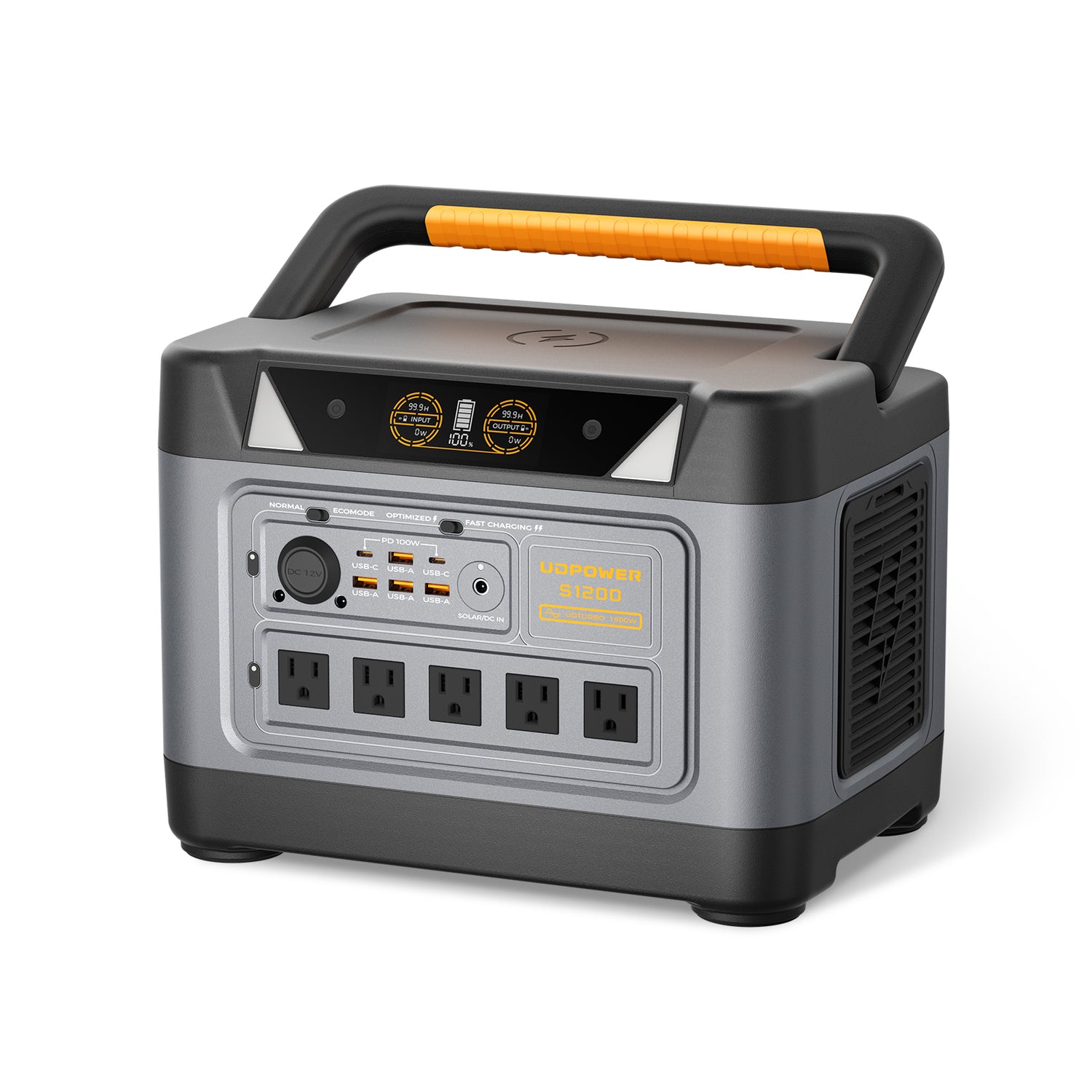
Best for Most RV Weekends: UDPOWER S1200
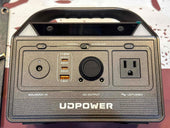
The S1200 is the most practical starting point for RV weekends because it gives you a real 1,190Wh battery, 1,200W AC output, and enough headroom for common camp loads without becoming too heavy to move around.
- Capacity: 1,190Wh
- AC output: 1,200W rated, UDTURBO surge support up to 1,800W
- Battery: LiFePO4, 4,000+ cycles
- Weight: about 26.0 lb
- Best RV fit: 1–2 nights with fridge cycling, CPAP, fans, lights, laptops, and short appliance bursts
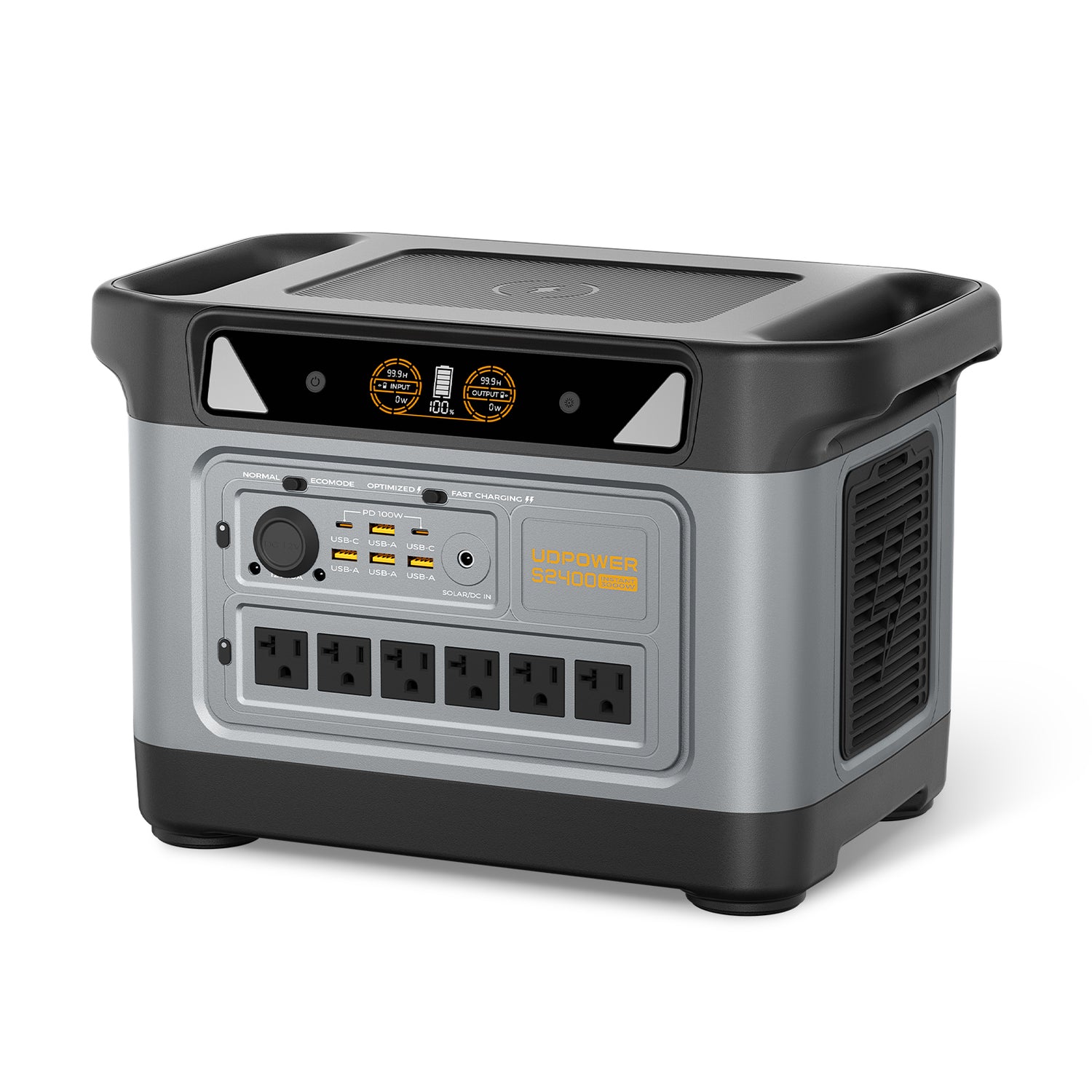
Best for 3–7 Day Boondocking: UDPOWER S2400
The S2400 is the better fit when you need longer runtime, higher AC output, and more flexibility for heavier campsite loads. It is still portable, but it gives you a larger 2,083Wh battery and 2,400W AC output for real RV use.
- Capacity: 2,083Wh
- AC output: 2,400W rated, UDTURBO surge support up to 3,000W
- Solar input: 12–50V, 10A max; supports up to 400W solar charging
- Weight: about 40.8 lb
- Best RV fit: longer boondocking, fridge + CPAP + laptop + fan, short high-watt appliance use
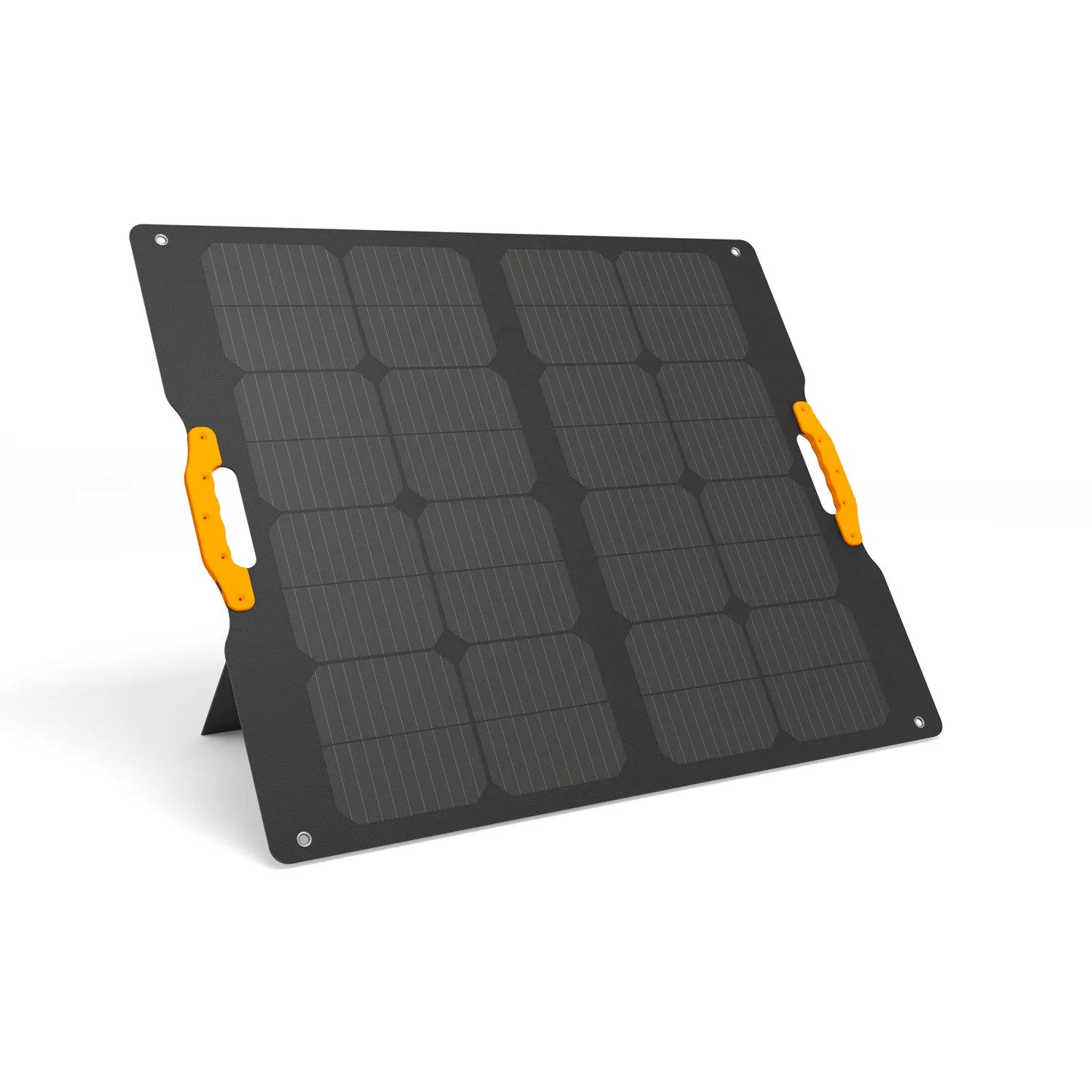
Best Add-On for Simple Top-Ups: UDPOWER 120W Portable Solar Panel
The 120W panel is a good match for RV owners who want a simple foldable panel for top-ups, weekend extension, and charging smaller daily loads.
- Rated power: 120W
- Efficiency: ≥22%
- Waterproof class: IP65
- Weight: about 8.93 lb
- Best RV fit: weekend recovery, lighter loads, and easy portable placement
Why Not Just Recommend the Largest Kit to Everyone?
Because RV storage space, panel setup time, weather, device habits, and budget all matter. A weekend camper with efficient loads may be happier with an S1200 kit. A boondocker running a fridge, CPAP, fan, internet, and laptop every day will appreciate the S2400’s larger battery and output headroom.
Realistic Runtime Examples
The estimates below use a practical planning assumption of about 85% usable energy for AC loads. DC and USB loads may do better. Real runtime varies by appliance behavior, temperature, startup surge, cable loss, and whether other devices are running at the same time.
| Load | Planning watts | S1200 estimated runtime | S2400 estimated runtime | RV interpretation |
|---|---|---|---|---|
| CPAP without heated humidifier | 40W | About 25 hours | About 44 hours | Usually multiple nights if CPAP is the main load |
| Portable fan | 30W | About 34 hours | About 59 hours | Good use of battery power in warm weather |
| Laptop work setup | 65W | About 15.5 hours | About 27 hours | Plan lower if screen brightness or workload is high |
| 12V fridge/cooler while compressor runs | 60W | About 16.8 compressor hours | About 29.5 compressor hours | Because fridges cycle, this may cover longer clock time |
| TV + streaming | 90W | About 11.2 hours | About 19.7 hours | Manage evening entertainment on long trips |
| Coffee maker | 1,000W | Short bursts only | Short bursts with more headroom | Output rating matters more than daily Wh |
| Microwave | 1,200W | Near the S1200 continuous limit | Comfortable output headroom | Use briefly; check appliance input watts |
Do Not Size a Kit Around “Average Watts” Only
A fridge is a daily watt-hour problem because it cycles all day. A microwave is an output problem because it demands high watts immediately. A CPAP is an overnight reliability problem because it runs for hours. A good RV power plan looks at all three.
Panel Pairing and Voltage Checks
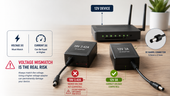
Before pairing solar panels with a portable power station, check the power station’s solar input voltage range, maximum current, and maximum solar charging wattage. Then compare those numbers with the panel’s open-circuit voltage and operating voltage.
| Item | Key solar spec | What it means for RV use | Source |
|---|---|---|---|
| UDPOWER S1200 | Supports high-watt solar kit options; commonly paired with 120W, 240W, or 420W panel wattage kits | Best flexible choice for 1–2 night RV weekends and light boondocking | S1200 product page |
| UDPOWER S2400 | 12–50V, 10A max; up to 400W solar charging | Great for boondocking, but panel voltage still needs to stay within the published input range | S2400 product page |
| UDPOWER 120W panel | Rated 120W, open-circuit voltage 17.8V, efficiency ≥22% | Simple, portable, and easy to aim; strong fit for weekend top-ups | 120W panel specs |
| UDPOWER 210W panel | Rated 210W, open-circuit voltage 48.0V, efficiency ≥22% | Higher wattage, but voltage compatibility matters more; check station input before pairing | 210W panel specs |
Parallel vs. Series for Portable RV Panels
For most portable RV panel setups, parallel wiring is the safer everyday approach because it keeps voltage closer to a single panel while increasing current. Series wiring raises voltage, which can be useful in some solar systems but can also exceed a portable power station’s input limit if the panels are not matched correctly.
For UDPOWER-specific pairing details, read the UDPOWER 120W vs. 210W vs. 2×120W Solar Panel Pairing Guide.
Common Mistakes That Drain RV Solar Generator Kits
- Counting panel watts as guaranteed charging watts. A 120W panel will not produce 120W all day. Shade, heat, angle, dust, and clouds all reduce harvest.
- Leaving the inverter on with no reason. AC mode can use standby power. Use DC or USB where practical.
- Running electric heat. A 1,500W heater can use more in one hour than all your lights and phones use in days.
- Forgetting the fridge cycle. A compressor fridge may look low-watt, but it works all day and reacts strongly to heat.
- Buying by surge watts only. Surge helps start motors, but battery capacity determines how long you can keep camping.
- Putting panels in “pretty good” sun. Partial shade across one panel section can cut output hard. Move the panel and watch input watts.
- Ignoring campground rules. Some parks restrict generator hours, which makes quiet battery and solar planning more valuable. Always check local rules before you go. Example: Joshua Tree National Park lists specific generator-use windows.
FAQ: RV Solar Generator Kit Size
What size solar generator do I need for a 1–2 night RV weekend?
Most RV weekends are comfortable with a 1,000–1,500Wh portable power station and 120–240W of solar. If you only charge phones, lights, and a fan, you can go smaller. If you run a fridge, CPAP, laptop, or TV, the S1200 class is a safer starting point.
What size solar generator do I need for 3–7 days of boondocking?
For 3–7 days, start around 2,000Wh and pair it with enough solar to refill daily use. A setup like the UDPOWER S2400 with 240–420W panel wattage is a better fit than a small weekend battery because the trip depends on daily recovery, not just stored energy.
Is more battery or more solar better for boondocking?
You need both, but after the first day or two, solar becomes the difference. More battery helps you survive a cloudy day. More solar helps you avoid slowly draining to zero during the trip.
Can a solar generator run an RV refrigerator?
Yes, if the refrigerator’s running watts and startup surge fit the power station’s output rating. Runtime depends on the fridge’s duty cycle, outside temperature, airflow, and how often the door opens. For RV planning, use a daily watt-hour range instead of one perfect watt number.
Can a solar generator run a CPAP overnight in an RV?
Yes. A CPAP without heated humidification often fits well within a mid-size or large portable power station. For the best runtime, turn off heated humidification if your therapy allows it, and check your CPAP model’s label or manual before the trip.
Can I run a microwave or coffee maker from a portable power station?
Often yes, but only if the power station’s rated AC output is high enough. These appliances do not usually run long, so their daily watt-hours may be reasonable, but their instant watt demand can trip a smaller inverter.
Can a portable solar generator run an RV rooftop A/C?
Sometimes, but it is one of the hardest RV loads. Rooftop A/C units need high startup power and high sustained running power. If A/C is your priority, size the entire system around that load first and expect limited runtime.
Is a 120W solar panel enough for RV boondocking?
A single 120W panel is useful for weekend top-ups and small daily loads, but it is usually not enough by itself for 3–7 days of fridge, CPAP, laptop, fan, and internet use. For boondocking, 240W or more is usually a more realistic starting point.
Do I need a transfer switch for an RV solar generator?
Not for simple plug-in use. Most RV owners plug individual devices directly into the power station. If you want to connect a power station into an RV electrical system, use a qualified electrician or RV technician and follow the power station’s manual and local electrical rules.
Choose the Right RV Solar Generator Kit
For a normal RV weekend, start with the S1200 and add solar based on how often you recharge. For 3–7 days of boondocking, step up to the S2400 and prioritize daily solar recovery. The better your daily watt-hour estimate, the easier the choice becomes.
View Solar Generator Kits View S1200 View S2400