

Best Bang for the Buck 1000-Watt Power Station in 2026
Last updated:
Quick Answer
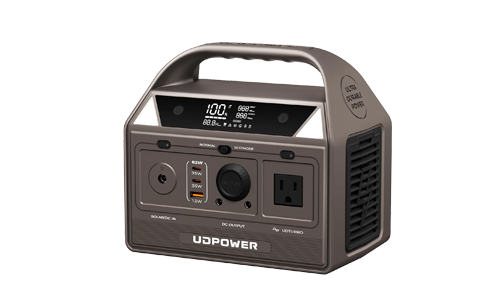
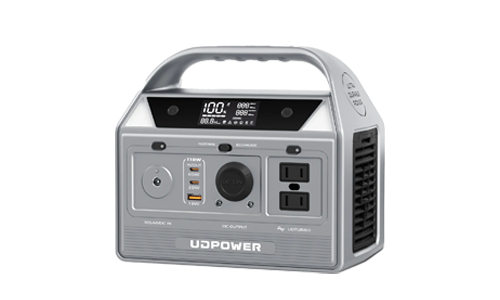
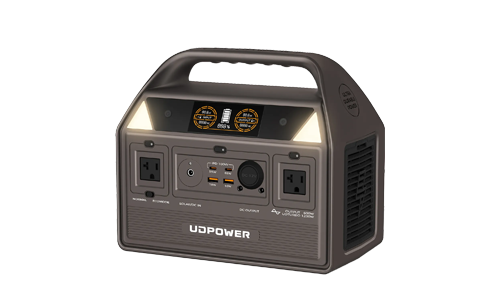
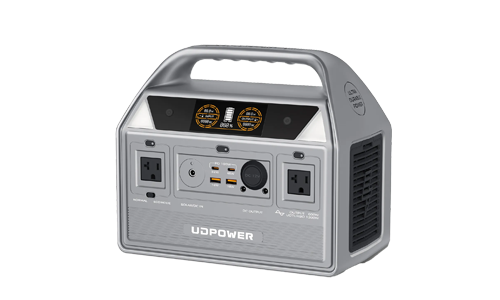
For buyers who care most about usable runtime per dollar, the UDPOWER S1200 is one of the strongest values in the roughly 1kWh power-station class as of August 6, 2026. Its current official price of $399.99 buys 1,190Wh of battery capacity, 1,200W of rated pure sine wave AC output, up to 1,800W through UDTURBO for compatible loads, a 400W solar input limit, LiFePO4 battery chemistry, a less-than-10-millisecond UPS function, and a five-year warranty.
It is not automatically the right choice for everyone. Buyers who routinely operate 1,500W to 2,000W appliances may get more practical value from a higher-output model. People who only need to recharge phones, laptops, lights, or a small fan may save money and carrying weight with a smaller station.

What “Best Bang for the Buck” Really Means
The cheapest power station is not necessarily the best value. A low price can become expensive if the station cannot start your refrigerator, runs out halfway through the night, charges too slowly for your routine, or comes with limited warranty coverage.
A useful value comparison should answer five practical questions:
- Capacity value: How many watt-hours do you receive for each dollar?
- Output fit: Can the inverter run the appliances you actually plan to use?
- Runtime: How much energy is likely to reach connected devices after normal conversion losses?
- Recharge flexibility: Can you recharge from a wall outlet, vehicle, or adequately sized solar panels?
- Ownership value: Are warranty coverage, returns, cables, connectors, and support included?
A Better Value Calculation
Start with price per watt-hour, but do not stop there. Capacity tells you how long a station may run your equipment. Rated output tells you whether it can run that equipment at all.
The 90% factor is a practical planning estimate for conversion losses. Actual results vary with appliance behavior, temperature, battery state, inverter load, idle draw, and whether a compressor or motor cycles on and off.
Buyers who are new to electrical specifications should also remember that watts and watt-hours are different. Watts measure how much power a device needs at a given moment. Watt-hours measure how much stored energy the power station has. The guide What Can a 1000W Portable Power Station Run? explains this distinction with common appliance examples.
Current 1kWh Power-Station Value Comparison
The table below compares representative LiFePO4 power stations using prices and specifications listed on their official U.S. websites on August 6, 2026. Temporary sales, coupon codes, bundles, member pricing, and local taxes can change the ranking, so always open the official source before purchasing.
| Model | Official Price Checked | Capacity | Rated AC Output | Weight | Price per Wh | Wh per Pound | Best Value For | Official Source |
|---|---|---|---|---|---|---|---|---|
| UDPOWER S1200 | $399.99 | 1,190Wh | 1,200W | 26.0 lb | About $0.34 | About 45.8Wh/lb | Runtime-focused value, outages, camping, refrigerator backup | UDPOWER product page |
| BLUETTI Elite 100 V2 | $499 | 1,024Wh | 1,800W | 25 lb | About $0.49 | About 41.0Wh/lb | Higher rated output at a midrange price | BLUETTI official page |
| Jackery Explorer 1000 v2 | $599 | 1,070Wh | 1,500W | 23.8 lb | About $0.56 | About 45.0Wh/lb | Buyers prioritizing lower carrying weight | Jackery official page |
| EcoFlow DELTA 3 Plus | $719 | 1,024Wh | 1,800W | 27.6 lb | About $0.70 | About 37.1Wh/lb | Higher solar input and broader premium features | EcoFlow official page |
Calculations use listed price divided by advertised capacity. A lower price per watt-hour generally favors longer runtime value, while higher rated output may be more important for power-hungry appliances.
What the Numbers Show
At the checked official prices, the S1200 provides the lowest cost per advertised watt-hour in this comparison. It also offers the highest capacity-to-weight ratio by a narrow margin. That makes it especially compelling for buyers who want more backup time without moving into a much heavier or more expensive battery.
The BLUETTI model provides more rated inverter output per dollar, which may make it a better fit for someone whose main concern is running higher-wattage equipment. The Jackery is lighter, while the EcoFlow offers stronger solar-input capability. This is why there is no universal winner: the best value depends on whether your limiting factor is runtime, output, weight, recharge speed, or solar capacity.
Do Not Compare Charging Claims Without Checking the Details
One manufacturer may advertise the time to reach 80%, while another publishes the time to reach 100%. Some figures require a special fast-charge or emergency mode. Treat charging headlines as a starting point, then check the endpoint, input wattage, operating mode, and battery-temperature conditions on the official page.
Why the UDPOWER S1200 Stands Out
1. More Battery Capacity Than Many “1kWh” Competitors
Many products in this category provide about 1,024Wh. The S1200 provides 1,190Wh, giving it roughly 16% more advertised capacity than a 1,024Wh station. That difference can matter during a long outage, an overnight CPAP setup, or a camping trip where wall charging is unavailable.
2. Its Price Favors Runtime-First Buyers
At $399.99, the simple advertised-capacity calculation is approximately 33.6 cents per watt-hour. Using a 90% planning factor leaves approximately 1,071Wh available for estimated AC-device runtime. That is about 2.68 usable watt-hours per dollar before accounting for appliance-specific losses.
3. The 1,200W Rated Output Covers Common Backup Loads
A 1,200W pure sine wave inverter can handle many refrigerators, televisions, internet equipment, laptops, CPAP machines, fans, lights, battery chargers, and small kitchen appliances, provided the combined continuous load remains within the station's limits.
UDTURBO can support compatible loads above the 1,200W rated output, up to 1,800W. This should not be treated as permission to connect every 1,800W appliance. Compatibility depends on the appliance's power-control design, startup behavior, and operating profile, and conversion efficiency can decrease when operating above the rated output.
Before connecting an unfamiliar appliance, follow the portable power station compatibility checklist.
4. It Balances Capacity and Portability
The S1200 weighs approximately 26 pounds and measures 13.7 × 9.5 × 9.7 inches. It is not a pocket-size battery, but it remains manageable for car camping, emergency storage, work sites, tailgating, and moving between rooms during an outage.
5. Multiple Recharge Options Reduce Downtime
The station supports AC wall charging, vehicle charging, and solar input. The maximum solar input is 400W within the station's supported voltage and current range. Actual solar production depends on sunlight, panel angle, shade, temperature, cable loss, and panel compatibility.
Browse compatible options in the UDPOWER solar panel collection or compare complete solar generator kits.
6. Warranty Coverage Adds Long-Term Value
A lower purchase price matters less if support disappears after the sale. The S1200 includes a five-year warranty, and UDPOWER's published policy includes a 30-day return window subject to the stated terms and conditions. Review the UDPOWER warranty policy before purchasing.
Recommended for Runtime-First Value: UDPOWER S1200
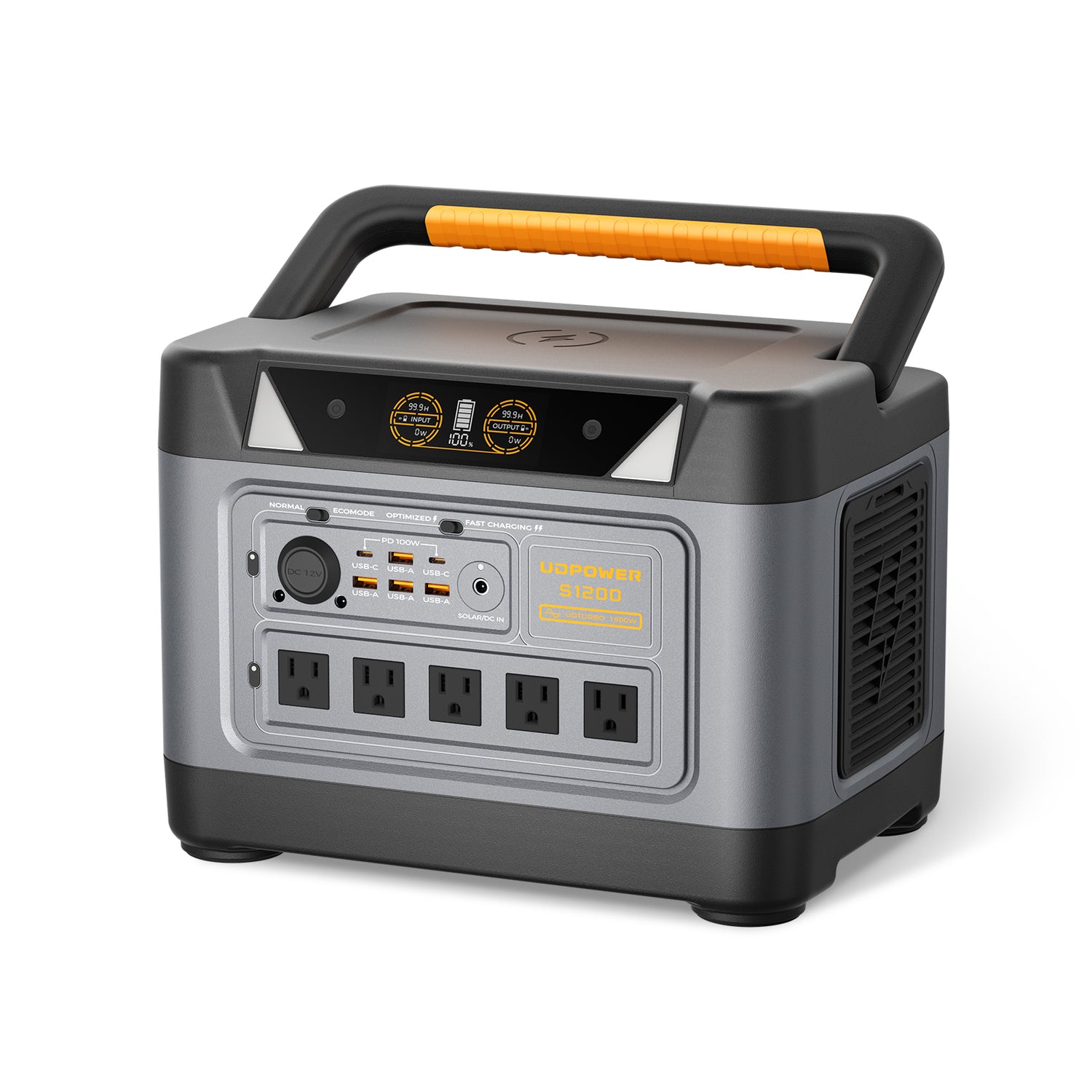
The S1200 is best suited to buyers who need a practical middle ground between a small charging battery and a much heavier high-output power station. It provides enough energy for meaningful refrigerator, communications, medical-device, camping, and electronics backup without moving into the size and price of a 2kWh-class unit.
- Battery capacity: 1,190Wh
- Rated AC output: 1,200W pure sine wave
- UDTURBO capability: Up to 1,800W for compatible loads
- Battery chemistry: LiFePO4
- Cycle-life claim: 4,000+ cycle design
- Maximum solar input: 400W
- AC recharge time: Approximately 1.5 hours under stated conditions
- UPS transfer time: Less than 10 milliseconds
- AC outlets: Five
- Additional outputs: USB-C PD, USB-A, DC5521, and 12V car outlet
- Weight: Approximately 26 pounds
- Dimensions: 13.7 × 9.5 × 9.7 inches
- Warranty: Five years
Realistic Runtime Examples
Runtime is where extra battery capacity becomes useful. The following estimates use 1,190Wh × 90% efficiency, or approximately 1,071 usable watt-hours. They are planning examples rather than guaranteed results.
| Example Load | Planning Wattage | Estimated Runtime | What Can Change the Result |
|---|---|---|---|
| Modem and Wi-Fi router | 20W | About 53.6 hours | Network equipment wattage and AC idle consumption |
| CPAP without heated humidifier | 40W | About 26.8 hours | Pressure setting, humidifier, heated hose, mask leakage, and machine model |
| Laptop workstation | 65W | About 16.5 hours | Processor load, screen brightness, charger efficiency, and battery charging |
| Television, router, and LED light | 140W combined | About 7.7 hours | TV size, picture mode, and changing device load |
| Refrigerator planning average | 100W average | About 10.7 hours | Compressor cycling, startup surge, room temperature, door opening, and refrigerator size |
| E-bike charger | 300W | About 3.6 hours | Charger input, battery state, charging taper, and conversion loss |
| Small cooking appliance | 800W | About 1.3 hours of continuous operation | Heating cycles and actual cooking duration |
| High continuous load | 1,000W | About 1.1 hours | Inverter heat, battery temperature, and sustained load efficiency |
Runtime Tip
For refrigerators, freezers, pumps, and other cycling appliances, a plug-in watt meter provides a better estimate than the nameplate alone. Measure total energy use over several hours, including at least one compressor cycle, then use the UDPOWER runtime calculator.
For additional examples, read How Long Does a 1000W Power Station Last? and use the refrigerator runtime comparison tool.
Where a 1000W-Class Power Station Makes Sense
| Use Case | Why This Size Works | Important Limit | Best Next Step |
|---|---|---|---|
| Short home outage | Can prioritize a refrigerator, internet equipment, phones, lights, and a television | It is not a whole-home battery and should not be connected directly to household wiring | Create a priority-load list before the outage |
| Overnight CPAP backup | Provides substantially more energy than small laptop-style batteries | Heated humidifiers and hoses can increase consumption significantly | Check the CPAP power label and test the complete setup in advance |
| Car camping | Balances refrigerator, lighting, charging, and occasional cooking needs | High-watt heating appliances can drain the battery quickly | Use propane or another appropriate energy source for long-duration heating when allowed |
| RV electronics support | Useful for devices, entertainment, fans, a portable refrigerator, and charging | It is not a replacement for a properly sized RV electrical system or large air conditioner supply | Add the actual simultaneous wattage of all intended loads |
| E-bike charging | Can provide a practical off-grid recharge for many common chargers | A “1000W e-bike” does not necessarily use a 1000W charger | Read the charger's AC input label rather than the motor rating |
| Remote work | Can run laptops, displays, internet equipment, cameras, and device chargers | Desktop PCs and large monitors may use much more power than laptops | Measure the complete workstation at the wall |
| Photography and field production | Supports camera batteries, lighting, laptops, drones, and small production tools | High-output lighting can shorten runtime quickly | Build a daily watt-hour budget for all batteries and lights |
Campers can use the camping power station buying guide to build a more detailed equipment list.
When the S1200 Is Not the Best Choice
Choose a Smaller Station for Light Electronics
For phones, tablets, laptops, LED lights, small fans, and brief trips, a lower-capacity model such as the C400 or C600 may provide enough energy with less weight and a lower initial cost. Compare current options in the portable power station collection.
Choose a Higher-Output Station for Multiple Large Appliances
The S1200 is not intended to run an entire house. Buyers who need to operate several appliances simultaneously, use higher-wattage tools, or obtain longer outage runtime should consider a higher-capacity model such as the UDPOWER S2400.
The S1200 versus S2400 comparison explains the capacity, output, weight, and use-case differences.
Choose an Installed System for Whole-Home Backup
Central air conditioning, electric water heating, clothes dryers, electric ranges, large well pumps, and whole-home circuits often require far more output and energy than a portable station can supply. Consult a qualified electrician for transfer equipment and installed backup systems.
The Five-Minute Buying Checklist
- Write down the devices you need to run. Separate essential loads from optional comforts.
- Add their simultaneous running watts. Do not add appliances that will never operate at the same time.
- Check startup loads. Refrigerators, compressors, pumps, and some tools can briefly require more power when starting.
- Estimate required watt-hours. Multiply each device's watts by the hours you expect to use it, then add the results.
- Add a practical reserve. Avoid planning around 100% of advertised capacity.
- Check recharge opportunities. Decide whether you will have wall power, vehicle charging, or enough sunlight and solar input.
- Compare the complete price. Include panels, cables, adapters, shipping, tax, and accessories.
- Read warranty and return terms. Do this before ordering, not after a problem occurs.
Simple Decision Rule
Choose the S1200 when your simultaneous continuous load generally stays below 1,200W and your energy requirement fits within roughly 1,071 usable watt-hours per charge. Choose a smaller model when portability and low cost matter more than overnight runtime. Choose a larger model when high continuous output or multi-day backup is the priority.
Frequently Asked Questions
Is a 1000W power station enough for a refrigerator?
It can be enough for many household refrigerators, but you must check both running wattage and compressor startup demand. Runtime depends on the refrigerator's average energy use, room temperature, food load, door opening, and compressor cycle.
Can a 1000W power station run a microwave?
Some smaller microwaves may work, but the number printed as cooking output is often lower than the electrical input drawn from the wall. Check the input-wattage label. A microwave that draws more than the station's supported output may not operate reliably.
How long will a 1,190Wh power station run a 100W appliance?
Using a 90% planning factor, the estimate is approximately 10.7 hours. Actual runtime may be shorter or longer depending on inverter efficiency, idle draw, temperature, and whether the appliance cycles.
Can the UDPOWER S1200 run an appliance above 1,200W?
UDTURBO can support compatible appliances above the 1,200W rated output, up to 1,800W. Compatibility is not guaranteed for every appliance, especially equipment with demanding motors, compressors, electronic controls, or unusual startup behavior. Efficiency may also decrease above rated output.
Is the S1200 suitable for CPAP backup?
It can support many CPAP machines when the machine's power requirements are within the station's limits. Heated humidifiers and heated tubing can increase consumption substantially. Follow the CPAP manufacturer's instructions and test the complete setup before relying on it during an outage.
How much solar power can the S1200 accept?
The maximum supported solar input is 400W, subject to the station's supported voltage, current, and connector requirements. A panel's advertised wattage is a laboratory rating; real output normally changes with weather, angle, shade, and temperature.
Can I use the S1200 as a whole-home backup system?
No. It is a portable power station for selected appliances and electronics, not a whole-home electrical system. Do not connect it directly to household wiring unless using approved equipment installed by a qualified professional.
Is price per watt-hour the best way to compare power stations?
It is useful for comparing stored-energy value, but it does not show whether a station has enough inverter output, fast enough recharging, suitable solar input, manageable weight, appropriate ports, or adequate warranty coverage.
Is a 1kWh power station worth buying for camping?
It is often a practical size for a portable refrigerator, lights, phones, cameras, laptops, fans, and occasional small appliances. It may be excessive for minimalist overnight trips and insufficient for frequent electric heating or air conditioning.
What is the biggest mistake when buying a portable power station?
The most common mistake is comparing only battery capacity or only inverter wattage. A good match must provide both enough output to operate the appliance and enough stored energy to run it for the required time.
Choose the Right Portable Power Station
Compare capacity, output, weight, charging options, and current pricing before deciding. Start with your actual appliances rather than choosing by model name alone.
View Portable Power Station Selection View the UDPOWER S1200 Calculate Your Expected RuntimeRelated Articles


1 comment
I’m really interested in your product for multiple reasons but can’t seem to pay $350 for the S1200 model. Do you offer any promotional discounts, i work for an HVAC co and would be very useful. Please let me know. Thank you.