What Does Coastal Flooding Advisory Mean?
A Coastal Flood Advisory means minor coastal flooding is happening or expected soon, often around high tide. This guide explains how to read the advisory, how it differs from coastal flood warnings and storm surge alerts, what roads and low-lying areas are most at risk, and what homeowners should do before, during, and after flooding. It also includes practical backup power planning tips for keeping phones, lights, Wi-Fi, CPAP machines, fans, and refrigerators running during short coastal storm outages.
A Coastal Flood Advisory means minor coastal flooding is happening now or is expected soon. It usually does not mean a catastrophic flood, but it can still flood low roads, beach access routes, parking lots, marinas, tidal riverfronts, and shoreline neighborhoods. The smartest response is simple: check the timing of the next high tide, move vehicles and valuables out of low areas, avoid flooded roads, and prepare for short power or access disruptions.

The phrase many people search for is “coastal flooding advisory,” but the official National Weather Service wording is usually Coastal Flood Advisory. Either way, the message is the same: water from the ocean, bay, gulf, sound, tidal river, or nearby coastal waterway may push onto normally dry land.
What a Coastal Flood Advisory Means
A Coastal Flood Advisory is issued when minor or nuisance coastal flooding is occurring or expected. “Minor” does not mean harmless. It means the flooding is not expected to reach the severity of a coastal flood warning, but it may still create travel problems, property inconvenience, and safety hazards in low-lying coastal areas.
In real life, this can look like water covering a waterfront street at high tide, saltwater splashing over a seawall, parking lots filling near a marina, or a road to a beach community becoming difficult to pass for a few hours.
Practical takeaway: Treat the advisory as an early-action alert. You may not need to evacuate, but you should not wait until water is already across the road to move your car, charge your phone, or check your route home.
Coastal Flood Advisory vs Watch vs Warning
Weather alerts can sound similar, but they do not mean the same thing. Use this table to quickly understand the difference.
| Alert term | Plain-English meaning | What you may notice | Best action | Source |
|---|---|---|---|---|
| Coastal Flood Advisory | Minor or nuisance coastal flooding is occurring or expected soon. | Low roads, shore parking, marinas, docks, and beach access roads may flood around high tide. | Move vehicles early, avoid flooded roads, check tide timing, and protect low-lying items. | National Weather Service |
| Flood Advisory | Flooding is not expected to be severe enough for a warning, but it can still cause significant inconvenience. | Ponding on roads, poor drainage flooding, or water in areas that usually stay dry. | Slow down, reroute, and avoid walking or driving through water. | National Weather Service |
| Coastal Flood Warning | More serious coastal flooding is occurring, imminent, or expected. | Flooding may threaten property and safety, not just cause inconvenience. | Take immediate protective action and follow local emergency instructions. | National Weather Service |
| Storm Surge Watch or Warning | A hurricane or tropical system may bring life-threatening coastal water rise. | Water can move inland through bays, rivers, canals, and low coastal terrain. | Know your evacuation zone and follow local officials immediately. | NOAA National Hurricane Center |
The biggest mistake is assuming “advisory” means “ignore it.” A coastal flood advisory is often the alert that gives you time to act before the water reaches the most inconvenient places.
What Causes Coastal Flooding?
Coastal flooding happens when water from a coastal body of water is pushed or lifted onto land. Rain can make conditions worse, but a coastal flood advisory is mainly about water coming from the coast, bay, gulf, sound, or tidal river rather than only from rainfall.
| Cause | How it raises water | Common warning sign | What residents should watch |
|---|---|---|---|
| High astronomical tide | Normal tide cycle reaches an unusually high level. | Water reaches docks, boat ramps, and low roads even without heavy rain. | Check the next high tide time, not just the weather radar. |
| Onshore wind | Wind pushes water toward the coast and prevents normal drainage. | Water piles up along seawalls, bays, and tidal rivers. | Look for wind direction and duration, not only wind speed. |
| Low pressure system | Lower air pressure can let water levels rise slightly. | Water levels stay elevated through more than one tide cycle. | Expect flooding to last beyond a single hour in some locations. |
| Nor’easter or coastal storm | Long-duration wind and waves push water inland. | Beach erosion, overwash, and repeated high-tide flooding. | Prepare for road closures and longer access problems. |
| Tropical storm or hurricane | Storm surge and wave action can create dangerous coastal water rise. | Officials mention storm surge, evacuation zones, or life-threatening flooding. | Follow local emergency managers instead of relying only on the advisory headline. |
Where Minor Coastal Flooding Usually Shows Up First
Coastal flood advisories often affect the same weak spots over and over. If you live near the water, learn these locations before the next advisory arrives.
| Area | Why it floods early | What to do before high tide |
|---|---|---|
| Low coastal roads | They sit close to the tide line or near poor drainage areas. | Move your car and choose a higher alternate route. |
| Marinas and boat ramps | Water rises directly onto pavement and docks. | Secure loose gear and avoid walking on submerged surfaces. |
| Beach access roads | Wave runup and overwash can cover sand or pavement. | Do not park near dune cuts or low beach entrances. |
| Tidal riverfronts | Coastal water can back up into rivers and creeks. | Watch local river gauges and neighborhood alerts. |
| Ground-level storage areas | Saltwater can enter garages, sheds, and crawlspaces. | Lift tools, batteries, extension cords, documents, and pet supplies off the floor. |
If your street has flooded before during a high tide, assume it can flood again during a coastal flood advisory. Past neighborhood behavior is often more useful than a general county-level alert.
What to Do When a Coastal Flood Advisory Is Issued
The best response is not panic. It is timing. Most minor coastal flooding is tied to tide cycles, so your window for action may be a few hours before the highest water arrives.
Before water reaches the road
- Check your local forecast, tide timing, and any alerts from your city or county.
- Move vehicles from low streets, beach lots, marina lots, and underground or ground-level parking.
- Bring in outdoor items that can float away, including trash cans, small furniture, tools, and pet bowls.
- Charge phones, radios, flashlights, medical devices, and backup batteries.
- Place portable power stations, extension cords, chargers, and electronics on a dry, elevated surface.
- Check on older adults, neighbors with medical equipment, and anyone who may need help moving a car or supplies.
During the advisory
- Do not drive through saltwater or standing water.
- Do not walk through floodwater; it can hide holes, debris, sewage, sharp objects, or electrical hazards.
- Keep children and pets away from flooded streets and drainage areas.
- Use battery lighting instead of candles if the power flickers.
- Keep backup power equipment dry and away from wet floors, open windows, and exterior doors.
After the water recedes
- Wait for roads to reopen instead of driving around barricades.
- Rinse saltwater from outdoor equipment only when it is safe to do so.
- Do not touch wet electrical equipment.
- Photograph property damage before cleanup if you may need insurance records.
- Restock emergency water, batteries, and backup power supplies before the next tide or storm cycle.
Safety rule: If local officials tell you to evacuate, leave. A coastal flood advisory may be minor, but conditions can change quickly during tropical systems, nor’easters, or compound flooding events.
Should You Drive During a Coastal Flood Advisory?
Try not to drive through the affected low areas, especially near high tide. Even shallow-looking water can hide potholes, missing pavement, debris, or a washed-out shoulder. Saltwater is also especially damaging to vehicles.
Ready.gov’s flood safety guidance is direct: do not walk, swim, or drive through flood waters. The phrase “Turn Around, Don’t Drown” applies even when the alert is “only” an advisory.
| Situation | Risk | Better choice | Source |
|---|---|---|---|
| Water covers the road but other cars are passing | You cannot see depth, pavement condition, or hidden debris. | Turn around and use a higher route. | Ready.gov |
| Water is near a downed line or electrical equipment | Floodwater may be electrically charged. | Stay away and report the hazard. | CDC |
| Road barricade is in place | The road may be unsafe even if water looks low. | Never drive around barricades. | National Weather Service |
| Saltwater reached your parked vehicle | Brakes, electronics, battery terminals, and underbody parts may be affected. | Do not assume it is safe; inspect before driving. | Ready.gov |
Power Outage Planning for Coastal Flooding
A coastal flood advisory does not always lead to a power outage. But coastal flooding often arrives with wind, storms, road closures, and saltwater exposure. That combination can make even a short outage more stressful because you may not be able to drive out immediately.
For most homes, the goal is not to power everything. The goal is to keep essentials running: phones, Wi-Fi, lights, a fan, a CPAP machine, a small refrigerator, or medical-device charging. A portable power station is useful because it can run indoors when kept dry and ventilated, unlike a gasoline generator that must stay outside because of carbon monoxide risk.
Important: Never place a portable power station on a wet floor, in standing water, or where wind-driven rain can reach it. Keep it indoors, dry, elevated, and ventilated. Do not run extension cords through flooded areas.
Estimated runtime for common coastal-flood essentials
The table below uses a practical 90% usable-capacity estimate. Actual runtime depends on your device, surge load, temperature, battery age, and whether the appliance cycles on and off.
| Essential load | Typical power draw | UDPOWER C600 596Wh estimate | UDPOWER S1200 1190Wh estimate | UDPOWER S2400 2083Wh estimate | Practical note |
|---|---|---|---|---|---|
| Wi-Fi router + modem | 10–20W | About 27–54 hours | About 54–107 hours | About 94–187 hours | Keep internet available if your service line remains active. |
| LED lamp or lantern | 5–10W | About 54–107 hours | About 107–214 hours | About 187–375 hours | Use low-watt lighting to stretch battery life. |
| CPAP machine | 30–60W | About 9–18 hours | About 18–36 hours | About 31–62 hours | Heated humidifiers usually reduce runtime. |
| Phone charging | 10–15Wh per charge | Dozens of charges | Many dozens of charges | Highest reserve | Charge phones early, before the outage begins. |
| Mini fridge or cycling refrigerator | 40–120W average after startup | About 4–13 hours | About 9–27 hours | About 16–47 hours | Actual runtime depends heavily on compressor cycling and door opening. |
| Portable fan | 20–60W | About 9–27 hours | About 18–54 hours | About 31–94 hours | Useful during humid outages after coastal storms. |
For a deeper emergency prep plan, see UDPOWER’s Power Outage Checklist and Emergency Water for a 3-Day Outage. These pair naturally with coastal flood planning because access roads, stores, and utilities may be disrupted even when your home itself is not flooded.
Recommended UDPOWER Backup Power Options for Coastal Flood Advisories
For coastal flood prep, choose backup power based on what you need to keep running, not just the biggest watt number. Keep the unit dry, charge it before storm tide, and prioritize essentials first.

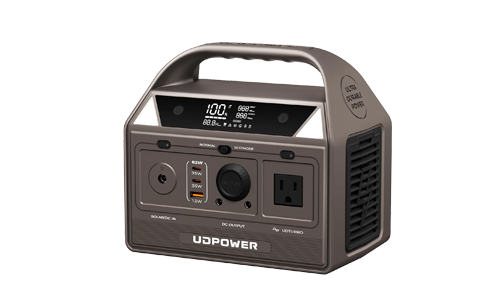
UDPOWER C400 Portable Power Station
Best for: phones, LED lights, small fans, cameras, radios, and light emergency charging when you may need to move quickly.
- 256Wh LiFePO4 battery
- 400W rated output, up to 800W peak output
- Fast charging listed at 1.5 hours
- Useful for compact evacuation bags, apartments, and car-ready storm kits
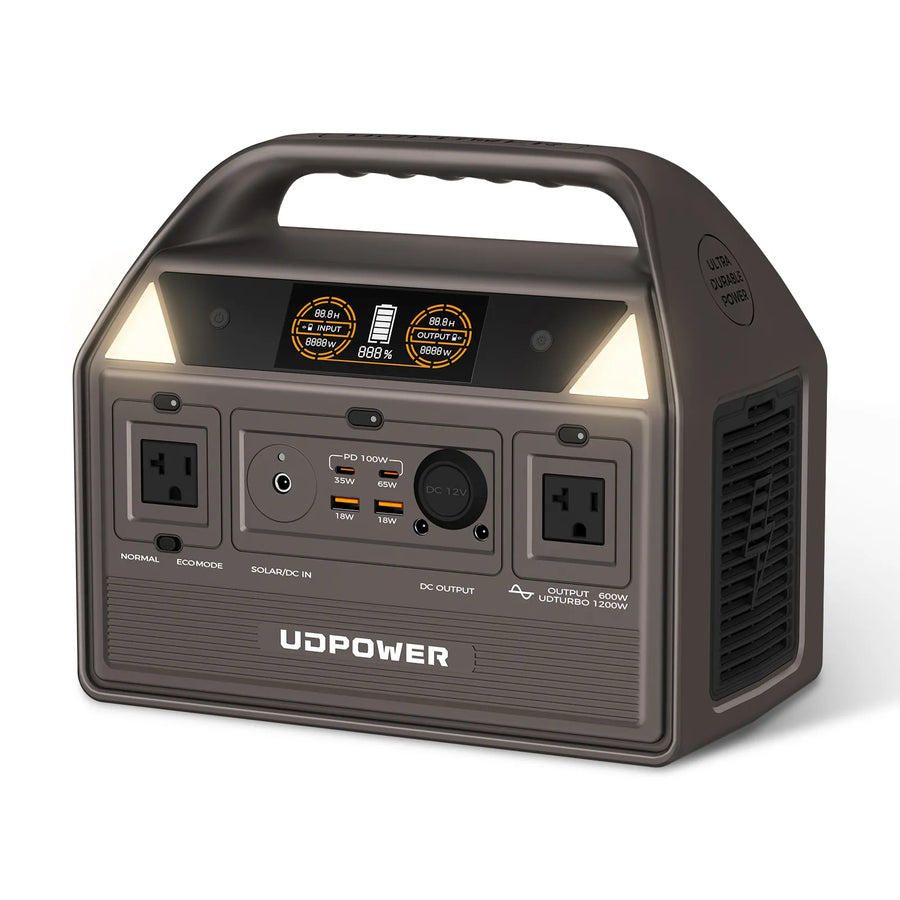
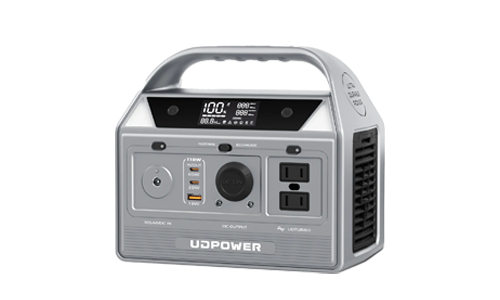
UDPOWER C600 Portable Power Station
Best for: routers, phones, lights, fans, camera batteries, and short overnight backup for small appliances.
- 596Wh LiFePO4 battery
- 600W rated output, 1200W peak output
- Multiple output ports including AC, USB-C, USB-A, and 12V car outlet
- Good middle ground for apartment and family emergency kits
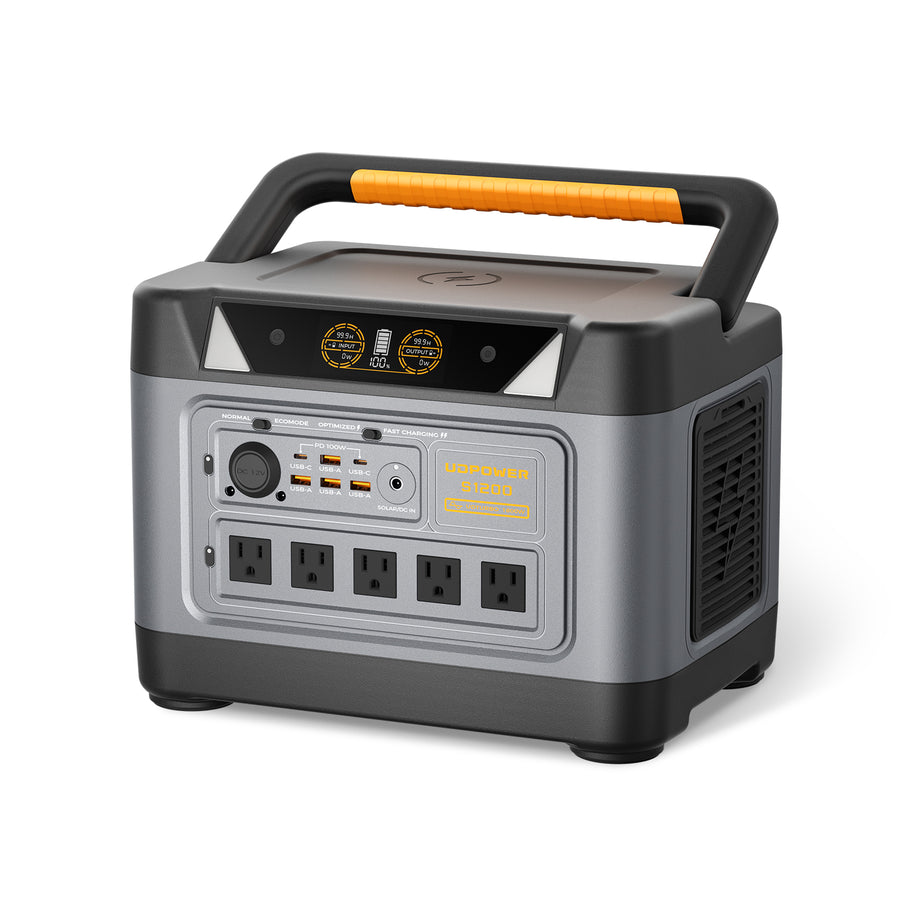
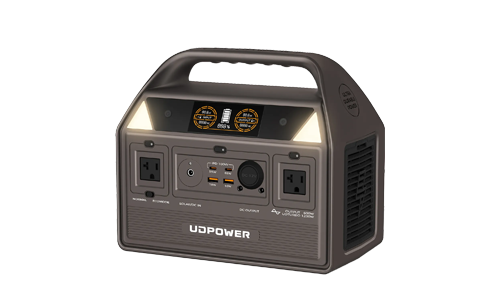
UDPOWER S1200 Portable Power Station
Best for: CPAP backup, Wi-Fi, phones, lights, fans, small kitchen essentials, and refrigerator cycling during a coastal storm outage.
- 1190Wh LiFePO4 battery
- 1200W rated pure sine wave output, UDTURBO up to 1800W
- 5 AC outlets + 10 DC outputs
- <10 ms UPSPRIME technology for uninterruptible backup
- Quiet operation listed under 25dB
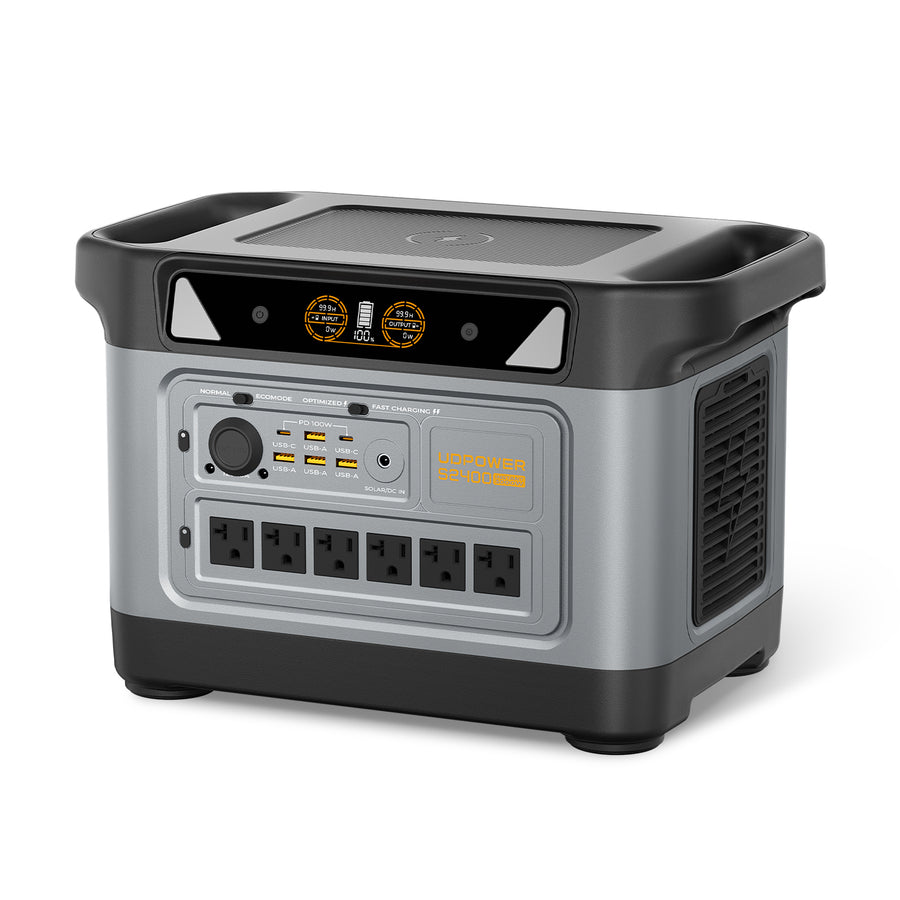
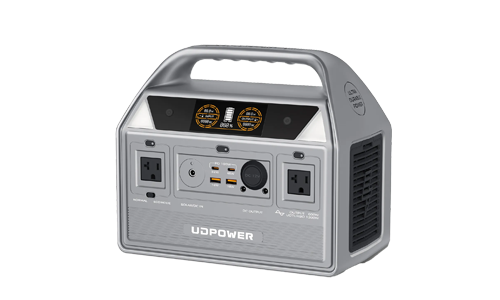
UDPOWER S2400 Portable Power Station
Best for: longer home backup, refrigerator and freezer support, Wi-Fi, lights, medical-device charging, and more headroom for higher-watt essentials.
- 2083Wh LiFePO4 battery
- 2400W pure sine wave AC output
- UDTURBO surge support up to 3000W for motor startup
- 6 AC outlets + 10 DC outputs
- Fast charging listed at 1.5 hours
Need to compare sizes? Start with the full UDPOWER portable power station collection. If you want solar charging for longer storm recovery, compare UDPOWER solar generator bundles.
What to Check After the Water Recedes
The end of visible flooding is not always the end of the risk. Coastal floodwater can leave salt, debris, contamination, and electrical hazards behind.
| After-flood check | Why it matters | What to do | Source |
|---|---|---|---|
| Electrical outlets and cords | Water and electricity can remain dangerous after flooding. | Do not touch wet electrical equipment; call a qualified professional if water entered your home. | CDC |
| Vehicle exposure | Saltwater can damage brakes, sensors, wiring, and underbody components. | Inspect before driving and avoid starting a vehicle that took in water. | Ready.gov |
| Drinking water and wells | Floodwater can contaminate private wells and local water systems. | Follow local boil-water notices and do not use a flooded well until it is tested. | EPA |
| Backup power gear | Moisture can damage chargers, cords, and battery equipment. | Dry and inspect equipment before recharging or storing it. | UDPOWER Safety Guide |
How to Read a Coastal Flood Advisory Like a Local
Do not stop at the headline. A useful advisory usually tells you three things: where flooding is expected, when the highest water is likely, and what impacts are expected. Read those details before deciding whether to move your car, change your commute, or prepare backup power.
| Part of the advisory | What to look for | Why it matters |
|---|---|---|
| Location | Specific counties, bays, beaches, tidal rivers, or shoreline communities. | Your inland neighborhood may be fine while a waterfront road is not. |
| Timing | High tide window, start time, and end time. | Minor flooding often peaks near high tide and may improve afterward. |
| Expected inundation | Language such as low roads, parking lots, shorelines, or vulnerable locations. | This tells you whether the problem is mainly travel, property, or safety. |
| Confidence and updates | Whether the advisory may be extended, upgraded, or repeated over several tide cycles. | Multiple high tides can turn a small inconvenience into a multi-day access problem. |
FAQ
Is a Coastal Flood Advisory serious?
It can be. A Coastal Flood Advisory usually means minor flooding, not the worst-case scenario. But minor coastal flooding can still cover roads, damage vehicles, block access routes, and create electrical hazards. Take it seriously enough to avoid flooded areas and move valuables before high tide.
Does a Coastal Flood Advisory mean I should evacuate?
Usually, an advisory by itself does not mean everyone should evacuate. However, you should follow local officials. If the advisory is connected to a tropical storm, hurricane, storm surge risk, or a local evacuation order, leave when instructed.
How long does coastal flooding last?
Minor coastal flooding may last a few hours around high tide, but some events repeat over several tide cycles. Long-duration coastal storms, onshore winds, and blocked drainage can make the problem last longer.
Can coastal flooding happen without rain?
Yes. Coastal flooding can happen when tide, wind, waves, and coastal water levels push water inland, even if little rain falls in your neighborhood.
Is coastal flooding the same as storm surge?
No. Storm surge is a dangerous abnormal rise of water caused by a storm, especially tropical systems. Coastal flooding is a broader term and can be minor, moderate, or severe. A coastal flood advisory often refers to minor coastal flooding, while storm surge warnings involve life-threatening water rise.
Can I drive through coastal floodwater if it looks shallow?
No. You cannot reliably judge depth, road damage, debris, or electrical hazards by sight. Saltwater can also damage your vehicle. Turn around and choose a higher route.
Should I use a portable power station during coastal flooding?
Yes, if it is kept dry, elevated, and indoors in a safe location. Do not use a portable power station in standing water, rain, wet garages, or any area where floodwater may reach it.
Which UDPOWER model is best for coastal flood preparedness?
For phones and lights, the C400 or C600 is usually enough. For CPAP, Wi-Fi, fans, and longer backup, the S1200 is a stronger fit. For refrigerator or freezer support and more outage headroom, the S2400 is the better option.
Prepare Before the Next High Tide
A Coastal Flood Advisory is your reminder to act early: move the car, charge essentials, protect low storage areas, and keep backup power dry and ready. Build your plan before the water reaches the street.
View UDPOWER portable power stations · View solar generator kits · Get the outage checklist
Related Articles