Pergola Kits vs Custom-Built: Pros, Cons & Cost Analysis
ZacharyWilliamIf you are trying to decide between buying a pergola kit and hiring someone to build one from scratch, the real question is not just “Which is cheaper?” It is “Which option fits the way I actually use my backyard, my budget, and my house?”
For most homeowners, a pergola kit wins on speed, predictability, and upfront cost. A custom-built pergola wins when the space is awkward, the design needs to match the house, or the structure is becoming a serious outdoor room instead of a simple shade feature.
This guide breaks down the trade-offs in plain English, shows where the money really goes, and covers one area most pergola articles skip: how to plan power for lighting, fans, speakers, and outdoor living upgrades without rushing into expensive electrical work.

Quick answer
A pergola kit is usually the best fit if you want a standard size, a clean install path, and a more controlled budget. A custom-built pergola usually makes more sense if you need unusual dimensions, want the structure to tie into your house perfectly, or plan to add premium features like built-in lighting, a kitchen zone, privacy walls, or a louvered roof system.
Simple rule: buy a kit when your yard is straightforward; go custom when your yard, your style goals, or your feature list is not.
What actually separates a kit from custom
A pergola kit is a pre-designed package. In most cases, it already includes the posts, beams, rafters, slats, hardware, and instructions, so the project is more like assembly than design work. That is a big reason kits are popular with homeowners who want a faster path to a finished backyard structure.

A custom-built pergola starts with the site and your goals. The builder can change the span, height, beam sizes, spacing, attachment details, trim style, finish, and how the pergola lines up with your patio, siding, roofline, or outdoor kitchen. That freedom is valuable, but it also adds labor, design time, and more chances for costs to creep up.
| Factor | Pergola kit | Custom-built pergola |
|---|---|---|
| Design flexibility | Limited to preset sizes, layouts, and materials | Built around your patio, home style, and feature list |
| Budget predictability | Usually better, because the package is defined upfront | Usually weaker, because labor, engineering, and site complications vary |
| Install speed | Usually faster, especially for a standard freestanding setup | Usually slower because there is more measuring, cutting, and problem-solving on site |
| Best fit | Simple patios, clear budgets, standard backyard layouts | Attached builds, unusual footprints, premium finishes, design-sensitive homes |
| Biggest risk | It may look slightly “off the shelf” or not fit the patio as cleanly as you hoped | Higher total spend and more change orders if the scope keeps growing |
Source for what pergola kits typically include: Bob Vila.
Typical cost ranges in the U.S.
National cost data does not line up perfectly from one source to the next because material, labor, and regional pricing vary a lot. Even so, the patterns are consistent: kits are cheaper, custom builds cost more, and motorized or louvered systems jump into a different budget tier entirely.
| Project type | Typical range | What that usually means | Source |
|---|---|---|---|
| Professionally assembled basic pergola kit | $1,000 low end for a 10' x 10' aluminum kit; many prefab installs land around $1,450 to $5,750 | Best for standard sizes and straightforward patios | Fixr / HomeGuide |
| Average pergola build overall | $1,900 to $6,500, with many homeowners around $4,500 | Good midpoint for a conventional wood pergola project | Fixr |
| Custom-built pergola | About $30 to $65 per square foot installed | Best for nonstandard footprints and upgraded design details | HomeGuide |
| Motorized or louvered pergola | DIY kit around $3,000 to $5,000; installed average about $13,700, with many projects from $7,500 to $22,500 | This is where pergolas start behaving more like engineered outdoor rooms than simple shade structures | Angi |
One important takeaway: once you move into louvered, motorized, or highly integrated designs, the cost gap between “kit” and “custom” narrows fast. That is why some homeowners start with a budget kit idea and end up in custom territory anyway.
How material choice changes the budget
Material selection changes both the sticker price and the long-term maintenance burden. If you love natural wood, it can look warmer and more upscale, but it also tends to cost more and asks more from you over time. Aluminum and vinyl keep maintenance lower and are often easier on the initial budget.

| Material | Typical cost per sq. ft. | Where it shines | Trade-off | Source |
|---|---|---|---|---|
| Aluminum | $10 to $30 | Modern look, lower maintenance, weather-resistant | Can feel less warm or custom than stained wood | Angi |
| Vinyl | $10 to $30 | Budget-friendly and fade-resistant | Usually not as durable long term as aluminum | Angi |
| Cedar | $25 to $35 | Natural look, rot-resistant, stain-friendly, strong backyard appeal | Higher cost and ongoing finish upkeep | Angi |
| Redwood | $40 to $50 | Premium appearance and durability | Highest material cost in this group | Angi |
Practical advice: if you are still undecided, choose your material before you obsess over kit versus custom. In real projects, the material often moves the final number more than people expect.

When a pergola kit is the smarter buy

- Your patio is a standard size. If your space is clean and rectangular, there is a good chance a stock kit will fit well enough without expensive customization.
- You want faster results. Kits are usually the shortest path from decision to install.
- You care about cost control more than design originality. When the package is defined from day one, surprise costs are easier to limit.
- You are comfortable with a straightforward look. Plenty of modern kits look great, but they often look best in simple, uncluttered patios rather than highly architectural spaces.
- You may still be testing how you use the space. For many families, a pergola is part shade feature, part experiment. A kit lets you see whether the area really becomes a dining zone, lounge zone, or weekend entertaining spot before you go all in.
When custom-built is worth paying for

- Your layout is awkward. Slopes, offsets, narrow side yards, attached rooflines, and unusual patio footprints are where custom work starts making obvious sense.
- You want the pergola to look like it belongs to the house. Matching trim details, stain colors, beam proportions, and post placement can make a huge visual difference.
- You are integrating other features. Outdoor kitchens, privacy panels, built-in seating, mounted heaters, fans, screens, or lighting plans are much easier to coordinate in a custom build.
- You want premium proportions. A standard kit may technically fit, but custom work often looks better because beam spacing, height, and overhang can be tuned to the actual patio.
- You plan to stay in the home for years. The longer you will live with the pergola, the more value there is in getting exactly what you want.
A useful ownership test: if you are building a pergola mainly to improve this summer, a kit is usually enough. If you are building a long-term backyard centerpiece, custom starts to justify itself.
Real-world cost scenarios
These are not contractor quotes. They are common-sense planning scenarios built from national pricing ranges so you can compare paths more quickly.

| Scenario | Likely direction | Planning range | Why this range makes sense |
|---|---|---|---|
| 10' x 10' simple backyard shade feature | Kit | About $1,000 to $3,000+ | Fits the low-end aluminum kit benchmark and typical prefab pricing better than full custom |
| 10' x 12' cedar pergola over an existing patio | Kit or builder-installed standard design | About $4,500 around the national midpoint | This lines up closely with Fixr's average example for a 10' x 12' cedar pergola project |
| 12' x 12' custom pergola with cleaner house integration | Custom | Roughly $4,320 to $9,360 before premium add-ons | That is the square-foot math based on HomeGuide's $30 to $65 installed range |
| 12' x 16' custom pergola with upgraded finish and lighting prep | Custom | Roughly $5,760 to $12,480 before electrical and premium details | More size plus more coordination usually pushes the project noticeably above basic kit territory |
| Louvered or motorized patio pergola | High-end kit or custom install | Often $7,500 to $22,500 installed | Motorized pergolas operate in a higher budget band almost immediately |
If your numbers are already brushing up against motorized pergola pricing, it is worth asking whether a pergola is still the right structure for your needs or whether a more roof-like patio cover would serve you better. A professionally installed patio cover often lands around $4,500 to $12,000 nationwide, and basic pergolas remain cheaper because they are more open structures.
Source links: Fixr pergola cost guide, HomeGuide pergola cost guide, Angi patio cover guide.
The power plan most pergola buyers forget
This is where a lot of backyard projects quietly get more expensive. The pergola goes up, then someone says, “We should add string lights,” then a fan, then a speaker, then maybe a projector, then maybe a small fridge for outdoor entertaining. Suddenly the problem is no longer the pergola. It is the fact that the patio has no convenient power.

That is why it helps to separate structure decisions from power decisions. If you already know the pergola will become a real hangout area, you should plan for power on day one. If you are not sure yet, a portable power setup can bridge the gap without forcing you into immediate trenching, new outlets, or last-minute electrician bills.
A simple way to think about it:
- If the pergola is just shade and looks, a standard kit may be enough.
- If the pergola is becoming an outdoor room, your power plan matters almost as much as the beams and posts.
UDPOWER's own outdoor and solar guides make the same practical point: portable solar panels work best when you can place them in strong sun and store that energy in a power station, and portable panels are especially useful because they can be moved to follow the sun and avoid shade.
Related reading on UDPOWER: Is It Worth Getting a Portable Solar Panel? and 120W vs 210W vs 2×120W Solar Panels.
UDPOWER picks for pergola and patio use

These recommendations are not here to turn a pergola article into a gadget list. They are here because power planning is a real part of modern outdoor living, and it often changes whether a basic pergola still makes sense for your home.

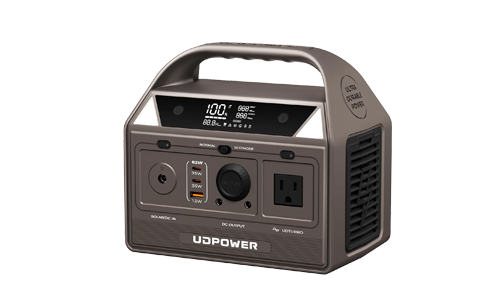
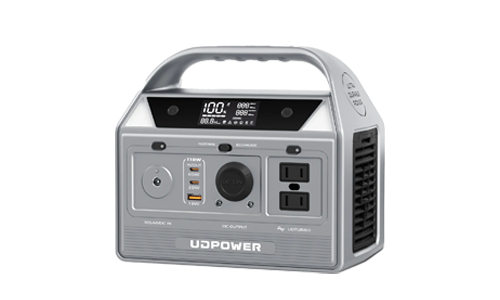
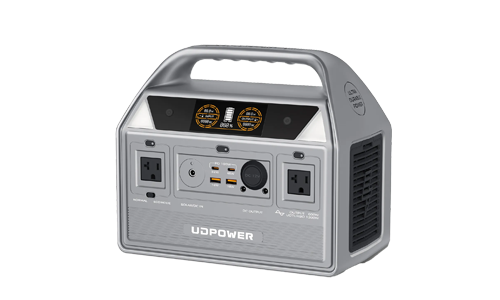
UDPOWER C600 — best for a simple pergola setup
If your pergola is mainly for evening lighting, phone charging, a speaker, and light weekend patio use, the C600 is the practical entry point. It keeps the setup portable and avoids overspending before you know how heavily the space will actually be used.
Official source: C600 product page and UDPOWER model comparison.

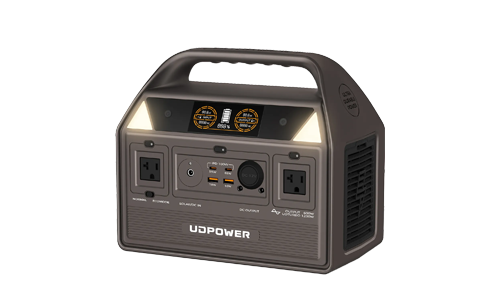
UDPOWER S1200 — best all-around pick for an outdoor living pergola
This is the sweet spot for homeowners who know the pergola will be used for more than ambiance. If you want longer runtime, more AC options, and enough headroom for a fan, projector, router, work setup, or party-night gear, the S1200 gives you a lot more breathing room than a smaller unit.
Official source: S1200 product page and UDPOWER model comparison.

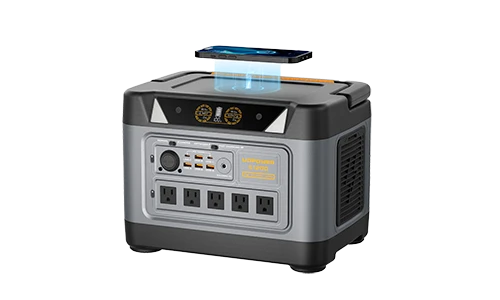
UDPOWER S2400 — best for bigger pergola builds and heavier loads
If your pergola is edging toward a full backyard entertaining hub, the S2400 is the step-up option. It makes more sense for larger patios, more demanding appliances, and families who want a quiet backup-power tool that can also live outside during events or outdoor work sessions.
Official source: S2400 product page and UDPOWER model comparison.
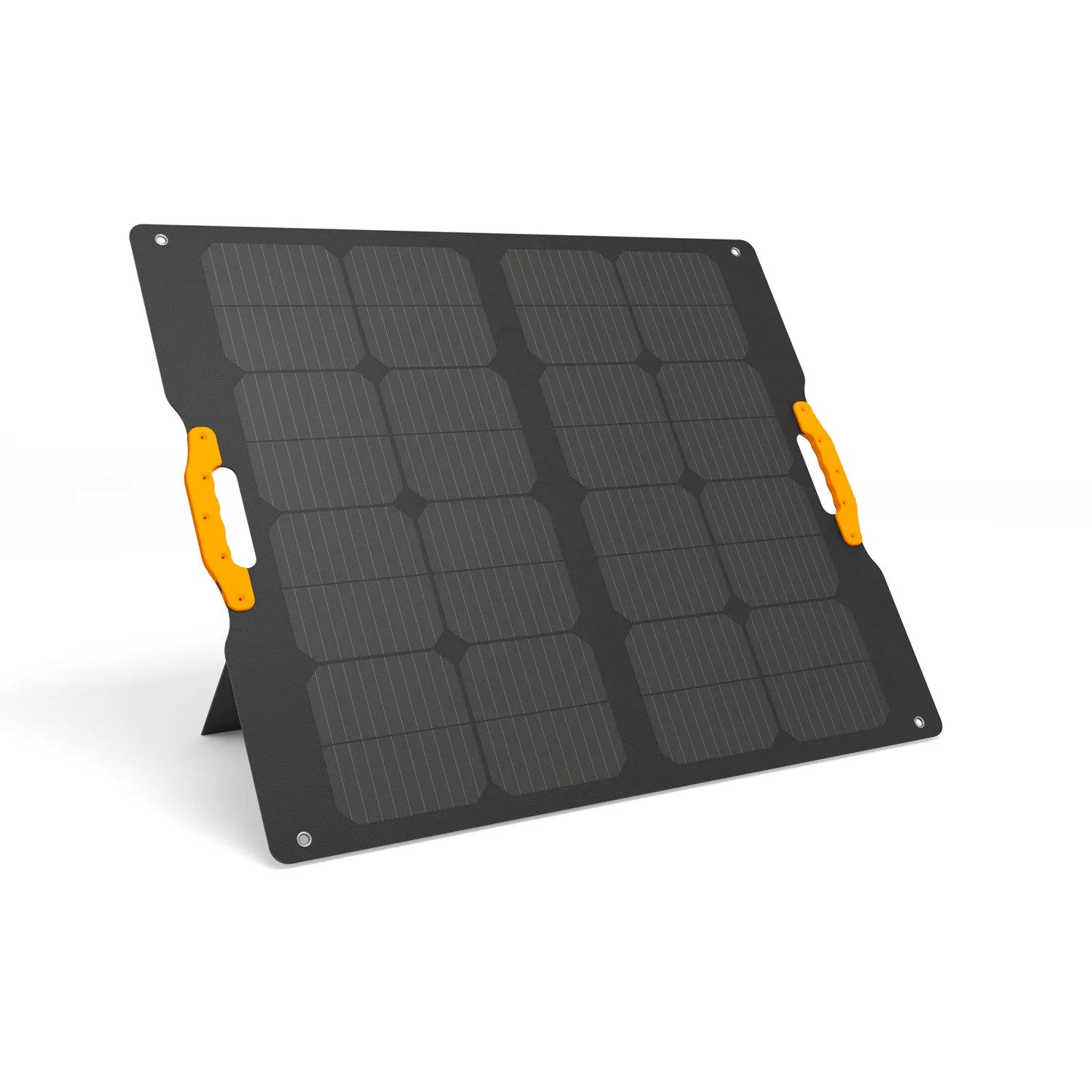
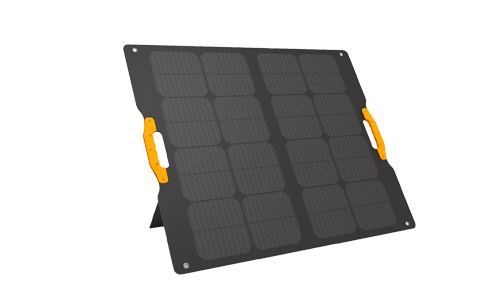
UDPOWER 120W Portable Solar Panel — best for compact and flexible charging
This is the easy pairing for smaller pergola setups and lighter weekend use. It is also the safer match for the C600, because UDPOWER specifically notes that the C600 supports 18V panels and should not be used with the 210W panel.
Official source: 120W solar panel page.
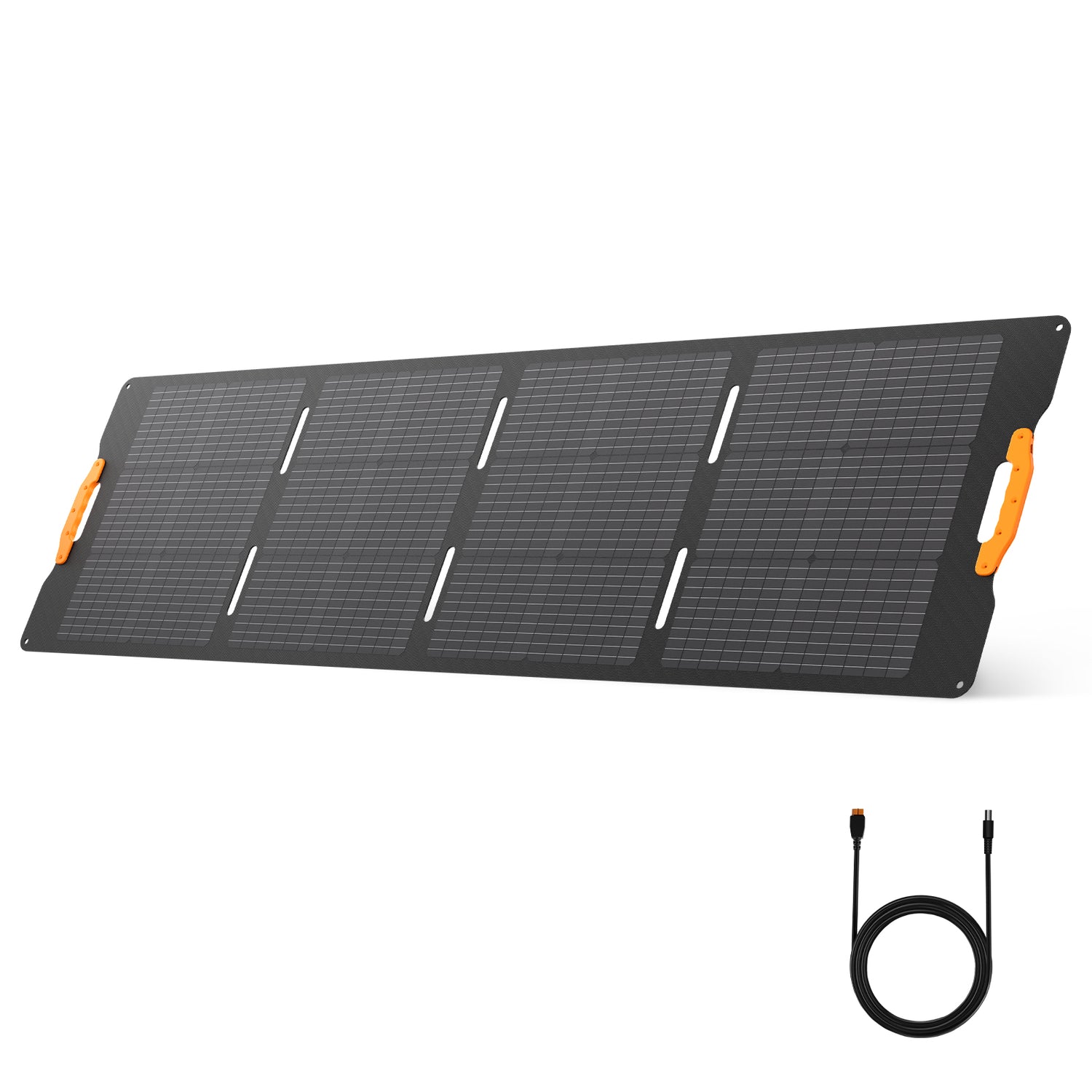
UDPOWER 210W Foldable Solar Panel — best for faster charging on larger setups
If your pergola space gets used often, or you are pairing solar with the S1200 or S2400, the 210W panel is the better long-session option. It gives you more charging speed while still staying portable enough to place away from pergola shade and into stronger sun.
Official source: 210W solar panel page and UDPOWER pairing guide.
| If your pergola setup looks like this... | Best UDPOWER match | Why |
|---|---|---|
| Lights, phone charging, speaker, occasional casual use | C600 + 120W panel | Portable, lighter cost, enough for modest patio life without overbuilding the power plan |
| Fan, projector, work laptop, family evenings, frequent use | S1200 + 210W panel | Better headroom, more outlets, more comfortable all-around outdoor living setup |
| Bigger entertaining zone, heavier loads, multipurpose backyard use | S2400 + 210W panel | More capacity, more output, stronger fit for large patios and broader home use |
Final verdict
For most homeowners, a pergola kit is the better first answer. It is faster, easier to budget, and usually good enough for a standard patio. That is especially true if your goal is straightforward shade, a cleaner backyard look, and a simple place to sit outside.
Custom-built is worth the extra money when the pergola is becoming a permanent outdoor living feature rather than just a visual upgrade. If you need exact dimensions, house-matching details, tricky attachment work, or a fully thought-out entertainment space, custom usually earns its keep.
The smartest way to decide is this: judge the project by the life you want under the pergola, not just by the structure itself. If it is only a frame, buy the kit. If it is becoming a real room, price it like one.
FAQ
Is it cheaper to build a pergola or buy a kit?
In most standard backyard situations, buying a pergola kit is cheaper and easier to budget. Custom building gets more expensive fast once labor, layout changes, and finish details are added.
Do pergola kits look cheap?
Not necessarily. A well-chosen kit can look great, especially in a clean patio layout. The problem is usually fit, not quality. If the scale, finish, or placement looks slightly off, even a good kit can feel less custom.
When does custom-built make more sense?
Custom-built makes more sense when the patio is awkward, the pergola needs to match the home closely, or you are adding integrated features like lighting, privacy walls, screens, or a premium louvered roof.
How much should I budget for a pergola project?
A practical early budget is a few thousand dollars for a straightforward kit project, more for cedar or larger sizes, and noticeably more for custom work. Motorized and louvered systems are often in a completely different budget range.
Should I run electrical to a pergola?
If you already know the pergola will be used heavily for lighting, fans, or entertainment, it is smart to plan for power early. If you are still figuring out how the space will be used, a portable power station can be a practical way to avoid rushing into permanent electrical work.
What is the best UDPOWER option for a pergola?
For lighter patio use, the C600 is a practical starting point. For a more complete outdoor living setup, the S1200 is the stronger all-around choice. For bigger spaces and heavier loads, the S2400 makes more sense.