

Top 10 Worst Tornadoes in US History and How to Get Ready
Latest updated: May 20, 2026
America’s worst tornadoes are not just historic weather records. They are reminders that the right shelter decision, a working alert system, and a realistic outage plan can change the outcome for a household.
Quick Answer
The deadliest tornado in US history was the 1925 Tri-State Tornado, which killed an estimated 695 people across Missouri, Illinois, and Indiana. The other deadliest tornadoes include Natchez, St. Louis, Tupelo, Gainesville, Woodward, Joplin, the Amite/Purvis tornado, New Richmond, and Flint-Beecher. This article ranks them by deaths using official NOAA/NWS and Storm Prediction Center records, then turns the lessons into a practical home tornado plan.
The most important readiness steps are simple: know your shelter room before the warning, keep multiple ways to receive alerts, move fast when a warning is issued, avoid cars and mobile homes when possible, and prepare for a power outage after the storm passes.

How this list was ranked
This ranking uses the number of deaths listed by NOAA’s Storm Prediction Center and NOAA National Centers for Environmental Information. Older records should be treated as best historical estimates because many events happened before Doppler radar, modern warning systems, and consistent storm surveys. In a few older cases, researchers also note that what looked like one long tornado path may have been a tornado family produced by the same storm system.
That is why the article focuses on the practical lesson from each event rather than treating every old detail as perfectly measured.
Top 10 Deadliest Tornadoes in US History
The table below is designed for quick reading on mobile. Swipe horizontally to compare date, location, estimated deaths, and the modern preparedness takeaway.
| Rank | Tornado / Event | Date | Main area | Deaths | Why it became so deadly | Modern takeaway | Source |
|---|---|---|---|---|---|---|---|
| 1 | Tri-State Tornado | March 18, 1925 | Missouri, Illinois, Indiana | 695 | Extremely long path, fast forward speed, limited warning capability, and widespread building destruction. | Do not wait to see the funnel. When a warning names your area, move to shelter immediately. | NWS Paducah |
| 2 | Great Natchez Tornado | May 6, 1840 | Natchez, Mississippi area | 317 | Many deaths occurred before modern records, warnings, emergency medicine, and rapid rescue systems. | Preparedness is not only about the storm; it is also about what happens during the first night after impact. | NOAA SPC |
| 3 | St. Louis Tornado | May 27, 1896 | St. Louis, Missouri | 255 | A violent tornado struck a populated urban area with dense buildings and limited public warning. | City homes and apartments still need a lowest-level interior shelter plan away from windows. | NOAA NCEI |
| 4 | Tupelo Tornado | April 5, 1936 | Tupelo, Mississippi | 216 | The storm hit residential neighborhoods at night, when people had fewer ways to receive warnings. | Nighttime tornadoes require loud alerts: NOAA Weather Radio, phone alerts, and a backup power plan. | NOAA SPC |
| 5 | Gainesville Tornado | April 6, 1936 | Gainesville, Georgia | 203 | The tornado struck the business district during the workday, causing fires and building collapses. | Every workplace should know its shelter area. Large open rooms and glass-front spaces are poor shelter choices. | NOAA NCEI |
| 6 | Woodward Tornado | April 9, 1947 | Texas, Oklahoma, Kansas | 181 | A violent Great Plains tornado family hit several communities, including Woodward, Oklahoma. | Rural households need alerts that work when power, TV, and internet fail. | NWS Amarillo |
| 7 | Joplin Tornado | May 22, 2011 | Joplin, Missouri | 158 | An EF5 tornado struck a populated city, including homes, businesses, and medical facilities. | Modern warnings help, but families still need to act fast and avoid warning fatigue. | NWS Assessment |
| 8 | Amite / Purvis Tornado | April 24, 1908 | Louisiana and Mississippi | 143 | The storm moved through communities with limited warning and vulnerable housing. | Know the nearest sturdy public shelter if your home is a mobile or manufactured home. | NOAA SPC |
| 9 | New Richmond Tornado | June 12, 1899 | New Richmond, Wisconsin | 117 | The tornado hit during a crowded day in town, increasing exposure in a small area. | Outdoor events need a real shelter plan, not just a rain plan. | NWS Milwaukee |
| 10 | Flint-Beecher Tornado | June 8, 1953 | Flint, Michigan area | 116 | A violent tornado struck residential areas at a time when public warning communication was still developing. | Even regions outside the classic Plains “Tornado Alley” need a practiced tornado plan. | NOAA SPC |
Note: Death counts for 1800s and early 1900s events are historical estimates. The ranking above follows official NOAA/SPC ordering, while preparedness advice is written for modern households.
1. Tri-State Tornado, 1925: the benchmark disaster
The Tri-State Tornado remains the most infamous tornado in US history because of its death toll, speed, and path length. It moved across parts of Missouri, Illinois, and Indiana, destroying towns and leaving thousands injured. The biggest modern lesson is not that every tornado will look like this. It is that a violent tornado can move faster than a family’s decision-making process.
Preparedness lesson: decide your shelter room before storms form. During a warning, the goal is not to verify the tornado outside. The goal is to be under shelter before debris reaches your street.
2. Natchez, 1840: recovery matters as much as impact
The Great Natchez Tornado happened long before modern emergency response. With limited communications and medical support, the disaster did not end when the wind stopped. Injured people, damaged roads, unsafe buildings, and poor visibility made recovery harder.
Preparedness lesson: keep a first-aid kit, work gloves, flashlights, water, and a charged power source ready. The first hours after a tornado can be confusing, dark, and dangerous.
3. St. Louis, 1896: urban areas are not protected
Some people still think tornadoes mainly belong to open fields. The St. Louis tornado proved otherwise. Dense city blocks, glass, brick, overhead lines, and crowded streets can turn a tornado into a complex urban emergency.
Preparedness lesson: apartment dwellers should identify the lowest accessible interior area, such as an interior hallway, restroom, stairwell, or basement level. Avoid windows, lobbies, and large open rooms.
4. Tupelo, 1936: nighttime warnings need redundancy
Night tornadoes are especially dangerous because people are asleep, visibility is poor, and families may not hear outdoor sirens indoors. A phone alert is helpful, but it should not be the only layer.
Preparedness lesson: use at least two alert methods: Wireless Emergency Alerts on your phone, a NOAA Weather Radio with battery backup, and local weather app alerts. Keep those devices powered during severe weather days.
5. Gainesville, 1936: workday tornadoes require workplace drills
The Gainesville tornado hit a business district. That detail matters because people often prepare at home but not at work, school, church, warehouse, or retail locations. Large-span rooms can be dangerous because roofs can fail and debris can travel quickly.
Preparedness lesson: ask where the tornado shelter area is in any workplace. If you manage a team, make the shelter route short, simple, and practiced.
6. Woodward, 1947: rural families need independent alerts
Rural homes may be far from sirens, cell service may be weak, and power outages can happen before the tornado arrives. That makes battery-backed communication more important.
Preparedness lesson: keep a weather radio, spare batteries, and a charged portable power station. For households outside town, the ability to receive alerts without grid power is not optional.
7. Joplin, 2011: modern warnings still require fast action
Joplin is the clearest modern reminder that warning systems are only one part of survival. People may hesitate because sirens sound often, the sky does not look threatening yet, or they are trying to finish one more task. In a violent tornado, that hesitation can be costly.
Preparedness lesson: when a tornado warning includes your location, act first and check details from shelter. Put shoes on, grab helmets if nearby, and protect your head and neck.
8. Amite / Purvis, 1908: mobile and weak structures need a second plan
Many historical tornado deaths happened in vulnerable housing. Today, manufactured and mobile homes remain high-risk places during tornado warnings, even when they are tied down.
Preparedness lesson: if you live in a mobile home, pick a nearby sturdy building or storm shelter before tornado season. Do not wait until a warning is issued to decide where to go.
9. New Richmond, 1899: public events need shelter, not just tents
New Richmond was hit when many people were in town. Outdoor crowds, temporary structures, and limited shelter access can quickly become dangerous when severe weather develops.
Preparedness lesson: for youth sports, fairs, markets, and outdoor events, know the nearest sturdy shelter. A tent, pavilion, shed, or vehicle is not a tornado shelter.
10. Flint-Beecher, 1953: tornado risk is wider than Tornado Alley
Michigan is not the first state many people think of when they hear “violent tornado,” but the Flint-Beecher disaster shows why tornado readiness should not be limited to the Plains.
Preparedness lesson: every household in a tornado-prone region should know the drill: alerts on, shelter selected, shoes nearby, flashlights ready, and outage supplies accessible.
What the Worst Tornadoes Teach Modern Families
The historical pattern is clear: the deadliest outcomes often involve delayed sheltering, nighttime impact, crowded buildings, vulnerable structures, limited communication, and dangerous recovery conditions after the storm. The good news is that modern families can reduce risk with simple, repeatable planning.
| Risk pattern | Why it matters | Action to take this week | Helpful source |
|---|---|---|---|
| Waiting to confirm the tornado visually | Rain-wrapped or nighttime tornadoes may not be visible until it is too late. | Use warnings, not eyesight, as the trigger to shelter. | NWS tornado safety |
| Unsafe shelter choice | Windows, large rooms, vehicles, mobile homes, and sheds provide poor protection. | Choose a basement, storm shelter, or small interior windowless room on the lowest level. | Ready.gov tornadoes |
| No nighttime alert backup | Outdoor sirens are not designed to wake everyone indoors. | Keep phone alerts on and add a battery-backed NOAA Weather Radio. | NWS tornado resources |
| Power outage after impact | Lights, phones, routers, medical devices, and refrigeration may stop at the same time. | Plan “essentials first” power instead of trying to run the whole house. | UDPOWER power priorities |
| Gas generator misuse | Carbon monoxide can build up indoors or near openings after outages. | Use gas generators outdoors only and far from windows, doors, and vents. Use battery power indoors. | CDC outage safety |
Tornado Watch vs. Tornado Warning: What to Do
Many people lose time because they treat a watch and warning the same way. They are not the same.
| Alert type | What it means | What to do at home | What to do away from home |
|---|---|---|---|
| Tornado Watch | Conditions are favorable for tornadoes in or near the watch area. | Charge phones and power station, check flashlights, secure loose outdoor items if safe, and keep shoes near your shelter room. | Know the nearest sturdy shelter. Avoid starting long drives through the watch area. |
| Tornado Warning | A tornado has been sighted or indicated by weather radar. | Go to shelter immediately: basement, safe room, or small interior windowless room on the lowest level. | Get inside a sturdy building. Avoid vehicles, sheds, tents, and large open rooms. |
| Tornado Emergency | A rare, serious warning used when a violent tornado is expected to cause severe damage in a populated area. | Take maximum protection. Cover head and neck. Do not leave shelter until the warning has expired and conditions are safe. | Follow instructions from local emergency officials and move to the safest interior shelter available. |
Choose Your Safest Shelter Spot Before Tornado Season
Your shelter plan should be decided on a calm day, not while a warning polygon is moving toward your county.
| Where you are | Best option | Avoid | Extra protection |
|---|---|---|---|
| House with basement | Basement, under sturdy furniture if available, away from windows. | Rooms with windows, garage, porch, upper floors. | Helmet, shoes, heavy blanket, flashlight, phone. |
| House without basement | Small interior windowless room on the lowest level: closet, bathroom, or interior hallway. | Living room, kitchen windows, exterior walls. | Cover head and neck with a mattress, thick blanket, or cushions. |
| Apartment | Lowest accessible level, interior hallway, stairwell, or designated shelter area. | Balconies, windows, elevators, top-floor exterior rooms. | Ask property management about the shelter plan before severe weather season. |
| Mobile or manufactured home | Nearby storm shelter or sturdy building before the storm arrives. | Remaining inside during a warning if a safer building is available in advance. | Plan the drive or walk time before a watch is issued. |
| Workplace or school | Designated shelter area or small interior room away from glass. | Gyms, cafeterias, auditoriums, showrooms, warehouses with wide-span roofs. | Practice the route so nobody has to search during a warning. |
| Vehicle | Drive to a sturdy building if there is time and a clear route. | Overpasses, parking under trees, stopping in traffic, trying to outrun a nearby tornado. | Keep alerts on before travel and avoid driving into warned storms. |
Important: A portable power station is for preparedness and recovery. During an active tornado warning, shelter comes first. Do not stay in an unsafe room because you are trying to move equipment, check appliances, or save food.
Power Outage Plan After a Tornado
After a tornado, power may be out because of downed lines, damaged substations, blocked roads, or safety shutoffs. A practical home plan does not try to run everything. It protects the essentials in order: communication, light, medical needs, refrigeration, and comfort.
Essentials-first power priority
| Priority | What to power | Why it matters | Typical power range | Planning note |
|---|---|---|---|---|
| 1 | Phones, weather radio, flashlights | Alerts, family contact, emergency updates. | 5W–20W while charging | Charge early during a tornado watch, not after the outage begins. |
| 2 | Medical essentials such as CPAP | Overnight health support and routine continuity. | 30W–80W depending on humidifier/heated tube | Turn off heating features when safe and medically acceptable to extend runtime. |
| 3 | Wi-Fi router / modem | Communication when cell service is overloaded. | 8W–20W | Use only when internet service is still working. |
| 4 | Refrigerator or freezer | Food protection during longer outages. | 60W–150W average, higher startup surge | Keep doors closed and run in scheduled blocks if needed. |
| 5 | Fans, small lights, laptop | Comfort, work, insurance claims, and emergency forms. | 10W–100W | Use low-power devices first; avoid heat-producing appliances. |
Runtime estimates using 90% conversion efficiency
The table below uses this simple planning formula: battery capacity in Wh × 0.90 ÷ device watts = estimated runtime in hours. Real runtime changes with appliance cycling, startup surge, temperature, battery age, and the exact device model.
| Emergency load | Planning wattage | UDPOWER C600 596Wh usable ≈ 536Wh |
UDPOWER S1200 1190Wh usable ≈ 1071Wh |
UDPOWER S2400 2083Wh usable ≈ 1875Wh |
Best use case |
|---|---|---|---|---|---|
| Phone charging station | 10W | About 54 hours | About 107 hours | About 187 hours | Family communications and weather updates. |
| LED lamp | 10W | About 54 hours | About 107 hours | About 187 hours | Safe indoor lighting without candles. |
| Wi-Fi router / modem | 15W | About 36 hours | About 71 hours | About 125 hours | Internet access if the provider network is still active. |
| CPAP without heated humidifier | 40W | About 13 hours | About 27 hours | About 47 hours | Overnight backup for many CPAP setups. |
| Efficient refrigerator average load | 60W | About 9 hours | About 18 hours | About 31 hours | Fridge-first food protection during short-to-medium outages. |
| Full-size refrigerator planning load | 120W | About 4.5 hours | About 9 hours | About 16 hours | Use scheduled run blocks and keep doors closed. |
| Box fan or small fan | 50W | About 11 hours | About 21 hours | About 37 hours | Heat relief after spring and summer storms. |
For a more detailed appliance order, see UDPOWER’s Power Priorities: What to Run First. For food-specific decisions, use the Food Safety During a Power Outage guide and the Refrigerator Power Backup guide.
UDPOWER Product Bridge: What Size Backup Power Fits Tornado Readiness?
A tornado backup setup should be quiet, indoor-safe, easy to keep charged, and focused on essentials. For most homes, that means a portable power station for inside use, plus solar charging if the outage lasts beyond the first day.
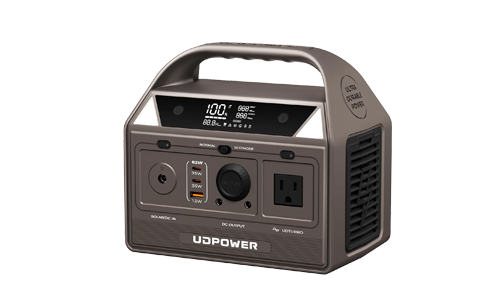
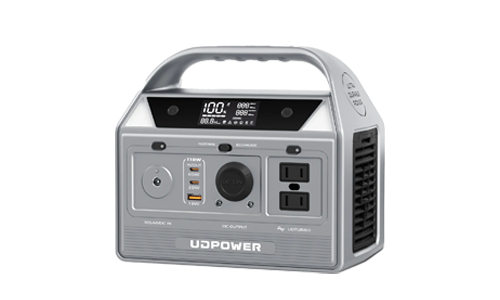
Best compact emergency option: UDPOWER C600

The C600 is a good fit for families who mainly need lights, phones, a router, a fan, small electronics, or CPAP backup during a shorter outage. It is easier to move around the house than a larger unit and still provides useful AC output.
- 596Wh LiFePO4 battery
- 600W rated output, 1200W peak
- 2 AC outlets, USB-C, USB-A, DC output, and 12V car outlet
- 4000+ cycles listed on the product page
- Best for: communications, lighting, router, fan, CPAP, and smaller devices
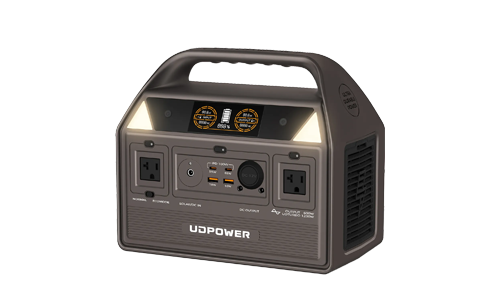
Best all-around tornado outage pick: UDPOWER S1200
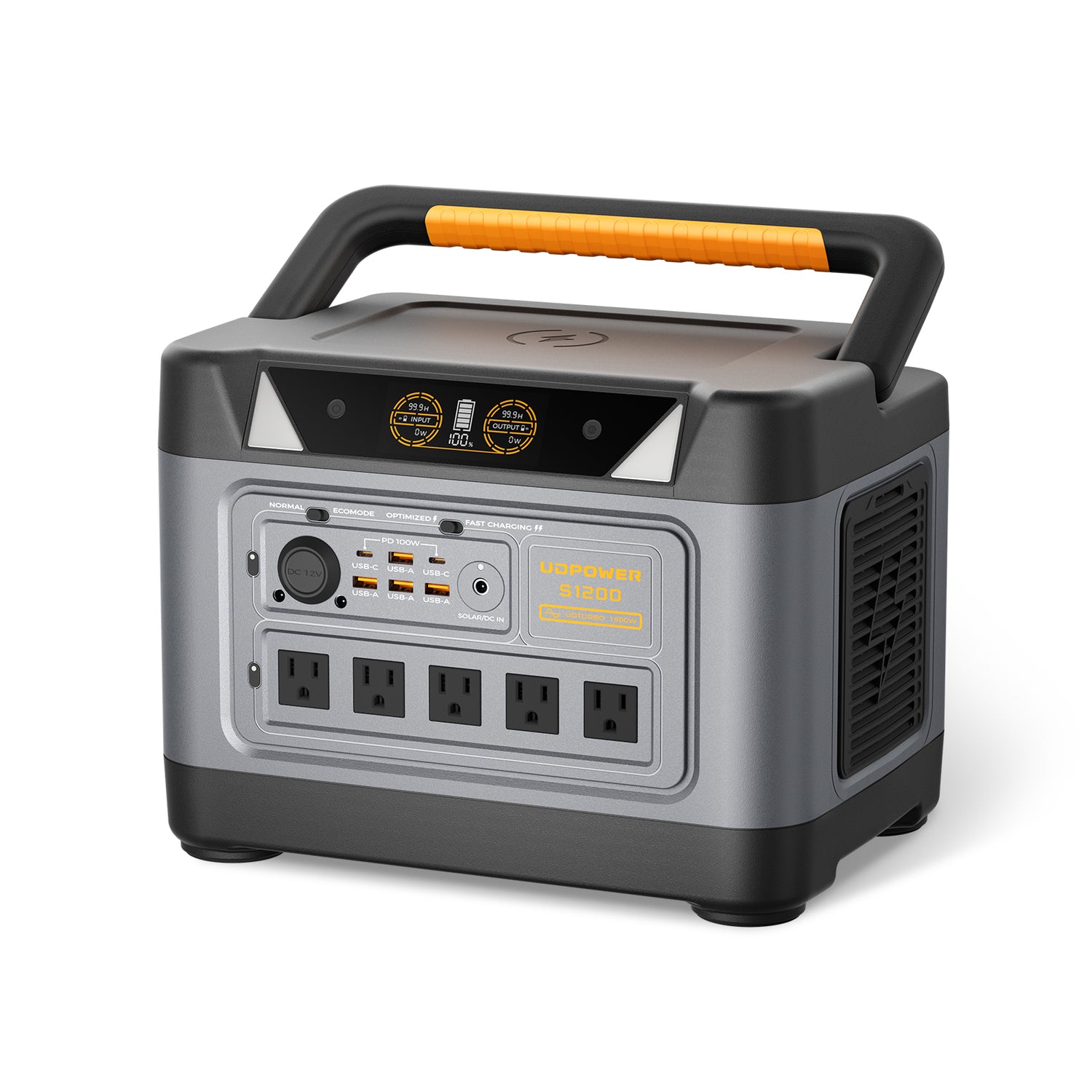
The S1200 is the stronger choice when your plan includes a refrigerator, multiple small devices, CPAP, lights, and a router. It gives enough output headroom for many household essentials without moving into a very heavy backup setup.
- 1,190Wh capacity
- 1,200W rated pure sine wave output, UDTURBO up to 1,800W surge
- 5 AC outlets + 9 DC outputs
- <10 ms UPSPRIME backup listed on the product page
- About 26.0 lb
- Best for: fridge-first outage plans, CPAP, Wi-Fi, lights, laptops, and multi-device household backup
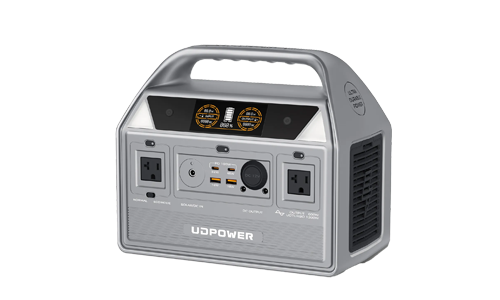
Best larger family backup option: UDPOWER S2400
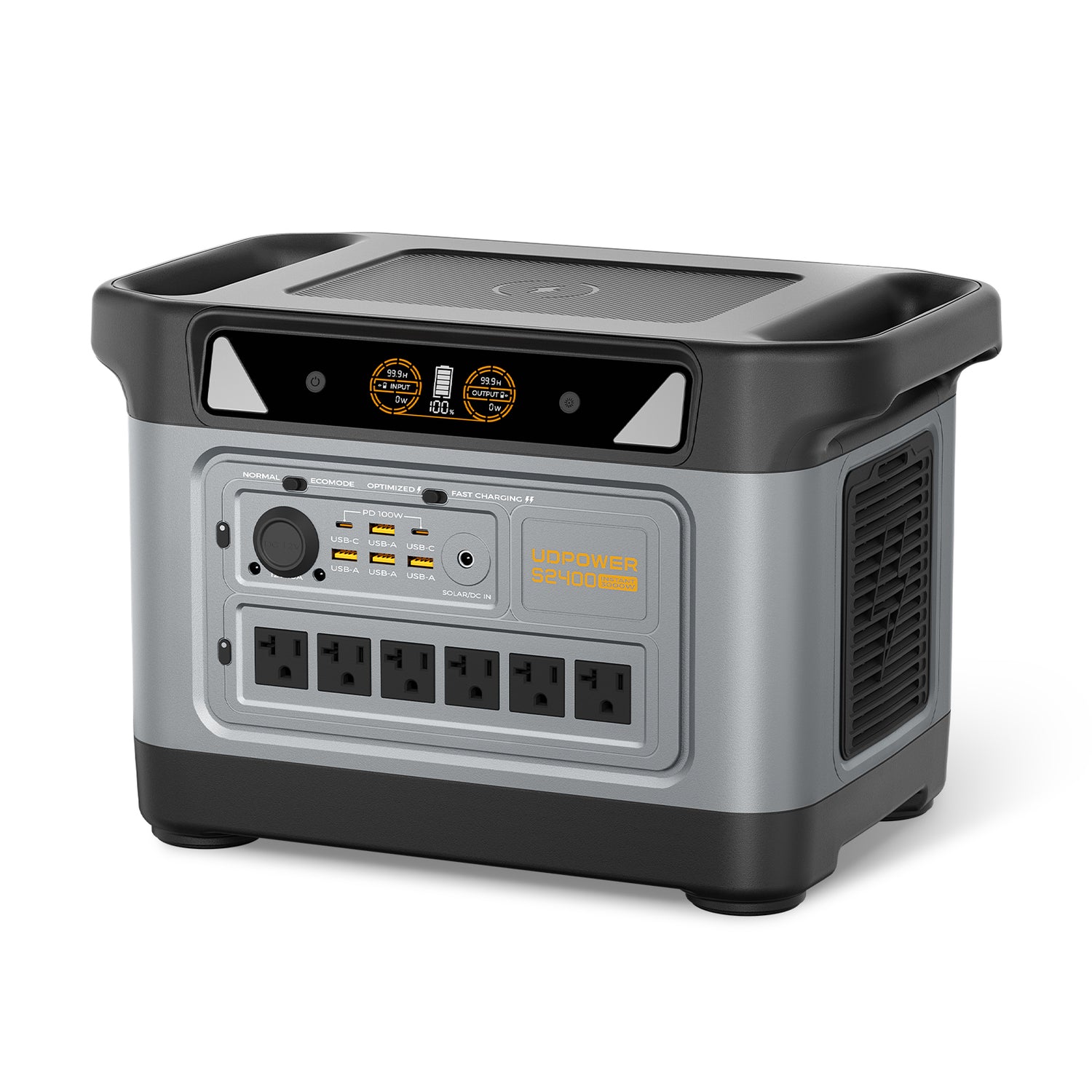
The S2400 is built for families who want longer runtime and more output headroom after a severe storm. It is the better match when you want to run a refrigerator plus several smaller essentials, or when you want more margin for motor startup loads.
- 2,083Wh capacity
- 2,400W pure sine wave AC output
- UDTURBO surge support up to 3,000W
- 6 AC outlets + 9 DC outputs
- About 40.8 lb
- Best for: larger outage plans, refrigerator + router + lights + fan + device charging
Should you add solar panels?
Solar charging is not a shelter tool during the tornado itself. It is a recovery tool after the storm, when the sky is clear enough and the area is safe. A solar panel can help stretch backup power if utility repairs take longer than expected.
UDPOWER’s 120W portable solar panel is listed as compatible with C200, C400, C600, S1200, and S2400 and is designed for outdoor solar charging. For longer outages, choose a panel setup that stays within the input limits of your power station.
Shop by scenario
For a broader comparison, use the Portable Power Station collection. For emergency-focused backup, start with Portable Power Stations for Home. For medical sleep equipment, see CPAP Battery Backup.
24/48/72-Hour Tornado Readiness Checklist
A tornado kit should be easy to use under stress. Keep the core items in one place and separate “shelter now” items from “after the storm” items.
| Time frame | Main goal | What to prepare | Power note | Related guide |
|---|---|---|---|---|
| Before tornado season | Make the plan automatic. | Pick shelter room, practice route, set phone alerts, buy NOAA Weather Radio, store shoes and helmets near shelter. | Keep power station at a ready storage charge and check it monthly. | Ready.gov plan |
| During a tornado watch | Prepare without panic. | Charge phones, bring pets inside, secure outdoor items if safe, review shelter plan with family. | Fully charge power station and small power banks. | UDPOWER outage checklist |
| During a tornado warning | Protect life first. | Go to shelter immediately, avoid windows, cover head and neck, keep shoes on, stay until warning expires. | Do not move equipment during the warning. | NWS during tornado |
| First 24 hours after | Stay safe and communicate. | Check injuries, avoid downed lines, document damage, use flashlights instead of candles, listen for local instructions. | Prioritize phones, radio, lights, medical devices, then refrigeration. | Ready.gov kit |
| 24–48 hours after | Protect food and routines. | Keep fridge/freezer doors closed, move perishable decisions to a checklist, conserve battery power. | Run refrigerator in blocks if needed; avoid unnecessary high-watt loads. | UDPOWER food safety |
| 48–72 hours after | Stretch supplies and plan resupply. | Coordinate with neighbors, locate cooling/warming centers, plan solar recharge if safe, reassess fuel or battery needs. | Use solar charging only outdoors in safe conditions after the storm has passed. | Power station vs generator |
What to Keep in a Tornado Shelter Bag
This is the small bag that goes with you into shelter, not a full camping kit.
- Hard-soled shoes for every family member
- Bike or sports helmets, especially for children
- Flashlight or headlamp
- Phone and compact power bank
- NOAA Weather Radio or battery radio
- Whistle
- Work gloves
- Basic first-aid kit
- Prescription medicine list
- Pet leash or carrier if needed
Safe Power Rules After a Tornado
Never use a gas generator indoors, in a garage, in a basement, or near windows, doors, or vents. Carbon monoxide is invisible and can become deadly fast. Use fuel-powered generators outdoors only, following official safety guidance and the generator manual.
A battery-powered portable power station is different from a gas generator because it does not burn fuel during use and does not create exhaust. That is why portable power stations are useful for indoor essentials such as phones, lights, routers, laptops, CPAP machines, and many refrigerators when used within their rated limits.
Still, treat any electrical backup with respect: keep it dry, avoid damaged cords, do not overload outlets, and check the wattage of appliances before plugging them in.
FAQ: Worst Tornadoes and Tornado Readiness
What was the worst tornado in US history?
By death toll, the worst tornado in US history was the 1925 Tri-State Tornado, which killed an estimated 695 people across Missouri, Illinois, and Indiana.
What makes a tornado “worst”?
“Worst” can mean deadliest, costliest, strongest, longest-track, or most destructive. This article ranks tornadoes by deaths because that is the clearest way to connect history with public safety lessons.
Are old tornado death counts exact?
No. NOAA’s Storm Prediction Center notes that tornado records from the 1800s and early 1900s should be treated as estimates because recordkeeping was inconsistent and some events may have involved multiple tornadoes along one storm path.
What is the safest room during a tornado?
The safest option is a storm shelter or basement. Without one, choose a small interior windowless room on the lowest floor, such as a closet, bathroom, or interior hallway. Stay away from windows and exterior walls.
Should I shelter in a car during a tornado?
A car is not a good tornado shelter. If there is time, get to a sturdy building. Do not park under an overpass or try to outrun a nearby tornado in traffic.
Can a portable power station help during a tornado?
It helps before and after the tornado, not during the moment you should be sheltering. Before the storm, it keeps phones, radios, and lights ready. After the storm, it can power essentials such as communication devices, lights, routers, CPAP machines, and refrigerators within its rated limits.
Which UDPOWER model is best for tornado outages?
For basic communication and small-device backup, consider C600. For a stronger fridge-first home outage plan, S1200 is the practical middle choice. For longer runtime and more output headroom, S2400 is the larger family backup option.
Can I run a refrigerator after a tornado outage?
Often yes, but you must check both running watts and startup surge. Larger portable power stations such as UDPOWER S1200 and S2400 are better suited for many refrigerator backup plans than smaller units. Keep the refrigerator door closed as much as possible to reduce runtime needs.
Build a Tornado-Ready Power Plan Before the Next Warning
Start with the shelter plan. Then build the outage plan around the essentials: phone, radio, light, medical needs, router, refrigerator, and safe indoor backup power.
Shop home backup options · Get the 24/48/72-hour outage checklist · Read the essentials-first power guide
Related Articles


