

Why Are People Getting Rid of Their Solar Panels?
Most people aren’t “dumping” solar because panels suddenly stop working. More often, they’re dealing with roof replacement, a messy lease/PPA contract, poor production (shading, bad design, failed inverter), changes to utility credit rules, or a sales pitch that didn’t match reality.
If your goal is reliable backup power without roof permits, long-term contracts, or home-sale friction, portable solar + a power station can be a practical path. A good starting point is Solar Emergency Generator: Everything You Need to Know, then browse Solar Generators and Solar Panels for flexible setups.

What “getting rid of solar panels” usually means
- Temporary removal for roof repair/replacement (then reinstalled).
- Permanent removal because the homeowner is selling, upgrading, or exiting a lease/PPA.
- Decommissioning after damage (hail, fire, water intrusion) or repeated equipment failures.
- Repowering (replacing older modules with newer ones) — less common, but it happens when roof space is limited or incentives change.
Roof access rules come up more than you’d think. If your removal is tied to reroofing, permitting, or fire-access setbacks, this guide explains the commonly referenced “33% rule” in solar panel layouts in plain English (and why it changes the design math).

How long solar should last (and what fails first)
Solar panels are generally built for long service. Many systems are still early in their expected operational lifetime, which is commonly discussed in the 25–35 year range. That said, “solar” is a system: modules, racking, wiring, and one or more inverters. The inverter (or microinverters) is often the part that needs attention sooner than the panels.
If your issue looks like “the panels failed” but monitoring shows dropouts, error codes, or weird production swings, start by understanding the weak link: Solar and Power Inverters: How They Work Together (and How to Size Them Without Guessing).

| Component | Typical homeowner complaint | What it usually means | Try this before removal |
|---|---|---|---|
| PV modules (panels) | “My savings aren’t what I expected.” | Often design/usage issue: shading, wrong tilt, seasonal changes, or unrealistic sales math. | Compare monthly production to the installer’s estimate; check shading changes; verify monitoring data. |
| Inverter / microinverters | “System is producing zero / erratic output.” | Inverter fault is a common “system down” cause. | Check error codes in the monitoring app; verify breaker/disconnect; ask for O&M service. |
| Roof + flashing | “I’m worried about leaks.” | Leak risk is mostly about installation quality and roof age. | Inspect flashing; document any damage; use qualified solar-roof service (not “handyman” work). |
| Utility credits / rate plan | “The utility buyback isn’t worth it now.” | Policy/rate changes can reduce exported power value for new customers. | Shift loads to daytime, add a battery, or optimize time-of-use behavior before removing panels. |
Tip: If the panels are still producing, it’s usually cheaper to fix the weak link (often the inverter, shading, or rate-plan strategy) than to remove everything.
If your original system was sized with assumptions that don’t match how your home really uses power (AC, EV charging, TOU rates, daytime vs night usage), this sizing rule-of-thumb can help you sanity-check the math before you make a big decision: What Is the 20% Rule for Solar Panels?
The real reasons people remove rooftop solar

| Reason | What it looks like in real life | Why people give up | Smarter move (when possible) |
|---|---|---|---|
| 1) Roof replacement / major roof repair | Roof is aging, shingles failing, leaks, insurance claim, or remodel. | You often must remove and reinstall panels to do the roof work. That added cost (and liability) surprises homeowners. | Plan roof + solar together. If re-roofing after solar, contact the original installer first; get the removal/reinstall quote in writing. |
| 2) Home sale friction | Buyer is uneasy about roof penetrations, warranties, or the solar contract. | Transfers can be slow; some buyers want a lower price or insist the seller pays off the solar loan/lease. | Before listing: gather system documents, warranties, monitoring history, and any payoff/transfer steps. |
| 3) Lease/PPA regret | Escalator payments, confusing buyout terms, or misleading “no cost” pitch. | Homeowner doesn’t truly own the system; ending the contract can be expensive or complicated. | Request a buyout quote and a transfer checklist; compare long-term costs versus owning. |
| 4) Underperformance | Production is lower than promised; bills are still high. | Shading, poor design, wrong assumptions (AC use, EV charging), or equipment faults. | Audit: shading + production + rate plan. Fix the cause first (tree trim, inverter service, add battery, shift loads). |
| 5) Policy/rate changes (net metering / export value) | New customers get lower credit for exported power; ROI math changes. | People feel “the deal changed,” especially if their savings depended on exporting a lot of energy. | Self-consume more (run loads midday), add storage, or right-size the system for on-site use. |
| 6) Installer goes out of business / poor after-sales support | No response for service calls; monitoring issues linger. | Homeowner can’t get repairs done quickly, so they consider ripping it all out. | Find a local O&M provider; many companies service systems they didn’t install. |
| 7) Storm/fire damage | Hail cracks, smoke damage, water intrusion, or wiring damage. | Insurance + permitting complexity; safety concerns. | Follow insurer and local code requirements; de-energize safely; consider partial replacement. |
| 8) Scams / pressure sales | “Free solar,” “government program,” or “sign today” tactics. | Homeowners feel trapped in a contract that doesn’t match what they were told. | Pause, verify licenses, compare multiple quotes, and confirm total cost of ownership before signing. |
| 9) End-of-life or early failure | Older system, repeated faults, or damage; owner doesn’t want to invest more. | Repair feels not worth it, especially if roof is also aging. | Consider repowering (new modules on existing racking) if roof and wiring are sound. |
Before you pay for removal, troubleshoot the three most common “it’s not saving money” causes:
- Permitting / roof setbacks: what homeowners mean by “the 33% rule” and why it changes layouts: 33% Rule in Solar Panels
- Inverter / conversion issues: the part that fails sooner than panels in many systems: Solar and Power Inverters
- Unrealistic sizing assumptions: a quick way to sanity-check expectations: 20% Rule for Solar Panels
Even if you still choose removal, these checks help you avoid ripping out a system that’s actually fixable.
A concrete example: why policy changes can trigger “I’m done”
In California, the CPUC transitioned new interconnections from NEM 2.0 to the Net Billing Tariff (often called “NEM 3.0” in consumer discussions) for applications submitted on/after April 15, 2023. That shift changed the value of exported energy for new customers, so households that planned to export a lot may feel the economics got tougher.
Even when policy changes don’t justify removing panels, they often justify changing the strategy: using more power while the sun is shining, adding storage, or resizing future additions. If you’re exploring storage as a “reset button,” these two guides help you plan in watt-hours (not vibes): Can a Solar Generator Power a House? and What Size Solar Generator Do You Need (Charts)?
A fast “should I remove them?” checklist

Use this 10-minute triage before you pay for removal.
- Is your roof due soon? If your asphalt roof is older, removal may be unavoidable during re-roofing.
- Is the system actually producing? Check monitoring: if production is normal, the issue may be rate-plan or usage.
- Any inverter alerts? Inverter faults can look like “solar failed” even if panels are fine.
- What changed? New EV? more AC? new TOU rates? shading from tree growth?
- Do you own it? If lease/PPA, request the contract transfer + buyout terms in writing.
- Are you selling the home? Gather warranty docs, permits, and a simple “how it saves money” summary for buyers.
If you answer yes to “roof due soon” or “I don’t own it,” those are the two biggest drivers of permanent removal.
Quick reads that map directly to the checklist above: inverter troubleshooting basics, a reality-check sizing rule, and the 33% roof-setback overview.
If you do remove them: safety, warranties, and recycling
1) Don’t DIY electrical disconnects
Rooftop PV involves high DC voltage, arc risk, and code-required shutoffs. Use a qualified solar technician/electrician and follow local permitting rules.
2) Understand what removal can do to warranties
Some manufacturer warranties and installer workmanship warranties can be affected by removal/reinstallation, especially if a different contractor touches the system. Get written clarity before work begins.
3) Recycling is real — but cost is a barrier
Panels often last decades, but when they do reach end-of-life (or are damaged), safe disposal matters. A DOE end-of-life plan notes that recycling costs can be significantly higher than landfill fees (before transportation), which is one reason recycling infrastructure is still ramping up.
| End-of-life pathway | Why people choose it | Common downside | Better approach |
|---|---|---|---|
| Recycling | Recover materials; reduce environmental risk; comply with stricter rules in some states. | Often costs more and may require transportation to a recycler. | Ask installer/manufacturer about take-back programs; search for PV recyclers via industry networks. |
| Landfill (where allowed) | Cheaper and more accessible in many areas. | Not a circular solution; regulations vary by state and panel type. | Check your state rules first and prioritize recycling when feasible. |
| Reuse / resale | Panels still produce; someone else can use them for off-grid or secondary systems. | Testing, safety, and compatibility can be tricky. | Use reputable refurb/testing channels and document performance. |
Start here for disposal guidance: EPA’s end-of-life solar panel management page.
If rooftop solar is a headache: flexible alternatives (portable solar)
If your frustration is mainly about roof work, permits, home-sale complications, or long-term contracts, portable solar can be a simpler model: you generate power when you need it, store it in a power station, and you can move the setup with you.
If you’re comparing backup options, these two explain the trade-offs in plain English: Portable Power Station vs Generator and Tri-Fuel Generator vs. Solar Generator.

UDPOWER examples (portable solar + power station)
Below are specs pulled from UDPOWER product pages so you can compare quickly. If you’re still deciding whether portable solar makes sense for your lifestyle (camping, outages, renters, moves), start here: Is It Worth Getting a Portable Solar Panel?
| Product | Picture | Best for | Key specs | Link |
|---|---|---|---|---|
| UDPOWER 210W Foldable Solar Panel |  |
Fast portable solar charging for larger power stations | Rated Power: 210W; Efficiency: 23.2%; IP65 Vmp/Imp: 22V / 9.55A; Voc/Isc: 26.5V / 10.0A Folded: 23.66×23.66×1.77 in; Unfolded: 86.22×23.66×1.26 in; Weight: 15.87 lb |
View |
| UDPOWER 120W Foldable Solar Panel |  |
Portable charging for smaller stations; easy carry | Rated Power: 120W; Conversion Efficiency: ≥22%; IP65 Vmp/Imp: 14.8V / 8.1A; Voc/Isc: 17.8V / 8.5A Folded: 18.9×17.72×2.17 in; Open: 71.65×18.9×0.2 in; Weight: 10.14 lb |
View |
| UDPOWER S1200 Portable Power Station |  |
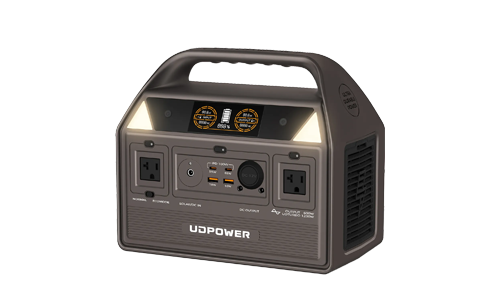
Home backup for essentials, camping, outages | Capacity: 1190Wh Rated Output: 1200W (UDTURBO 1800W surge) Solar Charging Input: 12V–75V, 12A, 400W max |
View |
| UDPOWER S2400 Portable Power Station |  |
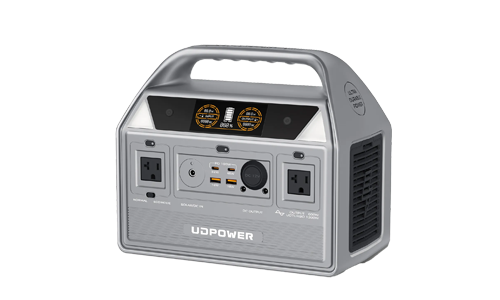
Higher output loads; longer runtime on essentials | Capacity: 2083Wh Output: 2400W Solar Input: 12–50V, 10A (supports 75–400W); UPS ≤10ms |
View |
| UDPOWER C200 Portable Power Station |  |
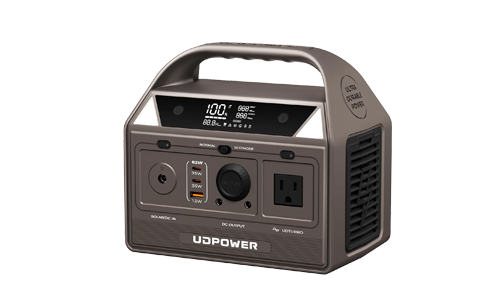
Small backup (router, phones), quick trips | Capacity: 299.52Wh Inverter: 250W Solar Input: 100W |
View |
Compatibility note (from UDPOWER’s solar panel page):
- C200–C400 solar input supports up to 150W.
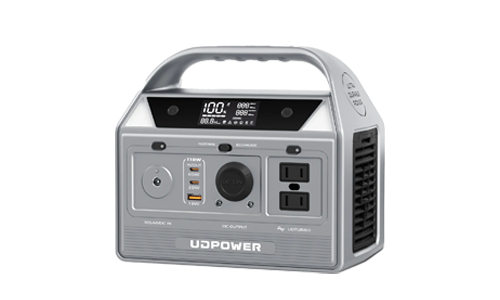
- C600 supports 18V solar panels only; do not use higher-power panels such as 210W with it.
New to portable solar? Here’s a simple learning path (all internal):
- Can You Charge a Portable Power Station with a Solar Panel?
- Are Portable Solar Generators Worth It?
- Are Foldable Solar Panels Worth It?
- Are Solar Panels Worth It for Camping?
If you want to browse by category: Solar Generators, Solar Panels, and Portable Power Stations.
Portable solar isn’t meant to replace a whole-home rooftop system—but it can solve the “I just need reliable power without the roof drama” problem.
FAQ
Is it normal to remove panels just to replace a roof?
Yes. Roof work is one of the most common reasons panels come down temporarily, even when the system is healthy.
How much does removal/reinstall usually cost?
It varies by location and system size. Many homeowners are surprised because it’s an extra line item on top of the roof job. Always get a written scope and confirm who carries leak liability.
If my bill is still high, does that mean solar failed?
Not necessarily. EV charging, higher AC use, time-of-use rates, shading changes, and inverter faults can all change outcomes. Confirm production before blaming the panels.
Are “free solar panels” offers real?
Be cautious. Government agencies warn that “free/no-cost” claims are a common scam angle. Verify licensing, read contracts carefully, and compare multiple quotes.
Can solar panels be recycled?
Yes, but access and cost vary by region. Start with EPA guidance and ask your installer/manufacturer about take-back options.
What if I want solar-like savings but don’t want rooftop solar again?
For many households, the next-best solution is reducing peak usage, shifting loads to cheaper hours, and using portable backup for resilience—especially if you move often or don’t want another roof penetration. If you’re weighing that path, Is It Worth Getting a Portable Solar Panel? is a practical place to start.
Sources
- U.S. DOE – End-of-life management for solar photovoltaics: energy.gov
- U.S. EPA – End-of-life solar panels (regulations & management): epa.gov
- DOE SETO – PV End-of-Life Action Plan (recycling vs landfill cost context): PDF
- CPUC – NEM revisit / Net Billing Tariff transition details: cpuc.ca.gov
- EnergySage – Roof replacement + panel removal/reinstall cost ranges: energysage.com
- FTC – Avoid getting burned by solar/clean energy scams: consumer.ftc.gov
- DOE – “Free solar panels” warning: energy.gov
- UDPOWER product pages (specs used in this article):
Note: This article is for general information only and does not replace advice from a licensed electrician, roofer, or solar professional.
Related Articles


