


S1200 · Camping
“I was going to buy an inverter generator but didn’t want the noise and have to deal with gas and oil.”
Lonnie D.
UDPOWER S1200 customer
Three nights off-grid with lights, headlamps, and phone charging.
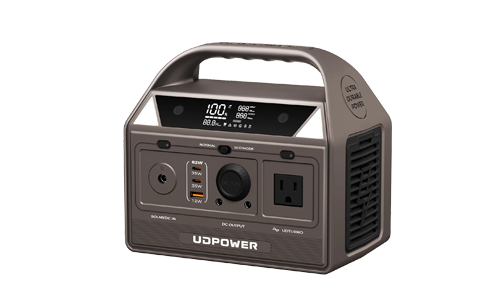
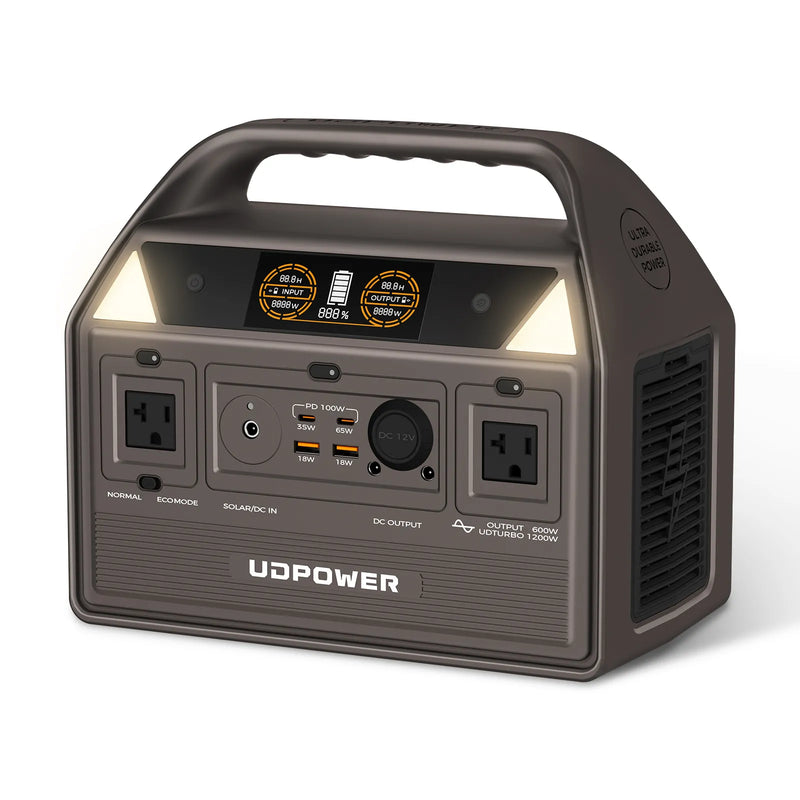
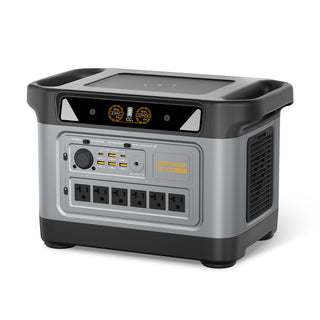
Portable LiFePO4 power for everyday electronics, camping, RV travel, and home backup, with five models spanning 192Wh to 2,083Wh and 200W to 2,400W rated output.

Choose the job first. See typical devices, load range, and the UDPOWER models that fit.




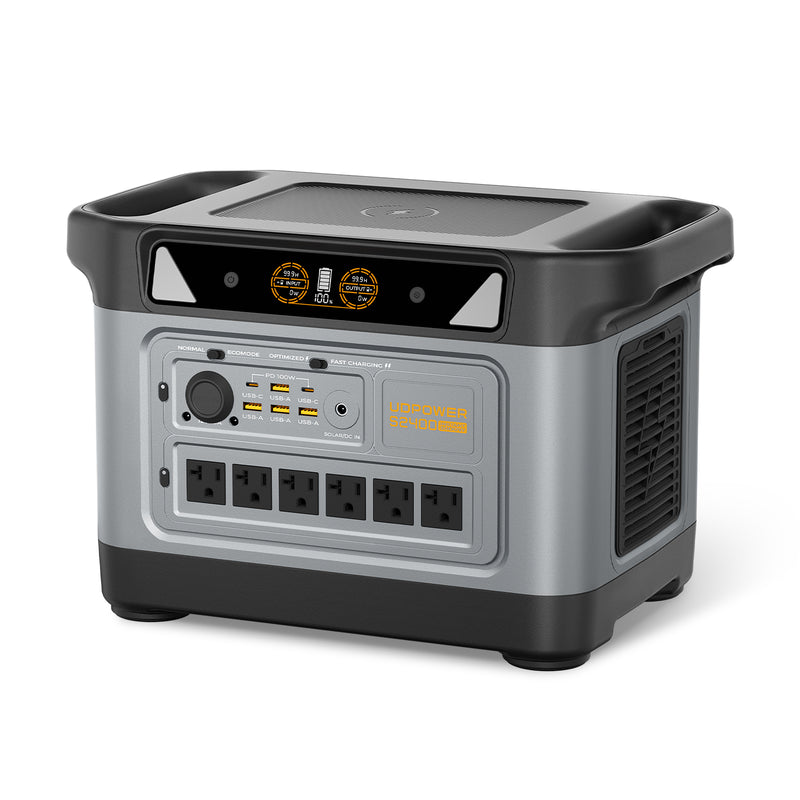
High-Power Appliances
View S2400


High-Power Appliances
View S2400Five models, arranged from lightweight everyday power to higher-capacity home and RV backup.
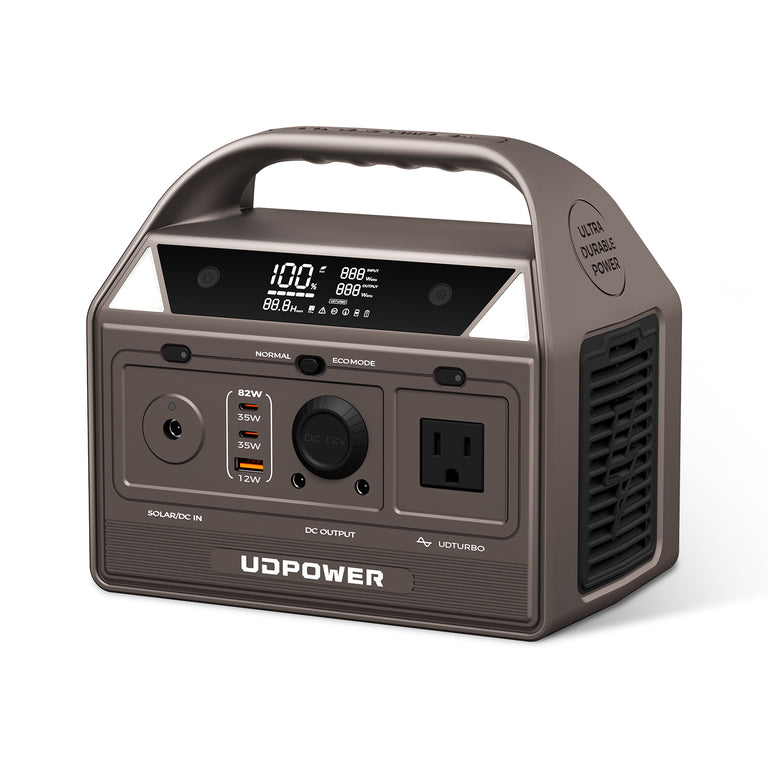
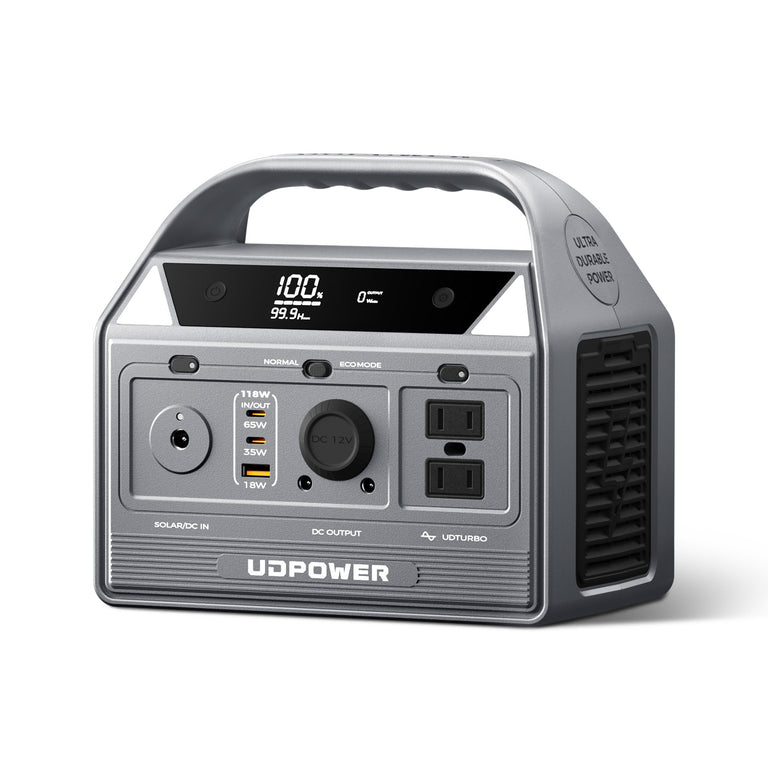
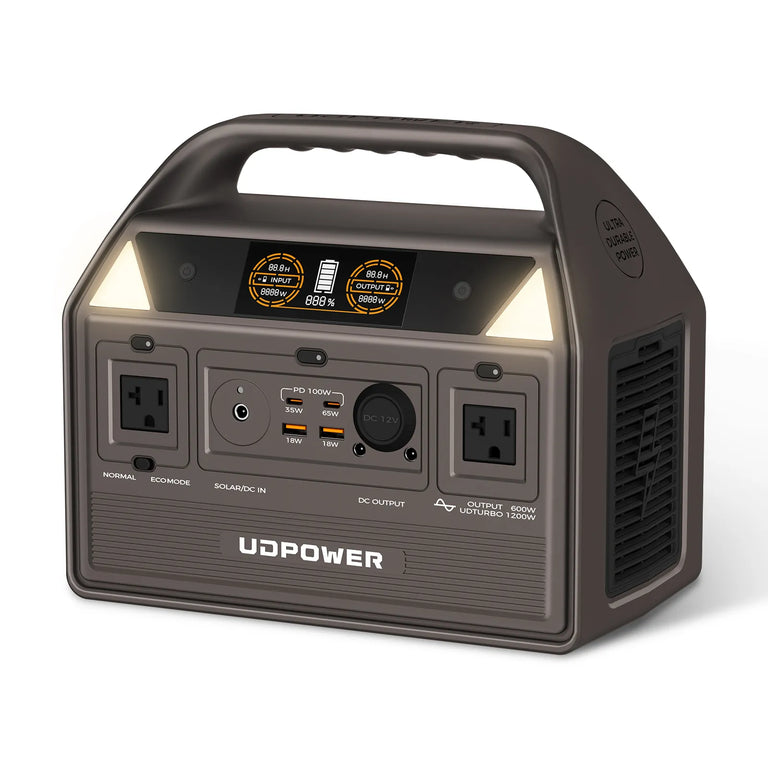
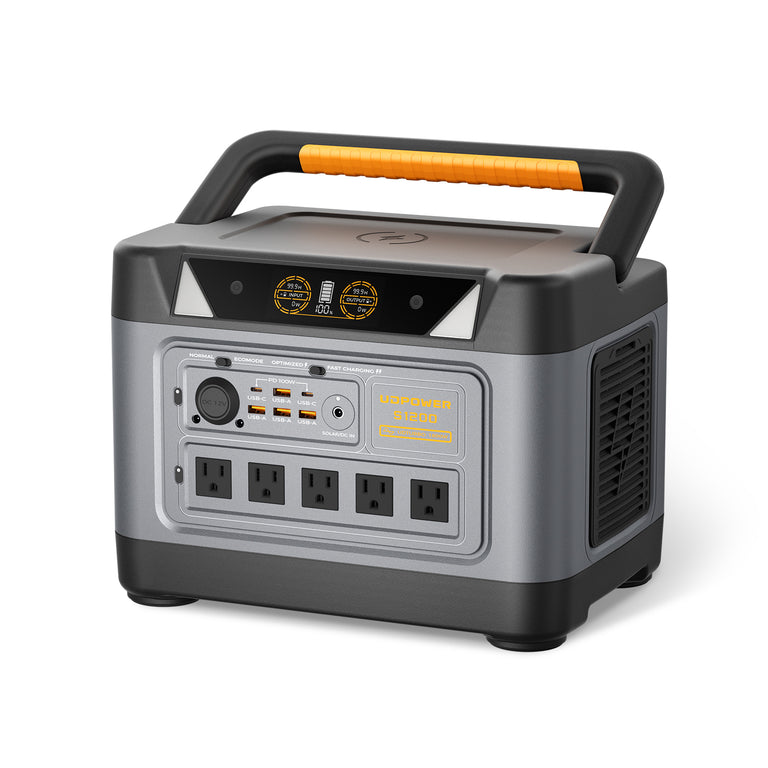
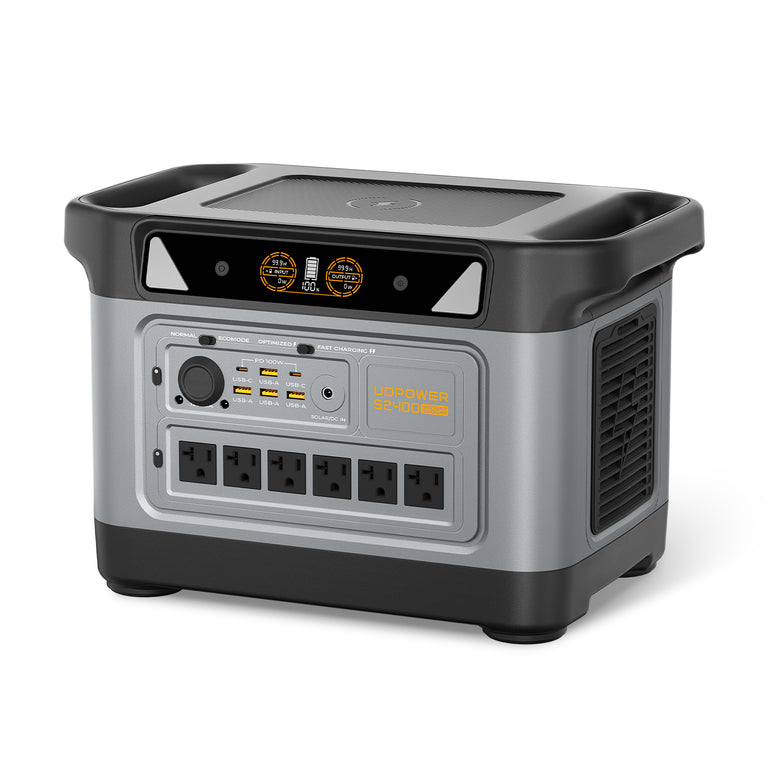
Capacity determines runtime. Output determines what you can power.

Phone · camera · laptop

Lights · fan · cooler · laptop

CPAP · router · TV · lights

Fridge · router · TV · lights

Microwave · tools · fridge
Select models and compare the five details that matter most before opening the deeper specifications.
Choose one appliance to see how the UDPOWER range fits its typical running and startup demand.

20W typical running load
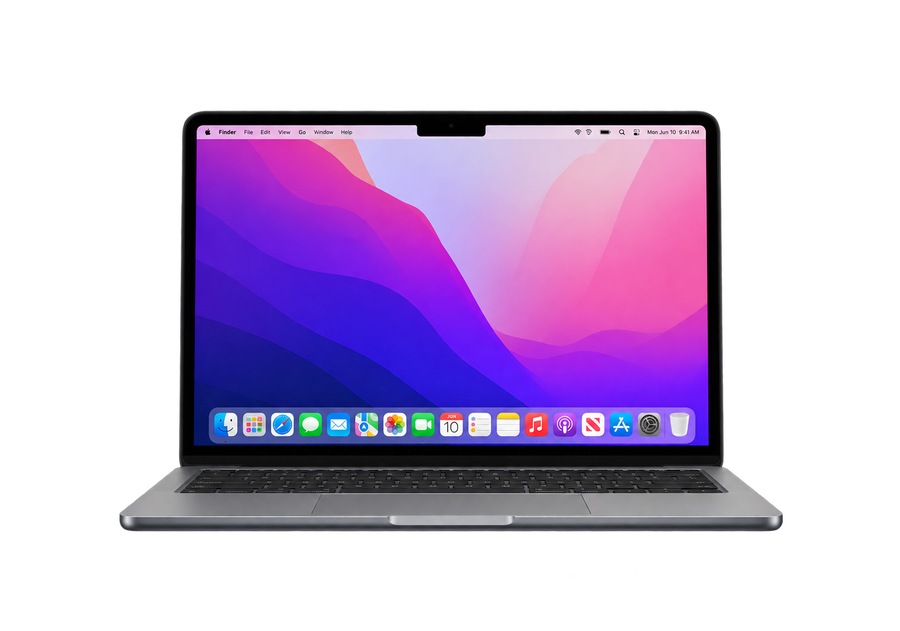
60W typical running load
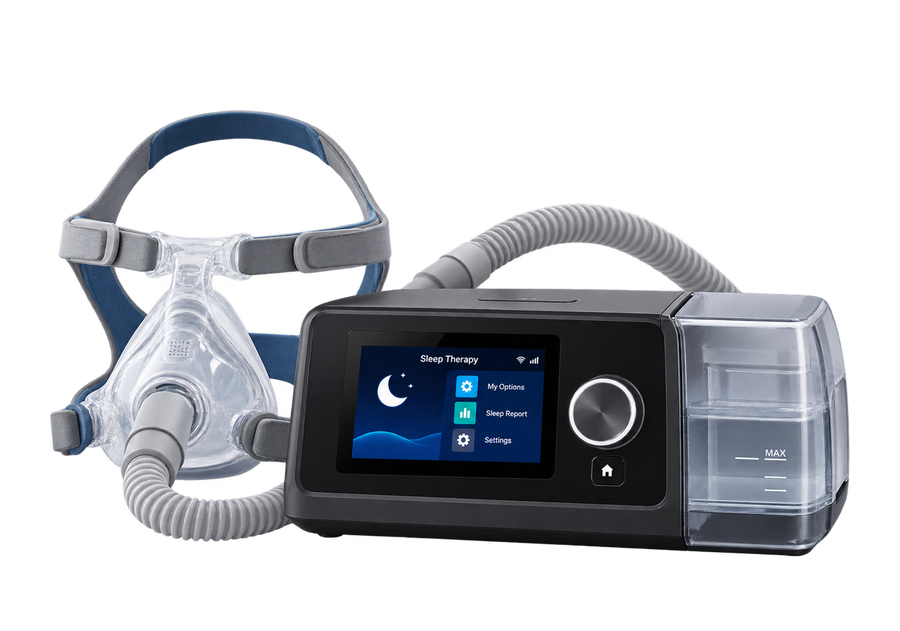
80W typical running load · up to 100W startup planning load
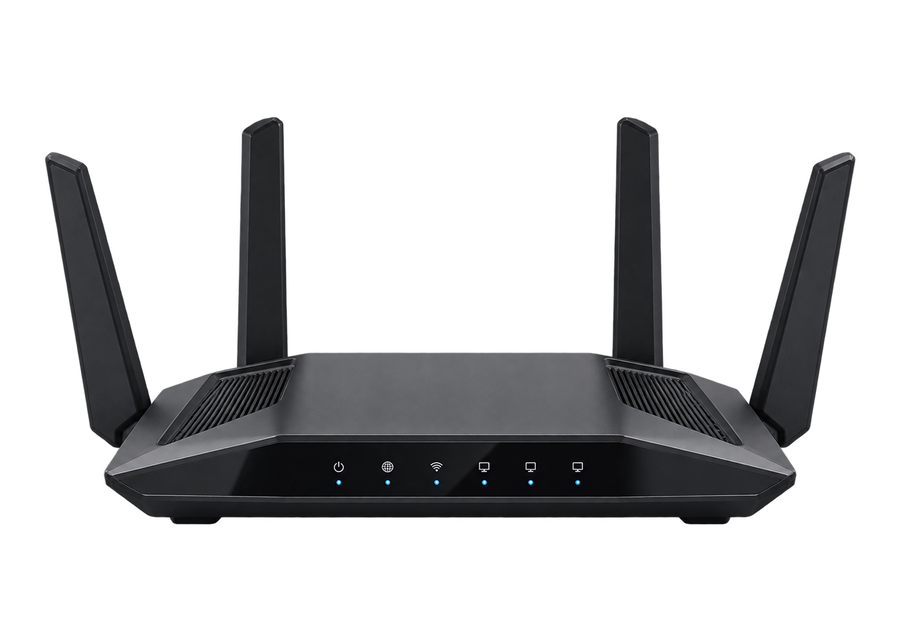
12W typical running load
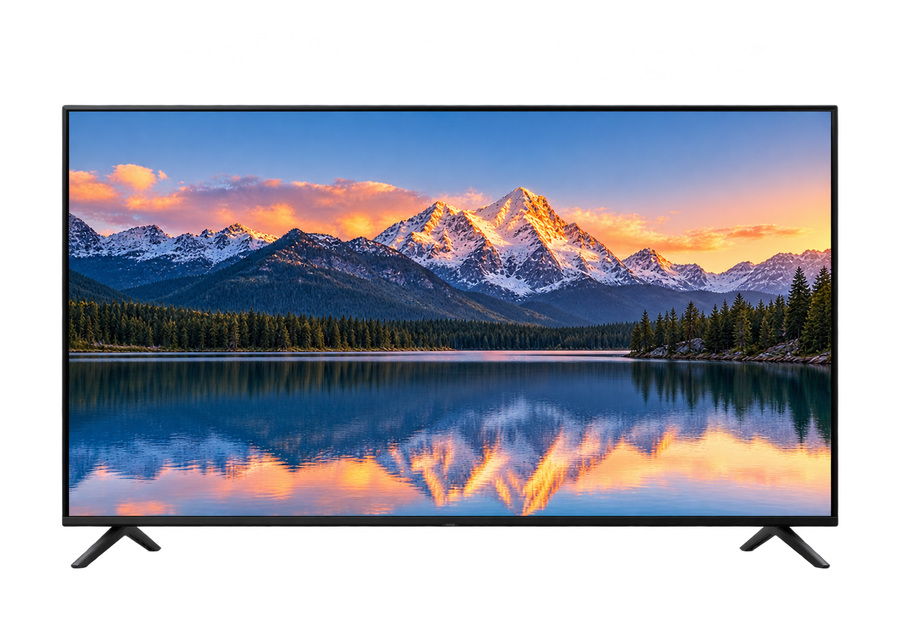
100W typical running load · up to 120W startup planning load
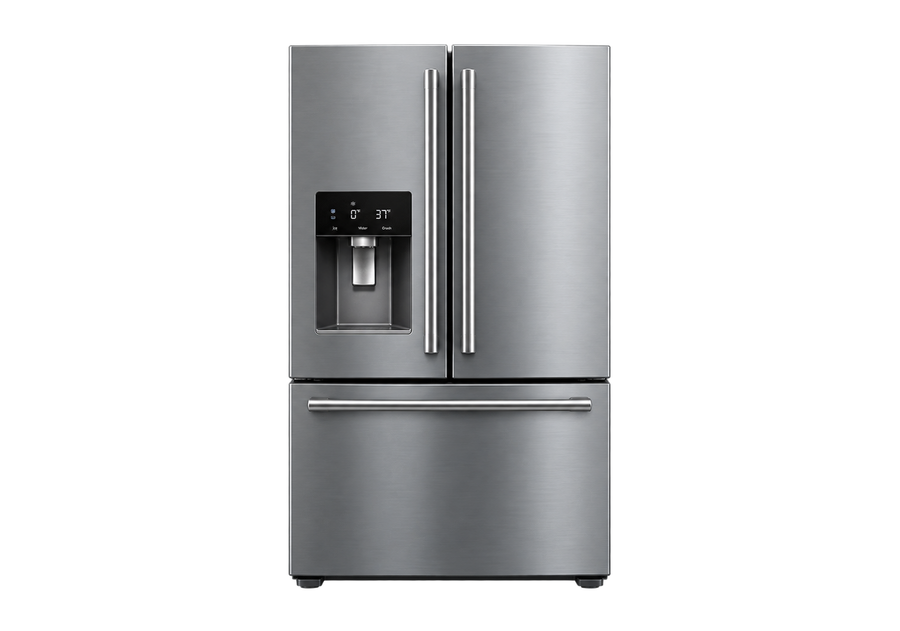
150W typical running load · up to 700W startup planning load
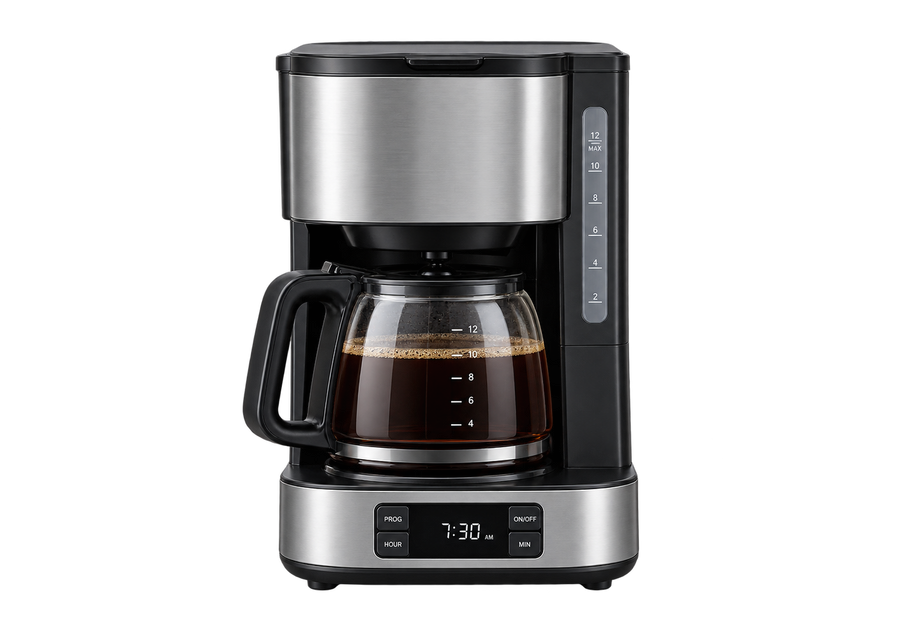
900W typical running load
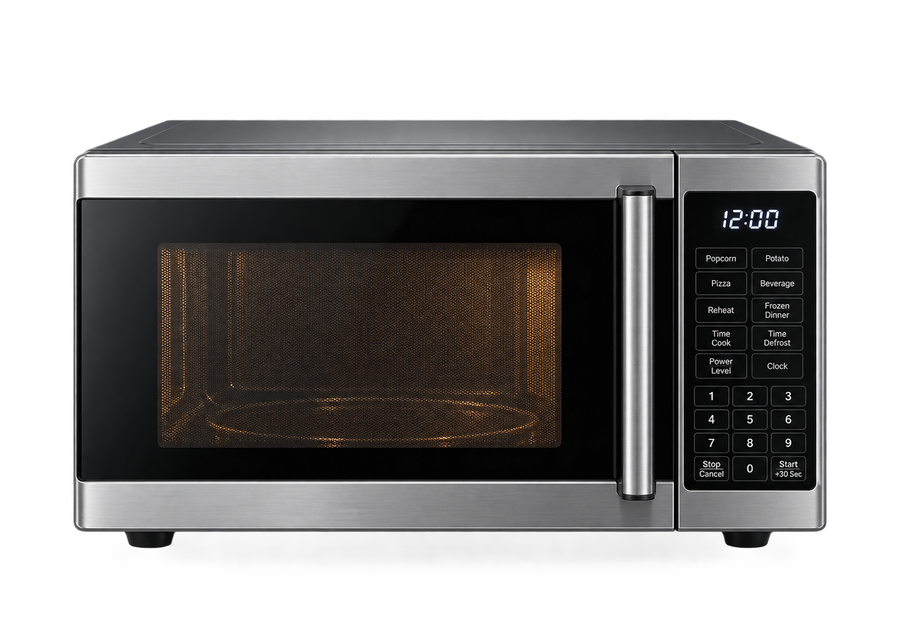
1200W typical running load · up to 1400W startup planning load
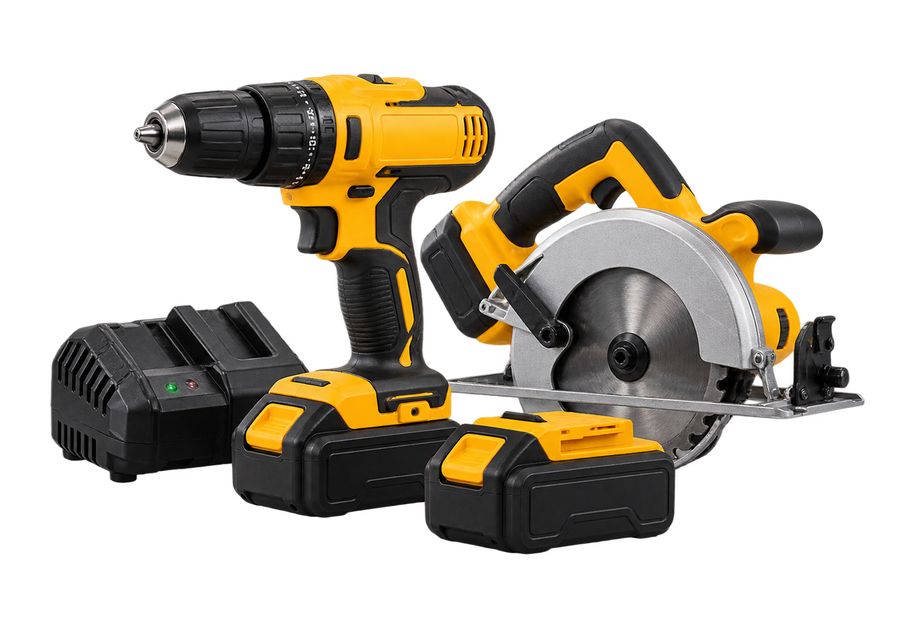
1000W typical running load · up to 1800W startup planning load
Actual compatibility depends on appliance wattage, startup requirements, settings, and other devices used at the same time.
Estimate portable power station runtime from battery capacity, device load, and a 90% planning efficiency.
Capacity × 90% ÷ device watts
Start with the full range, then move into the scenario that matches how you actually use portable power.
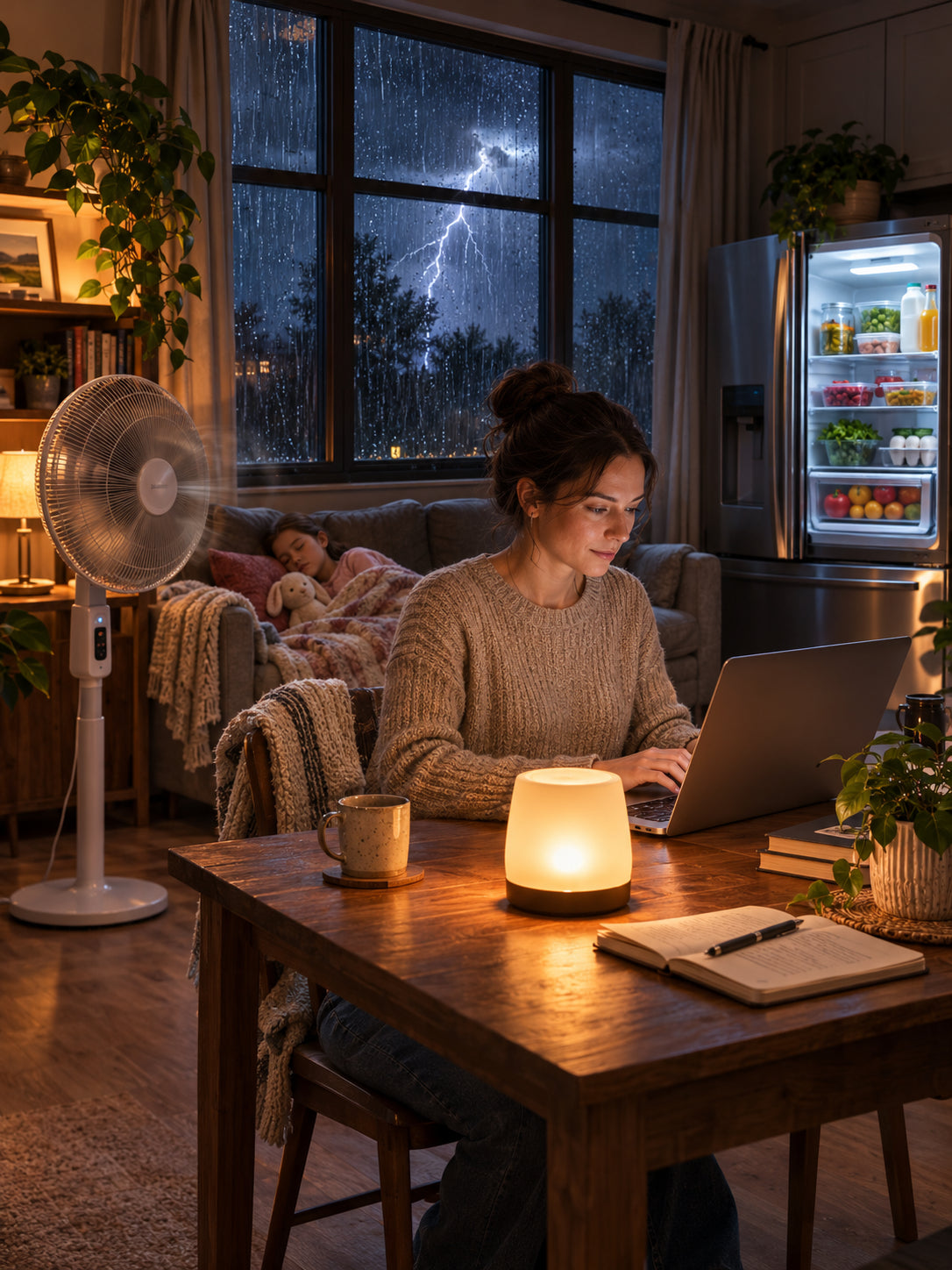
Keep essential electronics and selected household loads available through outages without engine noise or exhaust.
Explore home backup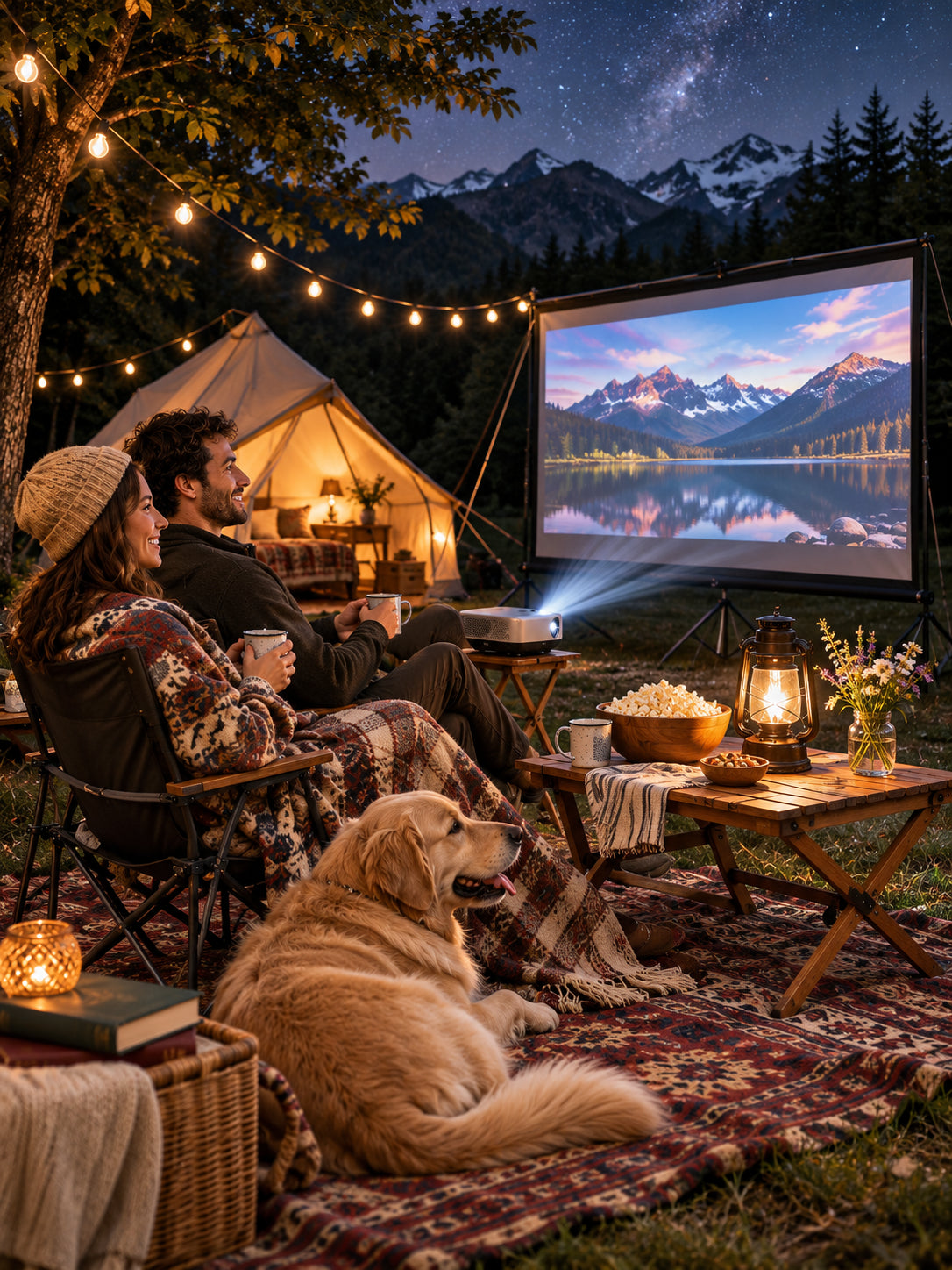
Run lights, coolers, laptops, cameras, and campsite essentials with quiet rechargeable power.
Explore camping power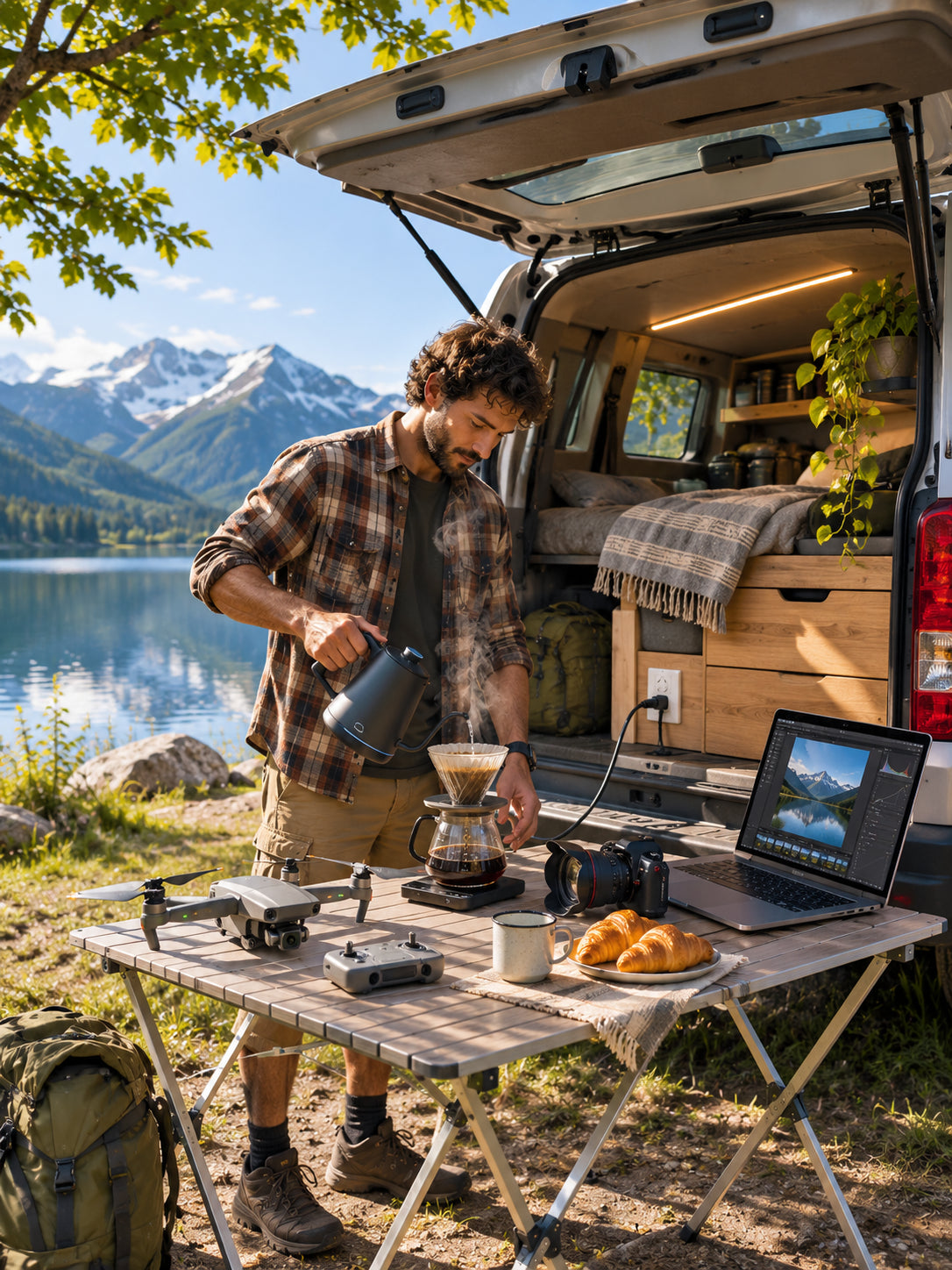
Add portable battery power for road trips, campsite stays, and off-grid stops without relying on a gas generator.
Explore RV power
Keep cameras, laptops, chargers, and field equipment powered when outlets are far away.
Explore outdoor powerBuilt around long-life LiFePO4 batteries, practical power ranges, clear sizing tools, and long-term support.
3,000 cycles to 80% remaining capacity and 4,000 cycles to 70% for clearer long-term planning.
Applicable models add output headroom above their rated class for compatible higher-power loads, with lower conversion efficiency in this mode.
Use rated output for compatibility, capacity for runtime, and the calculator above for your own device wattage.
5-year warranty, U.S. support resources, and a 30-day return window for eligible orders.


“I was going to buy an inverter generator but didn’t want the noise and have to deal with gas and oil.”

“I needed a power solution that didn’t make noise or have fumes.”

“For the price and size, nothing beats this little guy.”

“I’ve used it in the bedroom to run a fan and nightlight, and it’s barely audible—no louder than a whisper.”
Recharge at home, from compatible solar panels, or while traveling between destinations.

Restore the battery before a trip or after an outage with AC wall charging.

Recharge off-grid with compatible solar panels within each model’s voltage, current, and wattage limits.

Top up between destinations when wall power is not available.
Choose in this order: make sure the station can handle your load, size the battery for runtime, plan how you will recharge, then decide how much weight you want to carry.
Compare appliance running watts with the station’s rated AC output, then leave headroom for startup demand and other devices used at the same time. Portable power station wattage answers the first question: can the load run reliably?
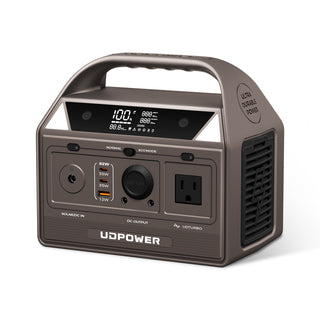
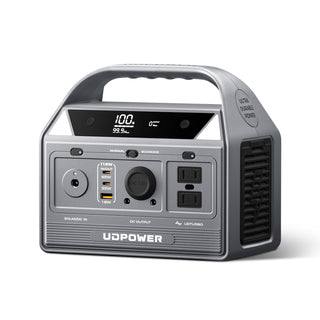
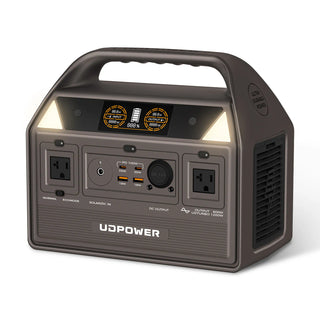
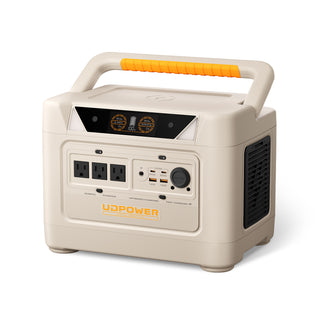
C200 200W · C400 400W · C600 600W · S1200 1,200W · S2400 2,400W
Portable power station capacity is measured in watt-hours. For a steady load, a practical planning estimate is capacity × 90% ÷ device watts. Real runtime changes with cycling loads, temperature, battery condition, and output method.
192Wh · 256Wh · 596Wh · 1,190Wh · 2,083Wh
Wall charging is simplest at home. Solar matters when you stay off-grid, while vehicle charging helps on travel days. Match each station’s input voltage, current, and watt limits to the charging sources you will actually use.
Wall and vehicle charging across the lineup. S1200 supports up to 400W solar; S2400 maximum recommended solar input is 420W.
More battery capacity also means more weight. Frequent carrying favors the lighter C-Series, while the S-Series prioritizes deeper backup capacity for home, RV, and longer-duration power needs.
C200 5.4 lb · C400 6.88 lb · C600 12.3 lb · S1200 26 lb · S2400 40.8 lb
Answers to the questions that most often block a buying decision.
A portable power station is a rechargeable battery system that stores electricity and supplies devices through AC outlets, USB ports, and DC outputs. Unlike a gas generator, it does not burn fuel or produce engine exhaust during use.
Start with your highest-watt device and the hours you need it to run. Rated output must comfortably cover the load, while battery capacity determines runtime. A practical planning estimate is capacity in Wh × 0.9 ÷ device watts.
Add the running watts of devices you plan to use at the same time, then leave extra output headroom for motors, compressors, pumps, and heat-producing appliances. Do not size only by battery capacity.
Runtime depends on battery capacity, device watts, conversion losses, temperature, battery condition, and whether the device cycles on and off. Use the calculator above for a steady-load planning estimate.
Yes, if the station has enough rated output and startup headroom for the refrigerator compressor. Check the refrigerator label or measured wattage before choosing a model.
Battery power stations do not produce combustion exhaust during normal operation, so they can be used indoors when operated according to the product manual, with ventilation and temperature requirements observed.
Yes. Match the solar panel or array to the power station’s supported connector, input voltage range, current limit, and maximum or recommended solar input. Do not choose panels by wattage alone.
Watts measure power and determine what a station can run at one time. Watt-hours measure stored energy and help estimate how long a device can run.
UDPOWER’s current battery-life guidance is 3,000 cycles to 80% remaining capacity and 4,000 cycles to 70%, with actual life affected by temperature, storage, depth of discharge, and charging habits.
S1200 is a practical starting point for home essentials and longer overnight loads, while S2400 provides more capacity and rated output for larger backup plans. Choose from your actual load list rather than model size alone.
Open a guide when you need deeper sizing, runtime, appliance, camping, or solar guidance.

Check running watts, startup demand, simultaneous loads, and runtime before choosing a power station.

See what this wattage class can realistically power and where output limits begin to matter.

Understand higher-power appliances, startup demand, output headroom, and practical runtime tradeoffs.

Learn how appliance running watts, startup demand, and battery capacity affect backup performance.

Match solar panel voltage, current, and wattage to your power station for effective off-grid charging.

Compare output, capacity, runtime, charging options, and portability before choosing the right size.
Compare capacity, output, appliance fit, and estimated runtime to choose the UDPOWER model that matches your actual load.