How to Live Off the Grid: A Practical Beginner’s Guide That Starts With Real Life
ZacharyWilliamOff-Grid Living Guide
Last updated: May 7, 2026
Living off the grid does not mean disappearing into the woods with a few solar panels and hoping everything works. It means building a home, cabin, RV setup, or part-time property that can keep the basics running without depending on utility power, city water, or a quick service call every time something breaks.
The people who succeed usually do not start with the biggest battery or the most remote land. They start by reducing what they need every day, checking whether the property can legally support water and wastewater systems, and testing their power setup before they depend on it full-time.
The Short Answer
You can live off the grid if you plan the core systems in the right order: legal land use, water, wastewater, heat, power, food storage, internet, and maintenance. For beginners, the safest path is to build a small version first—such as a weekend cabin, RV basecamp, or emergency-ready home setup—then expand after you know your real daily loads.
- Best first move: run a 48–72 hour test using only the power, water, food, and internet setup you plan to rely on.
- Biggest mistake: buying solar gear before checking land rules, water access, septic feasibility, shade, and winter conditions.
- Power rule: reduce your daily electricity use before sizing solar or battery storage.

What Living Off the Grid Really Means
At its simplest, off-grid living means reducing or removing dependence on public utilities. In real life, that includes more than electricity. A comfortable off-grid setup needs a working plan for power, water, sewage, heat, food storage, communication, and maintenance.
| System | What you need in real life | What beginners often underestimate | Planning source |
|---|---|---|---|
| Power | Solar, battery storage, inverter output, charging plan, backup strategy, and a daily load list. | Cloudy days, winter sun, inverter surge limits, and high-watt heat appliances. | DOE renewable energy planning |
| Water | A dependable source, storage, filtration, testing, and freeze protection where needed. | Private well owners are responsible for testing and safe use. | CDC well water testing |
| Wastewater | Approved septic, composting toilet, or other legal onsite waste solution. | Soil, permits, drainfield care, pumping, and long-term maintenance. | EPA septic care |
| Heat and cooking | A climate-appropriate heat plan and cooking setup that does not drain batteries too fast. | Long-running electric heat, large ovens, and water heaters can overwhelm a small battery setup. | DOE reducing electricity use |
| Food storage | Efficient refrigerator or cooler, pantry rotation, backup ice/cooler plan, and low-power cooking habits. | Refrigerators cycle on and off, so real runtime depends on temperature, door openings, and appliance efficiency. | DOE load analysis guidance |
| Communication | Phone charging, internet hardware, signal plan, emergency contacts, and backup lighting. | Remote work becomes fragile when a router, modem, booster, or dish is not included in the load plan. | UDPOWER outage power guide |
The practical rule is simple: the less energy and water your lifestyle needs, the easier off-grid living becomes. Efficiency is not a side topic. It is what lets you buy a smaller, simpler, and more reliable system.
Choose Your Version of Off-Grid Living First
Not every off-grid goal needs the same setup. A weekend fishing cabin, a part-time remote work property, and a full-time homestead have very different requirements. Decide which version you are building before you buy land or power equipment.
| Off-grid version | Best for | What to build first | What can usually wait |
|---|---|---|---|
| Weekend cabin or campsite | Fishing land, hunting property, short stays, family weekends, basic comfort. | Lights, phone charging, fan, small fridge or cooler, simple water storage, portable power station, basic tool kit. | Large fixed solar array, whole-house plumbing, heavy appliances, complex internet setup. |
| Part-time off-grid property | Long weekends, seasonal stays, remote work retreats, RV basecamp, gradual transition. | More stable refrigeration, reliable internet load, larger battery capacity, better water storage, safe wastewater plan. | Full homestead infrastructure, large electric cooking, oversized HVAC, permanent workshop loads. |
| Full-time off-grid home | Primary residence, homestead, tiny home, remote family living. | Legal occupancy, water source, septic or approved alternative, heating, year-round access, solar/battery sizing, backup plan. | Very little. Full-time living needs every daily system to work in bad weather, not just on sunny weekends. |
The best path for most readers is not “all in tomorrow.” It is “build a small version, use it hard, fix the weak points, then expand.” That approach protects your budget and shows what your real habits require.
A Realistic Step-by-Step Roadmap
Use this order if you are starting from scratch. It keeps you from buying expensive gear before the property and daily routine are ready for it.
| Step | What to do | What “ready” looks like | Why it matters |
|---|---|---|---|
| 1. Define your off-grid goal | Choose weekend, part-time, or full-time living. | You can list your must-run loads, water needs, sleep setup, internet needs, and cooking plan. | A clear goal prevents overbuying and keeps the project practical. |
| 2. Run a home load audit | Write down the wattage and daily hours for devices you actually need. | You know which loads are essential, optional, and unrealistic for battery-only use. | Power planning is easier when you buy around real daily behavior. |
| 3. Test a small setup | Use a portable power station, lights, water jugs, cooler or small fridge, and your normal devices for 2–3 days. | You know what runs out first: power, water, food storage, internet, or patience. | A cheap test catches problems before land, permits, and permanent systems make them expensive. |
| 4. Check land rules | Verify zoning, building permits, occupancy rules, road access, water rights, and septic requirements. | You know what is allowed before buying or building. | Beautiful land can still be a bad off-grid property if you cannot legally live there. |
| 5. Plan water and wastewater | Decide well, rainwater, hauled water, storage, filtration, septic, or legal alternative. | You have a safe, legal, maintainable plan before comfort upgrades. | Water failures are harder to work around than most battery problems. |
| 6. Build power in layers | Start with essentials, add solar recovery, then add backup for low-sun stretches. | Lights, communication, cold storage, medical devices, and work gear have priority. | Layered power is easier to troubleshoot than one oversized system you do not understand. |
| 7. Create a maintenance calendar | Schedule battery checks, filter changes, septic care, roof/gutter cleaning, spare parts, and seasonal prep. | You know what needs attention monthly, seasonally, and yearly. | Off-grid comfort depends on prevention more than emergency fixes. |
How to Choose Land for Off-Grid Life
Views matter, but access, sunlight, water, and legal use matter more. Before buying land, ask questions that sound boring on paper but decide whether daily life will actually work.
| Question | Why it matters | What to verify | Helpful source |
|---|---|---|---|
| Can you legally live or build there? | Some areas restrict full-time occupancy, tiny homes, RV stays, accessory structures, or alternative systems. | County zoning, building department rules, occupancy permits, setbacks, road easements, HOA/covenants. | DOE local code reminder |
| Is there a realistic water source? | No dependable water plan means no dependable off-grid life. | Well feasibility, water hauling, cistern placement, rainfall, freeze protection, filtration needs. | CDC private well guidance |
| Can the site support wastewater? | A failed septic plan can stop a build or make the property hard to live on. | Perc test, soil conditions, drainfield area, service access, approved alternatives. | EPA septic care |
| How good is solar access? | Shade can turn a strong solar plan into a weak one. | Winter sun angle, tree cover, roof direction, ground-mount space, snow, ridge shadows. | DOE home solar planning |
| Can vehicles reach it year-round? | Fuel, propane, water delivery, septic pumping, emergency access, and repairs all depend on roads. | Road grade, mud season, snow access, bridge limits, gate width, emergency route. | DOE planning checklist |
| What weather will punish the system? | Cold, heat, wind, wildfire risk, and storms change water, power, shelter, and battery behavior. | Local winter lows, snow load, summer highs, wildfire exposure, flood risk, wind exposure. | DOE site planning |
Before you buy land
Call the county building or planning office and ask direct questions: Can I live there full-time? Can I place an RV while building? What septic options are approved? Are wells common in this area? Are composting toilets accepted? Are solar structures allowed? The answers may change your budget more than any power station spec.
How to Plan Off-Grid Power Without Overspending
Do not start by asking, “How big of a battery should I buy?” Start by asking, “What must run every day, for how long, and what happens if there is no sun?”
The U.S. Department of Energy recommends analyzing your electricity loads and reducing electricity use before sizing a renewable energy system. That same rule is even more important off-grid because every unnecessary watt forces you to buy more storage, charging capacity, or backup equipment.
Simple runtime formula
Estimated runtime = battery capacity in watt-hours × usable efficiency ÷ device watts.
For AC appliances, a planning estimate of about 85% usable efficiency is reasonable because inverters and real conditions create losses. For critical devices, leave extra margin instead of running the battery to empty.
Example Daily Load Table
This is not a fixed recommendation. It is a practical model that shows why low-power habits make off-grid living easier.
| Device or task | Typical wattage range | Daily use example | Estimated daily energy | Off-grid note | Source |
|---|---|---|---|---|---|
| LED lighting | 5–30W total | 5 hours | 25–150Wh | One of the highest comfort gains for the lowest power use. | DOE efficiency guidance |
| Wi-Fi router + modem | 10–30W | 24 hours | 240–720Wh | Important for remote work and communication; easy to forget in power planning. | UDPOWER outage guide |
| Laptop | 30–90W | 6 hours | 180–540Wh | Much easier to support than a desktop computer and large monitor setup. | DOE load analysis |
| Efficient fridge or compact fridge | Varies by appliance and cycling | All day | Often moderate, but depends heavily on model and temperature | Use the appliance label or a plug-in watt meter. Door openings and heat change runtime. | DOE load analysis |
| Microwave or coffee maker | 600–1,500W | Short bursts | Low to moderate if used briefly | High wattage is not always a deal-breaker if runtime is short and the inverter can handle it. | UDPOWER 2000W-class guide |
| Space heater | 750–1,500W | Several hours | Very high | Usually a poor fit for battery-only living. Improve insulation and use climate-appropriate heat first. | DOE reducing energy use |
The No-Regret Power Order
- Cut waste first. Use LED lighting, choose efficient appliances, fix air leaks, and turn off AC output when you do not need it.
- Protect essentials. Prioritize lights, internet, phone charging, CPAP or medical devices, cold storage, and work gear.
- Test your daily load. Use a watt meter, product labels, or real runtime testing instead of guessing.
- Add solar recovery. Solar is helpful, but it must match the battery input limits, local sun, and daily load.
- Plan for bad weather. Full-time off-grid homes need a backup strategy for low-sun stretches.
If you are still learning how solar generators actually work, read Are Solar Generators Any Good? and Cost of Solar Powered Generator before buying a system.
Best UDPOWER Setups for Beginners and Cabins
A portable power station is not the same as a complete full-time homestead power system. But it is one of the safest first steps for a weekend cabin, RV basecamp, remote workspace, off-grid camping setup, or essentials-first home backup layer. It lets you test real loads before committing to a permanent installation.
| UDPOWER setup | Official core specs | Best fit | Off-grid role | Source |
|---|---|---|---|---|
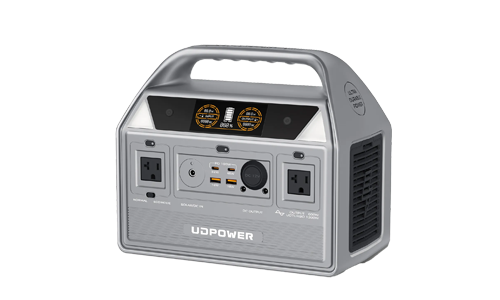
| UDPOWER C600 | 596Wh capacity, 600W output, 1200W surge, LiFePO4 battery, 240W max solar charging input. | Weekend cabin, campsite lights, phone/laptop charging, camera gear, fan, short small-appliance use. | Starter system for light off-grid use when portability and simple daily loads matter most. | C600 product page |
| UDPOWER S1200 | 1,190Wh capacity, 1,200W output, 1,800W surge, LiFePO4 battery, 5-AC version with 15 total output ports, less than 10 ms UPSPRIME switchover. | Cabin essentials, refrigerator support, CPAP, Wi-Fi, lights, laptops, drone/camera charging, short kitchen bursts. | Best general starting point for many users who want more margin than a compact station. | S1200 product page |
| UDPOWER S2400 | 2,083Wh capacity, 2,400W output, 3,000W surge, 6 AC outlets, 16 total ports, solar input 12–50V, 10A max, up to 400W solar charging. | Longer stays, bigger refrigerator margin, more simultaneous devices, stronger appliance bursts, tool use. | Better for semi-serious cabin use or users who want extra capacity and output headroom. | S2400 product page |
| UDPOWER 120W portable solar panel | 120W rated power, 22% efficiency, IP65 waterproof rating, adjustable 60°–90° bracket, 8.93 lb folded portable design. | Solar recovery for compatible UDPOWER stations, camping, RV use, cabin day charging. | Useful refill layer when placed in direct, unobstructed sunlight and matched to the station input limits. | 120W solar panel page |
Compatibility reminder
Always match solar panels to the station’s input voltage, current, wattage, and connector requirements. For example, UDPOWER lists the S2400 solar input as 12–50V, 10A max, up to 400W via DC7909 input. The 120W solar panel page also notes that C200–C400 support up to 150W solar input and that C600 should use 18V solar panels, not the 210W panel.
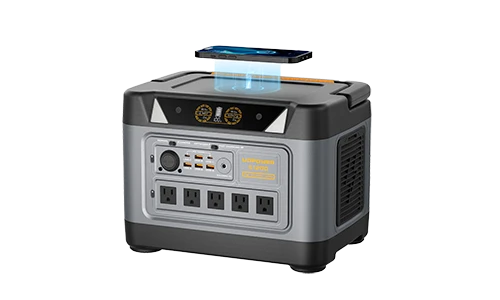
UDPOWER S1200 Portable Power Station
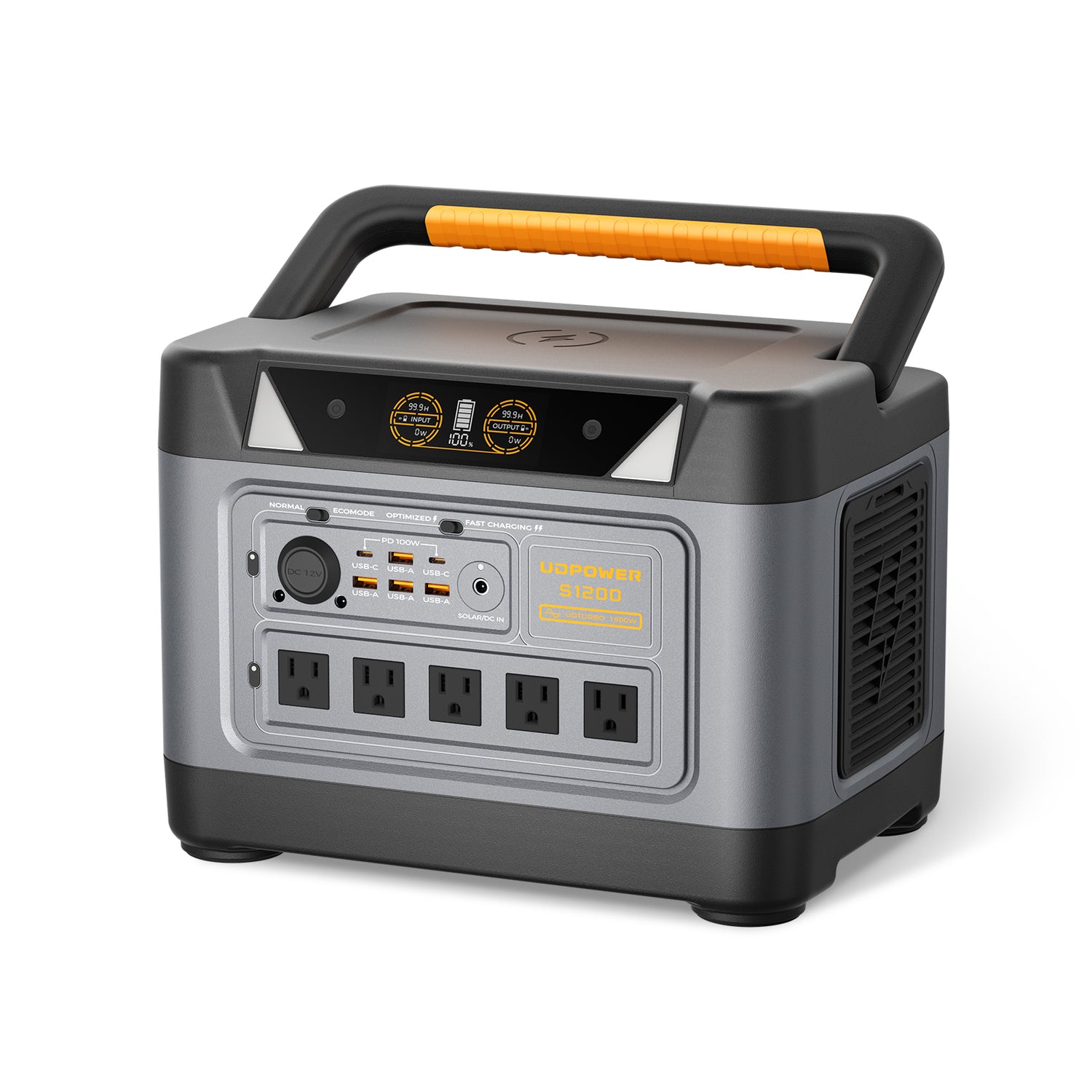
Best for: a practical off-grid starter setup with enough capacity for lights, Wi-Fi, device charging, CPAP, refrigerator support, and short appliance use when sized correctly.
- 1,190Wh capacity and 1,200W rated output
- 1,800W surge support for startup demands
- LiFePO4 battery with 4,000+ cycle rating on the product page
- 5-AC version includes 5 AC outlets plus multiple DC/USB outputs
- Less than 10 ms UPSPRIME switchover for backup use
UDPOWER S2400 Portable Power Station

Best for: longer stays, higher output needs, more simultaneous devices, and users who want more room before hitting capacity or inverter limits.
- 2,083Wh capacity and 2,400W rated output
- 3,000W surge support
- 6 AC outlets plus multiple USB, DC5521, car outlet, and wireless charging outputs
- Solar input 12–50V, 10A max, up to 400W via DC7909 input
- Good fit for cabin essentials, bigger fridge margin, tools, and short high-watt appliance bursts
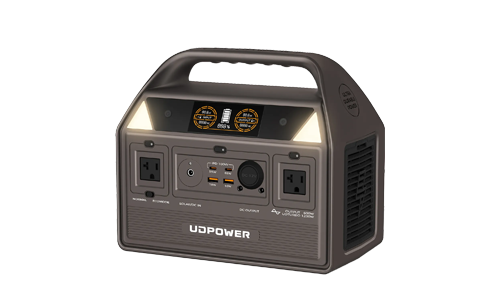
UDPOWER C600 Portable Power Station

Best for: light off-grid use, weekend camping, small cabin tasks, cameras, laptops, phones, fans, and short appliance support.
- 596Wh capacity and 600W rated output
- 1,200W peak surge
- LiFePO4 battery with long cycle-life positioning
- 240W max solar charging input
- Portable option when you want a lower-commitment starter setup
UDPOWER 120W Portable Solar Panel
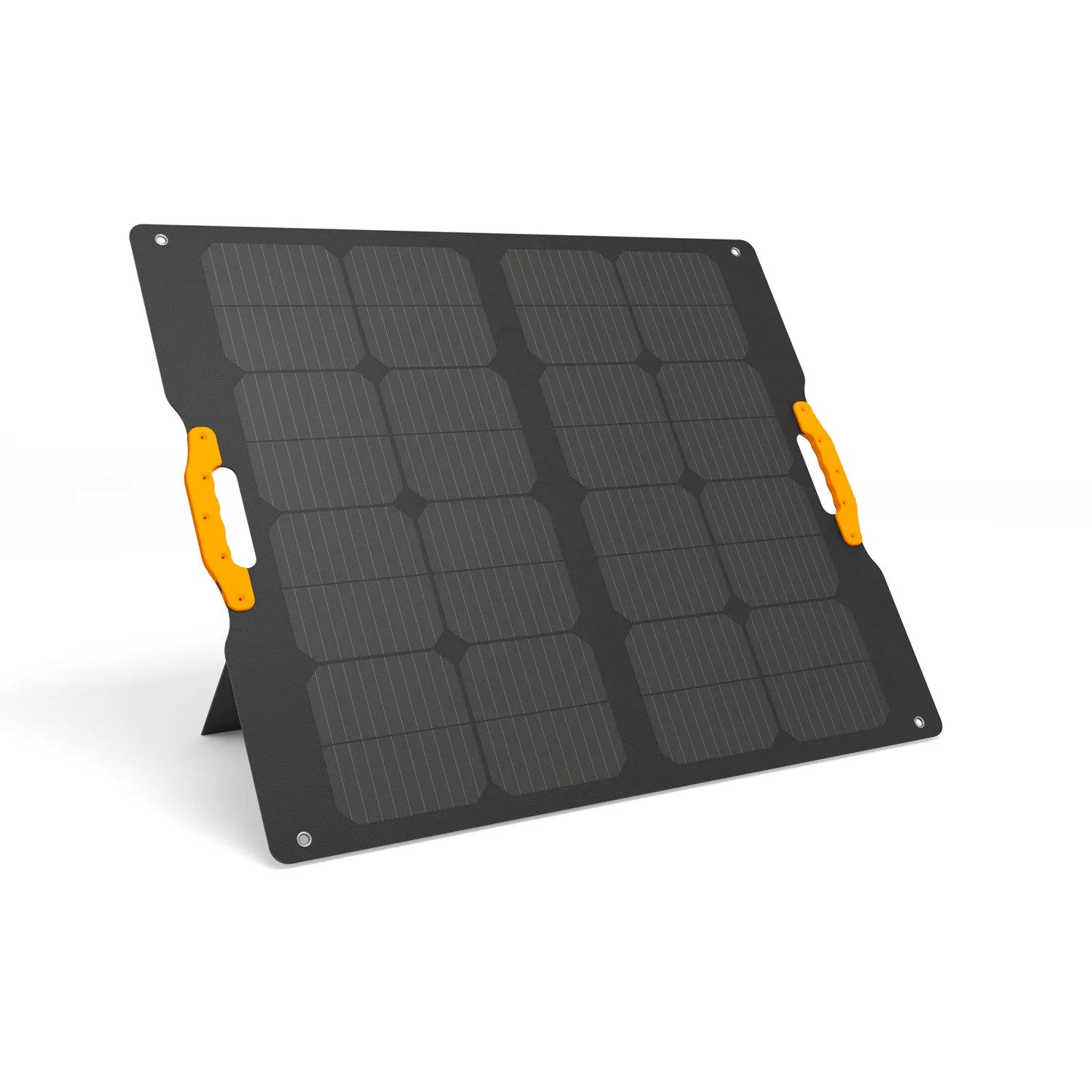
Best for: daytime solar recovery for compatible UDPOWER power stations, especially camping, RV use, and simple cabin charging.
- 120W rated power
- 22% efficiency listed on the product page
- IP65 waterproof rating
- Adjustable 60°–90° bracket for sunlight exposure
- Foldable portable design, listed at 8.93 lb
Not sure which size fits your off-grid plan?
Start with your real load list, then choose the smallest setup that can run your essentials with margin. For many beginners, S1200 is the balanced entry point. For longer cabin stays or heavier simultaneous loads, S2400 gives more breathing room.
View Portable Power Stations View Solar Generator Setups View Solar PanelsWater and Wastewater: The Systems Beginners Underestimate
Power gets the attention, but water decides whether off-grid life is comfortable. A battery can be recharged. Unsafe water or an illegal wastewater setup can stop a project completely.
| Topic | What to plan | Why it matters | Official source |
|---|---|---|---|
| Private wells | Testing schedule, well condition, pump power, storage, filtration, and backup water. | Private well owners must manage testing and water safety themselves. | CDC well water testing |
| Rainwater catchment | Roof/gutter cleanliness, first-flush diverter, tank material, filtration, local legality, and freeze protection. | Rainwater can be useful, but it needs storage and treatment planning. | CDC drinking water safety |
| Hauled water | Delivery access, tank placement, supplier availability, winter access, and emergency reserve. | It can work for cabins, but road access and storage size matter. | DOE site planning context |
| Septic system | Inspection, pumping, drainfield care, water efficiency, and proper waste disposal. | EPA emphasizes routine care; neglected systems get expensive fast. | EPA septic care |
| Septic maintenance timing | EPA’s homeowner guidance says average household systems should be inspected at least every 3 years and tanks are typically pumped every 3–5 years. | Put maintenance on the calendar before a backup or drainfield issue forces the problem. | EPA SepticSmart homeowner guide |
For beginners, the right order is source first, storage second, treatment third, convenience last. A beautiful sink or shower does not matter if the water source is unreliable or unsafe.
Food Storage, Cooking, and Heating
Off-grid living becomes much easier when you stop trying to power every household habit electrically. Use electricity where it is efficient—lighting, communication, refrigeration, charging, small tools—and be careful with anything that creates heat.
| Daily need | Beginner-friendly option | Watch-out | Better habit |
|---|---|---|---|
| Cold food storage | Efficient fridge, compact fridge, high-quality cooler, pantry rotation. | Hot weather and frequent door openings increase energy use. | Keep drinks in a separate cooler so the main fridge stays closed. |
| Cooking | Propane stove, outdoor cooking, short microwave bursts, efficient induction used carefully. | Long electric cooking sessions drain batteries fast. | Cook in batches during strong solar hours and keep no-cook meals on hand. |
| Heating | Insulation, air sealing, climate-appropriate heating method, layered clothing, small heated zones. | Electric space heaters can overwhelm portable batteries when used for hours. | Reduce heat loss first, then choose the heat source. |
| Water heating | Low-flow habits, small-use heating, solar thermal where appropriate, propane where legal and safe. | Electric water heating is usually one of the hardest loads for small systems. | Use less hot water and avoid long electric heating cycles. |
| Food resilience | Dry goods, canned food, freezer discipline, garden basics, simple preservation. | Growing food takes time and consistency; it is not instant independence. | Start with pantry depth before depending on garden output. |
The easiest off-grid kitchen is not the fanciest one. It is the one that can still make coffee, cook a meal, keep food safe, and clean up when power recovery is slow.
Internet, Communication, and Safety
Modern off-grid living often still includes remote work, online school, banking, weather alerts, and emergency communication. Treat communication equipment as an essential load, not a luxury.
| Need | What to prepare | Power planning note | Helpful UDPOWER reading |
|---|---|---|---|
| Phone communication | Charged phones, power bank, car charging, signal map, emergency contacts. | Small load, high value. Keep it separate from luxury devices. | Power outage backup guide |
| Internet hardware | Router, modem, hotspot, cellular booster, satellite hardware where needed. | Runs for long hours, so include it in your daily watt-hour plan. | Off-the-grid camping guide |
| Lighting | LED bulbs, rechargeable lanterns, headlamps, outdoor path lighting. | Low draw and high safety value. | Why buy a portable power station? |
| Weather and emergency alerts | Weather radio, phone alerts, local emergency numbers, paper map. | Do not depend on one connected device only. | Off-grid safety planning |
Budget and Maintenance Planning
Off-grid living can reduce monthly bills, but it does not remove costs. You are replacing utility bills with equipment, land, maintenance, fuel, parts, testing, and time. The safest budget is phased.
| Stage | Typical purchases | Budget mindset | What to avoid |
|---|---|---|---|
| Test stage | Portable power station, basic solar panel if needed, LED lights, water storage, cooler, simple tools. | Spend enough to learn your real loads before permanent decisions. | Buying a full fixed system before testing daily habits. |
| Weekend cabin stage | Better storage, safer wiring plan, water treatment, improved cooking setup, backup charging, spare parts. | Build comfort around essentials first. | Adding high-watt appliances before confirming recovery time. |
| Part-time property stage | Larger battery capacity, more solar recovery, refrigerator strategy, internet plan, wastewater approval. | Plan for weather and multi-day stays. | Depending on sunny-day performance only. |
| Full-time stage | Legal dwelling, water source, septic or approved alternative, heating plan, backup power, full maintenance calendar. | Design for the worst month, not the best weekend. | Assuming one system can fail without affecting daily life. |
Maintenance Items to Put on Your Calendar
- Check battery charge level and storage conditions.
- Clean solar panels and inspect cables/connectors.
- Test water quality and replace filters as needed.
- Inspect gutters, tanks, pumps, and freeze-prone plumbing.
- Follow septic inspection and pumping guidance.
- Restock spare fuses, cables, filters, water treatment supplies, and basic repair items.
- Run a low-sun practice day so everyone knows what to shut off first.
Common Off-Grid Mistakes
| Mistake | What usually happens | Better move |
|---|---|---|
| Buying gear before understanding the property | The equipment does not match the site, climate, rules, or daily routine. | Verify land use, water, wastewater, solar access, and road access first. |
| Planning around sunny afternoons only | The system feels strong in good weather but weak during clouds, shade, or winter. | Plan for the worst useful month and build a backup layer. |
| Trying to heat everything electrically | Batteries drain much faster than expected. | Improve insulation, reduce heated space, and choose heat sources carefully. |
| Ignoring water testing | Health risks or expensive treatment surprises show up late. | Test water before depending on it and keep a treatment plan ready. |
| Oversizing before proving habits | You spend more and still do not know what really matters. | Run a weekend and 72-hour test before scaling. |
| Depending on one perfect system | One failure disrupts power, water, internet, or food storage. | Create layers: essentials, backup, spare parts, and a low-power routine. |
7-Day Trial Plan Before You Commit
This is the most useful exercise for beginners. Do it at home, in an RV, or at a weekend property before you spend serious money.
| Day | Test | What to record | What you learn |
|---|---|---|---|
| Day 1 | Run only essential lights and device charging. | Battery drop, comfort level, missed devices. | Your true minimum power need. |
| Day 2 | Add internet hardware and work devices. | Router/modem draw, work time, recharge need. | Whether remote work fits your setup. |
| Day 3 | Add food storage or fridge/cooler plan. | Temperature stability, runtime, door-opening habits. | How much cold storage really costs. |
| Day 4 | Cook without normal grid habits. | Power used, fuel used, cleanup water, meal simplicity. | Whether your cooking plan is realistic. |
| Day 5 | Use solar recovery if available. | Input wattage, panel placement, shade, recharge time. | How your location and panel angle affect recovery. |
| Day 6 | Simulate bad weather or low solar. | Which devices you shut off first. | Your low-power routine. |
| Day 7 | Review failures and missing supplies. | Dead batteries, water shortage, food issues, internet problems, tool gaps. | Your next purchase list based on evidence, not fear. |
FAQ
Is it realistic to live off the grid full-time?
Yes, but it is realistic only when the property supports safe water, legal wastewater disposal, dependable access, climate-appropriate heating, and a daily power load that your system can actually support. Full-time off-grid living is less about one big purchase and more about systems that work year-round.
What is the hardest part of living off the grid?
For many beginners, the hardest part is not solar. It is water, wastewater, winter access, maintenance, and changing daily habits. Power is important, but it is only one part of the lifestyle.
Can you live off-grid with just solar panels and a battery?
For light use, weekend cabins, and carefully managed small-load living, yes. For full-time living, you also need a water source, wastewater plan, food storage, heating plan, backup strategy, and seasonal margin for poor solar days.
How much power do I need to live off the grid?
There is no single number. Start with the devices you must run every day, their wattage, and how many hours they run. Then add margin for inverter losses, cloudy weather, and battery reserve. A weekend cabin may need only a modest setup, while a full-time home can require a much larger system.
Is a portable power station enough for off-grid living?
A portable power station can be enough for weekend cabins, RV basecamps, camping, remote work tests, and essentials-first backup. For heavier full-time living, it is often better as a starter system or backup layer inside a larger solar and storage plan.
Should I buy a power station before buying land?
A small or mid-size power station can be useful for testing real loads before you buy land. But do not buy a large permanent-style power setup until you understand the property’s solar access, legal rules, water, wastewater, road access, and seasonal conditions.
What should I power first off-grid?
Prioritize safety and daily function: lights, phone charging, internet or communication hardware, CPAP or medical devices, refrigeration, laptop/work gear, and essential tools. Add comfort loads only after the basics work reliably.
What appliances are hardest to run off-grid?
Long-running heat appliances are usually the hardest: electric space heaters, electric water heaters, large air conditioners, full-size electric ovens, and dryers. They can use a lot of energy for long periods, so they require careful planning or a different approach.
Can solar panels recharge a power station every day?
They can when the panel size, sunlight, placement, weather, and power station input limits all line up. Solar recovery is not guaranteed every day, so full-time plans need margin for clouds, shade, winter sun, and backup charging.
What is the best beginner UDPOWER model for off-grid use?
For light camping or a small weekend setup, C600 is a lower-commitment option. For many cabin and home-essential users, S1200 is the more balanced starting point. For longer stays, more simultaneous devices, and higher output needs, S2400 gives more capacity and headroom.
Useful Sources and Official Pages
The tables above include source links where the data is used. These are the main references used for planning and product details:
- U.S. Department of Energy: Planning for Home Renewable Energy Systems
- U.S. Department of Energy: Reducing Electricity Use and Costs
- U.S. Department of Energy: Planning a Home Solar Electric System
- U.S. Department of Energy: Solar Energy and Storage Basics
- CDC: Guidelines for Testing Well Water
- EPA: How to Care for Your Septic System
- EPA SepticSmart Homeowner Guide
- UDPOWER S1200 Portable Power Station
- UDPOWER S2400 Portable Power Station
- UDPOWER C600 Portable Power Station
- UDPOWER 120W Portable Solar Panel
Build Your Off-Grid Power Plan
Start with the loads you actually need, then choose a portable power station and compatible solar setup that gives you enough runtime, charging recovery, and safety margin.
View Portable Power Stations View Solar Generator Setups View Solar Panels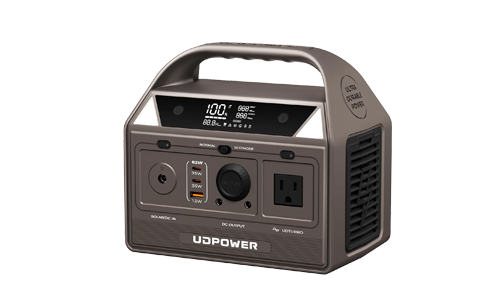



![How to Live In The Woods [Complete Guide]](http://udpwr.com/cdn/shop/articles/Off-Grid_Cabin_Option_f6c94fe7-1ae7-4c3a-baf5-ed9fe684c832.png?v=1763523215&width=170)