

What Kind of Wire Do You Use for a Dryer?
Latest updated: June 3, 2026
For most U.S. homes, the answer is simple: a standard electric clothes dryer usually needs a dedicated 30-amp, 120/240V circuit using 10-gauge copper wire. But the exact wire and cord depend on whether the dryer is electric or gas, whether the outlet is 4-prong or 3-prong, and what your local electrical code requires.
Quick Answer: The Correct Dryer Wire for Most Homes
For a modern electric dryer, use 10/3 copper cable with ground for the wall circuit, connected to a 30-amp double-pole breaker and a NEMA 14-30 4-prong dryer receptacle. The dryer itself usually uses a 4-prong, 30-amp dryer cord that matches the outlet.
In plain English, that means the circuit has two hot wires, one neutral wire, and one separate ground wire. Do not use 10/2 cable for a new electric dryer outlet, and do not put a 30-amp dryer on a 40A or 50A breaker.
Gas dryers are different. A gas dryer normally uses a regular 120V outlet on a 15A or 20A branch circuit because gas provides the heat and electricity only runs the motor, controls, and igniter.

Dryer Wire Size Chart
The table below covers the most common U.S. residential dryer situations. Always check the dryer nameplate, the installation manual, and your local code before buying cable, a breaker, or a receptacle.
| Dryer Type / Situation | Typical Voltage | Breaker | Typical Wire / Cable | Outlet / Cord | Best Use | Source |
|---|---|---|---|---|---|---|
| Modern full-size electric dryer | 120/240V or 208/240V | 30A double-pole | 10/3 copper cable with ground for the branch circuit | NEMA 14-30 4-prong receptacle and 4-prong 30A dryer cord | Most new electric dryer installations | GE Appliances |
| Existing older electric dryer outlet | 120/240V | Usually 30A double-pole | May be older 3-wire circuit; do not assume it is acceptable for new work | May be NEMA 10-30 3-prong | Older homes where the existing outlet remains in place | The Spruce |
| Gas dryer | 120V | 15A or 20A | 14/2 copper for a 15A circuit or 12/2 copper for a 20A circuit, depending on the circuit design | Standard grounded 120V receptacle | Gas dryers that only need electricity for controls and motor | GE Appliances |
| Compact 120V electric dryer | 120V | Often 15A or 20A | Depends on the appliance manual and circuit rating | Standard grounded 120V receptacle | Small apartment-style dryers, not full-size 240V models | GE Appliances |
| Laundry-area dryer receptacle under newer code cycles | 125V through 250V receptacle circuits may be affected | Depends on dryer circuit | Same branch-circuit conductor size, but protection requirements may change | GFCI protection may be required in laundry areas under newer NEC adoption | New installations, panel upgrades, or permitted electrical work | 2023 NEC GFCI Summary |
Simple buying rule: if you are installing a new full-size electric dryer circuit in a typical U.S. laundry room, the common choice is 10/3 copper with ground, a 30A double-pole breaker, and a 4-slot NEMA 14-30 dryer receptacle. If any part of your existing setup does not match that, stop and have a licensed electrician inspect it.
Electric Dryer vs. Gas Dryer Wiring
Many confusing dryer-wire answers come from mixing up electric dryers and gas dryers. They are not wired the same way.
| Question | Electric Dryer | Gas Dryer |
|---|---|---|
| What creates the heat? | Electric heating elements | Natural gas or propane |
| Typical outlet | Large 240V dryer outlet, usually 4-prong in newer installations | Standard 120V grounded outlet |
| Typical breaker | 30A double-pole | 15A or 20A single-pole |
| Typical branch-circuit wire | 10/3 copper with ground | 14/2 copper for 15A or 12/2 copper for 20A |
| Can it use a regular household outlet? | No, not for a full-size 240V electric dryer | Usually yes, if the circuit meets the dryer manual and code requirements |
If your dryer has a big round or angled plug, it is likely an electric dryer. If it has a standard household plug plus a gas connection, it is likely a gas dryer. When in doubt, look at the model plate and the installation manual instead of guessing from the outlet alone.
10/3 vs. 10/2: What the Label Means
Dryer wire labels can be confusing because cable names count conductors differently from how normal shoppers think about “wires.”
| Cable Label | What It Usually Contains | Use for a New Electric Dryer? | Why |
|---|---|---|---|
| 10/3 with ground | Black hot, red hot, white neutral, bare/green ground | Yes, this is the common modern choice | A 4-prong dryer needs two hots, neutral, and ground |
| 10/2 with ground | Black hot, white conductor, bare/green ground | No for a new standard 120/240V dryer outlet | It does not provide the separate two hots plus neutral plus ground needed for a modern 4-wire dryer circuit |
| 10/4 cord | Four conductors inside a flexible appliance cord | Used as the dryer appliance cord, not in-wall branch cable | This is the cord from the dryer to the receptacle, not the cable inside the wall |
A quick way to remember it: 10/3 with ground is for the wall circuit; 10/4 is often how a 4-wire dryer cord is described. They are related, but they are not the same product.
4-Prong vs. 3-Prong Dryer Outlets
A modern 4-prong dryer outlet has four connection paths: hot, hot, neutral, and ground. This separates the neutral from the equipment grounding path, which is why it is the standard approach for new installations.
| Outlet Type | Common Name | Conductors | Typical Status | What to Do |
|---|---|---|---|---|
| 4-prong | NEMA 14-30 | Hot, hot, neutral, ground | Modern standard for new dryer circuits | Use a matching 4-prong dryer cord rated for 30A |
| 3-prong | NEMA 10-30 | Hot, hot, neutral/ground combined in older setups | Common in older homes, but not the choice for new work | Do not convert a new circuit to 3-prong just to match an old cord |
Important Safety Point
If your new dryer cord does not match your old outlet, the safe answer is not to force the plug, cut off a prong, use a random adapter, or install a bigger breaker. Match the dryer cord to a code-compliant outlet, or have the outlet and circuit evaluated by a licensed electrician.
Which Cable Type Should You Buy?
“10-gauge wire” only answers part of the question. You also need the right cable type for where the wiring will run.
| Wiring Product | Where It Is Commonly Used | Good for Dryer Circuit? | Notes for Homeowners |
|---|---|---|---|
| 10/3 NM-B copper with ground | Dry indoor residential walls and ceilings where NM-B is allowed | Yes, commonly used | Often called “10/3 Romex with ground.” Follow local code and routing rules. |
| Individual THHN/THWN copper conductors | Inside approved conduit | Yes, when properly installed in conduit | Do not run loose individual THHN wires inside walls without conduit. |
| Flexible 4-prong dryer cord | Between dryer and receptacle | Yes, as appliance cord only | Must match the dryer, receptacle, and amp rating. |
| Extension cord | Temporary light-duty use | No | Major appliances should be plugged directly into a proper wall receptacle, not an extension cord. Source: ESFI |
| Aluminum cable | Some existing or special installations | Only if all equipment is rated for it and the size is approved | Most homeowners should not choose aluminum for a dryer circuit without an electrician confirming conductor size and terminal compatibility. |
Common Dryer Wiring Mistakes to Avoid
1. Using 10/2 instead of 10/3 with ground
A modern full-size electric dryer needs a 4-wire path. If you only have 10/2 with ground, you are missing what a standard modern dryer circuit needs.
2. Upsizing the breaker because it keeps tripping
A 30A dryer circuit should not be “fixed” by installing a 40A or 50A breaker. Breakers protect wiring from overheating. If the breaker trips, the real issue could be the dryer, the circuit, a loose connection, an overloaded circuit, or a wrong breaker/wire combination.
3. Confusing the dryer cord with the in-wall cable
The cord from the dryer to the outlet is not the same as the branch-circuit cable inside the wall. A 4-prong dryer cord is a flexible appliance cord. The wall circuit is typically 10/3 copper with ground or properly installed conductors in conduit.
4. Using adapters or extension cords
A dryer is a high-load appliance. It should plug directly into a correctly rated dryer receptacle. Avoid adapter stacks, damaged cords, loose receptacles, and extension cords.
5. Ignoring GFCI requirements in laundry areas
Under newer NEC code cycles, GFCI rules have expanded for many 125V through 250V receptacles in laundry areas. Local adoption varies, so a dryer circuit that was accepted years ago may not match the requirement for a new permitted installation today.
Can a Portable Power Station Run a Dryer?
Usually, no. A full-size electric dryer is a 240V high-wattage appliance, and it belongs on a dedicated dryer circuit. A portable power station is not a replacement for dryer wiring, a dryer receptacle, a transfer switch, or a home electrical panel.
| Appliance / Load | Can a Portable Power Station Help? | Why |
|---|---|---|
| Full-size 240V electric dryer | No, not directly | It requires a dedicated 120/240V dryer circuit and a high heating load. |
| Gas dryer controls | Sometimes, if the exact wattage and startup draw fit the power station | The heat comes from gas, but the motor and electronics still need electricity. |
| Washer | Sometimes | Many washers are 120V, but motor startup and cycle behavior vary. Check the nameplate. |
| Lights, Wi-Fi, phones, laptop, fan | Yes | These are the kinds of outage essentials portable power stations are designed for. |
| Refrigerator or small kitchen appliance | Often, if watts and surge are within the model rating | Use the appliance wattage and surge requirement to confirm compatibility. |
The practical takeaway: wire your dryer correctly for normal household use. Use a portable power station for outage essentials, not as a shortcut around dryer wiring.
Recommended UDPOWER Backup Power Options
If you are researching dryer wiring because you are planning a laundry room, moving into an older home, or preparing for outages, a portable power station can still be useful — just not for replacing a 240V dryer circuit. The better use case is keeping daily essentials powered while the dryer waits for grid power.
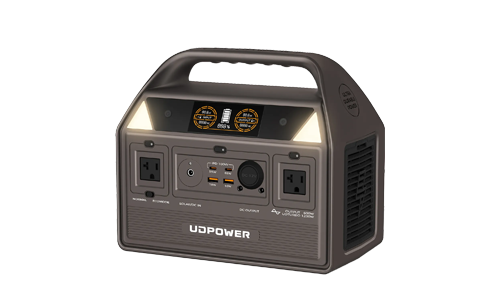
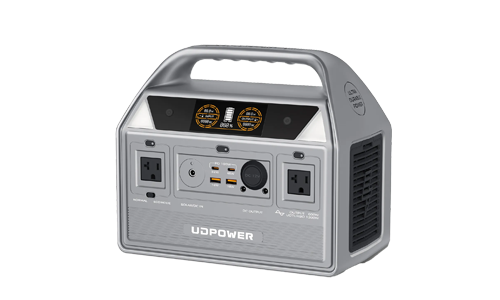
Best Higher-Capacity Pick: UDPOWER S2400 Portable Power Station
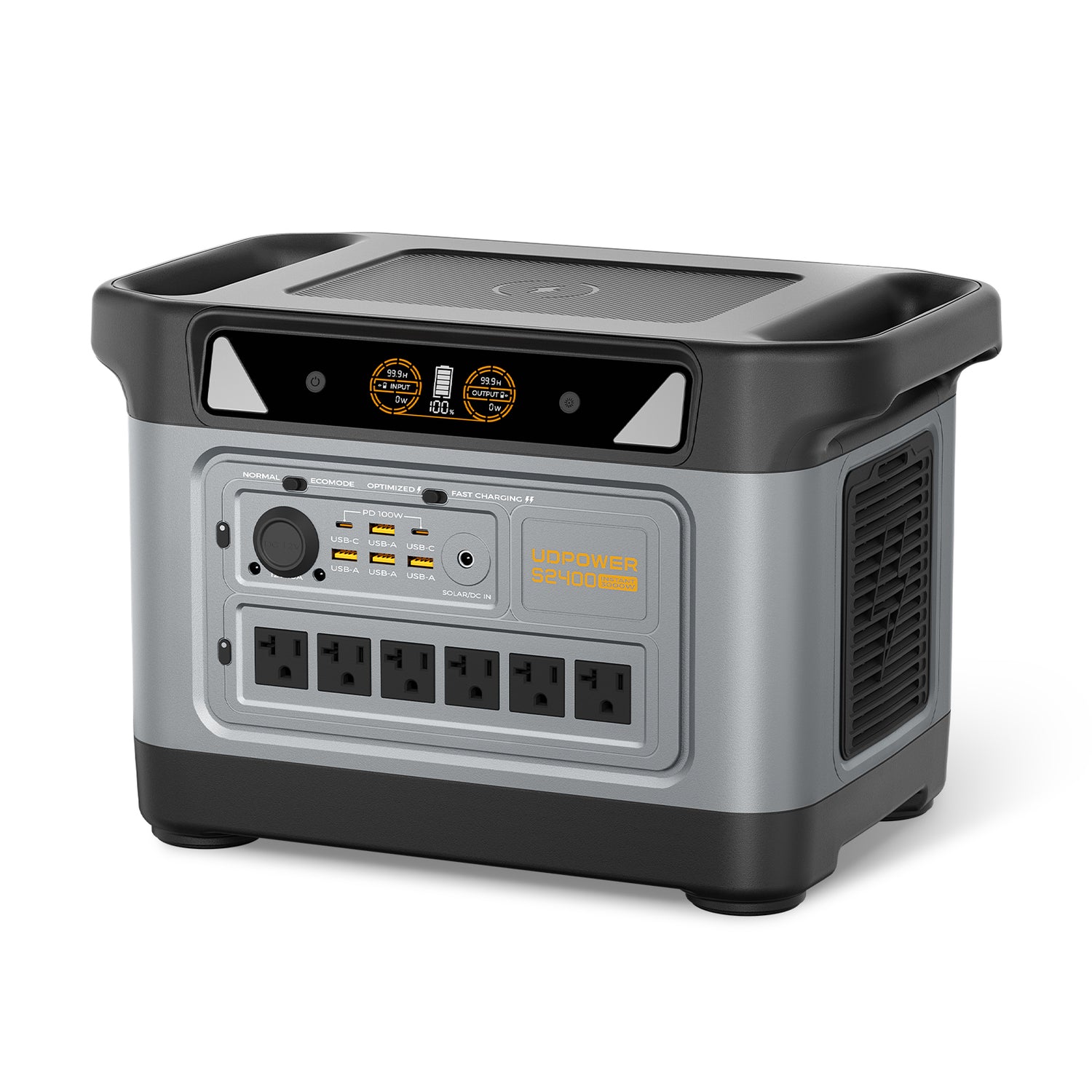
The UDPOWER S2400 is the stronger choice for home backup essentials when you want more output and longer runtime. It is not for plugging into a dryer outlet, but it can support many 120V everyday loads that matter during an outage.
- 2,083Wh LiFePO4 battery
- 2,400W pure sine wave AC output
- 3,000W surge support
- 6 AC outlets + 10 DC outputs
- Up to 400W solar input
- UPSPRIME ≤10ms backup switching
Good fit for: refrigerator support, router, phones, lights, laptops, small kitchen appliances within rating, and emergency backup planning.
View UDPOWER S2400 Use Runtime CalculatorBest Balanced Pick: UDPOWER S1200 Portable Power Station
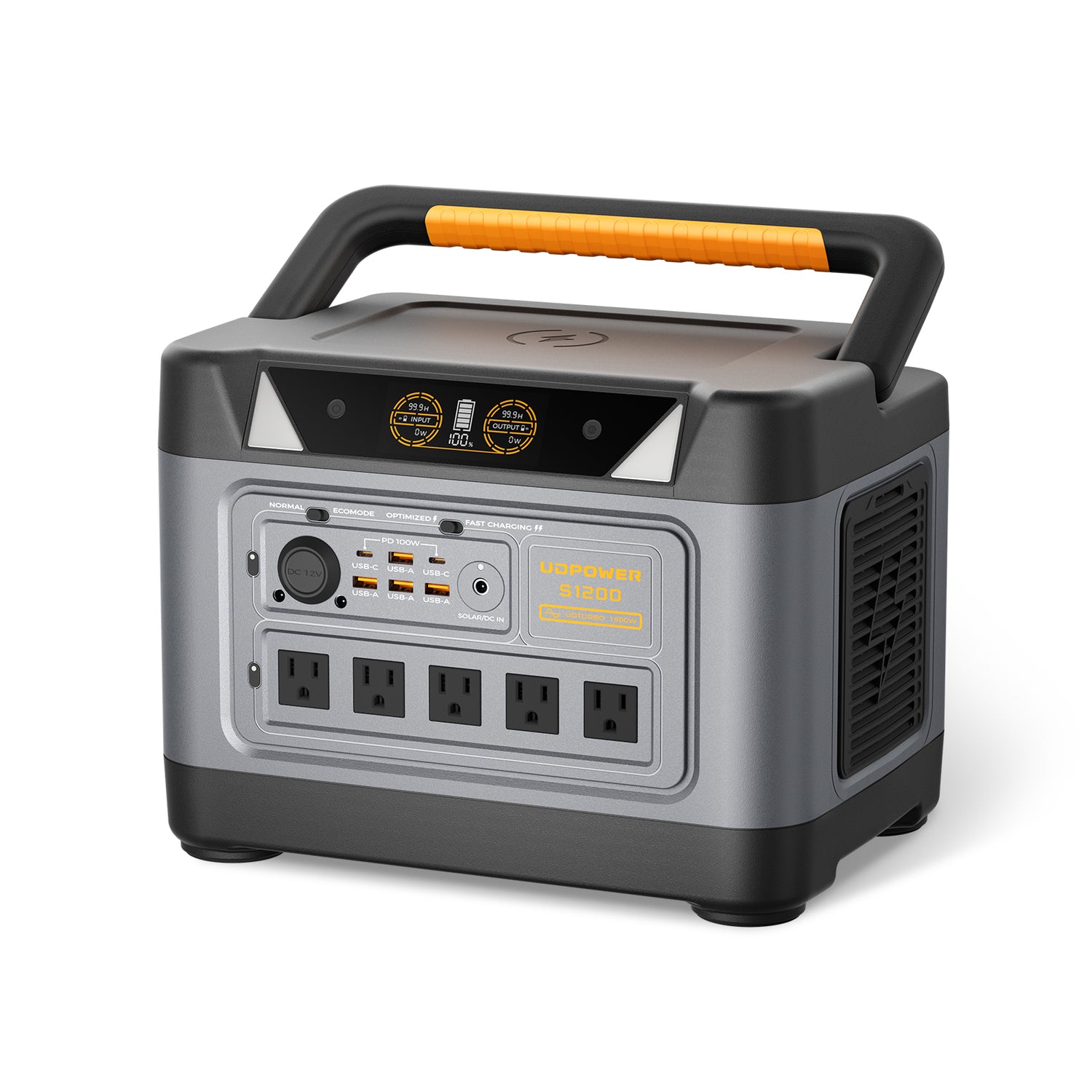
The UDPOWER S1200 is a practical middle-ground option for people who want quiet backup power without moving to the largest unit. Like the S2400, it should not be used as a dryer-circuit substitute.
- 1,190Wh LiFePO4 battery
- 1,200W pure sine wave AC output
- 1,800W surge support
- 5 AC outlets + 10 DC outputs
- 4,000+ cycles
- Quiet operation under 25dB
Good fit for: CPAP backup, Wi-Fi, lights, phones, laptop work, fans, TV, camping, RV weekends, and smaller outage loads.
View UDPOWER S1200 Compare Portable Power StationsEstimated Runtime for Common Outage Essentials
These examples use a practical 90% conversion-efficiency estimate. Actual runtime changes with appliance cycling, startup surge, temperature, battery condition, and how many devices run at the same time.
| Load Example | Example Watts | Estimated Runtime: S1200 | Estimated Runtime: S2400 | Notes |
|---|---|---|---|---|
| LED lamp | 10W | About 107 hours | About 187 hours | Lighting is a low-load backup use case. |
| Wi-Fi router | 15W | About 71 hours | About 125 hours | Router wattage varies by model. |
| Fan | 50W | About 21 hours | About 37 hours | Helpful during warm-weather outages. |
| Laptop workstation | 60W | About 18 hours | About 31 hours | Charging cycles may reduce average draw. |
| Efficient refrigerator average | 100W | About 10.7 hours | About 18.7 hours | Compressor startup surge must stay within the model rating. |
For more home-backup planning, see UDPOWER’s guide to whether a solar generator can power a house, the solar generator collection, and the limitations of portable power stations.
Dryer Wire Buying Checklist
Before you buy wire, a breaker, a receptacle, or a dryer cord, confirm these points:
- Your dryer is electric or gas.
- The dryer manual says 30A, 208/240V, or another exact requirement.
- Your outlet is 4-prong or 3-prong.
- Your circuit has the correct conductor count, not just the correct gauge.
- Your breaker matches the wire size and dryer rating.
- Your local code requirements are met, including GFCI where required.
- The receptacle is tight, undamaged, accessible, and properly installed.
- You are not relying on an adapter or extension cord.
FAQ: Dryer Wire and Dryer Outlets
What gauge wire do I need for an electric dryer?
Most full-size electric dryers use 10-gauge copper wire on a dedicated 30-amp circuit. For a modern 4-prong dryer outlet, that usually means 10/3 copper cable with ground.
Can I use 10/2 wire for a dryer?
Not for a new standard 120/240V electric dryer circuit. A modern dryer circuit needs two hot conductors, a neutral, and a separate ground. 10/2 with ground does not provide that complete 4-wire setup.
Does a dryer need 3 wires or 4 wires?
A new electric dryer circuit should use a 4-wire setup: two hots, one neutral, and one ground. Older 3-prong outlets still exist in many homes, but they are not the standard for new dryer outlet installations.
What outlet does a modern electric dryer use?
Most modern electric dryers use a 4-prong NEMA 14-30 receptacle on a 30A, 120/240V branch circuit.
Can I put a dryer on a 40 amp breaker?
Not if the dryer and wire are rated for a 30A circuit. A larger breaker can allow the wire to overheat before the breaker trips. Match the breaker to the dryer manual, the wire size, and code.
Can I use an extension cord for a dryer?
No. A dryer should be plugged directly into a properly rated wall receptacle. Extension cords and adapter setups are not a safe solution for high-load appliances.
Do gas dryers need 10/3 wire?
Usually no. A gas dryer typically plugs into a standard 120V grounded outlet because gas supplies the heat. The electrical circuit still needs to match the dryer manual and local code.
Can UDPOWER S2400 run an electric dryer?
No, not a standard full-size 240V electric dryer. The S2400 is better used for 120V essentials such as a refrigerator, router, lights, phones, laptops, fans, and other devices within its rated output.
Need Backup Power for Outages?
Wire the dryer correctly for normal home use, then use a portable power station for the devices that actually matter when the grid goes down: lights, Wi-Fi, phones, laptop work, CPAP, fans, and refrigerator support.
View Portable Power Stations Get a Runtime Estimate Read the Home Backup GuideRelated Articles


