Camping Rules Guide: What 2/2/2, 3/3/3, 200 Feet, Quiet Hours, Food Storage, Fire Safety, and Camp Power Rules Really Mean
ZacharyWilliamCamping Rules Guide · Updated April 2026
Camping rules can feel random when you are new: 2/2/2, 3/3/3, 200 feet, 6–8 inches, 30/30, 10–6 quiet hours, generator windows, bear boxes, fire bans, greywater rules, and the “10-year rule” at some RV parks. This guide turns those numbers into a practical campsite routine you can actually follow.
Use this as a plain-English field guide before you book, when you arrive, and when you are deciding how to cook, wash, store food, use power, and leave camp without creating problems for wildlife, other campers, or rangers.
Quick Answer: What Are the Most Important Camping Rules?
The most important camping rule is simple: follow posted local rules first, then use Leave No Trace as your default behavior. In practice, that means camp on durable or designated sites, keep water sources clean, store food away from your sleeping area, manage trash and greywater, obey fire bans, respect quiet hours, and use power in a way that does not create fumes, noise, or neighbor problems.
For beginners, remember these numbers: 200 feet from water for low-impact camping and washing, 6–8 inches deep for catholes where allowed, 30 minutes after the last thunder before leaving shelter, and 10 pm–6 am as a common quiet-hours window unless the campground posts different hours.
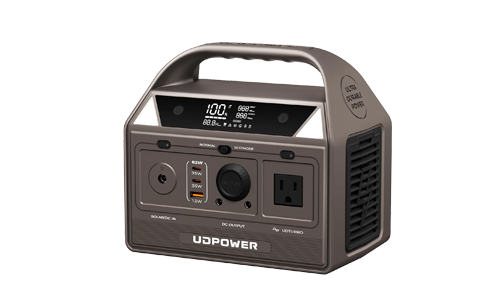
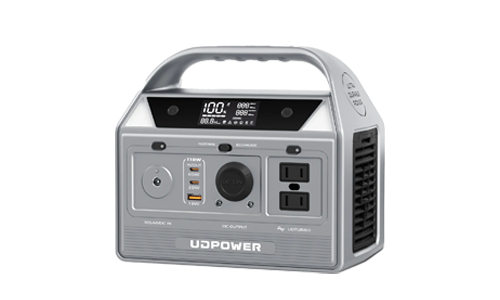
If you need overnight electricity for lights, phones, fans, camera batteries, a CPAP, or a camping fridge, a quiet portable power station is usually more campground-friendly than running a gas generator after dark.

Camping Rule Cheat Sheet
These numbers are not all “laws.” Some are official guidelines, some are common campground policies, and some are road-trip planning habits used by experienced RVers. The safest way to use them is: check local rules first, then use the stricter standard when you are unsure.
| Rule | What It Means | When to Use It | Source / Notes |
|---|---|---|---|
| 2/2/2 | Drive about 200 miles, stop every 2 hours, and arrive around 2 pm or stay 2 nights. | Best for first-time RVers, towing, family weekends, and low-stress travel days. | Common RV planning habit, not a legal rule. |
| 3/3/3 | Drive about 300 miles, arrive by 3 pm, and stay 3 nights. | Useful for longer road loops where rest days matter as much as miles. | Common RV travel rhythm, not a campground regulation. |
| 200 feet | Camp, wash, and dispose of strained greywater at least 200 feet from lakes and streams unless local rules say otherwise. | Backcountry, dispersed camping, and any campsite without built-in water/waste facilities. | National Park Service and Leave No Trace |
| 6–8 inches | Where catholes are allowed, dig 6–8 inches deep and at least 200 feet from water, camp, and trails. | Only when toilets are not available and local rules allow catholes. | Leave No Trace and U.S. Fish & Wildlife Service |
| 30/30 lightning | If thunder follows lightning within 30 seconds, seek shelter. Wait 30 minutes after the last thunder before going back outside. | Open ridges, lakes, fields, exposed campgrounds, paddling, and afternoon storms. | National Weather Service |
| 100 feet or more | Bear-resistant food containers are often placed 100 feet or more from the campsite; some bear-country guidance requires food even farther away. | Bear country, backcountry sites, and campgrounds with food lockers or bear boxes. | National Park Service bear food storage |
| 10 pm–6 am | A common quiet-hours window, but campgrounds may post different hours. | Developed campgrounds, RV parks, state parks, national parks, and private campgrounds. | Always follow the campground board or host instructions. |
| Drown, stir, drown, feel | Put out a campfire with water, stir the coals, add more water, and do not leave until everything is cold to the touch. | Any legal campfire, fire ring, or charcoal setup. | Smokey Bear campfire safety |
Mobile tip: tables in this article can be swiped sideways on small screens.
What to Check Before You Book or Drive In
The biggest camping mistakes usually happen before the tent is pitched: someone assumes fires are allowed, assumes the campground has water, assumes generators can run at night, assumes dogs are allowed on trails, or assumes a first-come site will be open on a holiday weekend.
Before you leave home, check the land manager’s official page first. A blog post can explain the rules, but the local ranger district, park page, campground board, or reservation listing is what you should trust when rules conflict.
| Question to Check | Why It Matters | Where to Look | What to Do If You Cannot Confirm |
|---|---|---|---|
| Are fires allowed right now? | Fire bans can change quickly with wind, drought, or wildfire danger. | Park website, ranger district alerts, campground board, state fire restrictions. | Bring a stove and do not build a fire until you confirm it is legal. |
| Are generators allowed, and during what hours? | Many campgrounds limit generator use to short daytime windows. | Campground rules page, check-in packet, host station, notice board. | Plan to use battery power for nighttime essentials. |
| Is potable water available? | Some campgrounds turn water off seasonally or never provide it. | Reservation page, recent alerts, ranger office, campground reviews as backup. | Carry more water than you think you need and bring a treatment method. |
| Are pets allowed on trails or only in camp? | Pet rules vary widely across national parks, state parks, beaches, and wilderness areas. | Official park pet page and campground rules. | Plan a route that keeps pets legal, shaded, hydrated, and leashed. |
| Do you need a reservation, permit, pass, or timed entry? | Popular areas often require advance booking, wilderness permits, vehicle passes, or timed entry. | Recreation.gov, park page, state reservation system, private campground website. | Have a legal backup campground before you drive into a full area. |
| Is food storage regulated? | In bear country, you may be required to use bear boxes, bear canisters, or approved storage. | Park wildlife page, wilderness permit terms, campground signage. | Treat all scented items like food and use the strictest available storage method. |
The rule that prevents most headaches
Take a screenshot of your reservation, gate code, check-in time, fire rules, generator rules, and campground map before you lose service. Then save an offline map for the last 30–50 miles. Many “camping rule” problems are really “we could not check the rule once we got there” problems.
2/2/2, 3/3/3, and 4/4/4 Travel Rules
The 2/2/2, 3/3/3, and 4/4/4 rules are not campground regulations. They are pacing rules that help campers avoid arriving tired, hungry, late, and short-tempered. They matter because rushed arrivals lead to bad campsite choices, missed notices, poor fire safety, and setup mistakes.
2/2/2 Rule: Best for Beginners
Meaning: drive about 200 miles, take a real break every 2 hours, and arrive around 2 pm or stay 2 nights.
Best for: first camping trips, towing a trailer, mountain roads, families with kids, older pets, and short weekend getaways.
Why it works: arriving early gives you daylight to find your site, read the board, inspect hazards, set up shade, organize food storage, and cook dinner before everyone is exhausted.
3/3/3 Rule: Best for Longer Road Loops
Meaning: drive about 300 miles, arrive by 3 pm, and stay 3 nights before moving again.
Best for: multi-state trips, RV travel, national park loops, overlanding routes, and anyone who wants real recovery days.
Why it works: two non-driving days give you time for laundry, water refills, trash runs, battery recharging, groceries, route checks, and actual exploring.
4/4/4 Rule: Best for Slow Travel
Meaning: drive about 4 hours, arrive by 4 pm, and stay 4 nights.
Best for: families, remote areas, photography trips, fishing, biking, paddling, and campers who prefer fewer stops with deeper exploration.
Why it works: four nights turns a campsite into a basecamp. You can spend less time tearing down and more time enjoying the area.
| Travel Style | Use This Rule | Arrival Goal | Common Mistake | Better Move |
|---|---|---|---|---|
| First family camping trip | 2/2/2 | Early afternoon | Driving after work and setting up in the dark. | Leave earlier or book a closer campground. |
| Cross-country RV trip | 3/3/3 | By 3 pm | Changing campgrounds every night. | Stay 3 nights and build in reset days. |
| Remote scenic route | 4/4/4 | By 4 pm, earlier in winter | Counting map time but ignoring fuel, weather, and slow roads. | Plan from realistic average speed, not highway speed. |
| Holiday weekend | 2/2/2 plus backup plan | Before check-in rush | Assuming first-come sites will be open. | Book ahead or mark legal overflow options. |
Leave No Trace and the 200-Foot Rule
The “rule #1” of camping is not one number. It is the mindset behind the numbers: leave the place clean, safe, and usable for the next person, while giving wildlife the space it needs to behave naturally.
For ordinary campers, Leave No Trace comes down to a few simple habits: use existing sites, keep camp small, do not damage vegetation, keep trash contained, keep soap and food scraps out of water, store scented items properly, and leave natural objects where you found them.
What 200 Feet Looks Like in Real Life
Two hundred feet is about 70–80 adult steps. You do not need a tape measure, but you do need to stop and look around. The point is not just distance from the stream. You also want to avoid trails, other campsites, drainage channels, fragile plants, and obvious animal paths.
| Activity | Default Distance | Good Choice | Bad Choice |
|---|---|---|---|
| Pitching a tent in the backcountry | At least 200 feet from lakes and streams when possible | Established durable site, gravel, sand, dry grass, or bare ground. | Soft meadow, muddy bank, shoreline, or fresh vegetation. |
| Washing dishes | Carry water 200 feet away from the source | Use a small amount of soap, strain food bits, scatter strained water. | Washing pots directly in a creek or lake. |
| Greywater disposal | 200 feet from water, trails, and camp when no designated drain exists | Strain, scatter broadly, and pack out food scraps. | Dumping one big puddle behind the tent or near a picnic table. |
| Food scraps and micro-trash | Pack out completely | Use a dedicated trash bag for wrappers, crumbs, twist ties, and foil. | Throwing orange peels, shells, or coffee grounds into the brush. |
Front-country campground exception
In developed campgrounds, you may be assigned a tent pad or RV pad that is closer than 200 feet from water. Use the designated site. Do not create a new campsite just to hit a number. The 200-foot rule is most useful for washing, greywater, bathroom choices, and dispersed or backcountry site selection.
Bathroom, Dishwater, and Greywater Rules
Bathroom and dishwater rules are where many new campers accidentally create the most impact. A site can look clean from a distance but still have food bits, soap residue, toilet paper, or greywater puddles that attract animals and contaminate water sources.
The 6–8/200 Cathole Rule
If toilets are not available and catholes are allowed, walk at least 200 feet from water, trails, and camp. Dig a hole 6–8 inches deep, use it, cover it fully, and disguise the spot. Pack out toilet paper and hygiene products wherever required, and when in doubt, pack them out.
| Situation | Best Choice | Why | Watch Out For |
|---|---|---|---|
| Developed campground with toilets | Use the toilet facilities. | Keeps waste concentrated in the system designed for it. | Do not use bushes behind a campsite because the bathroom feels far away. |
| Backcountry where catholes are allowed | Use 6–8 inches deep and 200 feet from water, trails, and camp. | Reduces contamination and visual impact. | Thin soil, deserts, snow, alpine areas, and canyons may require pack-out. |
| High-use or fragile areas | Use a WAG bag or required pack-out system. | Some soils do not break down waste well, and high traffic overwhelms the area. | Check permit rules before the trip. |
| Dishwashing | Wipe plates first, strain food bits, wash away from water, scatter strained greywater. | Less food smell, less animal attraction, cleaner water sources. | “Biodegradable” soap still does not belong in lakes or streams. |
A Simple Dishwashing Routine
- Scrape or wipe food into your trash bag before adding water.
- Use a small basin, not the lake or creek.
- Use little or no soap when possible.
- Strain dishwater through a small mesh strainer.
- Pack out the food bits.
- Scatter strained greywater at least 200 feet from water, trails, and camp unless a campground provides a specific disposal area.
Food Storage and Wildlife Rules
Food storage is not just a “bear problem.” Raccoons, squirrels, mice, birds, coyotes, foxes, and skunks can all become campsite thieves when people leave food, trash, grease, or scented items loose.
Think of anything scented as food: snacks, coolers, trash, toothpaste, sunscreen, lip balm, pet food, cooking oil, wipes, deodorant, and dirty cookware.
| Camping Area | Food Storage Priority | Practical Setup | Common Mistake |
|---|---|---|---|
| Developed campground with bear box | Use the bear box for food, trash, and scented items. | Keep the box closed and latched whenever you are not actively cooking. | Leaving a cooler on the picnic table “for just a minute.” |
| Backcountry bear country | Use an approved bear canister, locker, cable, or local required method. | Place storage away from your sleeping area, on stable ground, and away from cliffs or water. | Sleeping with snacks or toothpaste in the tent. |
| Non-bear car camping | Still secure food and trash. | Use sealed bins, vehicle storage where allowed, and quick cleanup after meals. | Assuming small animals are harmless because there are no bears. |
| Camping with pets | Treat pet food as wildlife attractant. | Feed pets, clean bowls, store food, and pack out waste. | Leaving kibble in a bowl outside overnight. |
The best food rule for beginners
Never bring food or scented items into the tent. Not a granola bar, not toothpaste, not dog treats, not a half-empty soda. A clean tent is easier to protect than a tent that smells like dinner.
Fire, Weather, and Lightning Safety Rules
Campfires are one of the best parts of camping when they are legal, small, attended, and fully extinguished. They are also one of the easiest ways to create a serious problem if you skip the rules.
Campfire Rules That Actually Matter
- Check the fire status first. If there is a fire ban, use a stove instead.
- Use existing rings. Do not build new rings when a ring already exists.
- Keep fires small. A small fire is easier to cook over, enjoy, control, and extinguish.
- Never leave a fire unattended. Not for a bathroom break, not for a quick walk, not while you sleep.
- Do not burn trash. Pack out foil, plastic, cans, glass, food packaging, and micro-trash.
- Use local firewood. Moving firewood can spread invasive pests and diseases.
- Put it out completely. Drown, stir, drown, and feel until everything is cold.
The 30/30 Lightning Rule
If you see lightning and hear thunder within 30 seconds, the storm is close enough to be dangerous. Move away from ridgelines, open water, isolated trees, metal objects, and exposed ground. A fully enclosed vehicle or substantial building is much safer than a tent, open shelter, or picnic canopy.
After the last thunder, wait at least 30 minutes before returning to exposed activities such as paddling, fishing from shore, climbing, ridge hiking, or setting up metal poles.
| Warning Sign | What It Means | What to Do |
|---|---|---|
| Wind picks up quickly | A storm front or fire-risk condition may be moving in. | Lower awnings, secure tents, stop cooking over open flame, and check weather. |
| Thunder is audible | You are close enough to lightning risk to take action. | Leave exposed areas and move to safer shelter. |
| Smoke smell or ash fall | Wildfire may be nearby or smoke may be moving into the area. | Check official alerts, know exit routes, and be ready to leave early. |
| Cold rain after sweating | Hypothermia can become a risk even outside winter. | Change into dry layers, add a shell, eat, hydrate, and stop pushing mileage. |
Quiet Hours, Generators, and Campsite Power
Quiet hours are not just about being polite. They protect sleep, reduce conflict, and help keep campgrounds usable for families, kids, pets, older campers, tent campers, and people using medical or sleep equipment.
A common quiet-hours window is 10 pm to 6 am, but always follow the posted campground rule. Some sites start quiet hours earlier, some restrict music at all times, and many have separate generator hours.
Generator Rules vs Portable Power Station Rules
A gas generator can be useful for heavy loads or recharging during allowed hours, but it creates engine noise and exhaust. It should never be used inside a tent, RV, vehicle, garage, cabin, or enclosed space. A battery power station does not create exhaust while powering devices, which makes it better suited for lights, phones, fans, routers, cameras, CPAP machines, and small fridges during quiet hours.
| Power Need | Quiet-Hours Friendly? | Best Setup | Planning Note |
|---|---|---|---|
| Phone charging | Yes | Portable power station or power bank | Charge before bed to avoid cable clutter in the tent. |
| LED camp lights | Yes | Battery lights or power station | Point lights down and away from neighbors. |
| Camping fan | Yes | Power station | Check wattage; overnight fans can use more energy than phones. |
| CPAP | Yes, with planning | Power station sized to your device | Test at home. Heated humidifiers can greatly increase power use. |
| Camping fridge | Yes | Mid-to-large power station | Average watts matter more than the short compressor start. |
| Coffee maker or kettle | Usually daytime only | High-output station or stove | These are short-use but high-watt appliances. |
| Large RV air conditioner | Usually not practical overnight on small battery systems | Shore power, RV system, or generator where allowed | High surge and long runtime needs require careful sizing. |
Simple campsite power formula
Estimated runtime = battery capacity × usable efficiency ÷ device watts.
For AC-powered devices, using about 85–90% usable energy is a practical planning estimate. Real runtime changes with temperature, device settings, duty cycle, inverter losses, and battery condition. For overnight devices such as CPAP machines or fridges, test your own setup at home before relying on it at camp.
Recommended UDPOWER Camping Power Setups
The camping rules above explain why quiet, fume-free power is useful. The right model depends on what you actually need to run. Do not buy by “watts” alone. Match both the AC output rating and the battery capacity to your devices.

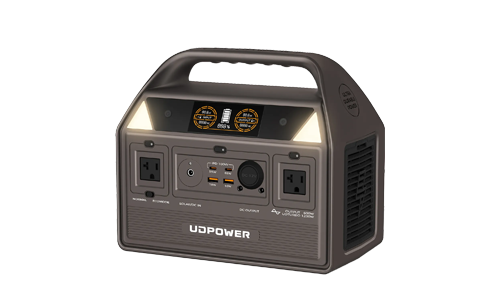
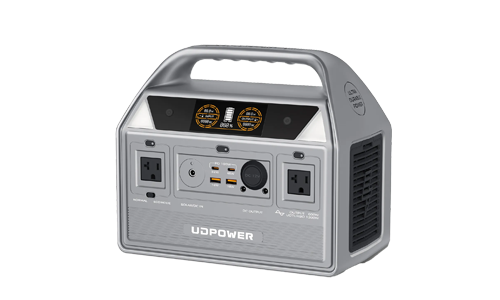
UDPOWER C600 — Weekend Camping Basics
The C600 is the practical middle ground for campers who want quiet power for phones, lights, cameras, laptops, small fans, and carefully planned cooler or compact-fridge use.
Best fit: two-person weekends, light family campsites, camera gear, laptop charging, lights, small fans, and compact power needs.
View UDPOWER C600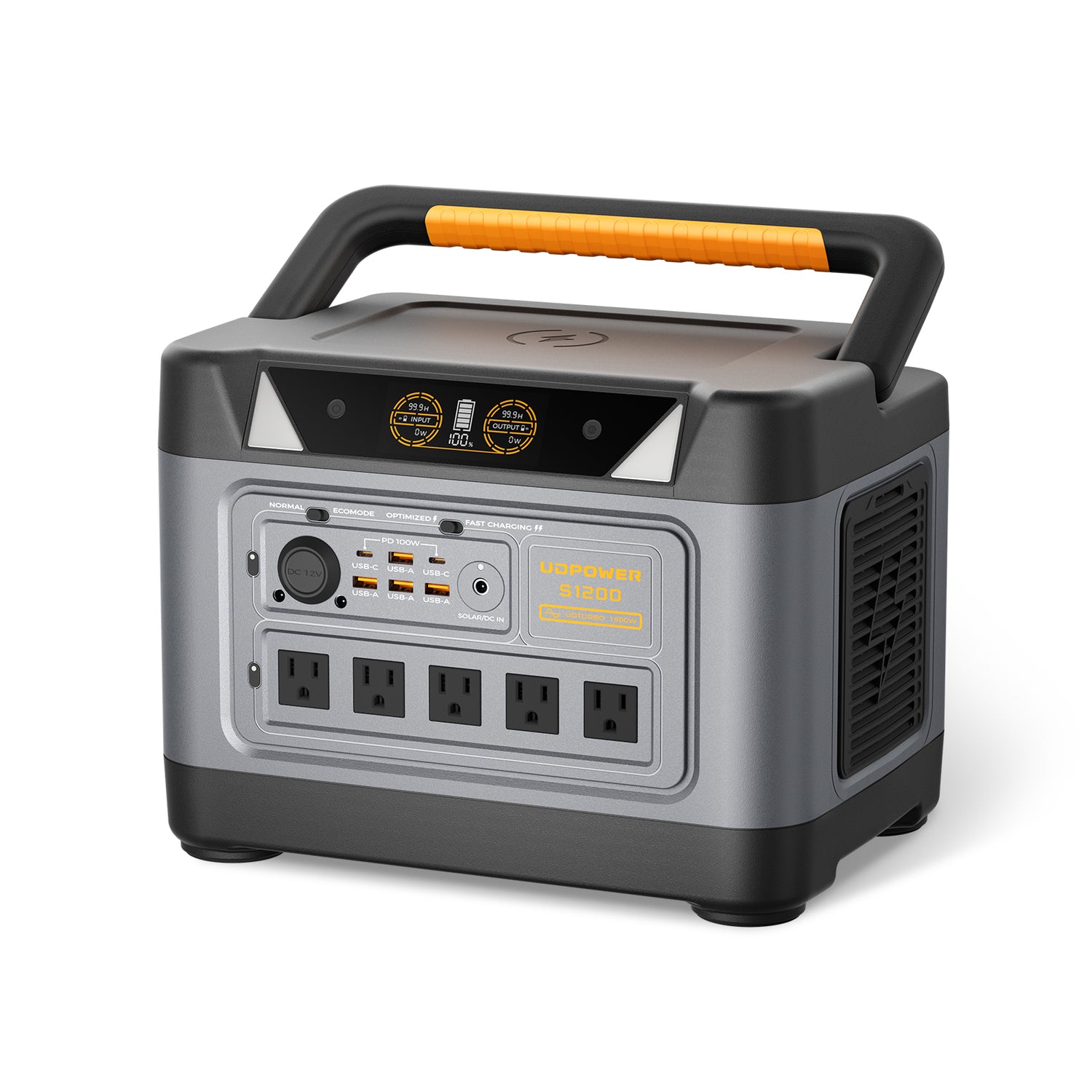
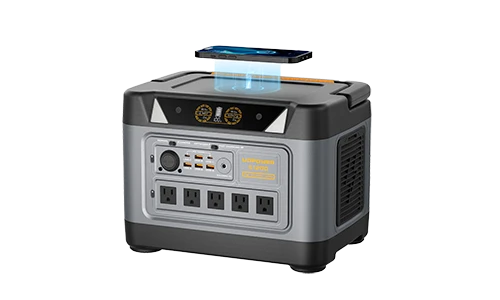
UDPOWER S1200 — Comfort Camping, CPAP, Fridge, and Family Use
The S1200 is a stronger choice when your campsite includes overnight comfort loads: CPAP, fans, laptops, portable fridge, camera charging, projector night, and short appliance bursts within the output limit.
Best fit: comfort camping, CPAP users, family weekends, portable fridge setups, and campers who want to avoid generator noise for normal campsite loads.
View UDPOWER S1200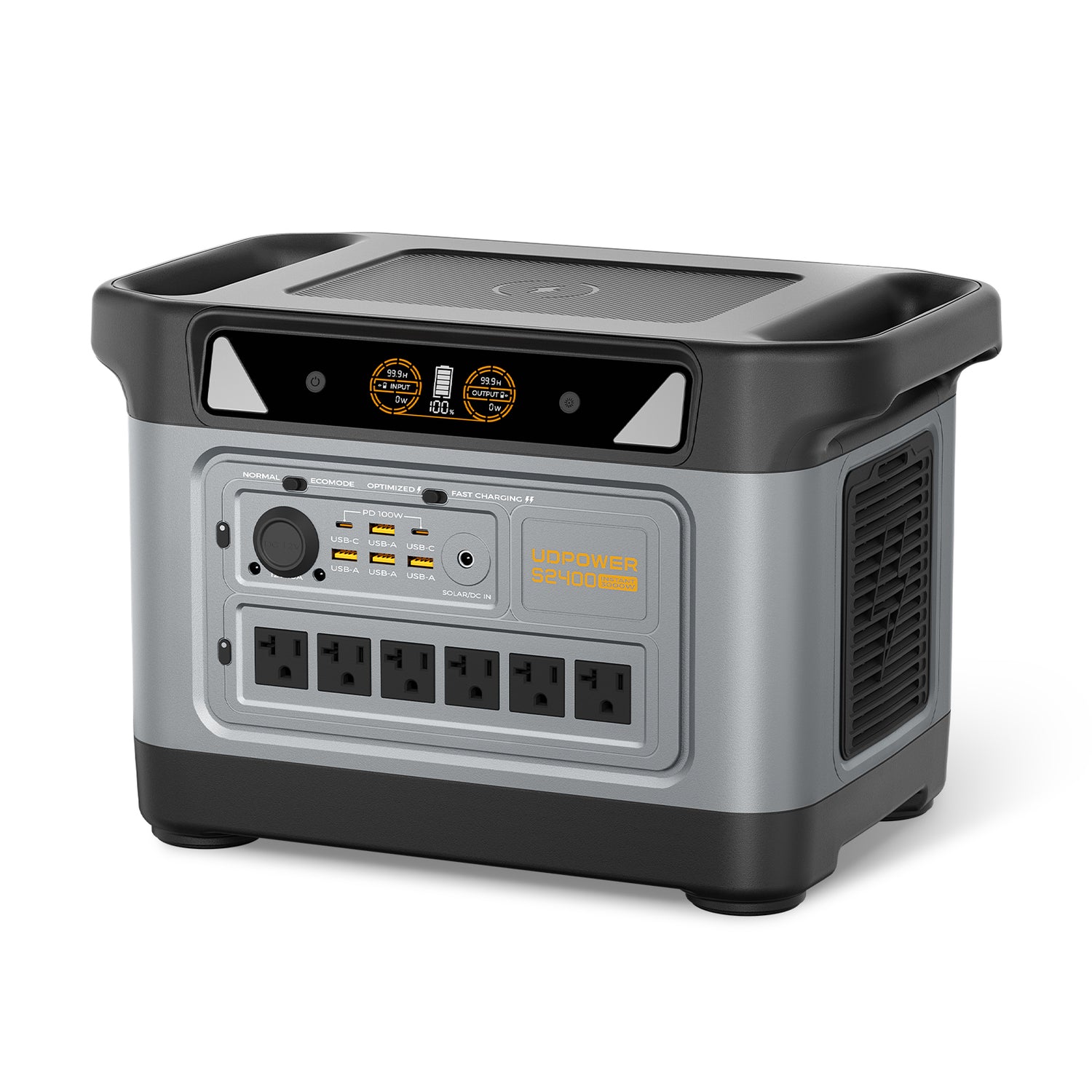
UDPOWER S2400 — RV Camping, Basecamp Loads, and More Headroom
The S2400 gives more stored energy and higher AC output for bigger camping setups: fridge, CPAP, fan, laptop, projector, coffee maker, small kitchen appliances, router, and multi-device family charging.
Best fit: RV weekends, longer basecamps, larger family setups, off-grid comfort loads, and campers who want more wattage headroom than a mid-size unit can provide.
View UDPOWER S2400Estimated Runtime Examples
The table below uses simple planning math with about 90% usable energy for AC-powered loads. Real results vary, especially with fridges and CPAP machines.
| Example Load | UDPOWER C600 596Wh |
UDPOWER S1200 1,190Wh |
UDPOWER S2400 2,083Wh |
Planning Note |
|---|---|---|---|---|
| 10W LED light | About 54 hours | About 107 hours | About 187 hours | Use low mode to stretch runtime. |
| 30W camping fan | About 18 hours | About 36 hours | About 63 hours | Overnight fan use is one of the most common quiet-hours loads. |
| 40W CPAP setting | About 13 hours | About 27 hours | About 47 hours | Humidifier and heated tube can raise power use. |
| 35W average camping fridge | About 15 hours | About 31 hours | About 54 hours | Hot weather and frequent lid openings shorten runtime. |
| 80W laptop or small projector | About 7 hours | About 13 hours | About 23 hours | USB-C charging may be more efficient than AC adapters when supported. |
For a broader product view, see the full UDPOWER portable power station collection or compare camping setups on the Portable Power Station for Camping page.
Arrival and Departure Checklists
The best campers do not rely on memory when they are tired. They use a simple routine.
When You Arrive
- Read the campground board before unloading.
- Confirm quiet hours, generator hours, fire status, checkout time, water location, trash location, and emergency contacts.
- Walk the site before parking or pitching the tent.
- Look overhead for dead branches, lines, and unstable limbs.
- Look underfoot for glass, nails, ants, slope, drainage, and old fire scars.
- Choose a tent door direction that avoids wind, smoke, and neighbor glare.
- Set food storage before cooking, not after dinner.
- Place power stations where they stay dry, shaded, ventilated, and away from tripping paths.
- Keep lights angled down after dark.
- Set a simple morning plan before everyone goes to bed.
Before You Leave
- Walk the site slowly for micro-trash: twist ties, foil, bottle caps, food bits, tent stakes, and pet waste.
- Check the fire ring. If you used a fire, ashes should be cold to the touch.
- Check under the picnic table and around the parking pad.
- Pack out all trash, even if it was there before you arrived.
- Close bear boxes, gates, and site fixtures.
- Return moved rocks or logs only if local guidance allows it and you are not damaging habitat.
- Leave the site looking boring. Boring is good.
The “ranger test”
Before leaving, ask: would a ranger be happy to find this site right now? If the answer is yes, you probably followed the important rules.
Camping Rules FAQ
What is the number one rule of camping?
The number one rule is to follow posted local rules and leave the campsite better than you found it. In plain terms: do not damage the site, do not contaminate water, do not attract wildlife with food or trash, respect quiet hours, and clean up completely before you leave.
What is the 2/2/2 rule for camping?
The 2/2/2 rule is a travel pacing habit: drive about 200 miles, take a break every 2 hours, and arrive around 2 pm or stay 2 nights. It is not a law, but it helps beginners avoid late arrivals and rushed campsite setup.
What is the 3/3/3 rule for camping?
The 3/3/3 rule means driving about 300 miles, arriving by 3 pm, and staying 3 nights before moving again. It works well for longer RV or road trips because it builds in time for rest, laundry, water, groceries, power recharging, and exploring.
What does the 200-foot rule mean?
The 200-foot rule means keeping camp, washing, greywater, and catholes at least 200 feet from lakes, streams, trails, and campsites when local rules allow and conditions make sense. In developed campgrounds, use the assigned campsite and follow posted rules.
Can I wash dishes in a creek while camping?
No. Carry water away from the creek, wash in a small basin, use little soap, strain food bits into trash, and scatter strained greywater away from water, trails, and camp. Biodegradable soap still should not go directly into natural water sources.
Are campfires always allowed at campsites?
No. Campfires may be restricted because of wind, drought, wildfire danger, local rules, or seasonal bans. Check the campground board or ranger office first. If fires are allowed, use an existing ring, keep the fire small, never leave it unattended, and extinguish it until cold.
Can I use a generator during campground quiet hours?
Usually no, unless the campground specifically allows it. Many campgrounds limit generators to posted daytime windows. For nighttime power, a quiet battery power station is usually a better choice for lights, phones, fans, CPAP machines, and small fridges.
How do I power a CPAP while camping without breaking quiet hours?
Use a properly sized portable power station and test your CPAP setup at home before the trip. Check the CPAP wattage, whether you use a humidifier or heated tube, and how many hours you sleep. A DC adapter, when supported by your device, may improve efficiency.
Do I need to store food away from my tent if there are no bears?
Yes. Bears are not the only concern. Raccoons, mice, squirrels, birds, skunks, and other animals can be attracted by food, trash, grease, pet food, and scented items. Keep a clean camp and store all scented items securely.
What should I do if I arrive at camp after dark?
Keep it simple and quiet. Use low lights, avoid loud setup, do not build a fire unless you know it is allowed and can manage it safely, and focus on a safe basic setup. If the site is hard to inspect, wait until morning to fine-tune the layout.
Plan the Rules First, Then Choose the Power Setup
A good campsite is quiet, clean, safe, and easy to leave better than you found it. Once you know the campground rules, quiet hours, fire status, and your real device wattage, choosing power becomes much easier.
View UDPOWER Portable Power Stations
For camping-specific power planning, start with the Portable Power Station for Camping guide.