What Is a Zero Waste Lifestyle? A Practical Guide for Real Homes
A zero waste lifestyle is not about producing no trash at all. It is a practical way to reduce waste by buying less, reusing more, repairing what still works, composting food scraps, recycling correctly, and choosing durable products that fit real household needs. This guide explains what zero waste means, why it matters, how to run a simple home waste audit, which beginner swaps make the biggest difference, and how right-sized backup power can support a lower-waste home during camping, travel, and outages.
Last updated: May 19, 2026
A zero waste lifestyle is not about being perfect, buying a shelf full of matching glass jars, or fitting a year of trash into one mason jar. For most American households, it means building a daily routine that sends less to the landfill by buying less, reusing more, repairing what still works, composting food scraps when possible, and recycling only after better options are exhausted.
The real goal is simple: keep useful materials in use longer and prevent waste before it exists.
Quick Answer: What Is a Zero Waste Lifestyle?
A zero waste lifestyle is a way of living that reduces trash by rethinking what you buy, choosing reusable and repairable products, avoiding single-use items, preventing food waste, composting organics, and recycling correctly. It does not mean you produce literally zero trash overnight. It means you make better decisions at the source so less waste has to be managed later.
In practice, the biggest wins usually come from five areas: food planning, reusable shopping habits, fewer disposable products, longer-lasting household goods, and smarter energy backup for emergencies.

What Zero Waste Really Means
Zero waste is best understood as a direction, not a purity test. The Zero Waste International Alliance defines zero waste around responsible production, consumption, reuse, and recovery of products and materials without burning them or creating harmful discharges to land, water, or air. For a household, that translates into a practical question: “Can I prevent this item from becoming trash before I buy it?”
That question changes how you shop. Instead of asking only whether a package is recyclable, you start asking whether the purchase is needed, whether it can be borrowed, whether a refill or repair option exists, whether the item will last, and whether your local recycling program actually accepts it.
| Zero waste is... | Zero waste is not... | What to do instead of chasing perfection | Helpful source |
|---|---|---|---|
| A practical system for reducing what enters your trash can. | A requirement to produce literally no waste. | Track your top three waste sources and reduce those first. | Zero Waste International Alliance |
| Buying fewer disposable things and using durable alternatives. | Replacing every plastic item you already own immediately. | Use what you have. Replace only when it wears out or no longer works. | EPA: Reducing and Reusing Basics |
| Reducing food waste, packaging waste, and short-lived purchases. | Recycling your way out of overconsumption. | Treat recycling as the backup plan after reduce and reuse. | EPA Waste Management Hierarchy |
Why Zero Waste Matters in Everyday Life
Zero waste matters because waste is not only what happens at the curb. Every product has an upstream story: raw materials, manufacturing, packaging, shipping, storage, and eventual disposal. The U.S. EPA notes that the most effective way to reduce waste is to avoid creating it in the first place because manufacturing and transporting new products require materials and energy.
At the household level, zero waste usually brings three immediate benefits:
- Less clutter: fewer impulse purchases and fewer single-use items taking over cabinets.
- Lower recurring costs: reusable water bottles, rechargeable devices, meal planning, and durable products reduce repeat purchases.
- Better emergency readiness: a well-planned pantry, freezer, battery backup, and charging setup can prevent food loss and reduce last-minute disposable purchases during outages.
| Waste fact | Why it matters for households | Practical takeaway | Source |
|---|---|---|---|
| U.S. municipal solid waste generation was estimated at 292.4 million tons in 2018, or 4.9 pounds per person per day. | Small daily habits add up quickly across a household. | A weekly trash review is more useful than guessing where your waste comes from. | EPA Facts and Figures |
| About 32.1% of U.S. municipal solid waste was recycled or composted in 2018. | Recycling helps, but it does not handle most waste. | Reduce and reuse should come before recycling. | EPA National Overview |
| Food waste makes up about 24% of landfilled municipal solid waste and is estimated to cause 58% of fugitive methane emissions from municipal solid waste landfills. | Food waste is one of the highest-impact areas to fix at home. | Meal planning, freezer use, and composting can matter more than trendy swaps. | EPA Food Waste Methane Report |
The Zero Waste Hierarchy, Translated Into Household Decisions
The easiest way to understand zero waste is to stop treating recycling as the first step. Recycling is useful, but it comes after better choices. A practical home hierarchy looks like this:
| Priority | Household question | Example | Why it works |
|---|---|---|---|
| 1. Refuse | Can I avoid bringing this home? | Skip free promo items, plastic cutlery, unnecessary mailers, and single-use bags. | The cleanest waste is the waste that never enters the house. |
| 2. Reduce | Can I buy less or buy only what I will actually use? | Plan meals before shopping; avoid bulk purchases that spoil. | Prevents waste at both the packaging and product level. |
| 3. Reuse | Can this be used again before it is discarded? | Reuse jars, bags, shipping boxes, cloth towels, rechargeable batteries, and repairable tools. | Extends the useful life of materials already produced. |
| 4. Repair or repurpose | Can I fix it, clean it, donate it, or use it another way? | Repair small appliances, mend clothing, donate working electronics, repurpose containers. | Delays replacement and reduces demand for new products. |
| 5. Compost | Can organic waste stay out of the landfill? | Compost fruit peels, coffee grounds, yard trimmings, and suitable food scraps where allowed. | Targets a major source of landfill methane. |
| 6. Recycle correctly | Does my local program accept this item clean, dry, and loose? | Recycle accepted paper, cardboard, metal cans, and certain bottles according to local rules. | Reduces contamination and improves the chance the material is actually recovered. |
Helpful source: EPA Sustainable Materials Management Hierarchy.
How to Run a Simple Home Waste Audit
A waste audit sounds technical, but at home it can be simple. For one week, look at what fills your trash and recycling bins. You do not need to weigh every item. Write down the repeat offenders: takeout containers, produce bags, coffee pods, snack wrappers, paper towels, food scraps, shipping packaging, batteries, broken cables, or bathroom disposables.
The 80/20 rule for zero waste
Do not start with the hardest item. Start with the repeat item. If one category appears again and again, fixing that one habit will do more than buying an expensive “eco” product you rarely use.
| Area of the home | Common waste | Better first move | What to avoid |
|---|---|---|---|
| Kitchen | Food scraps, plastic wrap, takeout containers, single-use bags | Plan meals, use leftovers, freeze food early, keep reusable containers visible. | Buying a full set of new jars before changing shopping habits. |
| Bathroom | Disposable razors, cotton rounds, mini bottles, plastic packaging | Switch one item at a time: refill soap, reusable rounds, durable razor, concentrated cleaners. | Throwing away usable products just because packaging is plastic. |
| Laundry | Detergent jugs, dryer sheets, damaged clothes | Use concentrated detergent, wash in full loads, air-dry when practical, mend basics. | Replacing a working washer or dryer only for branding reasons. |
| Power and tech | Single-use batteries, broken cords, old devices, emergency disposables | Use rechargeable devices, label cords, protect electronics from outages, recycle e-waste properly. | Keeping a drawer of mystery cables until they become unusable clutter. |
| Shopping | Mailers, impulse buys, returns, excess packaging | Buy fewer but better items, combine orders, choose durable products with clear specs. | Buying “sustainable” versions of things you did not need. |
High-Impact Zero Waste Swaps That Actually Work
The best zero waste swaps are boring, repeatable, and easy to maintain. A reusable water bottle works because you can use it every day. A repair kit works because it extends the life of clothing you already own. A freezer inventory works because it prevents food from becoming trash.
| Waste problem | Practical swap | Why it is high impact | How to make it stick |
|---|---|---|---|
| Plastic water bottles | Reusable bottle plus home filter if needed | Replaces a frequent single-use purchase. | Keep one bottle near your keys and one in your car or work bag. |
| Paper towels | Washable cloths for most spills | Reduces a recurring household consumable. | Keep a small basket of clean cloths where paper towels used to sit. |
| Food spoilage | Meal plan, freezer labels, “eat first” box | Food waste is a major landfill methane driver. | Put the “eat first” box at eye level in the fridge. |
| Single-use batteries | Rechargeable batteries and USB-rechargeable devices | Reduces repeat purchases and battery disposal. | Set one charging station for remotes, flashlights, and small electronics. |
| Emergency disposable purchases | Prepared outage kit, rechargeable lights, battery backup | Avoids last-minute buying of disposable lights, batteries, foam coolers, and excess ice. | Test the kit twice a year before storm season and winter weather. |
| Fast fashion | Buy fewer pieces, mend basics, choose durable fabrics | Reduces textile waste and repeat replacement. | Use a 30-day wait rule for nonessential clothing purchases. |
Food Waste: The Overlooked Starting Point
If you want one starting point that feels realistic and meaningful, start with food. Food waste is heavy, expensive, and often preventable. It also creates methane when it breaks down in landfills under anaerobic conditions. The EPA reports that food waste makes up about a quarter of municipal solid waste disposed of in landfills and is estimated to contribute 58% of fugitive methane emissions from those landfills.
A practical anti-food-waste routine
- Shop your kitchen first. Before grocery shopping, check the fridge, freezer, and pantry.
- Plan three anchor meals, not seven perfect dinners. Leave space for leftovers and schedule changes.
- Create an “eat first” area. Put older produce, open jars, and cooked leftovers in one visible spot.
- Freeze before food fails. Bread, cooked rice, soups, berries, bananas, and cooked meat can often be frozen before they spoil.
- Compost what you cannot eat. Use a backyard system, municipal pickup, or drop-off option where available.
| Food category | Common reason it becomes waste | Zero waste fix | Backup plan |
|---|---|---|---|
| Leafy greens | Buying too much without a plan | Wash, dry, and store with a towel; use early in the week. | Blend into pesto, soup, or smoothies before wilting. |
| Bread | Going stale before the loaf is finished | Freeze half the loaf immediately. | Make croutons, breadcrumbs, or French toast. |
| Leftovers | Hidden in opaque containers | Use clear containers and label the date. | Schedule a weekly leftover night. |
| Fruit | Ripens faster than expected | Keep ripe fruit visible and ready to eat. | Freeze for smoothies or baking. |
| Frozen food during outages | Power loss melts stored food | Keep freezer full, avoid opening the door, and maintain backup power for essentials. | Move high-value items to a cooler only when necessary and safe. |
Source: EPA: Quantifying Methane Emissions from Landfilled Food Waste.
The Energy Side of Zero Waste Living
Zero waste is usually discussed through shopping, food, and packaging. But energy habits matter too, especially during outages, camping trips, RV travel, and outdoor work. A thoughtful power setup can reduce waste in three ways:
- It can reduce disposable battery use by supporting rechargeable phones, lights, cameras, radios, and small devices.
- It can protect food during outages by helping run a refrigerator, freezer, or communication devices for a limited time when sized correctly.
- It can avoid fuel-based indoor hazards because portable power stations do not burn gasoline during use and can be used indoors according to the product manual.
That does not mean everyone needs the largest power station. The zero waste choice is the right-sized choice. Buying too much capacity for a once-a-year phone charge is not efficient. Buying too little for a refrigerator backup can also lead to wasted food and frustration. Match the battery to the load.
Simple runtime formula
Estimated runtime = battery capacity in watt-hours × 0.85 ÷ device watts. The 0.85 factor is a practical allowance for inverter and conversion losses. Real results vary by temperature, device cycling, battery age, and whether solar charging is adding power during the day.
UDPOWER Product Bridge: Choose the Right Power Station, Not the Biggest One
If your zero waste lifestyle includes camping, outage preparation, rechargeable lighting, food protection, or solar charging, a portable power station can be part of a practical low-waste setup. The key is to choose by real use case instead of buying only by the highest watt number.

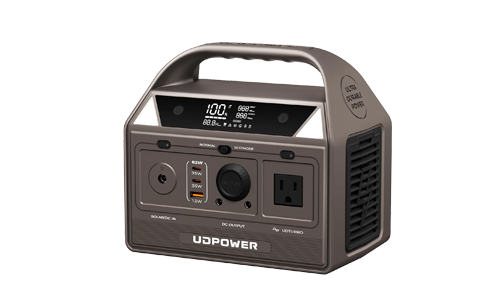
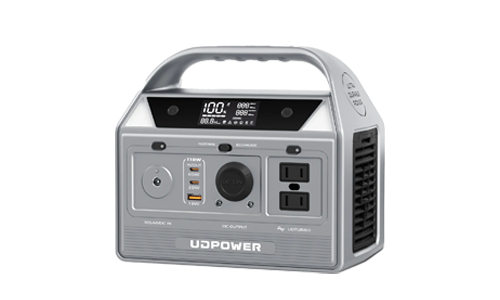
UDPOWER C400 Portable Power Station
256Wh400W output6.88 lbLiFePO4
Best fit: day trips, rechargeable lights, phones, laptops, small cameras, and compact emergency kits where portability matters most.
Zero waste angle: a good fit for replacing throwaway battery habits in a small household or travel kit without overbuying capacity.
View C400
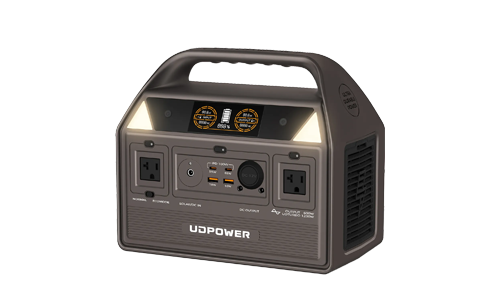
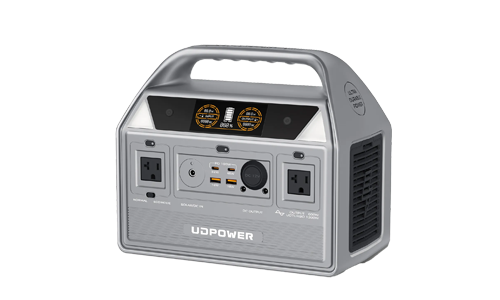
UDPOWER C600 Portable Power Station
596Wh600W output12.3 lb4,000+ cycles
Best fit: weekend camping, small fridge or cooler support, laptops, phones, cameras, lights, and apartment-friendly backup.
Zero waste angle: a balanced option for people who want a reusable backup system for essentials without moving into a heavy home-backup setup.
View C600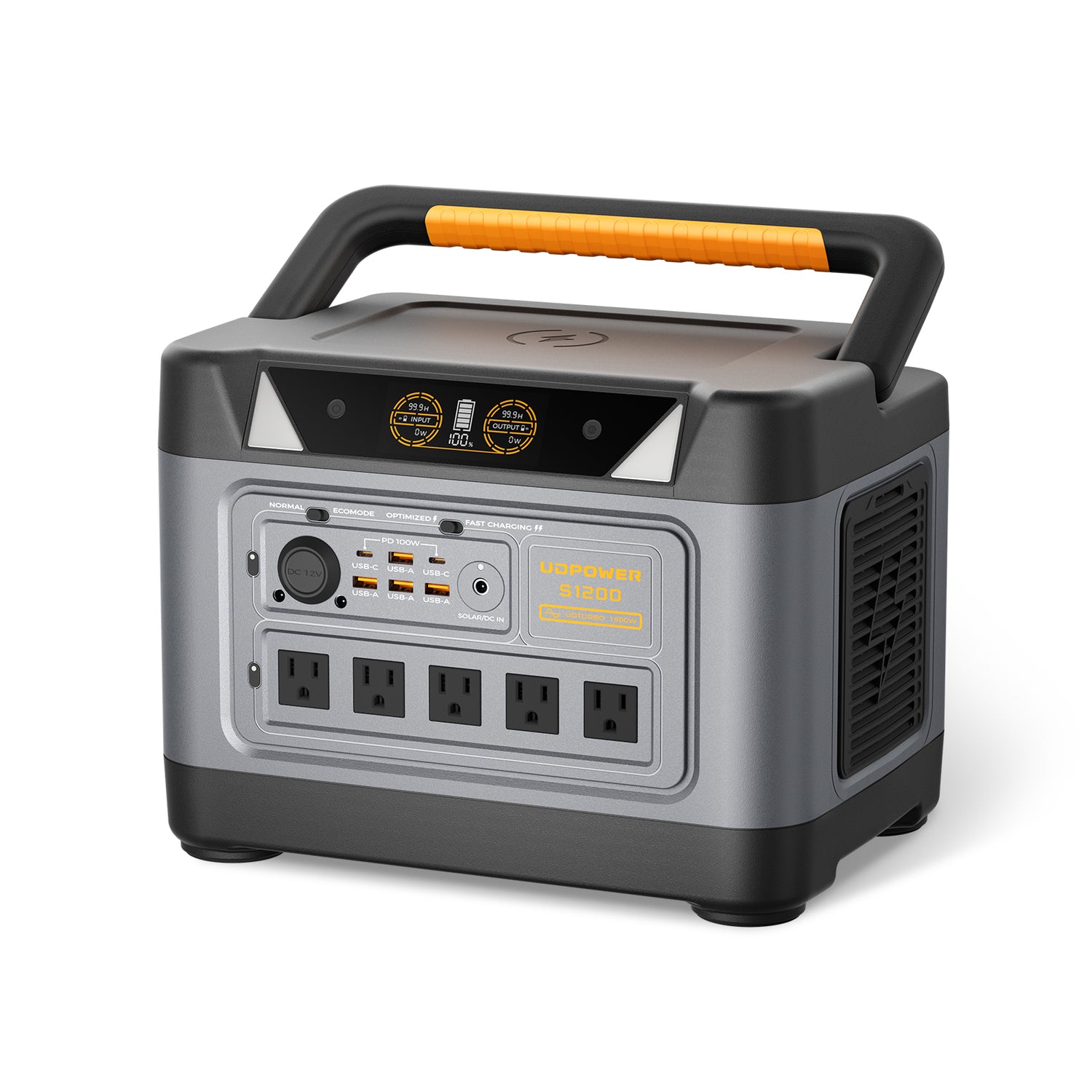
UDPOWER S1200 Portable Power Station
1,190Wh1,200W output1,800W surge26.0 lb
Best fit: refrigerator backup, routers, CPAP support, family camping, work-from-home outage backup, and medium appliance use within the output limit.
Zero waste angle: helps reduce food-loss risk during short outages and supports a reusable rechargeable emergency kit.
View S1200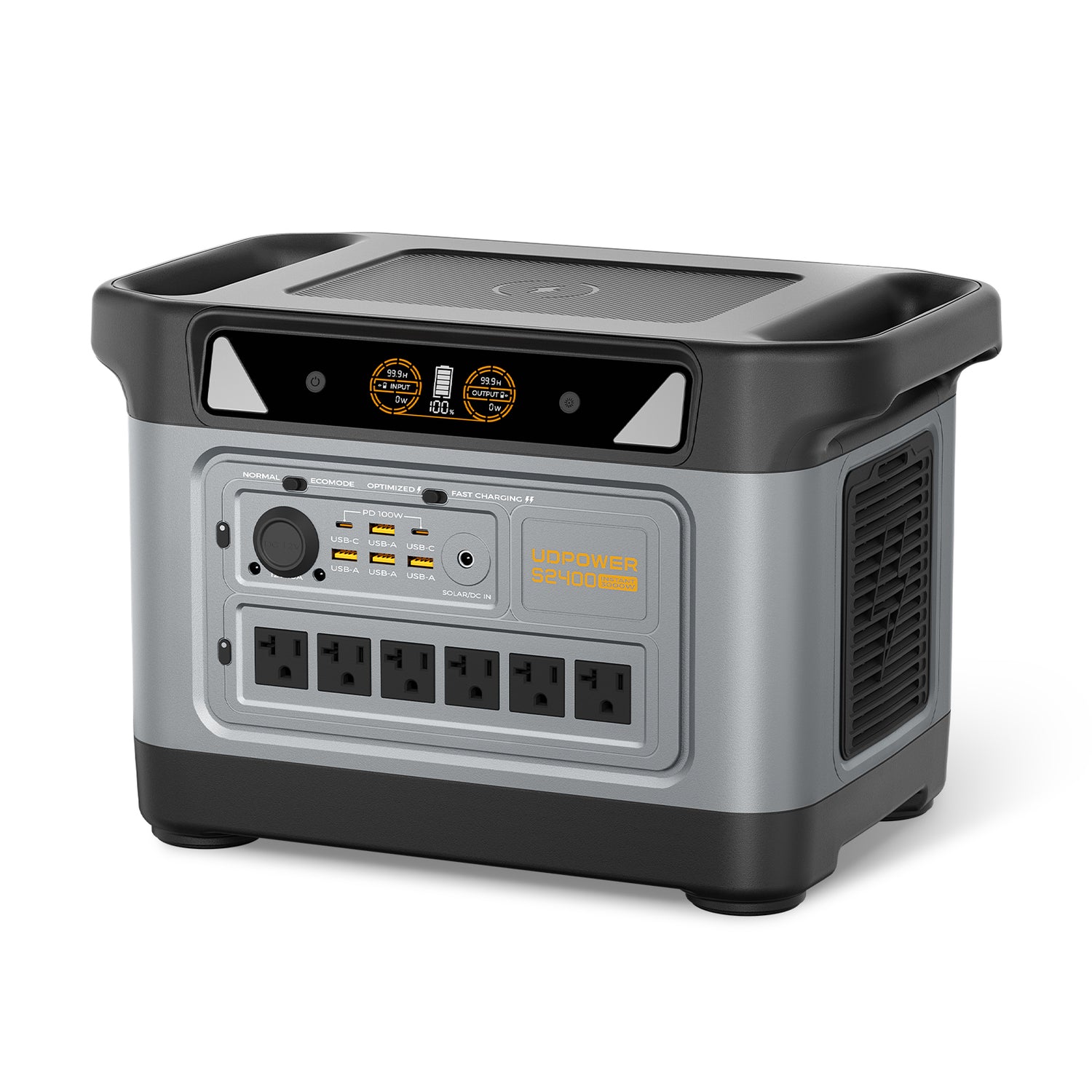
UDPOWER S2400 Portable Power Station
2,083Wh2,400W output3,000W surge40.8 lb
Best fit: larger appliances, longer essential backup, RV use, emergency fridge and device support, and households that need more output headroom.
Zero waste angle: best for households where losing refrigerated food, medical-device support, or communication during an outage would create more waste and stress.
View S2400| Use case | Suggested UDPOWER size | Why this size makes sense | Official product source |
|---|---|---|---|
| Phone, tablet, lights, camera, laptop for short trips | C400 — 256Wh / 400W | Small and light enough to use often, instead of sitting unused in storage. | C400 specs |
| Weekend camping, small backup, compact fridge/cooler support | C600 — 596Wh / 600W | More runtime than a mini unit while still portable for regular use. | C600 specs |
| Refrigerator backup, router, CPAP, lights, family emergency kit | S1200 — 1,190Wh / 1,200W | Enough capacity and output for many household essentials without jumping to the largest unit. | S1200 specs |
| Longer outage planning, larger loads, RV and heavier appliance needs | S2400 — 2,083Wh / 2,400W | Higher output and capacity for households that need more headroom. | S2400 specs |
| Example load | Assumed wattage | C400 estimated runtime | C600 estimated runtime | S1200 estimated runtime | S2400 estimated runtime |
|---|---|---|---|---|---|
| LED light | 10W | About 21.8 hours | About 50.7 hours | About 101.2 hours | About 177.1 hours |
| Wi-Fi router | 15W | About 14.5 hours | About 33.8 hours | About 67.4 hours | About 118.0 hours |
| Laptop charging | 60W | About 3.6 hours | About 8.4 hours | About 16.9 hours | About 29.5 hours |
| Compact fridge or cycling refrigerator average | 60W average | About 3.6 hours | About 8.4 hours | About 16.9 hours | About 29.5 hours |
| Small appliance within rated output | 300W | About 0.7 hours | About 1.7 hours | About 3.4 hours | About 5.9 hours |
Runtime estimates use the practical formula in this article. Device wattage varies, and refrigerators cycle on and off. Always check the actual device label and the power station’s rated output before use.
Need a solar-ready setup?
For a lower-waste power plan, pair the right power station with compatible solar panels instead of relying only on disposable batteries or last-minute emergency purchases. Start with the full UDPOWER portable power station collection, then compare solar panels and solar generator bundles.
View Portable Power Stations Read the Solar Charging Guide30-Day Zero Waste Starter Plan
The easiest zero waste plan is one you can repeat after the first month. This plan avoids all-or-nothing thinking and focuses on household systems.
| Timeframe | Focus | Actions | Success measure |
|---|---|---|---|
| Days 1–3 | Observe | Look through one week of trash and recycling. List the top five repeat items. | You know what your actual waste problem is. |
| Days 4–7 | Food | Create an “eat first” fridge zone, freeze one item before it spoils, plan three meals. | Less spoiled food by the end of the week. |
| Week 2 | Reusables | Pick two repeat disposables: water bottles, paper towels, shopping bags, coffee cups, snack bags. | Reusable version is stored where the disposable habit happens. |
| Week 3 | Repair and reset | Fix one item, donate one working item, recycle one e-waste item through a proper channel. | One drawer, shelf, or closet has less dead clutter. |
| Week 4 | Preparedness | Build a reusable emergency kit: rechargeable light, power bank or power station, labeled cords, water storage, pantry basics. | You can handle a short outage without panic-buying disposables. |
Common Zero Waste Mistakes to Avoid
Mistake 1: Throwing away usable things to buy “eco-friendly” replacements
The lowest-waste item is often the one you already own. Use up cleaning products, plastic containers, toiletries, and storage bags before replacing them. Zero waste is not a shopping aesthetic.
Mistake 2: Treating recycling as the main solution
Recycling is important, but it is not the first step. Local rules vary, and contaminated recycling can create problems. Reduce, reuse, repair, compost, then recycle correctly.
Mistake 3: Ignoring food waste
Food is often the easiest place to make a measurable difference. Meal planning, freezer use, and composting can matter more than switching to a trendy product.
Mistake 4: Buying the wrong size backup power system
Too small, and it will not protect the devices or food you care about. Too large, and it may sit unused because it is too heavy for your routine. Size by wattage, runtime, and real use case.
Mistake 5: Making the lifestyle too hard
A zero waste routine should make your home simpler, not more stressful. If a swap creates daily friction, adjust it. The best system is the one you still use six months from now.
FAQ: Zero Waste Lifestyle
Does zero waste mean I can never throw anything away?
No. A zero waste lifestyle is not about perfection. It is about reducing preventable waste, using products longer, composting where possible, and recycling correctly when reduction and reuse are not options.
What is the first step toward a zero waste lifestyle?
Start with a one-week trash audit. Look for repeat items such as food scraps, paper towels, takeout packaging, disposable bottles, snack wrappers, or single-use batteries. Fix the repeat items first.
Is recycling part of zero waste?
Yes, but it should not be the first strategy. Reduce, reuse, repair, and compost usually come first. Recycling is the fallback for accepted materials that cannot be avoided or reused.
Is composting necessary for zero waste?
Composting is one of the most helpful steps because food scraps and yard waste are major household waste sources. If backyard composting is not practical, check for municipal pickup, drop-off programs, or community compost services.
Can a portable power station support a zero waste lifestyle?
It can, when it solves a real need. A right-sized power station can support rechargeable devices, reduce reliance on disposable batteries, and help protect refrigerated food during outages. It is most useful when matched to actual wattage and runtime needs.
Which UDPOWER model is best for a small zero waste emergency kit?
For phones, lights, laptops, and day-trip use, the C400 is the most portable option. For longer backup or a small fridge/cooler, the C600 is more practical. For refrigerator and family outage planning, consider the S1200 or S2400 depending on load size and runtime needs.
Should I replace all plastic containers with glass?
No. If your plastic containers are still usable and safe for their purpose, keep using them. Replacing usable items too early creates unnecessary waste. Upgrade only when something breaks, wears out, or no longer fits your needs.
What is the easiest zero waste habit for beginners?
The easiest habit is making reusables visible. Put reusable bags by the door, a water bottle near your keys, cloth towels where paper towels used to be, and leftovers at eye level in the fridge.
Build a Lower-Waste Home Backup Plan
Start with the waste you can prevent every week. Then add reusable systems that protect the things you already own: food, communication devices, lights, and essential electronics.
View UDPOWER Power Stations Get the Runtime GuideRelated Articles