

What Is Urban Exploration? A Beginner's Guide to Urbex Rules and Safety
Last updated:

Urbex is not automatically illegal, but an abandoned-looking property is not automatically free to enter. In the United States, entering private property without permission can amount to trespass, while fences, locked doors, closure notices, railroad property, active utilities, mines, and other restricted sites should be treated as clear boundaries.
For beginners, the best urban exploration is legal, permission-based, above ground, in daylight, and at a site whose structural and environmental condition can be reasonably understood. If you cannot confirm that you are allowed to be there or cannot confidently identify a safe route out, do not enter.
What Is Urban Exploration?
Urban exploration is the observation, exploration, and often photography of man-made places that are abandoned, obsolete, hidden, rarely visited, or no longer used for their original purpose. The word urbex is simply a shortened form of “urban exploration.”
Despite the word “urban,” urbex is not limited to cities. An old rural factory, deserted resort, decommissioned military installation, forgotten railroad structure, industrial ruin, or abandoned farm complex can all fall under the broader urban-exploration umbrella.
Photography is a major part of the hobby because decay tells a visual story: peeling paint, machinery left in place, vegetation reclaiming concrete, faded signs, obsolete technology, empty rooms, and architecture that no longer serves its original purpose.
What separates responsible urban exploration from vandalism or burglary is simple: the goal is to observe and document, not to break into, damage, alter, steal from, or occupy a property.
Common Types of Urban Exploration
Urbex covers very different environments. A legally accessible historic ruin and a flooded industrial tunnel should not be treated as equivalent simply because both appear abandoned.
| Site Type | Typical Examples | Main Concern | Beginner Suitability |
|---|---|---|---|
| Public historic ruins | Preserved ruins, ghost-town sites, heritage parks | Posted boundaries, unstable sections, site-specific rules | Best starting point |
| Permission-based private sites | Old factories, warehouses, theaters, farms | Structural condition and owner restrictions | Good with clear permission |
| Abandoned commercial buildings | Malls, hotels, offices, stores | Trespass, broken glass, collapse, mold | Depends on legal access and condition |
| Institutional buildings | Schools, hospitals, nursing facilities | Privacy, hazardous materials, unstable interiors | Not ideal for a first trip |
| Industrial sites | Factories, mills, refineries, processing plants | Chemicals, pits, machinery, energized equipment | High risk |
| Rooftops and towers | High-rise roofs, cranes, water towers | Falls, wind, weak surfaces, restricted access | Not recommended |
| Tunnels and underground spaces | Utility tunnels, service corridors, basements | Bad air, flooding, entrapment, disorientation | Not for beginners |
| Rail infrastructure | Tracks, yards, bridges, rail tunnels | Trains, electricity, private railroad property | Do not trespass |
| Abandoned mines and quarries | Shafts, adits, open pits, underground workings | Cave-ins, falls, water, gases, explosives | Stay out |
Is Urban Exploration Illegal?
Urban exploration itself is not a specific crime. The legal issue is usually where you go and how you enter.
The Legal Information Institute at Cornell Law School describes trespass as knowingly entering another owner's property without permission. Criminal trespass laws and penalties vary by state and locality, so there is no single U.S.-wide rule that makes every abandoned property legal or illegal to explore.
You can review the general legal concept at Cornell Law School's trespass overview.
| Situation | What a Beginner Should Assume |
|---|---|
| Site is officially open to visitors | Enter only within posted public areas and hours. |
| Owner gives you written permission | Follow the exact areas, time limits, conditions, and safety requirements specified. |
| Building looks abandoned but ownership is unknown | Do not assume you can enter. Research ownership or obtain permission first. |
| “No Trespassing” or “Keep Out” sign is posted | Do not enter. |
| Fence, locked gate, boarded opening, or locked door blocks access | Treat the barrier as a boundary, not an obstacle to solve. |
| Someone else has already broken a window or opened a door | That does not give you permission to use the opening. |
| Property belongs to a city, county, state, or federal agency | Public ownership does not automatically mean public access. Check closure and access rules. |
| Railroad tracks or railroad right-of-way | Use only designated crossings and legal public areas. |
| You find valuable equipment, signs, documents, or objects | Leave them where they are. Abandonment does not automatically make property free to take. |
Urbex Rules and Ethics
There is no universal urbex rulebook, but responsible explorers tend to follow a simple preservation-first approach.
- Get permission when permission is required.
- Never force entry. Do not break locks, windows, doors, fences, boards, or other barriers.
- Do not vandalize. No graffiti, carving, stickers, fires, staged destruction, or deliberate damage.
- Take nothing. Old signs, documents, tools, bottles, switches, furniture, and machinery are not souvenirs.
- Leave nothing. Pack out food, batteries, tape, packaging, and other trash.
- Do not move objects merely to improve a photograph.
- Protect personal information. Do not publish readable medical records, employee records, private letters, addresses, financial records, or similar material found at a site.
- Do not publish vulnerable access points or security weaknesses.
- Respect wildlife and people who may be using the site.
- Turn around when conditions change. Finishing the exploration is never more important than leaving safely.
If you already spend time in remote outdoor locations, many of the same preparation principles apply. UDPOWER's Camping Rules Guide covers the broader idea of following local rules first, while the Dispersed Camping Guide explains why seeing open land on a map does not necessarily give you unlimited access.
The 60-Second Urbex Go/No-Go Check
Before entering any legal exploration site, ask five questions. A single serious “no” is enough to cancel the visit.
- ☐ Access: Can I clearly establish that I am allowed to be here?
- ☐ Structure: Is there no obvious fire damage, collapse, severe water damage, sagging floor, missing stair, or unsupported section in my planned route?
- ☐ Air and contamination: Is there no unknown chemical smell, heavy dust, suspect asbestos debris, major mold contamination, sewage, or large accumulation of animal droppings?
- ☐ Exit: Do I have a simple, visible route back out without relying on an elevator, questionable ladder, locked door, crawlspace, tunnel, or flooded passage?
- ☐ Emergency plan: Does someone know where I am, who I am with, and when I am expected to check in?
This is intentionally conservative. The biggest beginner mistake is thinking that every risk needs to be “solved.” Sometimes the right answer is simply to photograph the exterior and leave.
Structural Collapse and Physical Hazards
A building can look solid from outside and still have badly weakened floors, stairs, roof members, columns, or connections. Water intrusion, freeze-thaw cycles, rust, rot, fire, vandalism, missing structural components, and years without maintenance can all change how a building carries weight.
Signs That Should Make You Turn Around
| Warning Sign | Why It Matters | Beginner Response |
|---|---|---|
| Sagging, wavy, or visibly depressed flooring | May indicate weakened joists, decking, or support below | Do not cross it |
| Missing floor sections or open shafts | Fall hazards may be difficult to see in low light | Leave the area |
| Fire-charred framing | Heat may have substantially weakened structural members | Treat the building as a no-go |
| Large cracks or displaced masonry | Can indicate movement or loss of support | Do not pass underneath or beside it |
| Severe roof leaks or standing water | Water can rot wood, corrode steel, hide holes, and increase electrical risk | Avoid the affected section |
| Stairs pulling away from walls | Connections may no longer carry normal loads | Do not use the stairs |
| Heavy rust on steel stairs or platforms | Remaining metal thickness may be much lower than it appears | Do not rely on them |
| Fresh demolition work or partially removed supports | The structural system may be changing day by day | Stay out of the work zone |
Broken Glass, Nails and Sharp Metal
Broken windows, exposed screws, rusty sheet metal, collapsed ceiling grid, nails, sharp wire, and splintered timber are common in neglected structures. Wear boots with a durable sole and avoid reaching into debris that you cannot see through.
If you suffer a puncture wound, especially from a nail or contaminated object, clean the wound and seek appropriate medical advice. The CDC notes that puncture wounds and wounds contaminated with dirt can require additional tetanus consideration depending on vaccination history. See the CDC's tetanus guidance.
Asbestos, Lead, Mold and Air Quality
One of the least visible urbex hazards is contaminated air. An old room does not need to smell dangerous to contain material you should not disturb.
| Hazard | Where It May Be Encountered | Why It Matters | What a Beginner Should Do |
|---|---|---|---|
| Asbestos-containing material | Older insulation, pipe material, flooring, ceiling products and other legacy building materials | Damaged or disturbed material can release airborne fibers | Do not touch, break, sweep, cut, or disturb suspected material |
| Lead-based paint and lead dust | Especially older residential and institutional buildings | Damaged paint and demolition can generate contaminated dust | Avoid dusty, deteriorated interiors and do not disturb painted surfaces |
| Mold | Wet basements, leaking roofs, flooded rooms, damp walls | Can cause allergic and respiratory irritation and indicates chronic moisture | Avoid heavily contaminated areas |
| Industrial residue | Factories, workshops, laboratories, processing facilities | Unknown liquids, powders and residues may be hazardous | Do not touch, smell closely, sample, or attempt to identify unknown substances yourself |
| Bird or bat droppings | Attics, towers, old warehouses, barns and roosting areas | Disturbing contaminated material can aerosolize biological hazards | Do not sweep, kick, dig through, or disturb accumulations |
Asbestos
The EPA explains that asbestos fibers can become airborne when asbestos-containing materials are damaged or disturbed. That makes deteriorated and partially demolished buildings particularly poor places to treat respiratory protection as a substitute for environmental assessment.
Read the EPA's Learn About Asbestos guidance for more information.
You generally cannot identify asbestos reliably just by looking at a material. If you see badly deteriorated insulation, unknown fibrous material, damaged pipe insulation, or a dusty demolition area in an older structure, the safer beginner decision is to leave.
Lead Dust
EPA guidance notes that older buildings are more likely to contain lead-based paint and that demolition can create lead-contaminated dust. Peeling paint alone does not tell you exactly what is present, but it is another reason not to scrape, break, sweep, or disturb old building surfaces.
See EPA guidance on lead-based paint and demolition.
Mold and Water Damage
The EPA identifies moisture as the key condition behind indoor mold growth. A building with years of roof leaks, flooding, condensation, or broken plumbing can therefore have extensive contamination that is not limited to the mold you can see.
More information is available in the EPA's mold and moisture guide.
Tunnels, Mines and Confined Spaces Are a Different Risk Category
Underground exploration is frequently portrayed as just a darker version of exploring a building. It is not.
Limited exits, poor ventilation, low oxygen, toxic gases, flammable atmospheres, sudden water entry, difficult communication, and complicated rescue can turn a small problem into a fatal one.
OSHA defines a confined space as one large enough to enter, with limited or restricted means of entry or exit, that is not designed for continuous occupancy. Its permit-required confined-space rules recognize hazards including dangerous atmospheres, engulfment, entrapment, and oxygen concentrations below 19.5%.
OSHA's full standard is available at 29 CFR 1910.146.
The important lesson for a hobbyist is not to buy a cheap gas detector and try to reproduce an industrial confined-space program. Professional entry systems involve hazard evaluation, calibrated atmospheric monitoring, isolation procedures, communication, attendants, and rescue planning.
Abandoned Mines
The Bureau of Land Management warns that abandoned mines can contain hidden shafts, unstable rock, cave-ins, bad air, water-filled pits, old explosives, toxic materials, and disorienting underground networks.
Its guidance is unusually simple: stay out of abandoned mines. See the BLM Abandoned Mine Lands danger guide.
Security Guards, Cameras and Active Sites
Security cameras, motion sensors, alarms, fresh locks, maintained fencing, working lights, recent tire tracks, active machinery, new signage, and security patrols all indicate that a site is controlled.
They should not be treated as a puzzle about how to get around security.
- Do not cover, move, damage, disconnect, blind, jam, or tamper with cameras.
- Do not climb fences or bypass locked gates.
- Do not attempt to hide from guards.
- Do not impersonate a worker, contractor, journalist, inspector, or utility employee.
- If an owner, authorized employee, guard, ranger, or law-enforcement officer tells you to leave, follow the instruction calmly.
Railroad Property Is Not an Urbex Shortcut
The Federal Railroad Administration states that private railroad property should not be accessed except at designated pedestrian or roadway crossings. Trains can approach at any time and may require more than a mile to stop from highway speed.
Read the Federal Railroad Administration's trespass-prevention guidance.
That means an abandoned-looking station, bridge, siding, rail tunnel, parked train, or industrial spur should never be assumed to be inactive simply because you do not immediately see a moving train.
Wildlife, Bats and Animal Droppings
Empty buildings often stop being empty from an animal's point of view. Bats, raccoons, rodents, birds, snakes, insects, and other wildlife can occupy roofs, basements, wall cavities, attics, machinery, and piles of debris.
Bats
Never handle a bat. The CDC advises avoiding contact because bat bites can be extremely small and may go unnoticed. If you believe a bat has bitten, scratched, or otherwise contacted you, seek medical guidance promptly.
See the CDC bat and rabies guidance.
Bird and Bat Droppings
Another problem is not the animal itself but what it leaves behind. CDC guidance on histoplasmosis notes that disturbing soil or material containing bird or bat droppings can increase exposure risk, and old-building renovation or demolition is one of the activities associated with exposure.
See CDC guidance on reducing histoplasmosis risk.
Urbex Gear Checklist for Beginners
Good gear helps with ordinary hazards. It does not turn a structurally unstable, contaminated, illegal, or confined environment into an acceptable place to enter.
| Item | Why Bring It | Priority |
|---|---|---|
| Sturdy closed-toe boots | Traction and protection from glass, nails and uneven surfaces | Essential |
| Work gloves | Basic protection around rough surfaces and sharp edges | Essential |
| Primary flashlight or headlamp | Hands-free visibility in legal low-light areas | Essential |
| Independent backup light | A dead battery should not leave you without illumination | Essential |
| Fully charged phone | Emergency communication, navigation, weather and location information | Essential |
| Offline map | Useful where cell service is weak | Recommended |
| Compact first-aid kit | Minor cuts, blisters and routine injuries | Essential |
| Water | Dehydration is easy to overlook during photography | Essential |
| Weather-appropriate clothing | Temperatures inside unused buildings can differ from outdoors | Essential |
| Photo ID and permission information | Useful when visiting an owner-authorized site | Recommended |
| Camera and spare batteries | Documentation and photography | Optional |
| Portable battery or power station | Charging cameras, phones and lighting during longer legal shoots | Optional |
What About a Hard Hat?
A hard hat can reduce injury from certain minor impacts or falling objects, and some authorized industrial locations may require one. It does not protect you from a roof collapse, collapsing concrete slab, failing staircase, or major structural failure.
What About Respirators?
Respiratory protection is hazard-specific. A mask that helps with ordinary dust does not automatically make asbestos, chemicals, oxygen-deficient atmospheres, heavy mold contamination, or biological hazards acceptable.
If the location requires professional-grade respiratory controls merely to make recreational entry seem reasonable, that is a strong sign that a beginner should choose another location.
For a broader outdoor packing reference, see the UDPOWER Camping Supplies List, which also covers lighting, navigation, first aid, repair equipment and backup power.
Urban Exploration Photography Without Changing the Site
Urbex photography works best when the place itself tells the story. You do not need to rearrange furniture, remove doors, light fires, create smoke, break windows, paint walls, or move machinery to make an image interesting.
Safer Photography Habits
- Shoot from stable, authorized surfaces rather than ledges or questionable upper floors.
- Use available doorways and windows instead of creating new openings.
- Use a tripod only where the floor is clearly suitable and tripods are permitted.
- Carry a small light rather than relying on an unknown building's electrical system.
- Do not plug equipment into old outlets unless an authorized site operator specifically confirms that the electrical system is active and safe to use.
- Do not climb machinery, tanks, towers, beams, roofs, or rail cars for a better angle.
- Photograph objects where you found them.
- Blur or avoid publishing readable personal records.
- Avoid showing vulnerable access points or security weaknesses.
A Good Photograph Is Not Worth a Bad Exit
It is easy to walk farther into a building while concentrating on composition. Make a habit of periodically looking away from the camera and checking the route behind you.
If your trip combines photography with remote-road travel, the planning principles in UDPOWER's beginner off-roading guide can also help with route planning and recognizing that “off road” does not mean “access anywhere.”
Make an Emergency Plan Before You Enter
The best emergency plan is created before anyone gets hurt.
- ☐ Exact site name and legal access point
- ☐ Street address or mapped location
- ☐ Vehicle location
- ☐ Names of everyone in the group
- ☐ Planned entry and departure times
- ☐ A check-in deadline
- ☐ Contact information for the property owner or site manager when applicable
- ☐ Local weather forecast
- ☐ Nearest reliable road or public access point
- ☐ Phone battery level and backup charging plan
Use a Check-In Person
Tell someone who is not on the trip where you are going and when you expect to be finished. Agree in advance on what they should do if you miss your check-in by a meaningful amount of time.
If Someone Is Seriously Injured
Call emergency services and give the clearest location information possible. Do not create a second victim by entering an unstable shaft, collapsed area, dangerous tunnel, contaminated space, or other environment that requires specialized rescue.
This is especially important with confined spaces. Professional rescue teams may require atmospheric monitoring, ventilation, ropes, breathing equipment, structural stabilization, or other capabilities that a normal urbex group does not have.
Places Urban Explorers Should Not Enter
Some sites have such a poor risk-to-reward ratio that they should not be treated as ordinary recreational exploration locations.
| Location or Condition | Why It Is a No-Go |
|---|---|
| Abandoned mines and mine shafts | Hidden shafts, collapse, water, gases, old explosives and extremely difficult rescue |
| Active railroad tracks, rail yards and rail tunnels | Moving trains, restricted railroad property and limited escape space |
| Electrical substations and active power infrastructure | High-voltage equipment may be energized without obvious visual warning |
| Sewers and storm drains | Confined-space atmosphere, contamination and rapidly changing water conditions |
| Storage tanks, silos and underground vaults | Confined-space hazards, entrapment and hazardous atmospheres |
| Active factories or industrial facilities | Machinery, vehicles, electricity, chemicals and active workers |
| Military and security-sensitive facilities | Legal restrictions and serious security implications |
| Buildings heavily damaged by fire | Heat can compromise structural systems beyond what is visible |
| Buildings undergoing demolition | Supports may have been intentionally removed and conditions can change rapidly |
| Flooded basements and submerged passages | Hidden holes, contamination, electricity and no reliable view of the walking surface |
| Sites with strong chemical odors, leaking drums or unknown powders | The contaminant and exposure route are unknown |
| Areas with major bat or bird-dropping accumulations | Disturbance can create biological exposure hazards |
| Occupied structures that merely look abandoned | Privacy, personal safety and property-right concerns |
| Any site where you cannot establish legal access | “It looks abandoned” is not permission |
Portable Power for Legal Urbex Photography
A portable power station can be useful for a long, permission-based photography day when you need to recharge cameras, phones, LED lights, laptops, drones where permitted, or other electronics away from a wall outlet.
It should be viewed as base-camp or photography support equipment, not as safety equipment that makes a dangerous building acceptable to enter.
For urbex-style photography, smaller units are generally more practical than a large home-backup station because camera and communication equipment typically requires modest power while portability matters.

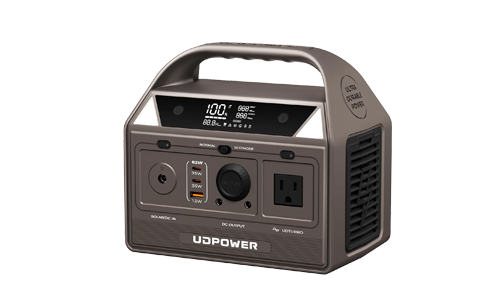
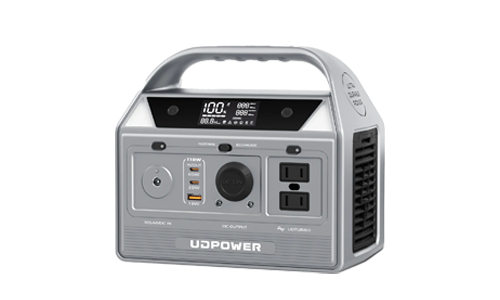
UDPOWER C200: For Cameras, Phones and Light Equipment
The C200 is the lighter option when the goal is mainly charging small electronics during a legal photo trip, roadside stop, outdoor shoot, or other location without convenient outlets.
- Battery capacity: 192Wh
- Rated AC output: 200W
- Surge output: up to 400W
- Battery chemistry: LiFePO4
- Weight: approximately 5.4 lbs
- Useful for: phones, cameras, compact LED lighting, laptops and other compatible low-power electronics
At around 5.4 pounds, it is substantially easier to move than a large home-backup battery. For urban exploration photography, that can matter more than carrying hundreds of extra watt-hours you are unlikely to use.
View UDPOWER C200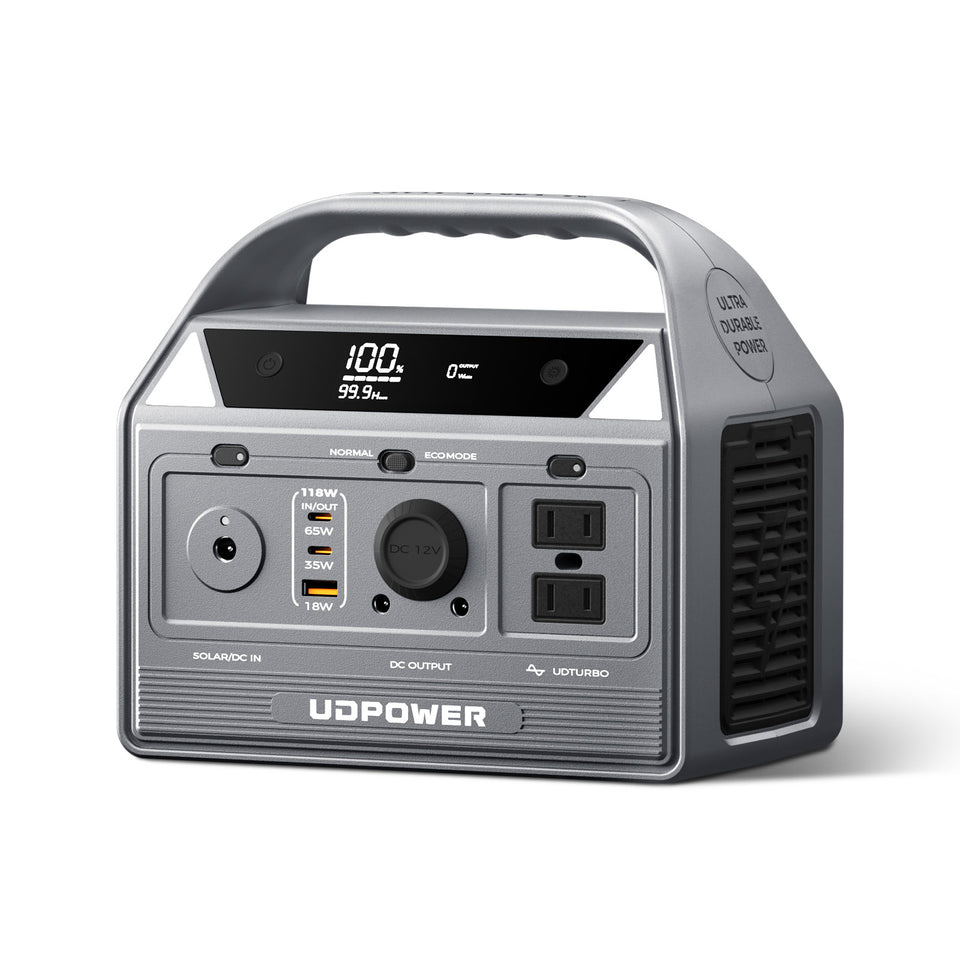
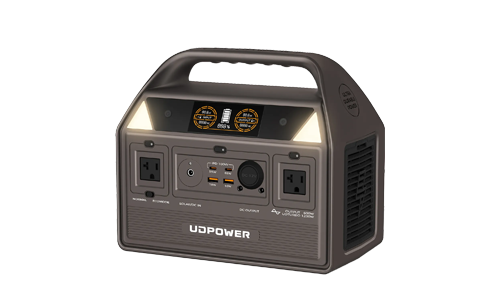
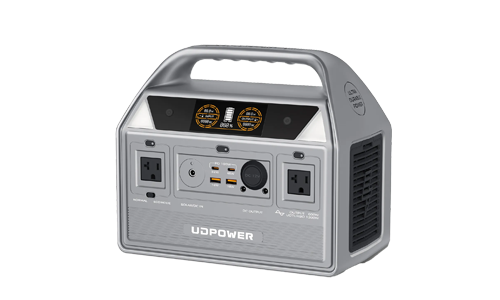
UDPOWER C400: More Headroom Without Moving to a Large Power Station
The C400 is a better fit if your authorized shoot includes more camera batteries, a laptop, multiple lights, or several devices that need charging during the day.
- Battery capacity: 256Wh
- Rated AC output: 400W pure sine wave
- Surge output: up to 800W
- Battery chemistry: LiFePO4
- Weight: approximately 6.88 lbs
- Solar input: up to 150W
- USB-C: two USB-C outputs with up to 100W total
The extra capacity and output make the C400 more flexible for photography equipment while remaining compact enough for vehicle-based shoots and outdoor setups.
View UDPOWER C400| Need | C200 | C400 |
|---|---|---|
| Capacity | 192Wh | 256Wh |
| Rated AC Output | 200W | 400W |
| Weight | Approx. 5.4 lbs | Approx. 6.88 lbs |
| Best Fit | Phones, cameras, small lights, basic electronics | Multiple devices, laptops and larger photography setups |
| Best Urbex-Related Role | Light photography kit or vehicle emergency kit | Longer legal photography sessions and mobile workstation |
You can also browse all UDPOWER portable power stations or use the UDPOWER power station comparison if you need more capacity for camping, road travel, emergency backup, or other uses beyond photography.
For a deeper explanation of when portable battery power makes sense and when a simple USB power bank may be enough, see Are Portable Power Stations Worth It?.
A Safer First Urban Exploration Trip
Your first urbex trip does not need an abandoned hospital, underground tunnel, rooftop, or giant factory. In fact, those are poor places to learn.
A Better First-Trip Formula
- Choose a legal historic ruin, ghost town, heritage property, industrial museum, or owner-authorized abandoned site.
- Go during daylight.
- Check the weather before leaving.
- Bring one responsible partner.
- Tell another person where you are going.
- Set a firm turnaround time.
- Wear sturdy footwear and gloves.
- Carry two independent light sources.
- Keep the first visit short.
- Stay above ground.
- Avoid roofs and upper levels if their condition is uncertain.
- Photograph the site as you find it.
- Leave immediately if access, air quality, wildlife, weather, security, or structural conditions change.
How to Judge a Site Before Leaving Home
A surprising amount of urbex safety work can happen without entering the property at all.
| Question | What You Are Trying to Establish |
|---|---|
| Who owns the property? | Whether permission is required and who can legally provide it |
| Is it actually abandoned? | Whether the property may still contain businesses, residents, workers or active equipment |
| Has demolition started? | Whether the structure may have intentionally removed supports or changing hazards |
| Was it recently damaged by fire, flood or storm? | Whether structural and contamination risks may have changed recently |
| What was the site's original use? | An old house, chemical plant, hospital and mine have very different hazard profiles |
| Is legal public access documented? | Whether the site is genuinely open rather than simply popular online |
| Are there current closure notices? | Whether old blogs, videos or maps are now outdated |
| What is the weather doing? | Rain, wind, freezing temperatures and storms can change conditions rapidly |
Online photos deserve particular caution. A video filmed three years ago cannot tell you whether a floor, roof, access rule, owner, fence, security system, flood condition, or demolition status is the same today.
Beginner Urbex Risk Matrix
A useful way to think about urbex is to separate probability from consequence. A hazard does not have to be common to justify avoiding it when one mistake could be fatal.
| Hazard | Likelihood at Neglected Sites | Potential Consequence | Beginner Strategy |
|---|---|---|---|
| Minor cuts and scrapes | Common | Low to moderate | Boots, gloves, first aid and careful movement |
| Broken stairs or floor openings | Common in deteriorated buildings | Severe | Do not cross questionable sections |
| Major structural collapse | Less common but unpredictable | Catastrophic | Avoid compromised structures entirely |
| Asbestos or lead dust | Possible in older buildings | Potentially serious long-term exposure | Do not disturb suspect materials or dusty demolition zones |
| Mold and biological contamination | Common in wet buildings | Variable | Avoid heavily contaminated interiors |
| Animal encounter | Possible | Low to severe | Give wildlife space and leave occupied areas |
| Confined-space atmosphere | Site dependent | Catastrophic | Do not enter confined spaces recreationally |
| Railroad incident | Site dependent | Catastrophic | Stay off railroad property outside designated crossings |
| Mine shaft or cave-in | Specific to mine sites | Catastrophic | Stay out of abandoned mines |
This is why the most experienced-looking choice is often the least dramatic one: skip a site when the possible consequence is much larger than your ability to control the hazard.
Frequently Asked Questions About Urban Exploration
What does urbex mean?
Urbex is short for urban exploration. It generally means exploring and documenting abandoned, disused, hidden, or rarely accessed man-made places such as factories, warehouses, ruins, hospitals, tunnels and industrial sites.
Is urban exploration illegal?
Not automatically. Urbex can be legal when a place is open to visitors or you have permission from the property owner. Entering private or restricted property without permission can constitute trespass, and rules vary by state and locality.
Can I enter a building if it is abandoned?
Do not assume so. A building can be unused for years and still have a legal owner. “Abandoned” does not automatically mean public property or unrestricted access.
Do I need permission for urbex?
If the property is private or otherwise restricted, obtain permission from the owner or authorized manager before entering. Written permission is preferable because it makes the approved location, date and conditions clearer.
What is the number one rule of urbex?
Confirm legal access and do not force entry. After that, leave the site as you found it: do not vandalize, steal, move objects unnecessarily or leave trash behind.
Should beginners explore abandoned buildings alone?
Going alone removes an important layer of emergency support. For a first legal exploration, go with a responsible partner and tell someone outside the group where you will be and when you expect to return.
What should I wear for urban exploration?
For a legal low-risk site, sturdy closed-toe boots with good traction, durable clothing and work gloves are sensible basics. Clothing does not make an unstable or contaminated building safe to enter.
Do I need a respirator for urbex?
A respirator is not a universal solution for abandoned-building hazards. Asbestos, chemical contamination, heavy mold, biological hazards and oxygen-deficient environments require different controls. If a site has serious or unknown air-quality hazards, beginners should not enter.
Is it safe to explore abandoned tunnels?
Tunnels can involve confined-space hazards including poor ventilation, toxic gases, low oxygen, flooding, limited exits and difficult rescue. Beginners should avoid underground confined spaces.
Can I explore abandoned railroad tracks or rail tunnels?
Do not use railroad property as an exploration route. The Federal Railroad Administration states that private railroad property should only be accessed at designated pedestrian or roadway crossings. An apparently unused track should never be assumed inactive.
Are abandoned mines safe for urbex?
No. The Bureau of Land Management warns of hidden shafts, unstable rock, cave-ins, dangerous gases, water, explosives and other hazards at abandoned mines. Stay out of mine workings and shafts.
Can I take souvenirs from an abandoned building?
No. Leave objects where you find them. A property appearing abandoned does not automatically give visitors ownership of signs, tools, documents, machinery, fixtures or other items.
What should I do if I see security cameras at an abandoned site?
Treat cameras and other active security systems as evidence that the property is controlled. Do not cover, disable, damage, jam or attempt to evade them. Confirm permission before proceeding.
What should I do if I encounter bats?
Keep your distance and do not touch them. If you believe you were bitten, scratched or otherwise exposed to a bat, seek prompt medical advice because bat bites can be difficult to notice.
What is the safest kind of urbex for a beginner?
Start with officially accessible historic ruins, ghost towns, heritage locations, industrial museums, guided tours or private properties where the owner has explicitly authorized photography. Choose daylight, dry weather, simple above-ground routes and a clear exit.
Safety and Legal References
Urbex conditions vary enormously, so general advice should never override property rules, warning signs, official closures or instructions from local authorities. The following U.S. government and legal resources provide additional information behind the main safety topics in this guide.
| Topic | Source | Useful For |
|---|---|---|
| Trespass | Cornell Legal Information Institute | General U.S. legal definition of trespass |
| Asbestos | U.S. Environmental Protection Agency | Asbestos-containing materials and exposure |
| Lead | U.S. Environmental Protection Agency | Lead-based paint and demolition dust |
| Mold | U.S. Environmental Protection Agency | Mold, moisture and health considerations |
| Confined spaces | Occupational Safety and Health Administration | Atmospheric, engulfment and confined-space hazards |
| Abandoned mines | Bureau of Land Management | Mine shafts, cave-ins, gases, water and explosives |
| Railroad trespassing | Federal Railroad Administration | Railroad property and train hazards |
| Bats and rabies | Centers for Disease Control and Prevention | Bat contact and rabies precautions |
| Bird and bat droppings | Centers for Disease Control and Prevention | Histoplasmosis and contaminated material |
| Puncture wounds | Centers for Disease Control and Prevention | Tetanus and wound considerations |
Final Takeaway
Urban exploration is best understood as a form of observation, photography and historical curiosity—not a competition to reach the most dangerous or restricted place.
For beginners, the most important urbex skills are not climbing, lock picking, hiding from security or navigating tunnels. They are researching ownership, recognizing when a structure is deteriorating, understanding when contamination may be present, planning an exit, respecting boundaries, and being willing to turn around.
Start with legal, low-risk locations. Explore in daylight. Bring a partner. Leave the site unchanged. And remember that a place does not become safe—or free to enter—just because other people have posted photographs of it online.
Need Portable Power for Your Next Legal Outdoor Photography Trip?
Compare lightweight UDPOWER models for cameras, phones, laptops, lighting, camping and mobile power, or browse the complete portable power station lineup.
Compare UDPOWER Power Stations | View Portable Power Stations
Related Articles


