Tent Camping Guide: Meaning, Gear Checklist, Safety Tips, and Power Setup
ZacharyWilliamLast updated: May 14, 2026
Tent camping means sleeping outdoors in a portable tent you pitch yourself, usually at a campground, park, beach site, forest site, or backcountry campsite. A good tent camping setup covers six basics: shelter, sleep, food, water, clothing, and safety. For modern campers, one more category matters: quiet power for phones, lights, fans, cameras, a CPAP machine, or a camping fridge.
If you are new, start with a one-night car-accessible campsite close to home. Bring a simple tent, a sleeping pad, a sleeping bag matched to the weather, a headlamp, water, food, layers, a first-aid kit, and a compact power source. Save remote backcountry trips for after you have tested your gear and know how your campsite routine works.

Tent camping should not feel like guessing in the dark. This guide walks through what tent camping actually means, what to pack, how to choose a campsite, how to avoid beginner mistakes, and how to size a portable power station without overbuying or underpowering your trip.
What Does Tent Camping Mean?
Tent camping is the simplest form of overnight outdoor travel: you bring a tent, pitch it on a legal campsite, and sleep outdoors instead of staying in a cabin, RV, hotel, or vehicle. The experience can be rustic or surprisingly comfortable depending on your gear and location.
At a developed campground, tent camping may include a picnic table, fire ring, restroom, potable water, and reserved site number. On public land or in the backcountry, tent camping may mean carrying everything in a backpack, treating water, following permit rules, and using low-impact camping skills.
| Camping style | Where you sleep | Typical comfort level | Best for | Power needs |
|---|---|---|---|---|
| Tent camping | On a sleeping pad inside a ground tent | Flexible: basic to comfortable | Beginners, families, weekend campers, hikers | Low to moderate: lights, phones, fan, camera, CPAP, small fridge |
| Car camping | In a tent near your vehicle or inside the vehicle | Comfortable because you can bring bulkier gear | First-timers, families, photographers, road trips | Moderate: fridge, laptop, lights, fans, camera batteries |
| Backpacking | Lightweight tent or shelter carried in a pack | Minimal | Experienced hikers and remote trips | Very low: phone, headlamp, satellite device, camera |
| RV camping | Inside an RV or trailer | High | Longer stays, road travel, families | Moderate to high: appliances, refrigerator, electronics |
| Glamping | Pre-set tent, cabin, yurt, or furnished shelter | Highest | Special occasions and low-effort outdoor stays | Usually provided by the site |
Common Types of Tent Camping
The right version of tent camping depends on how far you want to be from your car, how much comfort you want, and whether you need electricity overnight.
Front-country campground camping
This is the best starting point for most beginners. You reserve a campsite, park nearby, pitch your tent on a designated pad, and use campground facilities. You can bring a larger tent, cooler, chairs, lanterns, and a portable power station without worrying about pack weight.
Primitive or dispersed tent camping
This means camping outside a developed campground where allowed. It offers more quiet and space, but you need to manage your own water, bathroom plan, trash, food storage, navigation, weather backup, and power.
Backpacking with a tent
Backpacking is tent camping with everything carried on your back. It rewards simplicity. Weight matters more than comfort, so you usually choose a lighter tent, compact stove, water filter, and smaller power bank.
Basecamp tent camping
Basecamp camping means you set up a comfortable tent site and use it as a home base for fishing, climbing, kayaking, hunting, photography, or day hiking. This style often benefits from a larger power station because cameras, lights, fridges, and devices are used repeatedly.
A Beginner-Friendly Tent Camping Plan
If this is your first trip, make it boring on purpose. Choose a campsite within one to two hours of home, go for one night, and avoid extreme weather. Your goal is not to prove you can survive. Your goal is to learn your setup before a longer trip.
| When | What to do | Why it matters | Beginner tip |
|---|---|---|---|
| 7 days before | Reserve the campsite, check rules, confirm water and restroom access. | Campground rules vary by fire, food storage, quiet hours, pets, and vehicle limits. | Pick a site with a restroom nearby but not directly beside the restroom path. |
| 3 days before | Check the weather and test-pitch your tent at home. | You do not want to learn your rainfly setup in wind or darkness. | Take a photo of your packed tent bag so repacking is easier. |
| 1 day before | Charge phones, headlamps, lanterns, camera batteries, and your power station. | A fully charged setup removes stress if you arrive late. | Pack charging cables in one pouch, not loose in the car. |
| Arrival | Pitch the tent before cooking, unloading everything, or starting a fire. | Shelter comes first if rain or darkness rolls in. | Face the tent door away from strong wind if possible. |
| Evening | Set your headlamp, water bottle, warm layer, and power station within easy reach. | Most beginner frustration happens after dark. | Dim lanterns before bedtime to respect nearby campers. |
| Morning | Dry condensation, pack trash, and check the site before leaving. | Wet gear grows mildew, and missed micro-trash harms wildlife. | Walk the entire site once before driving away. |
How to Set Up a Safe Tent Campsite
A good campsite layout makes the night easier. Think in zones: sleeping, cooking, food storage, and power. Do not put everything in one pile beside the tent door.
The simple four-zone campsite layout
| Zone | What goes there | Where to place it | Common mistake |
|---|---|---|---|
| Sleep zone | Tent, sleeping pad, sleeping bag, clothing layers | Flat durable surface, away from low spots where rain can pool | Pitching in a drainage path because the ground looks flat |
| Cooking zone | Stove, cookware, water, utensils | Stable surface away from tent fabric, dry grass, and wind gusts | Cooking inside or right against the tent |
| Food and scented items | Cooler, snacks, trash, toiletries, toothpaste | Follow campground rules; in wildlife areas, use bear boxes, hard-sided storage, or approved containers | Leaving snacks or scented wipes in the tent |
| Power zone | Portable power station, charging cables, lantern charging, camera batteries | Dry, shaded, ventilated spot outside the sleeping area and away from foot traffic | Running cables through walkways or leaving batteries in direct hot sun |
Practical campsite rule
Keep your sleep area clean and boring. Food smells, wet gear, trash, shoes, and tangled cables should not live inside the tent. A clean tent stays drier, smells better, attracts fewer pests, and is easier to pack in the morning.
Tent Camping Gear Checklist
You do not need to buy everything at once. Start with the items that protect sleep, warmth, water, safety, and visibility. Add comfort gear after you know what kind of camping you actually enjoy.
| Category | Must bring | Nice to have | Buying tip | Helpful reference |
|---|---|---|---|---|
| Shelter | Tent, rainfly, stakes, guylines, footprint or tarp | Small mallet, repair sleeve, extra stakes | Choose a tent rated for one more person than your group if you want room for bags. | REI camping checklist |
| Sleep | Sleeping bag, sleeping pad, pillow, sleep clothes | Blanket, earplugs, eye mask, sleeping bag liner | The sleeping pad matters as much as the sleeping bag for warmth and comfort. | REI backpacking checklist |
| Food and cooking | Stove, fuel, lighter, cookware, utensils, cooler, food storage | Cutting board, coffee setup, dish basin, small towel | Plan meals that only need one pot or skillet on your first trip. | NPS campsite setup |
| Water | Water bottles or jug, water treatment for remote areas | Collapsible basin, gravity filter, electrolyte packets | Bring more water than you expect for drinking, cooking, coffee, and cleanup. | NPS 10 Essentials |
| Clothing | Warm layer, rain shell, dry socks, sleep layers, hat | Camp sandals, gloves, neck gaiter | Pack for the coldest part of the night, not the warmest part of arrival. | REI 10 Essentials |
| Light and power | Headlamp, lantern, extra batteries or rechargeable power | String lights, fan, camera charger, compact power station | A headlamp is safer than a handheld flashlight when cooking, walking, or staking a tent. | UDPOWER outdoor power stations |
| Safety | First-aid kit, map, weather plan, whistle, knife or multitool | Satellite messenger, repair tape, fire starter, backup glasses | Keep emergency items accessible, not buried under the cooler. | NPS 10 Essentials |
| Clean camp | Trash bags, hand sanitizer, toilet paper, wipes, storage bin | Small broom, doormat, mesh strainer for dishwater | Pack out everything, including food scraps and tiny wrappers. | NPS Leave No Trace |
What beginners usually forget
- A real sleeping pad, not just a sleeping bag.
- A headlamp for every person.
- A warm layer for sitting still after sunset.
- A dry place to store shoes outside the sleeping area.
- A cable pouch for phone, lantern, USB-C, camera, and power station cables.
How Much Power Do You Need for Tent Camping?
Most tent campers do not need a huge battery. They need enough watt-hours for the gear that actually runs after dark. The easiest way to size camping power is to list every device, estimate daily use, add a cushion, then choose a power station with enough capacity and output.
Simple camping power formula
Daily energy use = device watts × hours used per day.
For battery planning, add 15–25% for real-world losses and keep a reserve so you are not draining the unit to zero every night. If you use a CPAP, fridge, or fan while sleeping, size for overnight reliability first and daytime charging second.
| Camping device | Typical power or energy use | Common daily use | Estimated daily Wh | Notes |
|---|---|---|---|---|
| Phone | 10–15Wh per full charge | 1 full charge | 10–15Wh | Navigation, photos, and weak signal can drain faster. |
| LED lantern | 5–10W | 3–5 hours | 15–50Wh | Use lower brightness around neighbors and before sleep. |
| Headlamp | Rechargeable, small battery | Short use | 5–10Wh | Bring it even if you have a lantern. |
| Camera battery charger | 10–20W | 1–2 hours | 10–40Wh | Photographers should pack extra battery capacity. |
| Laptop | 45–90W while charging or light use | 1–3 hours | 45–270Wh | Heavy editing or gaming drains much faster. |
| Small camp fan | 10–40W | 4–8 hours | 40–320Wh | Important for hot, humid nights. |
| CPAP without heated humidifier | Often around 30–60W | 7–9 hours | 210–540Wh | Heated humidifier or heated hose can increase power use a lot. |
| 12V camping fridge or cooler | Often 15–60W average | 24 hours cycling | 360–1,440Wh | Outdoor temperature, insulation, food load, and lid openings change runtime. |
| Projector | 50–150W | 2 hours | 100–300Wh | Great for group camping, but bring enough battery and keep sound low. |
| Coffee maker | 600–1,200W | 5–10 minutes | 50–200Wh | High wattage even if used briefly; check inverter output before using. |
Camping power sizing by trip style
| Trip style | Typical devices | Recommended battery range | Recommended output class | UDPOWER fit |
|---|---|---|---|---|
| Light overnight tent trip | Phones, headlamps, small lantern, camera | 150–300Wh | 200–400W | C400 or C200 |
| Weekend car camping | Phones, lanterns, fan, laptop, camera, small speaker | 500–700Wh | 600W class | C600 |
| Comfort camping with CPAP or fridge | CPAP, fridge, lights, fan, phones, laptop | 1,000–1,500Wh | 1,200W class | S1200 |
| Powered basecamp | Fridge, CPAP, camera gear, laptop, projector, high-watt short-use appliances | 2,000Wh+ | 2,400W class | S2400 |
Need a deeper watt-hour sizing guide? Read How Many Wh Do I Need for Camping? for a device-by-device breakdown.
Recommended UDPOWER Products for Tent Camping
Choose by campsite, not by the biggest number on the box. A solo overnight trip, a family weekend, a CPAP setup, and a fridge-based basecamp are different use cases.

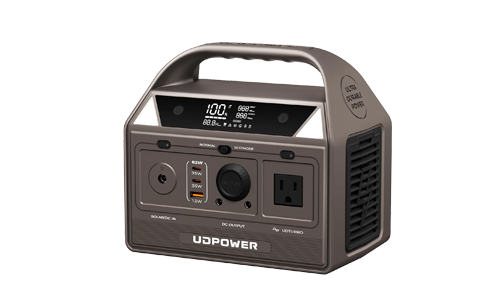
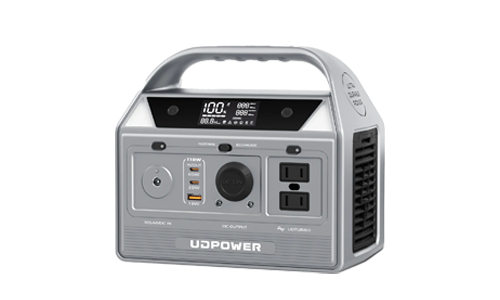
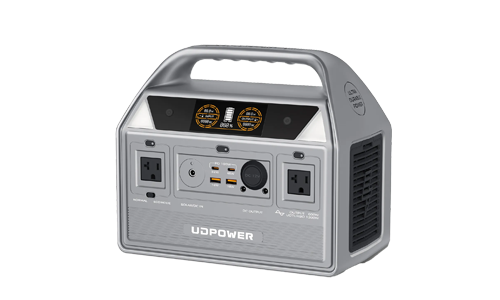
UDPOWER C400 — Best for Light Tent Camping and Short Trips
Best for: phones, lights, cameras, small fans, laptop top-offs, and compact weekend kits where weight matters.
- Capacity: 256Wh
- Output: 400W pure sine wave, up to 800W surge
- Weight: about 6.88 lb
- Battery: LiFePO4, 4,000+ cycles
- Charging: 165W hyper charging; solar input up to 150W
- Ports: 2 AC outlets, USB-C, USB-A, 12V car outlet, DC5521, jump starter port
Pick C400 when you want a compact camp power station that can cover a night of electronics without taking over your trunk.
View UDPOWER C400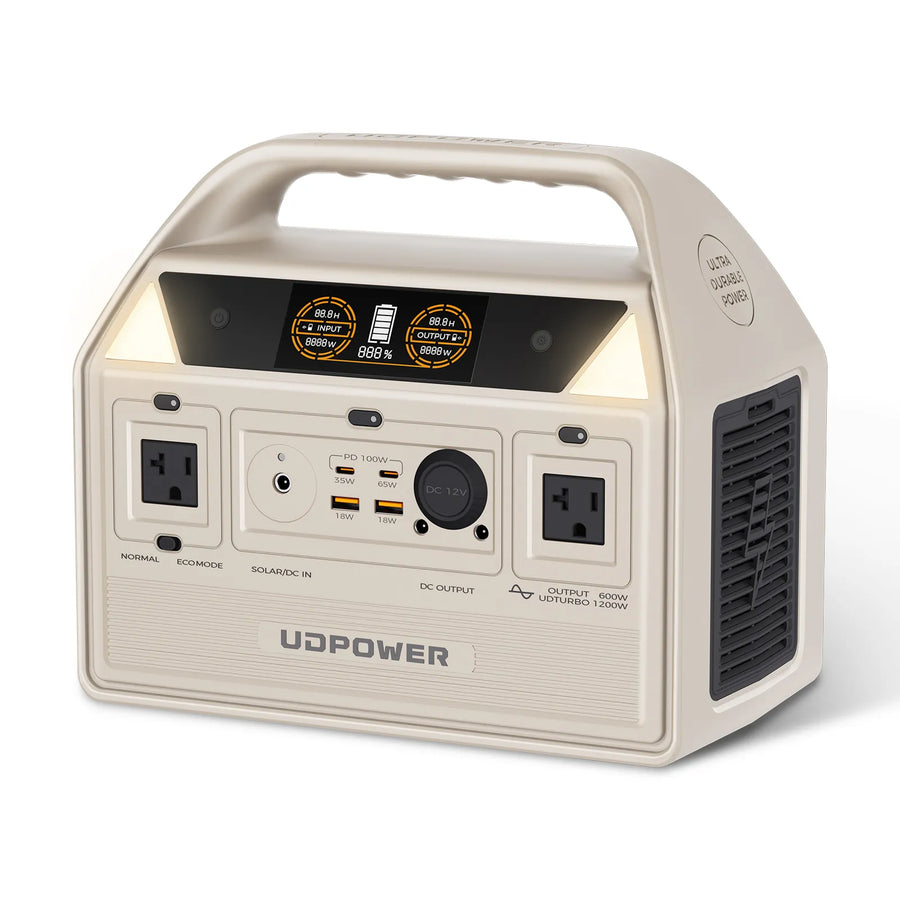
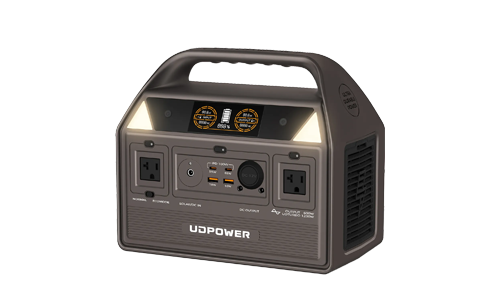
UDPOWER C600 — Best Practical Weekend Camping Pick
Best for: weekend car camping, phones, lights, laptops, camera gear, fans, mini fridges, and campsite comfort without moving into a large unit.
- Capacity: 596Wh
- Output: 600W rated, 1,200W peak
- Weight: 12.3 lb
- Battery: LiFePO4, 4,000+ cycles
- Solar charging input: up to 240W
- Noise: below 30dB under listed operation conditions
- Ports: 2 AC outlets, USB-C, USB-A, 12V car outlet, DC5521
Choose C600 if your tent trip includes more than phone charging but you still want easy carry and simple campsite power.
View UDPOWER C600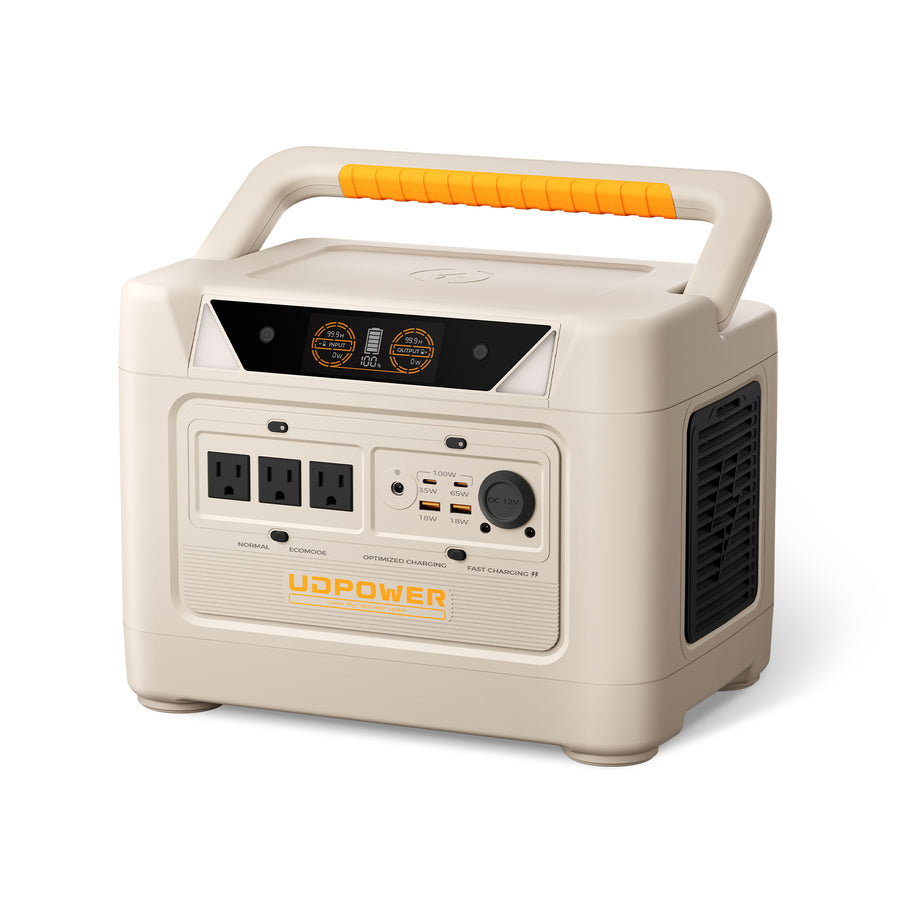
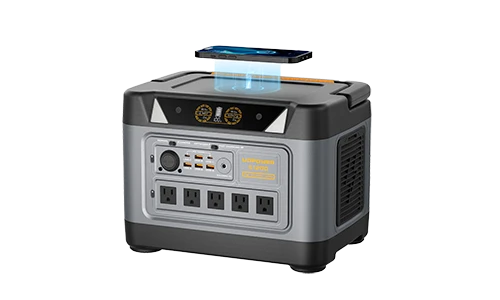
UDPOWER S1200 — Best for Comfort Camping, CPAP, and Fridge Support
Best for: family tent camping, longer weekends, CPAP users, powered lighting, fans, camping fridges, laptop work, and bigger comfort setups.
- Capacity: 1,190Wh class; product specification lists 1191Wh
- Output: 1,200W pure sine wave, up to 1,800W max
- Weight: about 26.0 lb
- Battery: LiFePO4, 80%+ capacity after 3,000 cycles
- UPS Prime: response time ≤10ms
- Solar charging input: 12V–75V, 12A, 400W max
- Ports: AC outlets, USB-A, USB-C, DC5521, 12V car port, wireless charging
Pick S1200 when overnight reliability matters more than ultralight carry. It is the better fit when your tent site includes medical sleep equipment, a fridge, or several people sharing one power setup.
View UDPOWER S1200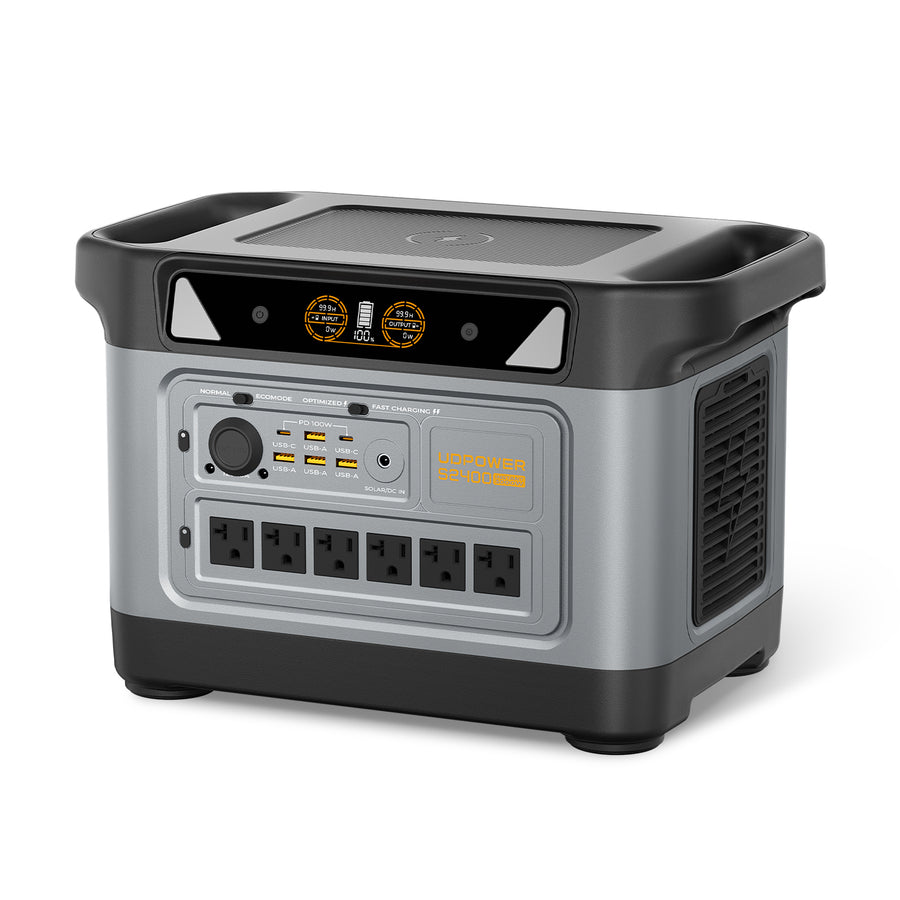
UDPOWER S2400 — Best for Powered Basecamp and High-Draw Camp Gear
Best for: powered basecamp, longer stays, fridge-heavy trips, camera crews, CPAP plus fridge plus laptop setups, and short-use high-watt appliances such as coffee makers or microwaves within limits.
- Capacity: 2,083Wh
- Output: 2,400W pure sine wave, up to 3,000W startup surge
- Weight: about 40.8 lb
- Battery: LiFePO4, 80%+ capacity after 3,000 cycles
- UPS Prime: response time ≤10ms
- Solar input: 12V–50V, 10A max, up to 400W solar charging
- Ports: 6 AC outlets plus 10 DC outputs, including USB-C up to 100W and wireless charging
Choose S2400 if your tent camping looks more like a multi-day outdoor basecamp than a minimalist overnight trip.
View UDPOWER S2400| Model | Capacity | Output | Weight | Best tent camping use | Product page |
|---|---|---|---|---|---|
| C400 | 256Wh | 400W rated, 800W surge | About 6.88 lb | Short trips, phones, lights, camera, small fan | View C400 |
| C600 | 596Wh | 600W rated, 1,200W peak | 12.3 lb | Weekend car camping, laptop, fan, mini fridge, camera gear | View C600 |
| S1200 | 1,190Wh class / 1191Wh spec | 1,200W rated, 1,800W max | About 26.0 lb | CPAP, fridge, family camping, comfort weekends | View S1200 |
| S2400 | 2,083Wh | 2,400W rated, 3,000W surge | About 40.8 lb | Powered basecamp, high-watt appliances, long fridge support | View S2400 |
Should You Bring Solar Panels for Tent Camping?
Solar panels are useful when you stay more than one night, camp in open sun, run a fridge or CPAP, or want a backup charging path away from wall power. Solar does not mean unlimited power. Clouds, shade, panel angle, heat, dust, and campsite trees all reduce charging.

| Camping situation | Solar worth it? | Why | UDPOWER link |
|---|---|---|---|
| One-night trip with phones and lights | Usually optional | A fully charged power station is normally simpler. | Outdoor power stations |
| Two- to three-night weekend | Helpful | Solar can refill daytime phone, light, fan, and camera use. | Solar panels |
| CPAP or fridge overnight | Strongly helpful | Battery covers the night; solar helps recover during the day. | Solar generator kits |
| Shaded forest campground | Depends | Panels need direct sun. Battery capacity matters more in deep shade. | Solar panels for camping guide |
Solar setup tips that actually matter
- Place the panel in full sun, not behind glass or partial shade.
- Adjust the angle and watch the live input watts on your power station.
- Keep the panel clean and cool when possible.
- Do not mix random panels in parallel unless voltage, current, connector, and power station input limits are compatible.
- Plan battery capacity for nighttime first. Use solar as a refill, not as your only safety margin.
Tent Camping Safety: Weather, Wildlife, Fire, and Low-Impact Camping
Most camping problems are predictable: weather changes, poor tent placement, food left out, not enough water, weak lighting, and underestimating cold nights. A safe trip is mostly planning and small habits.
Weather safety
Check the forecast before leaving and again before you lose service. If you hear thunder, move to a safe vehicle or building. A tent, picnic shelter, or tree is not a safe lightning shelter. Wait 30 minutes after the last thunder before returning to outdoor activity.
Food and wildlife
Store food, trash, toiletries, and scented items according to the campground or park rules. In bear country or active wildlife areas, use approved storage, bear boxes, or hard-sided containers where required. Do not sleep in clothes used while cooking if wildlife risk is high.
Water and waste
Use campground toilets when available. In backcountry areas where catholes are allowed, follow local rules. Standard Leave No Trace guidance is to keep washing and waste disposal well away from water, camp, and trails. Pack out hygiene products and micro-trash.
Fire and cooking
Use established fire rings where allowed. Check burn bans. Keep water nearby. Never cook inside your tent. Tent fabric, carbon monoxide, flame, grease, and wind are a bad combination.
| Safety topic | Practical rule | Why it matters | Source |
|---|---|---|---|
| Lightning | Go to a safe building or vehicle when thunder is heard; wait 30 minutes after the last thunder. | Tents and open shelters do not protect you from lightning. | National Weather Service |
| Food storage | Keep food and scented items away from your sleeping area and follow park storage rules. | Food smells can attract animals and create unsafe campsites. | National Park Service |
| Waste disposal | Use facilities where available; otherwise follow local cathole and pack-out rules. | Human waste and hygiene waste can contaminate water and campsites. | NPS Leave No Trace |
| Emergency basics | Carry navigation, headlamp, sun protection, first aid, repair tool, fire, shelter, food, water, and layers. | Small delays become serious when you are cold, wet, lost, or injured. | NPS 10 Essentials |
For a deeper rules-focused guide, read Camping Rules Guide: 2/2/2, 3/3/3, 200/200/200 & More.
Beginner Tent Camping Mistakes to Avoid
| Mistake | What happens | Better approach |
|---|---|---|
| Arriving too late | You pitch the tent in the dark, miss hazards, and rush dinner. | Arrive with at least two hours of daylight. |
| Skipping the sleeping pad | You feel cold from the ground and sleep poorly. | Use an insulated pad appropriate for the season. |
| Trusting only the daytime temperature | The evening feels much colder while sitting still. | Pack layers for the overnight low, wind, and damp conditions. |
| Cooking too close to the tent | Fire, fumes, grease, and food smell create safety problems. | Cook in a separate ventilated area and follow campground rules. |
| Leaving food or trash out | Animals enter camp and learn bad food habits. | Store food, trash, toiletries, and scented items properly. |
| Buying the smallest battery possible | Fans, CPAP, or fridges run out overnight. | Size power by nighttime loads first, then add a reserve. |
| Relying on solar without battery margin | Clouds or shade leave you short on power. | Use solar to extend runtime, not to replace right-sized capacity. |
| Not testing gear at home | You discover missing poles, dead lanterns, or wrong cables at camp. | Do a driveway setup and charge test before leaving. |
FAQ: Tent Camping
Is tent camping good for beginners?
Yes. Start with a reservable campground close to home, choose mild weather, and go for one night. Practice pitching your tent before the trip and keep your first setup simple.
What is the difference between tent camping and car camping?
Tent camping means sleeping in a tent. Car camping usually means your vehicle is parked at or near your campsite, so you can bring heavier gear such as coolers, chairs, lanterns, and a portable power station.
Do I need electricity for tent camping?
No, but electricity makes many trips easier. A compact power station can run lights, charge phones, power a fan, recharge camera batteries, or support a CPAP machine depending on the model and battery size.
What size power station is best for tent camping?
For light overnight trips, 150–300Wh may be enough. For weekend car camping, 500–700Wh is more practical. For CPAP, camping fridge, family use, or longer trips, a 1,000Wh-class unit or larger is often a better fit.
Can a portable power station run a CPAP while camping?
Yes, if the power station has enough capacity and compatible output for your CPAP. Heated humidifiers and heated hoses can increase power use, so test your exact setup before relying on it overnight.
Can I use a gas generator at a tent campsite?
Sometimes, but many campgrounds restrict generator hours because of noise and fumes. A portable power station is usually easier around tents because it runs quietly and does not produce exhaust while powering devices.
Should I keep a power station inside the tent?
Keep it in a dry, shaded, ventilated place and follow the product manual. Avoid direct hot sun, wet ground, blocked vents, and cable paths where people can trip. Do not run fuel-burning equipment in or near a tent.
What should I not forget on a tent camping trip?
Do not forget a sleeping pad, headlamp, warm layer, rain protection, water, food storage plan, first-aid kit, trash bags, and the correct charging cables for your devices.
Is solar worth it for tent camping?
Solar is worth it for multi-night trips, sunny campsites, CPAP users, camping fridges, and off-grid stays. For one-night trips with only phones and lights, a fully charged power station is often enough.
Build a Tent Camping Power Setup That Matches Your Trip
For a light overnight trip, start with a compact C-Series model. For a weekend with a fan, laptop, or camera gear, step up to C600. For CPAP, camping fridge, or family comfort camping, S1200 is the safer middle ground. For a powered basecamp with bigger appliances and longer runtime, choose S2400.
View Outdoor Power Stations View Solar Generator Kits
Tip: If you are not sure, list the devices you will run overnight first. Nighttime loads decide the battery size. Solar helps you recover during the day.