How Much Power Does a Radio Use? Watts, Runtime & Backup Power Guide
ZacharyWilliamPortable power & emergency communication
Latest update: June 4, 2026
Quick Answer
Most small radios use very little power. A pocket AM/FM radio or compact emergency radio usually falls around 2 to 10 watts for backup planning. A handheld two-way radio can use less than 1 watt while sitting in standby, a few watts while listening, and more when transmitting. A vehicle-mounted GMRS, ham, or marine radio is a different class because transmit power and input power can jump much higher.
For most homes, the radio itself is not the reason to buy a large backup battery. The better question is: Do you also want to keep phones, lights, a router, a fan, or a refrigerator running during the same outage?
- Small AM/FM or weather radio: plan around 2–5W.
- USB rechargeable emergency radio: plan around 5W when charging.
- Handheld two-way radio: plan separately for listening and transmitting.
- Mobile GMRS/ham radio: check the manual or power supply label, not just the advertised RF output.

Why Radio Wattage Varies So Much
“Radio” can mean a pocket AM/FM receiver, a NOAA weather alert radio, a jobsite radio, a handheld marine radio, a ham radio, or a vehicle-mounted GMRS unit. Those devices do not use power the same way.
A simple listening radio is mostly running a tuner, display, small speaker, and battery charging circuit. That is why many small radios are easy loads for a portable power station. A two-way radio is different because power demand rises when you press the push-to-talk button. A mobile radio can draw far more from the battery than a small weather radio because it is designed to transmit farther.
Typical Radio Watts by Type
The table below uses official product specs where available, then converts voltage and current into practical planning watts. Treat these as sizing examples, not a promise for every radio model.
| Radio type | Official example spec | Planning watts | What it means for backup power | Source |
|---|---|---|---|---|
| Pocket AM/FM radio | Retekess V112: charging voltage DC 5V 500mA | About 2.5W max while charging | A tiny load. Good for a grab-and-go outage kit, camping bag, or glove-box backup. | Retekess V112 official spec |
| Portable multi-band / weather radio | Retekess V115P: Type-C input 5V 1A, 3W speaker | About 5W max input while charging | A useful number for many compact rechargeable radios with weather band and emergency features. | Retekess V115P official spec |
| Home NOAA weather alert radio | Midland WR120: 120V AC / 3 AA batteries, 0.5W speaker | Usually a few watts in use | Great for alerts. If you need exact runtime from AC, check the adapter label or use a plug-in watt meter. | Midland WR120 user guide |
| NOAA / AM / FM desktop alert radio | Midland WR400: 120V AC adapter / 4 AA batteries, USB output 5V 1A, 0.5W speaker | Plan a few watts for the radio; more if using USB charging | The USB output can charge a phone only when the radio is on wall power, so do not confuse USB output with the radio’s own draw. | Midland WR400 user guide |
| Handheld two-way radio | Icom IC-V3MR: 7.2V DC, receive standby 75mA, receive max audio 500mA, transmit high 0.9A | About 0.5W standby, 3.6W listening, 6.5W transmit | Battery life depends on talk time. A radio that mostly listens can run much longer than one used heavily for transmitting. | Icom IC-V3MR official spec |
| Handheld marine radio | Icom IC-M94D: 7.2V DC, RX 350–700mA, TX 700–1500mA | About 2.5–5W receive, 5–10.8W transmit | Still modest compared with appliances, but transmitting uses far more power than listening. | Icom IC-M94D official spec |
| Mobile GMRS / vehicle radio | Midland MXT575: 50W GMRS radio class | Use the manual or power supply label | Do not size backup power from “50W” alone. A mobile radio’s input draw can be much higher than a small weather radio. | Midland MXT575 product page |
The main takeaway is simple: a radio that only receives broadcasts is a small load. A radio that transmits should be planned around receive time, transmit time, and the actual input rating.
How to Find Your Radio’s Real Power Use
You do not need to guess. Most radios give you enough information somewhere on the adapter, battery label, or manual.
- Check the adapter label. If the adapter says 5V 1A, the maximum input is 5 watts. If it says 12V 0.5A, the maximum input is 6 watts.
- Look for receive and transmit current. Two-way radios often list current draw separately for standby, receive, and transmit. Use those separately instead of one generic wattage number.
- Use USB or DC when possible. A radio that can run from USB-C or a DC input often wastes less energy than using an AC wall adapter through an inverter.
- Measure AC radios if runtime matters. If the manual only lists speaker output, use a plug-in watt meter for the wall adapter.
Radio Runtime Formula
For a quick estimate, use this formula:
The 0.9 factor gives a practical planning estimate for UDPOWER portable power stations. Real runtime can change based on the radio, port used, volume level, temperature, battery age, and whether the radio is charging an internal battery at the same time.
Two-way radio duty cycle example
For two-way radios, average power matters more than peak power. A radio that sits in standby most of the time may use very little energy, even if it draws more during short transmissions.
| Use pattern | Example mix | Estimated average draw | Best way to plan |
|---|---|---|---|
| Mostly listening | 80% standby, 15% listening, 5% transmit | About 1–2W on a small handheld example | Good for emergency monitoring, neighborhood updates, and short check-ins. |
| Active communication | 50% receive audio, 50% transmit | Often several watts on a handheld; much higher on mobile radios | Use the manual’s receive/transmit current numbers and calculate your own average. |
| Mobile radio / base setup | Receiver, mic, display, possible external speaker, transmit bursts | Too model-specific for a generic number | Size from the radio’s input current or power supply rating, not RF output watts. |
Want to run your own numbers? Use UDPOWER’s portable power station runtime calculator and enter the wattage from your radio label or manual.
How Long Can a Portable Power Station Run a Radio?
For a small radio, runtime is usually measured in days, not hours. The table below uses 90% usable energy for a practical estimate.
| UDPOWER model | Official capacity | 2W pocket radio | 5W emergency radio | 10W AC adapter radio | 25W larger radio / audio use | 100W mobile radio planning load |
|---|---|---|---|---|---|---|
| UDPOWER C400 | 256Wh | About 115 hours | About 46 hours | About 23 hours | About 9.2 hours | About 2.3 hours |
| UDPOWER C600 | 596Wh | About 268 hours | About 107 hours | About 54 hours | About 21.5 hours | About 5.4 hours |
| UDPOWER S1200 | 1,190Wh | About 535 hours | About 214 hours | About 107 hours | About 43 hours | About 10.7 hours |
| UDPOWER S2400 | 2,083Wh | About 937 hours | About 375 hours | About 187 hours | About 75 hours | About 18.7 hours |
A radio-only runtime table can be a little misleading because real outages are rarely radio-only. Most people also charge phones, run lights, and may want the router online for updates. That is where a larger power station starts to make more sense.
Real Outage Kit Runtime: Radio + Phones + Lights + Wi-Fi
If your goal is emergency communication, build the plan around the full kit. A radio gives you local alerts, but phones, lights, and internet may be just as important during a storm or grid outage.
| Device | Planning draw | Daily use example | Daily energy | Why it matters |
|---|---|---|---|---|
| Weather / AM-FM radio | 5W | 8 hours listening | 40Wh | News, NOAA alerts, evacuation updates, local broadcast information. |
| Alert standby radio | 2W | 24 hours standby | 48Wh | Useful overnight when you are not actively listening. |
| Two phones | About 15Wh each | One full recharge each | 30Wh | Calls, messages, flashlight, outage maps, emergency contacts. |
| LED lantern | 10W | 5 hours | 50Wh | Safer than candles and easier for cooking, medicine, and moving around. |
| Router + modem | 15W | 8 hours | 120Wh | Helpful when the internet service itself is still working. |
| Total with Wi-Fi | — | One practical outage day | About 288Wh/day | Use this for a realistic radio-centered backup plan. |
| UDPOWER model | Estimated usable energy | Radio kit without router (about 168Wh/day) |
Radio + phones + lights + Wi-Fi (about 288Wh/day) |
Best fit |
|---|---|---|---|---|
| C400 | About 230Wh | About 1.4 days | About 0.8 day | Short outages, camping, radio + phones + LED lights. |
| C600 | About 536Wh | About 3.2 days | About 1.9 days | Better home storm kit, longer phone/light/radio runtime. |
| S1200 | About 1,071Wh | About 6.4 days | About 3.7 days | Radio plus router, fan, CPAP, or refrigerator support in a larger outage plan. |
| S2400 | About 1,875Wh | About 11.2 days | About 6.5 days | Extended outage setup with communication, internet, lights, and bigger household essentials. |
For a fuller home plan, pair radio backup with a simple load order. Start with communication, medical needs, lighting, refrigeration timing, then comfort items. UDPOWER’s guide to what to run first during a power outage is a good next step.
Best UDPOWER Options for Radio Backup
A radio alone does not need a huge power station. The right UDPOWER model depends on what you want to run beside the radio.
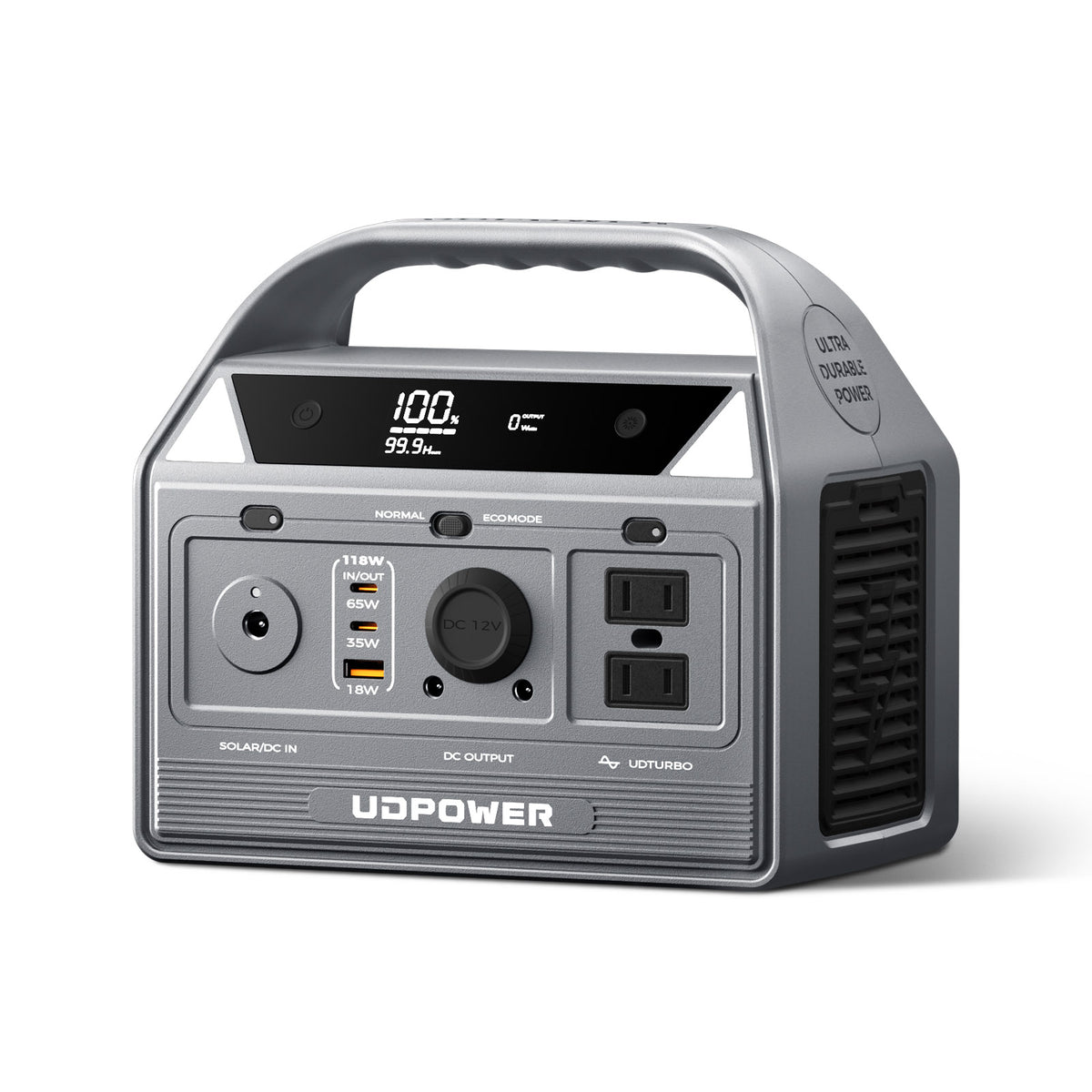
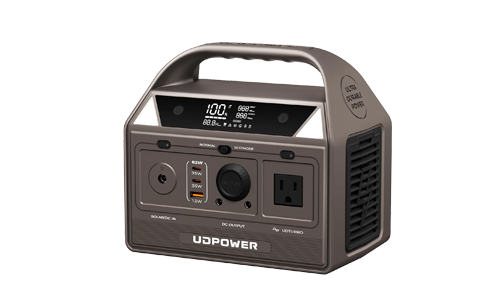
UDPOWER C400 Portable Power Station
The C400 is a practical pick if your backup plan is a radio, phones, LED lights, and small USB/DC gear. It is compact, easy to store, and more than enough for a small emergency listening setup.
- 256Wh LiFePO4 battery
- 400W pure sine wave AC output, 800W surge
- 2 AC outlets, USB-C, USB-A, 12V car socket, DC5521 ports
- Fastest charging up to 165W with adapter + USB-C
- 150W max solar input
- Approx. 6.88 lbs

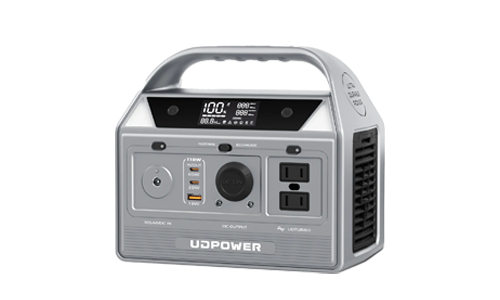
UDPOWER C600 Portable Power Station
The C600 makes more sense when your radio is part of a real household outage kit. It gives you more room for phones, lights, a small fan, camera batteries, or timed router use.
- 596Wh LiFePO4 battery
- 600W pure sine wave AC output, 1200W max
- 2 AC outlets, USB-C ports, USB-A ports, 12V car socket, DC5521 output
- 240W max solar input
- Approx. 12.3 lbs
- Quiet operation for indoor and camping use
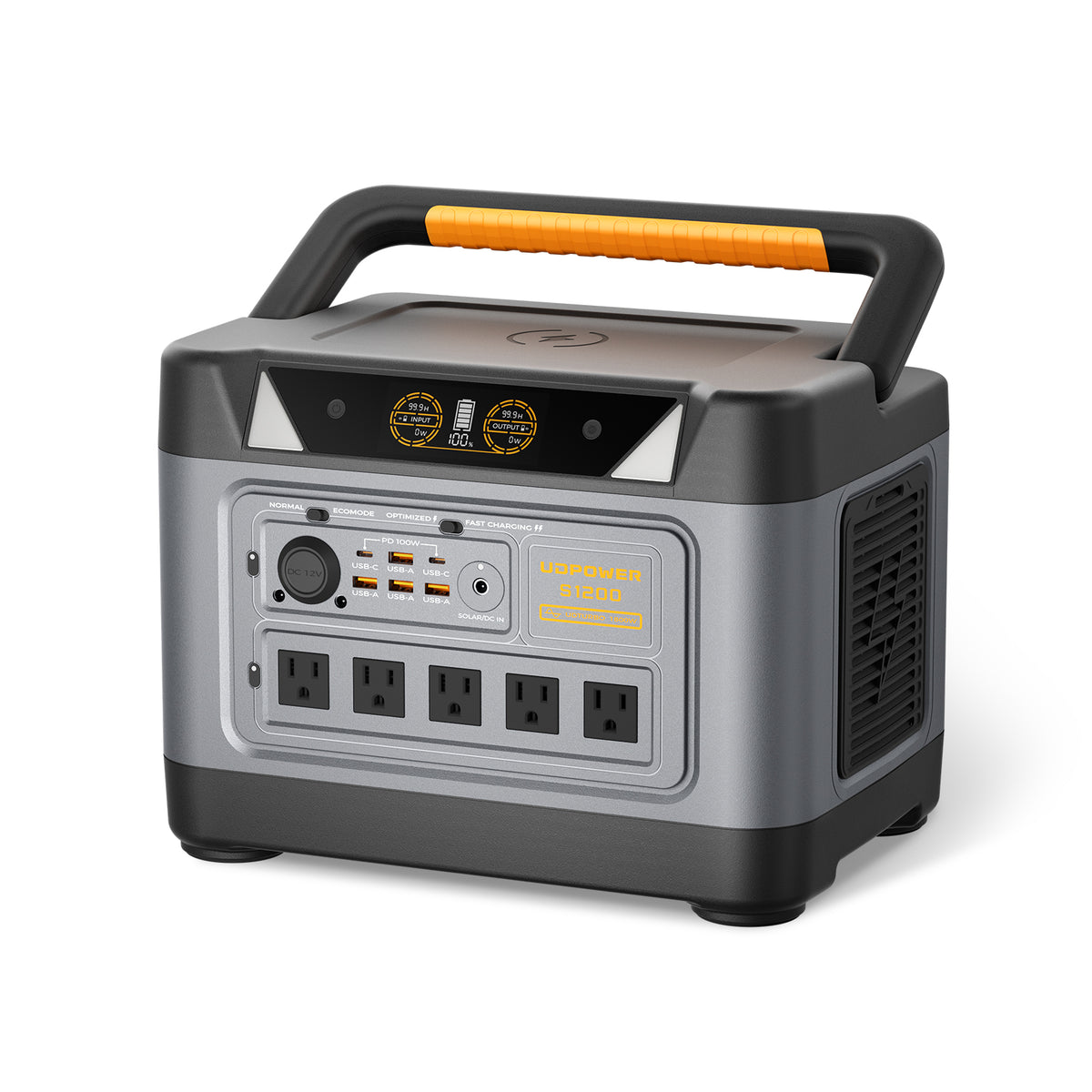
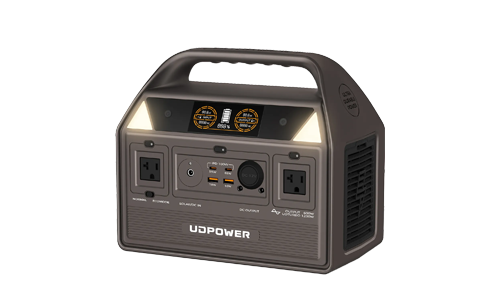
UDPOWER S1200 Portable Power Station
Choose the S1200 when the radio is only one part of the plan. It is a stronger fit for router backup, CPAP backup, phones, lights, small appliances, and refrigerator timing during longer outages.
- 1,190Wh class LiFePO4 battery
- 1200W pure sine wave output, UDTURBO up to 1800W
- 5 AC outlets plus USB-C, USB-A, DC5521, car port, and wireless charging
- UPSPRIME switchover time ≤10ms
- 400W max solar input
- Whisper-quiet operation under 25dB

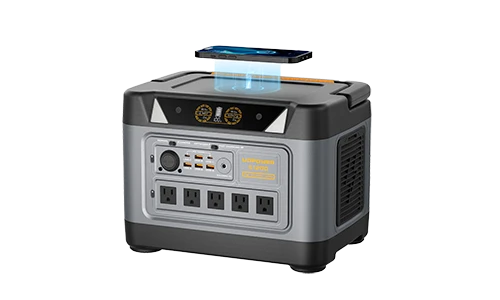
UDPOWER S2400 Portable Power Station
The S2400 is more than a radio backup. It is for a larger emergency setup where you want communication, lights, internet, refrigerator support, and higher-wattage essentials available from one system.
- 2,083Wh LiFePO4 battery
- 2400W pure sine wave output, UDTURBO surge up to 3000W
- 6 AC outlets plus USB-C, USB-A, DC5521, 12V car outlet, and wireless charging
- UPSPRIME switchover time ≤10ms
- 400W max solar charging input
- Approx. 40.8 lbs
Should You Add Solar Charging for a Radio Backup Kit?
For one small radio, solar is not required. A fully charged power station can run a small radio for a long time. Solar starts to matter when the outage lasts multiple days or when your “radio kit” also includes phones, lanterns, router/modem, CPAP, or refrigerator support.
A solar generator setup is simply a portable power station paired with solar panels. For emergency communication, that means you can listen during the day, recharge phones, and use sunlight to put energy back into the battery instead of saving every watt.
| Situation | Solar needed? | Better setup |
|---|---|---|
| Radio only for one night | Usually no | C400 or C600 fully charged before storm season. |
| Radio + phones + LED lights for 1–2 days | Optional | C600 if you want more margin; C400 if you pack light. |
| Radio + router + phones during a multi-day outage | Recommended | S1200 with solar charging if the outage may last longer than expected. |
| Radio + household essentials + refrigerator timing | Strongly recommended | S2400 or a larger solar generator kit. |
Common Mistakes to Avoid
- Buying a huge battery just for a small radio. If the radio is the only load, a compact power station is usually plenty.
- Confusing speaker watts with power draw. A 0.5W speaker rating is not the same thing as total wall-plug consumption.
- Confusing RF output with input draw. A “50W radio” is not automatically a 50W battery load.
- Using AC when USB or DC is available. For small electronics, USB/DC is often more efficient than running through an AC adapter.
- Ignoring phones and lights. In a real outage, communication means more than one radio. Plan for charging and visibility too.
- Leaving the power station empty until storm day. Charge it ahead of time and test your radio cable, USB cable, and DC adapter before you need them.
- Skipping the manual for two-way radios. Transmit current matters. A receive-only estimate may be too optimistic if you talk often.
FAQ
Do radios use a lot of electricity?
No. Most small AM/FM, weather, and portable radios are light loads. Many are only a few watts, especially when used for listening. High-power communication radios are the exception.
How many watts does a weather radio use?
Many compact weather radios are safe to plan around at about 2–5W. If the radio has a wall adapter, check the adapter label. If it only lists speaker output, use a plug-in watt meter for a more exact number.
Can a portable power station run a radio overnight?
Yes. A small radio is one of the easiest devices to run overnight. Even a compact power station can usually run an emergency radio through the night with plenty of battery left.
Is USB better than an AC adapter for running a radio?
Usually yes. If your radio supports USB or DC input, that path can reduce inverter losses and stretch runtime. AC is still useful when the radio only supports a wall adapter.
How do I calculate radio runtime?
Use this simple formula: power station capacity × 0.9 ÷ radio watts. For example, a 256Wh power station running a 5W radio is about 256 × 0.9 ÷ 5, or roughly 46 hours.
Why does a two-way radio drain faster when transmitting?
Receiving uses less power because the radio is mostly listening. Transmitting sends a signal out through the antenna, which takes more energy. That is why talk time matters so much for handheld, marine, GMRS, and ham radios.
Can I power a mobile radio from a portable power station?
Often yes, but you must match the radio’s required input voltage, current, and connector. Do not guess from the advertised RF output. Use the radio manual or power supply label.
What size UDPOWER power station is best for radio backup?
For radio, phones, and lights, the C400 or C600 is usually the practical range. For a larger home outage plan with router, CPAP, refrigerator timing, or multiple devices, the S1200 or S2400 gives much more margin.
Should I leave my radio plugged into the power station all the time?
For most people, it is better to keep the power station charged, store the cables together, and test the setup regularly. If you need always-on alert coverage, check your radio’s standby draw and use the port that wastes the least power.
Can solar panels keep a radio running during a long outage?
Yes, especially because radios are low-wattage loads. Solar becomes even more useful when the radio shares power with phones, lights, router, and other daily essentials.
Final Takeaway
A normal radio is one of the easiest devices to power during an outage. If you only need news, weather alerts, and basic emergency listening, you are usually dealing with a very small load. The real sizing decision is not the radio by itself. It is the full communication kit: radio, phones, lights, router, and any other essentials your household depends on.
For short outages and camping, start compact. For storm season, multi-day outages, or home backup, step up to a larger power station and consider solar charging. That gives you more than a radio. It gives you a practical way to stay informed, connected, and ready when the grid is down.
Build Your Radio Backup Kit Before the Next Outage
Choose a portable power station based on your full emergency load, not just the radio. Start with communication, add phones and lights, then decide whether you need Wi-Fi, CPAP, refrigerator support, or solar charging.
View Portable Power Stations View Solar Generator Kits Use the Runtime Calculator