How Many Watts Does an Electric Blanket Use?
ZacharyWilliamElectric blankets are one of the most battery-friendly ways to stay warm because they heat the person or bed instead of the whole room. That makes them useful for winter outages, camping, RV nights, cabins, and anyone trying to lower heating costs. The key is knowing the real wattage, runtime, and safety rules before you plug one into a wall outlet or a portable power station.
Quick answer: how many watts does an electric blanket use?
Most electric blankets use about 50 to 150 watts on high, depending on size, heat setting, controller design, and whether it has one or two heating zones. Small electric throws and 12V travel blankets may use about 40 to 80 watts. Queen, king, and extra-warm models often land around 100 to 200 watts.
A 100W electric blanket used for 8 hours consumes about 0.8 kWh. Using the U.S. Energy Information Administration’s 2026 residential electricity estimate of 18.2¢/kWh, that costs about 15¢ per night. A 1,500W space heater used for the same 8 hours costs about $2.18 per night, so an electric blanket is usually the better choice when you only need personal warmth.

Electric blanket wattage by size and type
Electric blanket wattage is usually much lower than space heating wattage. Still, the number changes by blanket size, heating surface, controller setting, fabric thickness, and whether the blanket cycles on and off after reaching temperature.
| Blanket type | Common wattage range | Typical user | What to know before buying |
|---|---|---|---|
| 12V travel blanket | 40–60W | Car camping, road trips, RV passengers | Often designed for vehicle-style DC use. Check whether it needs 12V DC or standard 120V AC. |
| Electric throw | 50–100W | Couch, recliner, one-person warmth | Good match for compact portable power stations because the heated area is smaller. |
| Twin electric blanket | 50–80W | Single bed or solo camping sleep setup | Usually the most efficient bed-size option. |
| Full / queen electric blanket | 80–120W | One or two sleepers | Some models use dual controllers, which can raise peak draw. |
| King electric blanket | 100–150W | Larger beds and dual-zone comfort | Plan for longer runtime only if you use low or medium heat after preheating. |
| Heavy-duty heated blanket or mattress pad | 150–200W+ | Cold rooms, high heat, large surfaces | Still far below a space heater, but runtime drops quickly on battery power. |
Real-world use is not always the same as label wattage
The wattage on the tag is usually the rated or maximum draw. After the blanket warms up, many controllers cycle the heating elements on and off. That means overnight average power can be lower than the maximum number, especially if you preheat the bed and then switch to low or medium.
How to find your electric blanket’s exact wattage
Do not guess if you are planning battery runtime. Check the actual blanket first.
- Look at the sewn-in label. Many electric blankets list voltage, amps, watts, and safety information on a fabric tag.
- Check the controller or power brick. The controller may show input information such as 120V, amps, or watts.
- Open the manual or product page. Search the exact model number, not just the brand name.
- If you only see amps, convert it. On a 120V U.S. outlet, watts equal volts multiplied by amps.
- For the most accurate number, use a plug-in watt meter. Watch both the first warm-up period and the lower steady setting you actually use.
| Label example | Calculation | Estimated watts | What it means |
|---|---|---|---|
| 120V · 0.5A | 120 × 0.5 | 60W | Typical low-power throw or twin blanket. |
| 120V · 0.8A | 120 × 0.8 | 96W | Common full or queen blanket range. |
| 120V · 1.25A | 120 × 1.25 | 150W | Higher-power king, dual-zone, or extra-warm blanket. |
| 12V · 4A | 12 × 4 | 48W | Typical car-style heated travel blanket. |
How much electricity does an electric blanket use?
The electricity used by an electric blanket is measured in kilowatt-hours. For cost estimates below, the rate is set at $0.182 per kWh, matching the U.S. Energy Information Administration’s 2026 residential price estimate. Your local utility rate may be higher or lower, especially in states with expensive winter electricity.
| Blanket wattage | 4 hours | 6 hours | 8 hours | 10 hours | 30 nights at 8 hours |
|---|---|---|---|---|---|
| 40W | 0.16 kWh / $0.03 | 0.24 kWh / $0.04 | 0.32 kWh / $0.06 | 0.40 kWh / $0.07 | $1.75 |
| 60W | 0.24 kWh / $0.04 | 0.36 kWh / $0.07 | 0.48 kWh / $0.09 | 0.60 kWh / $0.11 | $2.62 |
| 80W | 0.32 kWh / $0.06 | 0.48 kWh / $0.09 | 0.64 kWh / $0.12 | 0.80 kWh / $0.15 | $3.49 |
| 100W | 0.40 kWh / $0.07 | 0.60 kWh / $0.11 | 0.80 kWh / $0.15 | 1.00 kWh / $0.18 | $4.37 |
| 150W | 0.60 kWh / $0.11 | 0.90 kWh / $0.16 | 1.20 kWh / $0.22 | 1.50 kWh / $0.27 | $6.55 |
| 200W | 0.80 kWh / $0.15 | 1.20 kWh / $0.22 | 1.60 kWh / $0.29 | 2.00 kWh / $0.36 | $8.74 |
For one person or one bed, this is why an electric blanket can be a practical winter comfort tool. It does not replace proper home heating in dangerously cold conditions, but it can reduce how often you need high-watt space heating for personal warmth.
Electric blanket vs space heater: which uses less power?
An electric blanket is usually much cheaper to run because it heats your body or bed directly. A space heater warms the surrounding air, furniture, walls, and room volume. That makes space heaters useful for room heating but inefficient for a single sleeper under bedding.
| Heating option | Typical watts | 8-hour energy use | 8-hour cost at $0.182/kWh | Best use |
|---|---|---|---|---|
| Electric blanket on low-medium | 40–80W average | 0.32–0.64 kWh | $0.06–$0.12 | Personal warmth in bed or on a couch. |
| Electric blanket on high | 100–200W | 0.8–1.6 kWh | $0.15–$0.29 | Preheating a bed or colder rooms for short periods. |
| Small electric space heater | 750W | 6.0 kWh | $1.09 | Short room heating in a small space. |
| Typical plug-in space heater | 1,500W | 12.0 kWh | $2.18 | Heating a room, not the best battery-powered overnight load. |
Portable power station takeaway
An electric blanket is a reasonable battery load. A 1,500W space heater is usually not. Even a large power station drains quickly when used as an electric heater for hours. For winter outage comfort, use the power station for targeted warmth, lights, phone charging, router backup, CPAP where appropriate, and small essentials.
How long can a portable power station run an electric blanket?
Runtime depends on battery capacity, blanket wattage, AC inverter efficiency, room temperature, heat setting, and whether anything else is plugged in. The table below uses a practical estimate of 85% usable AC energy to account for normal inverter and conversion losses. Actual runtime can be higher if the blanket cycles on low, or lower if the room is very cold and the blanket stays on high.
| UDPOWER model | Official capacity | Rated output | 40W blanket | 60W blanket | 100W blanket | 150W blanket |
|---|---|---|---|---|---|---|
| C400 | 256Wh | 400W | About 5.4 hours | About 3.6 hours | About 2.2 hours | About 1.5 hours |
| C600 | 596Wh | 600W | About 12.7 hours | About 8.4 hours | About 5.1 hours | About 3.4 hours |
| S1200 | 1,190Wh | 1,200W | About 25.3 hours | About 16.9 hours | About 10.1 hours | About 6.7 hours |
| S2400 | 2,083Wh | 2,400W | About 44.3 hours | About 29.5 hours | About 17.7 hours | About 11.8 hours |
These are conservative planning numbers for an AC-powered blanket. If your blanket is a 12V DC travel model and your power station supports a suitable DC outlet, runtime can differ because it may avoid AC inverter losses.
Recommended UDPOWER models for electric blanket use
The right model depends on whether you only need a few hours of warmth, a full night, or a larger outage setup with other essentials running at the same time. Product details below are based on official UDPOWER product pages.

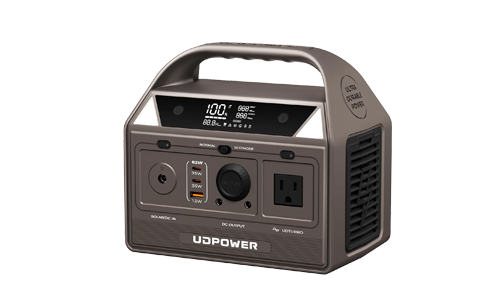
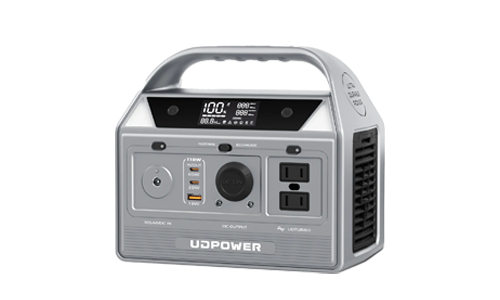
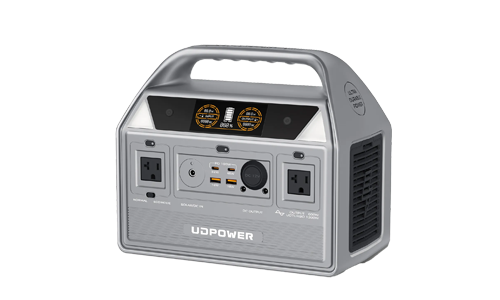
UDPOWER C400 — best for short warmth and compact camping
256Wh400W outputLiFePO44,000+ cycles
The C400 is a compact option for a 12V travel blanket, electric throw, or short emergency warm-up. It is best when you want lightweight backup for a few hours rather than full overnight heating on high.
Best match: short outages, couch warmth, tent camping, car camping, and low-watt throws.
View C400 specs
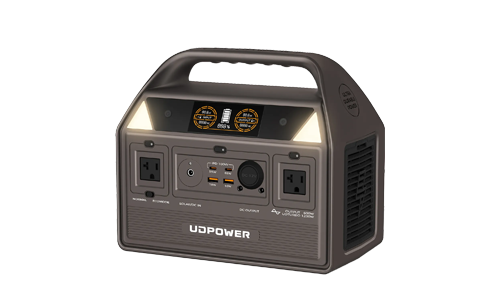
UDPOWER C600 — best value for one blanket overnight on low-medium
596Wh600W output1200W peakLiFePO4
The C600 gives noticeably more runtime than a compact unit while staying easy to carry. It is the practical pick for a low-to-medium electric blanket, phones, small lights, and a router during a short outage.
Best match: weekend camping, vanlife nights, small cabins, and one-person winter backup.
View C600 specs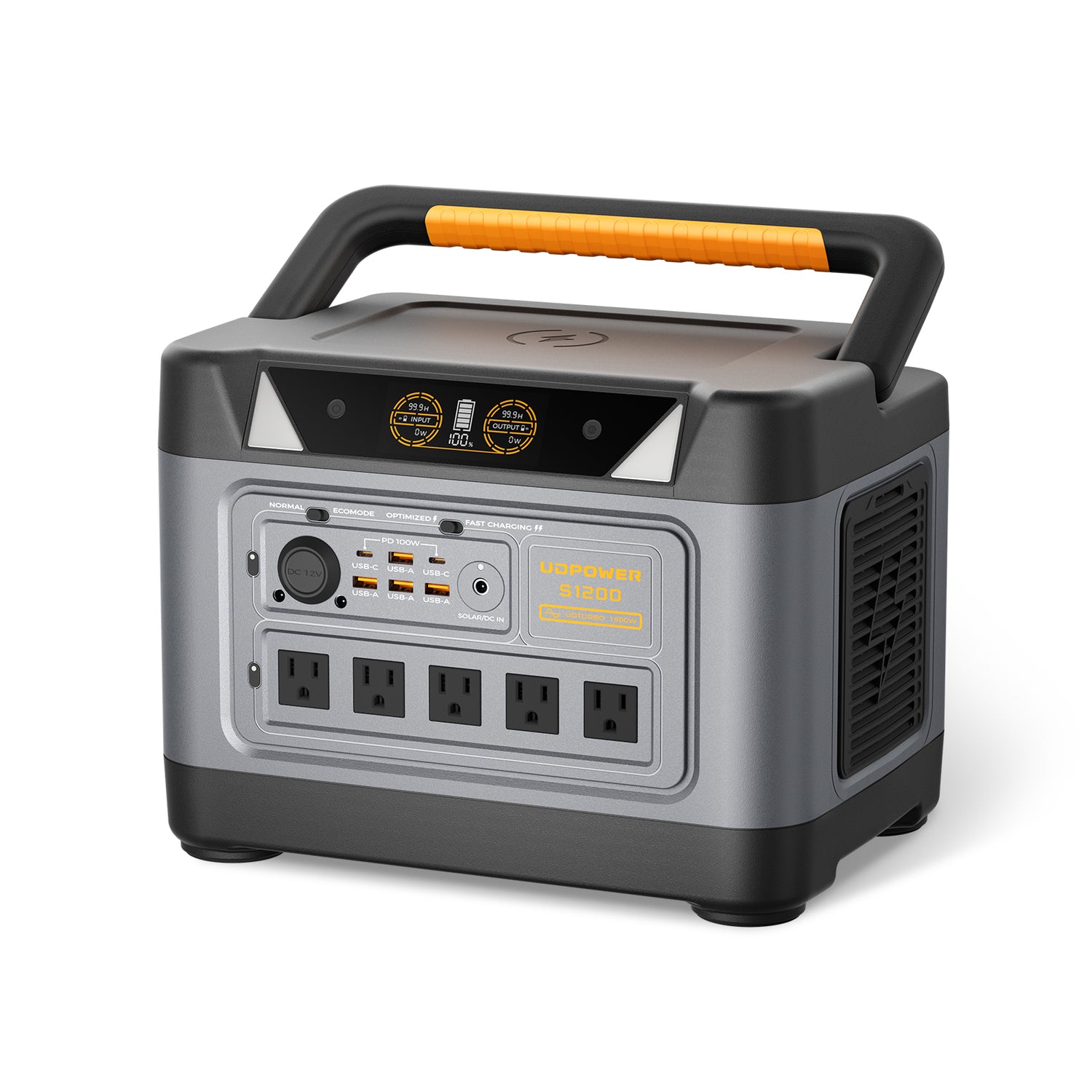
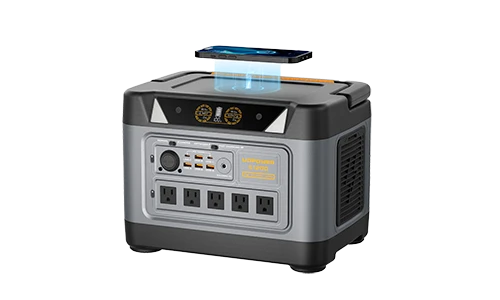
UDPOWER S1200 — best balance for home outage comfort
1,190Wh1,200W output1,800W surge<10 ms UPS
The S1200 is the best fit when an electric blanket is only one part of your winter outage plan. It can support a blanket while also powering small essentials such as phones, lights, a router, laptop, or other low-to-medium loads within the rated limit.
Best match: home backup, RV nights, refrigerator testing, CPAP backup testing where appropriate, and longer winter outages.
View S1200 specs
UDPOWER S2400 — best for multiple blankets and larger backup plans
2,083Wh2,400W output3,000W surge6 AC outlets
The S2400 is the better choice when you need several devices running together. It gives more runtime for one or two blankets and more output headroom for other emergency essentials.
Best match: longer outages, larger households, RV comfort, and multi-device winter backup.
View S2400 specsFor a broader model-by-model view, use the UDPOWER comparison page, browse all portable power stations, or build a sun-rechargeable setup from solar generator kits.
How to make an electric blanket run longer on battery power
Small habits can double the useful runtime because electric blankets do not need to stay on high all night.
- Preheat, then turn down. Run the blanket on high for 15–30 minutes, then switch to low or medium.
- Insulate first. A warm comforter, sleeping bag, mattress pad, and dry socks help the blanket work less.
- Heat the person, not the room. Use the blanket instead of a 1,500W heater when you only need bed or couch warmth.
- Use one side of dual-zone blankets. If only one person needs heat, run only that side if the controller allows it.
- Turn off unused outputs. On a portable power station, shut off AC, DC, or USB sections you are not using.
- Keep the power station in a safe temperature range. Cold batteries and high heat can reduce performance and safety margin.
- Test before the outage. Plug in your exact blanket and watch real watts on the station display.
Electric blanket safety rules you should not skip
Electric blankets are safe when used correctly, but they are still heat-producing electrical products. Treat them with more care than a phone charger.
| Do | Do not | Why it matters | Helpful source |
|---|---|---|---|
| Use the blanket flat and loosely placed. | Do not fold, bunch, tuck tightly, or sit on a heated section. | Folded heating wires can create hot spots. | ESFI electric blanket fire prevention |
| Check the cord, controller, fabric, and plug before winter. | Do not use it if you see dark spots, frayed cords, cracked wiring, or heat damage. | Visible damage can mean internal wire or controller problems. | ESFI electric blanket safety |
| Plug into a proper outlet or a rated portable power station. | Do not use cheap extension cords, overloaded power strips, or loose adapters. | Extra connection points can overheat if they are not rated or secure. | ESFI fire prevention tips |
| Use auto shutoff and timers when available. | Do not leave older or damaged blankets running unattended. | Timers reduce the chance of unnecessary heat buildup. | Fairfax County Fire & Rescue |
| Follow the washing instructions for your exact model. | Do not twist, wring, or wash a blanket against the manufacturer’s instructions. | Damaged internal wiring can create uneven heating or failure. | Fire department safety guidance |
Who should be extra careful?
People with reduced heat sensitivity, limited mobility, diabetes-related nerve issues, young children, older adults, and pets may not react quickly to overheating. Use lower settings, timers, and supervision, and follow the blanket manufacturer’s warnings.
Simple formulas for watts, cost, and battery runtime
You can use these quick formulas for any electric blanket, heated mattress pad, or low-watt winter comfort device.
| Question | Formula | Example | Result |
|---|---|---|---|
| How many watts? | Watts = Volts × Amps | 120V × 0.8A | 96W |
| How much electricity? | kWh = Watts ÷ 1000 × Hours | 100W ÷ 1000 × 8 hours | 0.8 kWh |
| How much does it cost? | Cost = kWh × Electricity rate | 0.8 kWh × $0.182 | About $0.15 |
| How long on battery? | Runtime = Battery Wh × 0.85 ÷ Load watts | 596Wh × 0.85 ÷ 60W | About 8.4 hours |
Best buying choice by scenario
| Your situation | Blanket load | Best UDPOWER fit | Why |
|---|---|---|---|
| One throw blanket for a few hours | 40–80W | C400 | Compact and enough for short, low-watt personal warmth. |
| One blanket through most of the night on low-medium | 40–60W average | C600 | Better runtime while staying easy to carry. |
| One blanket plus router, lights, phones, or laptop | 100–250W total | S1200 | More capacity and output headroom for real outage essentials. |
| Two blankets or longer winter backup | 120–300W total | S2400 | More capacity, more AC outlets, and more margin for multiple devices. |
| Solar-rechargeable winter camping setup | Varies by blanket and other loads | Solar generator kit | Lets you recharge from compatible solar panels during daylight. |
FAQ: electric blanket wattage
Does an electric blanket use a lot of electricity?
No. Most electric blankets use far less power than space heaters. A 100W electric blanket used for 8 hours uses about 0.8 kWh, which is roughly 15¢ at a $0.182/kWh electricity rate.
How many watts is a queen electric blanket?
Many queen electric blankets use about 80 to 120 watts, though some dual-control or extra-warm models can use more. Check the sewn-in tag, controller, or manual for your exact model.
How many watts is a 12V heated blanket?
Many 12V heated travel blankets use around 40 to 60 watts. Because these are often designed for vehicles, check whether the blanket needs a 12V DC outlet or a regular 120V AC outlet before using it with a power station.
Can a portable power station run an electric blanket?
Yes. Electric blankets are usually a good portable power station load because they often draw only 40 to 150 watts. The right station depends on the blanket wattage and how many hours you need it to run.
How long will a 596Wh power station run an electric blanket?
Using an 85% usable AC energy estimate, a 596Wh station can run a 60W electric blanket for about 8.4 hours, a 100W blanket for about 5.1 hours, or a 150W blanket for about 3.4 hours. Lower heat settings may last longer.
Is an electric blanket better than a space heater for battery backup?
For personal warmth, yes. A typical electric blanket may use 50 to 150 watts, while a common space heater uses around 1,500 watts. That difference makes electric blankets much easier to run from a portable power station.
Can I sleep with an electric blanket on?
Follow the blanket manufacturer’s instructions. Modern blankets often include timers and overheat protection, but you should not use damaged, folded, bunched, or old blankets. A safer habit is to preheat the bed, lower the setting, and use auto shutoff when available.
Can I plug an electric blanket into a power strip?
It is safer to plug the blanket directly into a proper outlet or directly into a compatible portable power station. Avoid cheap extension cords, loose adapters, and overloaded power strips because heating products can expose weak connections.
Sources checked for this guide
The wattage, cost, safety, and UDPOWER product sections above were checked against the original article, official UDPOWER pages, and public safety or energy sources.
| Topic | Source | Used for |
|---|---|---|
| Electricity price estimate | U.S. Energy Information Administration | 2026 residential electricity price estimate used in cost tables. |
| Electric blanket fire prevention | Electrical Safety Foundation International | Do not fold, bunch, use damaged cords, or rely on unsafe extension setups. |
| Electric blanket home safety | Fairfax County Fire & Rescue | Practical safety checks and overheating prevention. |
| UDPOWER product lineup | UDPOWER Portable Power Stations | Official capacity, output, LiFePO4 positioning, warranty and model links. |
| C400 specs | UDPOWER C400 | 256Wh capacity, 400W output, LiFePO4 battery, 4,000+ cycle information. |
| C600 specs | UDPOWER C600 | 596Wh capacity, 600W output, 1200W peak, LiFePO4 battery. |
| S1200 specs | UDPOWER S1200 | 1,190Wh capacity, 1,200W output, 1,800W surge, UPS-style feature. |
| S2400 specs | UDPOWER S2400 | 2,083Wh capacity, 2,400W output, 3,000W surge, 6 AC outlets. |
Choose the right power station for winter comfort
If you only need a warm blanket for a few hours, a compact model may be enough. If you want a full-night winter backup plan with lights, phones, router, laptop, or other essentials, choose more capacity and output headroom.