

How Much Does a CPAP Machine Cost? 2026 Price Guide
Last updated: July 9, 2026 · Reviewed for CPAP pricing, insurance questions, Medicare rules, and backup power planning.
A standard CPAP machine commonly costs about $500 to $1,000 before insurance. Auto-adjusting APAP machines usually cost more, BiPAP/BiLevel machines can be much more expensive, and the real first-year cost usually includes masks, tubing, filters, humidifier parts, doctor or sleep-study costs, and optional backup power.
This guide breaks down the machine price, first-year budget, insurance and Medicare rules, replacement supplies, and whether a CPAP battery backup is worth adding for outages, RV travel, camping, or storm season.
Quick Answer: What Should You Expect to Pay?
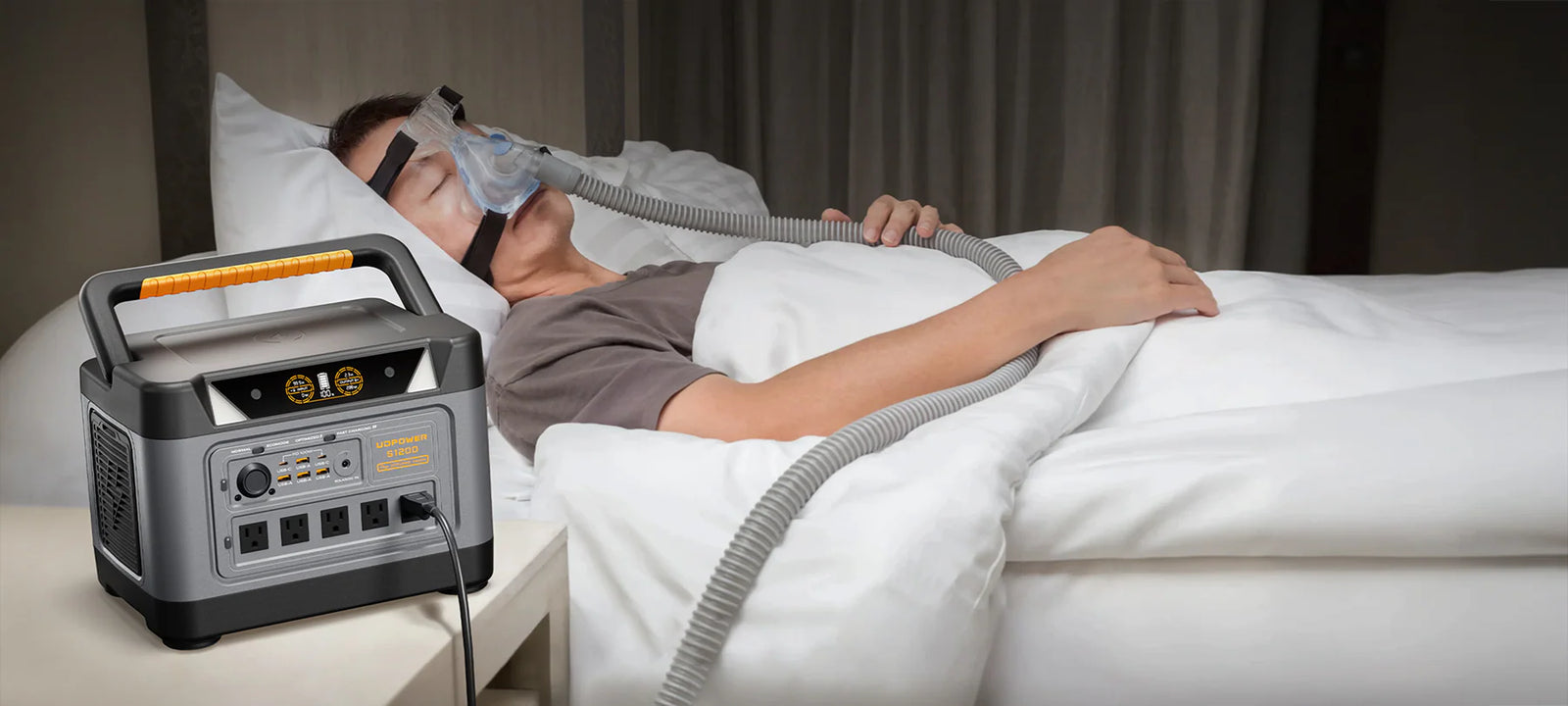
Most U.S. buyers should think in three layers: the CPAP machine, the supplies needed to use it comfortably, and any optional power backup. A basic cash-pay setup may land around $750 to $1,400 in the first year after adding a mask and starter supplies. A comfort-focused or travel-ready setup can move closer to $1,150 to $3,000+, especially if you add heated accessories, a travel CPAP, or a portable power station.
Insurance or Medicare may reduce your upfront cost, but “covered” does not always mean “free.” Your final bill depends on your deductible, coinsurance, supplier network, rental rules, prior authorization, and usage compliance.

CPAP Machine Cost by Type
The biggest price difference comes from the type of positive airway pressure device your provider prescribes. Do not choose a machine only by price. A lower-cost fixed-pressure CPAP can be the right fit for many people, but some users need auto-adjusting pressure or bilevel pressure based on their sleep study, pressure tolerance, or medical history.
| Machine type | Typical cash price | Best fit | Cost notes | Source |
|---|---|---|---|---|
| Standard CPAP | $500–$1,000 | Many first-time obstructive sleep apnea users who need fixed pressure. | Usually the most affordable home PAP category. Humidification may be included or sold as part of a bundle depending on the model. | SleepApnea.org |
| APAP / Auto CPAP | $600–$1,600 | Users who benefit from pressure that automatically adjusts during the night. | Often costs more because of pressure-sensing features, comfort algorithms, data reporting, and advanced humidification options. | Sleep Foundation |
| BiPAP / BiLevel | $1,700–$3,000 | People prescribed separate inhale and exhale pressure settings. | Usually prescribed for more complex pressure needs. Do not buy one unless your provider specifically prescribes it. | SleepApnea.org |
| Travel CPAP | $500–$1,000+ | Frequent travelers, RV users, campers, and people who want a smaller second machine. | The machine may not be cheaper than a home unit. Travel batteries, special cables, and waterless humidification accessories can raise the total cost. | Sleep Foundation |
Plain-English takeaway: make sure you are comparing the same category. A $650 fixed-pressure CPAP and a $1,100 auto CPAP may both look like “CPAP machines,” but they do not behave the same way during sleep.
First-Year CPAP Budget Examples
The easiest way to avoid surprise costs is to separate your CPAP budget into the machine, supplies, medical/insurance process, and optional add-ons. Your actual cost can be lower if insurance covers part of the setup, or higher if you have not met your deductible.
| Budget scenario | Machine | Mask and starter supplies | Replacement supplies | Optional backup power | Estimated first-year total |
|---|---|---|---|---|---|
| Basic cash-pay setup | $500–$800 | $100–$250 | $150–$350 | Not included | $750–$1,400 |
| Comfort-focused home setup | $800–$1,300 | $150–$300 | $200–$450 | Not included | $1,150–$2,050 |
| Travel or outage-ready setup | $700–$1,600 | $150–$350 | $200–$450 | $289.99–$699.99 based on UDPOWER units listed at update time | $1,339.99–$3,099.99 |
| Insurance-assisted setup | Varies by plan, deductible, rental rules, and supplier contract | Varies | Varies | Usually separate unless your plan specifically covers it | Ask your insurer and DME supplier before ordering |
These are planning ranges, not quotes. Prices change, suppliers bundle items differently, and insurance rules vary. The main point is simple: do not budget only for the machine and forget the parts that keep therapy comfortable and reliable.
Does Insurance Cover a CPAP Machine?
In many cases, yes. Health insurance may help cover a CPAP machine when it is medically necessary, prescribed by a qualified provider, and purchased or rented through an approved durable medical equipment supplier. But “covered” does not always mean “free.” Your final out-of-pocket cost depends on your deductible, coinsurance, copay, supplier network, prior authorization rules, and whether the machine is rented before you own it.
Quick Insurance Answer
Most U.S. insurance plans treat CPAP equipment as durable medical equipment, or DME. That means your plan may cover the machine, mask, tubing, filters, humidifier parts, and some replacement supplies if you meet the plan’s medical necessity and usage rules.
Before you order a CPAP machine, call your insurance company and ask: “Is CPAP covered under my DME benefit, what supplier do I need to use, and will this be a rental or purchase?”
Why Your CPAP May Still Cost Money Even With Insurance
Many first-time CPAP users are surprised because the machine is “covered,” but the bill is still higher than expected. This usually happens because the claim runs through DME benefits, not a simple retail purchase.
| Insurance term | What it means for CPAP buyers | What to ask before you order |
|---|---|---|
| Deductible | You may pay the full allowed cost until your annual deductible is met. | “How much of my deductible is left, and will this CPAP order apply to it?” |
| Coinsurance | After the deductible, you may still pay a percentage of the approved amount. | “After deductible, what percentage do I pay for DME?” |
| Copay | Some plans charge a fixed amount for DME, office visits, or follow-up appointments. | “Is there a separate copay for the sleep doctor, sleep study, or DME supplier?” |
| In-network supplier | Your plan may only cover the machine at the best rate if you use an approved DME supplier. | “Which CPAP suppliers are in-network for my plan?” |
| Prior authorization | The insurer may need to approve the machine before it is shipped. | “Does CPAP require prior authorization, and who submits it?” |
| Rental period | Instead of buying the machine outright, your insurer may rent it monthly first. | “Is this rent-to-own, and how many months before I own the machine?” |
| Compliance rule | Some plans require proof that you use the machine enough to continue coverage. | “What usage data do I need to keep coverage active?” |
What CPAP Costs Insurance May Cover
Coverage varies by plan, but these are the items most commonly discussed under CPAP-related DME benefits.
| Item | May be covered? | What to confirm |
|---|---|---|
| CPAP machine | Often yes, with prescription and medical necessity | Ask if it is rental, rent-to-own, or purchase. |
| APAP machine | Often possible if prescribed | Ask whether auto-adjusting CPAP is covered the same as standard CPAP. |
| BiPAP / BiLevel machine | May require stricter documentation | Ask what clinical criteria are needed before approval. |
| Mask | Often yes | Ask which mask types and fitting visits are covered. |
| Tubing | Often yes | Ask whether heated tubing is covered or costs extra. |
| Filters | Often yes on a replacement schedule | Ask how many filters are allowed per month or quarter. |
| Humidifier chamber | Often yes if part of the prescribed setup | Ask how often it can be replaced. |
| Travel CPAP | Varies widely | Ask if a travel unit is considered medically necessary or convenience equipment. |
| CPAP battery backup | Often not automatically covered | Ask directly. Many users buy backup power separately for outages, RV travel, or camping. |
Medicare CPAP Coverage in Plain English
Medicare Part B may cover CPAP therapy when Medicare requirements are met. According to Medicare, after you meet the Part B deductible, you pay 20% of the Medicare-approved amount if your supplier accepts assignment. Medicare also states that it pays the supplier to rent the CPAP machine for 13 months as long as you use it continuously; after 13 continuous rental payments, you own the machine.
Important Medicare Rule: The First 90 Days Matter
Medicare coverage is not just about getting the device. For continued coverage beyond the first three months, CMS policy requires a clinical re-evaluation by the treating practitioner and objective evidence that the patient is using and benefiting from PAP therapy. CMS defines adherence as using PAP for at least 4 hours per night on 70% of nights during a consecutive 30-day period within the first three months of initial use.
Sources: Medicare.gov CPAP coverage and CMS PAP Devices Coverage Policy.
| Medicare step | What usually happens | What the user should do |
|---|---|---|
| 1. Diagnosis and prescription | You need a qualifying sleep apnea diagnosis and a prescription from your treating provider. | Keep copies of your sleep study, prescription, and provider notes. |
| 2. Approved supplier | The supplier must be properly enrolled and should accept Medicare assignment. | Ask whether the supplier accepts Medicare assignment before ordering. |
| 3. 13-month rental | Medicare pays rental payments over 13 continuous months if requirements are met. | Confirm your monthly out-of-pocket amount before accepting the machine. |
| 4. Usage tracking | Your machine may record usage data to show whether therapy is being used enough. | Use the machine consistently, especially during the first 90 days. |
| 5. Follow-up visit | A provider re-evaluation is needed for continued coverage after the initial trial period. | Schedule the follow-up early so you do not miss the required window. |
| 6. Ownership | After 13 continuous rental payments, you own the CPAP machine. | Ask when supply replacement coverage continues after ownership transfers. |
Private Insurance: What to Ask Before Ordering
Private insurance plans often follow a DME process similar to Medicare, but the details can be very different. Some plans require prior authorization. Some only work with certain DME suppliers. Some rent the machine first. Some require compliance data before they continue paying. Others may cover supplies on a fixed replacement schedule.
The safest approach is to call your insurer before ordering and ask for the CPAP benefit in writing or through your member portal. Do not rely only on a product page, retail price, or verbal estimate from a seller.
Call Script: What to Ask Your Insurance Company
- “Is CPAP covered under my durable medical equipment benefit?”
- “Do I need prior authorization before getting the machine?”
- “Do I need to use a specific in-network DME supplier?”
- “Will the machine be purchased outright or rented month by month?”
- “How much is left on my deductible?”
- “What will my coinsurance or copay be after the deductible?”
- “Are the mask, tubing, filters, humidifier chamber, and replacement supplies covered?”
- “What is the replacement schedule for supplies?”
- “Do I need to meet a usage or compliance requirement?”
- “Are travel CPAP machines or backup batteries covered, or are those out-of-pocket?”
Common Reasons CPAP Claims Get Delayed or Denied
If your CPAP claim is delayed, it does not always mean the machine is not covered. Often, the issue is missing paperwork, missing prior authorization, or using the wrong supplier.
| Problem | Why it happens | How to reduce the risk |
|---|---|---|
| No valid prescription | The insurer needs proof that the device was ordered by a qualified provider. | Ask your doctor’s office to send the prescription directly to the DME supplier. |
| Missing sleep study documentation | The insurer may need proof of diagnosis and severity. | Keep your sleep study report and diagnosis notes available. |
| Out-of-network supplier | The machine may cost more or may not be covered at all. | Confirm supplier network status with your insurer, not only with the supplier. |
| No prior authorization | Some plans require approval before the order is filled. | Ask who submits prior authorization and wait for approval when required. |
| Compliance not met | Some plans require proof that the machine is being used regularly. | Use the device consistently and schedule your follow-up appointment early. |
| Accessory billed too soon | Replacement supplies may only be covered on a set schedule. | Ask your supplier when each item is eligible for replacement. |
Where Battery Backup Fits Into the Insurance Conversation
A CPAP battery backup is different from the CPAP machine itself. Insurance may help cover medically necessary CPAP equipment, but backup batteries and portable power stations are often treated as separate purchases unless your plan specifically says otherwise. This is why many CPAP users buy backup power out of pocket for home outages, hurricanes, winter storms, RV travel, camping, or unreliable grid power.
If you are comparing total CPAP cost, separate your budget into two parts: therapy cost and power reliability cost. Insurance may help with the therapy side. Backup power is usually a personal preparedness decision unless your insurer confirms coverage.
Replacement Supplies and Yearly Maintenance Cost
A CPAP is not a one-and-done purchase. Masks stretch, cushions lose their seal, tubing wears out, and filters collect dust. Replacing supplies on time can reduce leaks, noise, discomfort, and poor therapy results.
| Supply item | Typical cost range | Common replacement timing | Why it matters | Source |
|---|---|---|---|---|
| Mask frame | $80–$200 | About every 3 months in many schedules | A worn frame can make the mask harder to seal. | Sleep Foundation |
| Mask cushion | $30–$60 | Often monthly depending on mask type and wear | Cushions soften and leak with nightly use. | Sleep Foundation |
| Headgear | $20–$40 | About every 6 months in many schedules | Elastic loses tension and can cause overtightening or leaks. | Sleep Foundation |
| Air filters | $5–$20 | Disposable filters are often replaced about monthly | Clean filtration helps protect both your airway and the machine. | ResMed |
| Tubing / hose | $20–$60 | About every 3 months in many schedules | Small cracks or worn connectors can cause leaks that are hard to see. | ResMed |
| Humidifier water chamber | $20–$40 | About every 6 months in many schedules | Mineral buildup and wear can affect comfort and hygiene. | Sleep Foundation |
Money-saving tip: do not replace parts blindly if they are still working well, but do not stretch parts so long that leaks ruin therapy. If your insurance covers supplies, ask for the allowed schedule and reorder before a worn cushion or hose forces you to stop therapy for several nights.
Do You Need a CPAP Battery Backup?
A backup battery is optional for normal home use, but it can become important if you use CPAP every night and live in an area with storms, rolling outages, wildfire shutoffs, hurricanes, or unreliable grid power. It also matters for camping, RV trips, truck sleepers, and overnight travel where a wall outlet is not guaranteed.
| CPAP setup | Common power draw for planning | 8-hour energy need | Practical battery advice |
|---|---|---|---|
| Travel CPAP or home CPAP without humidifier | 10–30W | 80–240Wh before conversion losses | A compact power station can work, but leave reserve for pressure changes and cold nights. |
| Home CPAP with low humidifier setting | 40–60W | 320–480Wh before conversion losses | A 500Wh-class power station is a better one-night target. |
| Home CPAP with heated humidifier and heated tube | 70–90W or higher | 560–720Wh before conversion losses | Choose a larger battery or lower the heat settings during outages. |
| CPAP plus router, phone, lamp, or fan | CPAP load plus other devices | Add every device separately | Choose extra capacity instead of planning to use 100% of the battery. |
Simple Runtime Formula
Estimated runtime = battery capacity × 0.90 ÷ CPAP watts
For UDPOWER planning, this article uses 90% conversion efficiency. Actual runtime can change with your pressure setting, mask leak, humidifier level, heated tubing, room temperature, and whether you use AC or a compatible DC cable.
For deeper runtime planning, read UDPOWER’s related guides: How Long Will a CPAP Run on a Battery Backup?, CPAP Power Consumption, and Sleep Apnea Equipment Backup Power.
UDPOWER CPAP Backup Recommendations
Once you know your CPAP machine cost, the next question is whether you need reliable power away from a wall outlet. The choices below are based on UDPOWER’s published product information and CPAP runtime planning using 90% conversion efficiency.
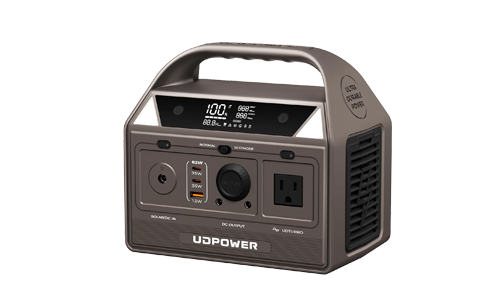
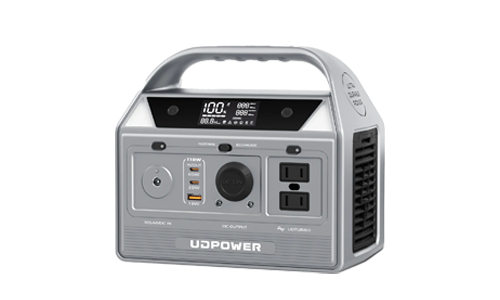
UDPOWER C600 Portable Power Station

The C600 is a practical pick when you want a CPAP backup that is still easy to move around the home or take in a car. It is strongest for CPAP without heavy humidifier use, or for users who can lower humidifier heat during an outage.
- 596Wh LiFePO4 battery
- 600W rated output, 1200W peak surge
- Multiple output ports including AC, USB-C, USB-A, DC, and 12V car outlet
- 4,000+ cycle life listed by UDPOWER
- Listed price at update time: $289.99
- Estimated runtime at 40W: about 13.4 hours
- Estimated runtime at 70W: about 7.7 hours
- Estimated runtime at 90W: about 6.0 hours
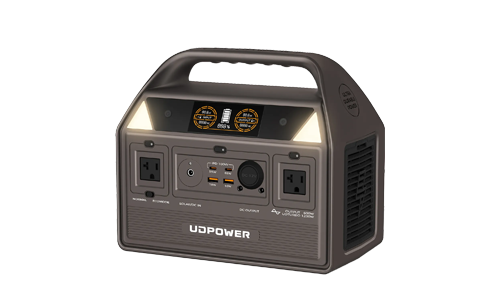
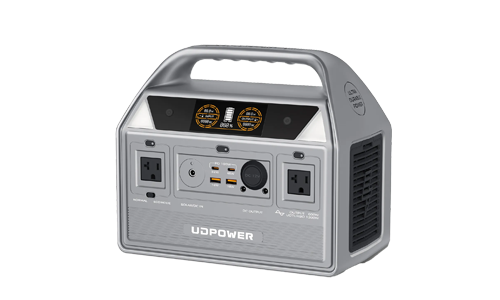
UDPOWER S1200 Portable Power Station
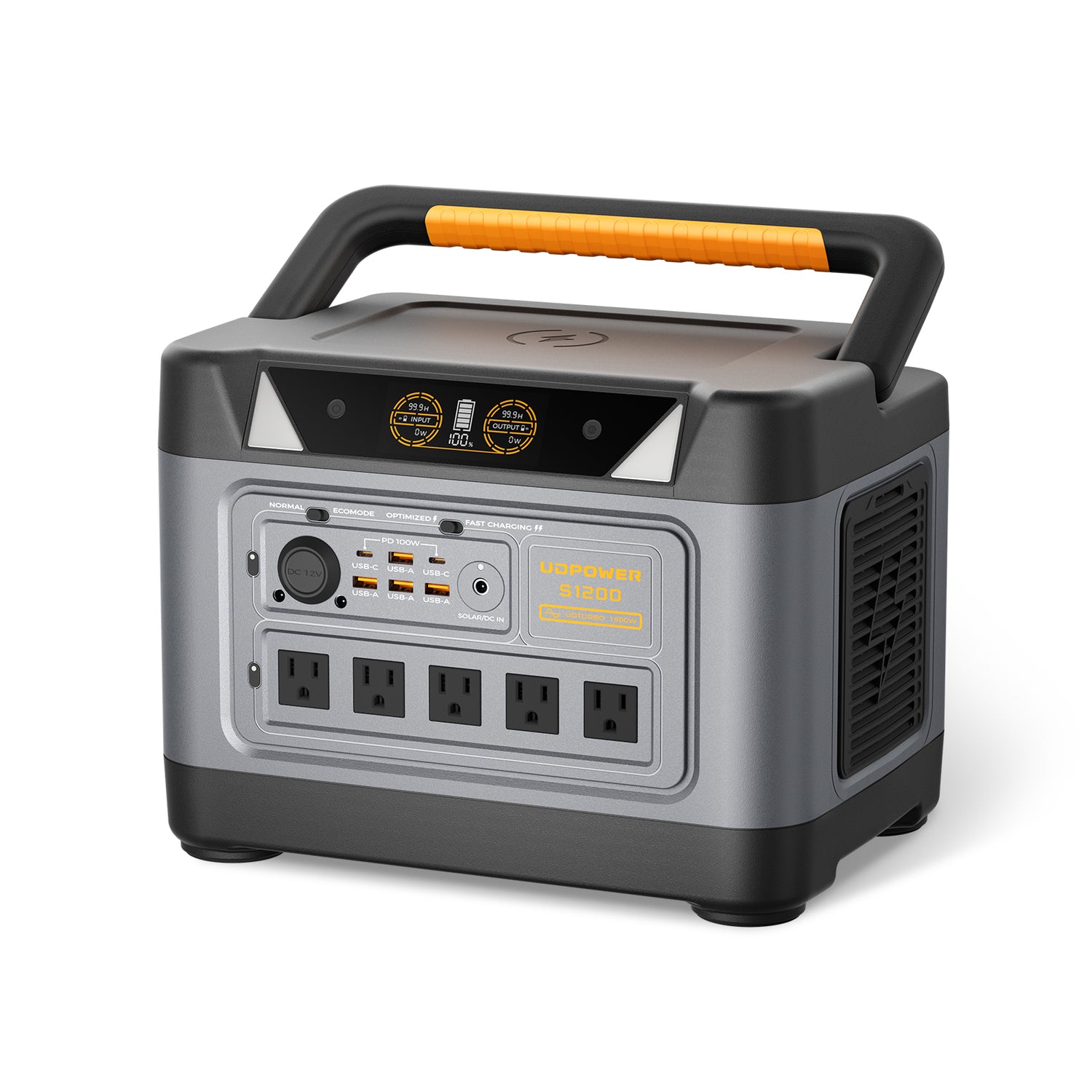
The S1200 is the safer middle ground for most CPAP users who want an overnight buffer plus extra power for a phone, router, small fan, or emergency light. It is a better fit than a small battery if you use CPAP every night and want backup power that also helps during home outages.
- 1,190Wh LiFePO4 battery
- 1,200W rated pure sine wave output, 1,800W surge
- 5 AC outlets + 10 DC outlets
- UPSPRIME switchover listed under 10 ms
- 4,000+ cycle life listed by UDPOWER
- Listed price at update time: $399.99
- Estimated runtime at 40W: about 26.8 hours
- Estimated runtime at 70W: about 15.3 hours
- Estimated runtime at 90W: about 11.9 hours
UDPOWER S2400 Portable Power Station
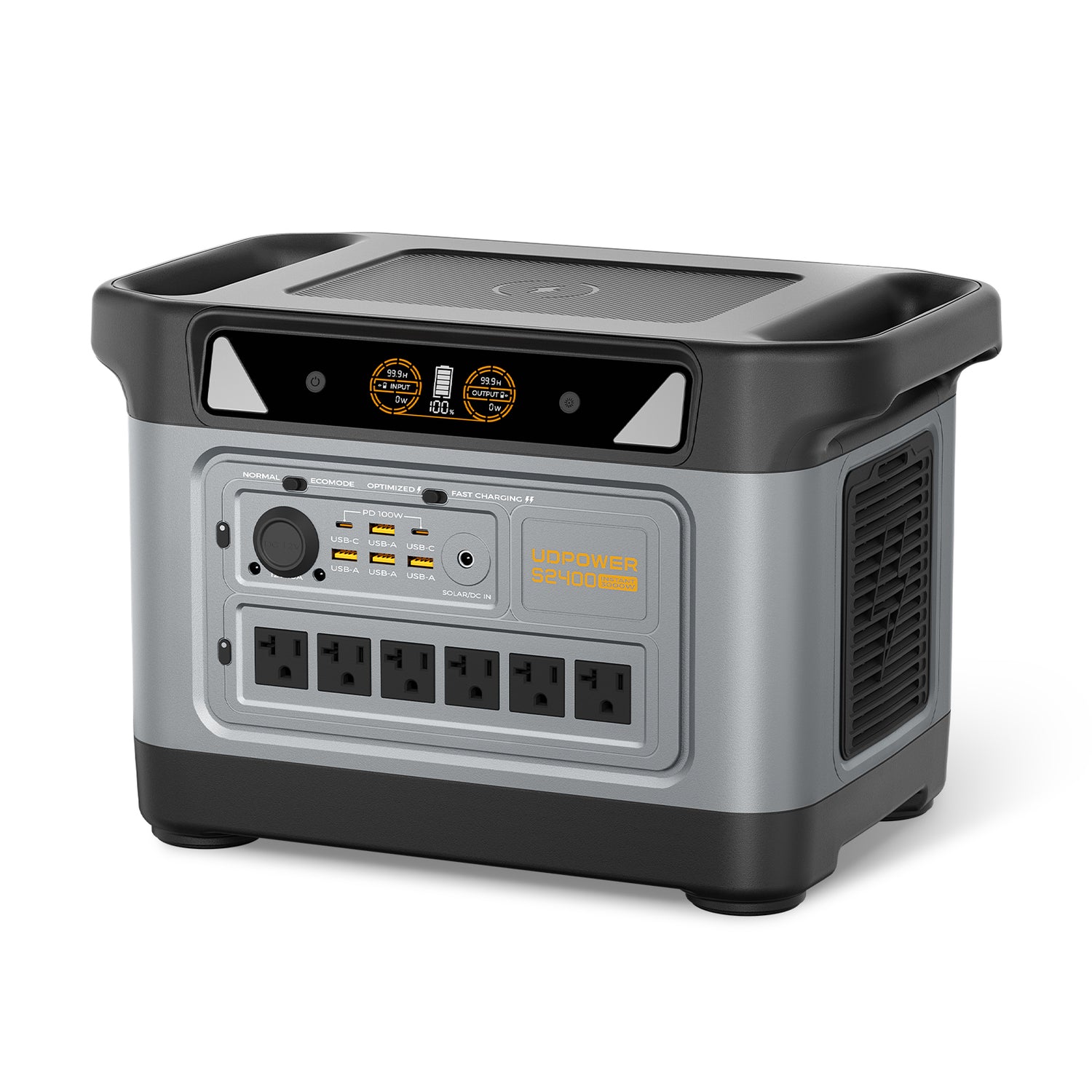
The S2400 is for users who do not want to think only about CPAP. It is better for longer outages, CPAP plus household essentials, RV stays, and situations where you may also recharge phones, run a router, power lights, or support other approved comfort devices.
- 2,083Wh LiFePO4 battery
- 2,400W pure sine wave output, 3,000W surge
- 6 AC outlets + 10 DC outputs
- UPSPRIME switchover listed at 10 ms or less
- Solar charging support up to 400W
- Listed price at update time: $699.99
- Estimated runtime at 40W: about 46.9 hours
- Estimated runtime at 70W: about 26.8 hours
- Estimated runtime at 90W: about 20.8 hours
| Model | Capacity | Rated output | Best CPAP use case | 40W runtime | 70W runtime | 90W runtime | Product page |
|---|---|---|---|---|---|---|---|
| UDPOWER C600 | 596Wh | 600W | One-night CPAP backup, camping, car travel | About 13.4 hr | About 7.7 hr | About 6.0 hr | C600 |
| UDPOWER S1200 | 1,190Wh | 1,200W | CPAP plus emergency essentials, storm season, home backup | About 26.8 hr | About 15.3 hr | About 11.9 hr | S1200 |
| UDPOWER S2400 | 2,083Wh | 2,400W | Multi-day CPAP planning, RV use, CPAP plus more household loads | About 46.9 hr | About 26.8 hr | About 20.8 hr | S2400 |
Browse all CPAP-ready options here: CPAP Battery Backup. For broader emergency and outdoor power setups, see Portable Power Stations, Solar Generators, and the UDPOWER product comparison page.
Safety Note
A portable power station is a backup power source, not a medical device. If uninterrupted PAP therapy is medically critical for you, ask your sleep specialist or equipment provider how much reserve power you should keep and whether your CPAP model should be powered by AC or a compatible DC cable.
CPAP Cost Checklist Before You Buy
Use this list before checking out. It can prevent surprise costs, wrong accessories, and therapy delays.
| Before you pay | What to confirm | Why it saves money |
|---|---|---|
| Prescription | Confirm the exact machine type: CPAP, APAP, BiPAP, or travel CPAP. | Prevents buying a machine that does not match your prescribed therapy. |
| Mask fit | Know whether you need nasal pillows, nasal mask, or full-face mask. | A poor first mask often leads to extra purchases and poor compliance. |
| Humidifier | Check whether humidification is built in, optional, or not supported. | Comfort features can affect both price and battery runtime. |
| Replacement schedule | Ask how often cushions, filters, tubing, and chambers should be replaced. | Turns a one-time purchase into a realistic annual budget. |
| Insurance supplier | Confirm in-network status, assignment, rental terms, and compliance rules. | A covered CPAP can still be expensive if the supplier is wrong. |
| Power backup | Check CPAP wattage with humidifier on and off, then size a battery with reserve. | Prevents buying a backup that cannot last through the night. |
| Return policy | Review return windows for machines, masks, and opened medical supplies. | Medical equipment returns can be stricter than normal electronics returns. |
Related Reading from UDPOWER
- CPAP Battery Backup Collection — compare backup power options for sleep therapy, travel, and home outages.
- How Long Will a CPAP Run on a Battery Backup? — runtime examples based on CPAP wattage.
- How Much Power Does Your CPAP Use? — learn why humidifier settings change energy use.
- Sleep Apnea Equipment Backup Power — broader guidance for PAP machines and outage planning.
- What Can a 1200-Watt Generator Run? — helpful for users comparing CPAP plus home essentials.
FAQ: CPAP Machine Cost
How much does a CPAP machine cost without insurance?
A standard CPAP machine often costs about $500 to $1,000 without insurance. APAP machines usually cost more, and BiPAP machines are commonly much more expensive because they provide separate inhale and exhale pressure settings.
Why are some CPAP machines so expensive?
Price rises with auto-adjusting pressure, integrated humidification, heated tubing support, quieter motors, wireless data tracking, travel size, brand support, and advanced pressure algorithms. BiPAP machines cost more because they handle more complex pressure needs.
Does insurance cover CPAP machines?
Many insurance plans cover CPAP when it is prescribed and medically necessary, but your final cost depends on your deductible, coinsurance, supplier network, rental rules, prior authorization, and compliance requirements.
Does Medicare pay for a CPAP machine?
Medicare may cover CPAP therapy under Part B when requirements are met. After the Part B deductible, Medicare states that you pay 20% of the Medicare-approved amount if the supplier accepts assignment. Medicare also states that CPAP is rented for 13 months before ownership transfers, as long as it is used continuously.
What is the Medicare CPAP compliance rule?
CMS defines PAP adherence as use for at least 4 hours per night on 70% of nights during a consecutive 30-day period within the first three months of initial use. Continued coverage also requires clinical re-evaluation and objective evidence that therapy is being used and helping.
Why did my insurance still bill me if CPAP is covered?
The most common reasons are an unmet deductible, coinsurance, copay, rental billing, out-of-network supplier, missing prior authorization, or supplies billed outside the plan’s replacement schedule.
How much do CPAP supplies cost per year?
A practical cash-pay estimate is often a few hundred dollars per year, depending on how often you replace cushions, filters, tubing, headgear, mask frames, and humidifier chambers. Users with insurance should check the allowed replacement schedule and copays.
Is a travel CPAP cheaper than a home CPAP?
Not always. Travel CPAP machines are smaller, but that does not automatically make them cheaper. Some travel setups require extra accessories such as travel-specific masks, power adapters, DC cables, or battery options.
Should I buy a used CPAP machine?
Be careful. CPAP therapy is prescription-based, and used devices can have hygiene, warranty, setting, and data-history issues. If you are trying to save money, ask your provider about approved suppliers, refurbished options from reputable medical equipment channels, or insurance-supported rental.
Do I need a battery backup for CPAP?
You may not need one for normal home use if your power is reliable. A backup becomes more useful if you live in an outage-prone area, travel in an RV, camp, or cannot safely miss therapy during storms or emergencies.
What size battery do I need for CPAP?
For one night, a CPAP without heated humidification may only need a few hundred watt-hours. With heated humidifier or heated tubing, the same night can require much more. A 596Wh unit such as the UDPOWER C600 can cover many one-night setups, while the UDPOWER S1200 or S2400 gives more reserve for humidifier use or longer outages.
Can a portable power station damage a CPAP machine?
Use a quality power station with pure sine wave AC output and stay within your CPAP power adapter’s rating. Check your CPAP manual and talk with your equipment provider if you are unsure. Many users also use a compatible DC cable when available to reduce conversion losses.
Need CPAP Backup Power for Home, RV, or Storm Season?
Start with your CPAP wattage, decide whether you will use heated humidification, then choose a battery with enough reserve for the full night. UDPOWER’s CPAP backup options cover compact overnight use, stronger home backup, and multi-day outage planning.
View CPAP Battery Backup Options View S1200 for CPAP + Home Essentials Get the CPAP Runtime GuideSources Used for Cost and Insurance Context
External links below open source pages and use nofollow. Product specifications and images are from UDPOWER product and collection pages.
Related Articles


1 comment
I have one for sale