Best Camping Gear Under $100: What Is Actually Worth Buying?
Latest updated: July 7, 2026
You can build a useful camping kit without buying expensive gadgets first. The best under-$100 camping gear usually solves one of five real problems: sleeping better, seeing clearly at night, keeping food and water safe, fixing small failures, or staying powered long enough for basic devices.
Quick Answer
If your budget is under $100 per item, start with a quality headlamp, a warm-enough sleeping pad or bag, a compact stove or cook kit, a water container or filter, a first-aid and repair kit, a tarp, dry bags, and a simple camp chair. Skip novelty gadgets until your sleep, water, light, and safety setup is covered.
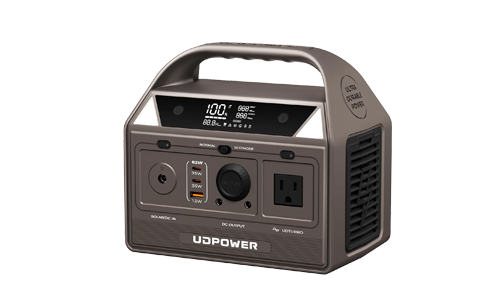
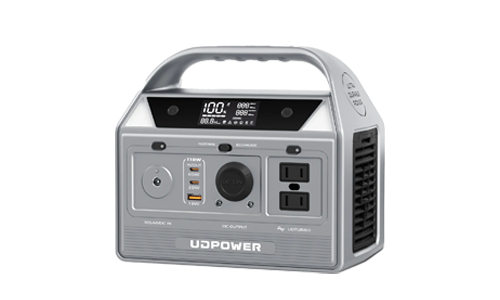
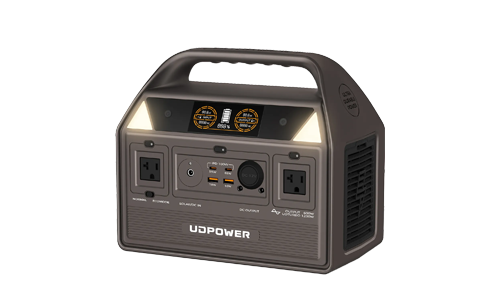
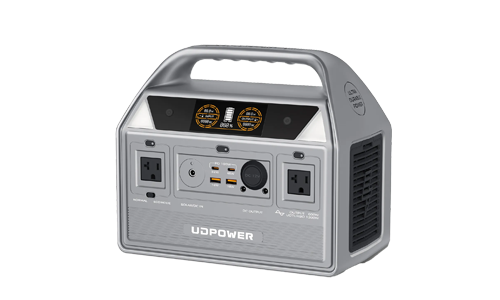
For campsite electronics, an under-$100 power bank can handle phones and small lights. If you want to run a fan, laptop, CPAP, camping fridge, projector, or multiple devices, that moves beyond the $100 accessory category and into a portable power station such as the UDPOWER C400, UDPOWER C600, or UDPOWER S1200.

How to Choose Camping Gear Under $100
The smartest budget camping gear is not the cheapest item on the shelf. It is the piece of gear that prevents discomfort, confusion, wasted time, or a ruined night. Before buying anything, ask these five questions:
The $100 Test
- Will I use it every trip? A headlamp, water container, tarp, and repair tape usually beat “cool” camp gadgets.
- Does it solve a real campsite problem? Cold ground, weak lighting, wet gear, dead phone, messy cooking, no clean water.
- Will it fail when wet, dusty, or dropped? Camping gear should survive normal abuse.
- Is it easy to pack and find? Small gear that disappears in a bin becomes useless at night.
- Does it reduce risk? First aid, lighting, water treatment, fire safety, and weather protection should come before comfort extras.
A good rule for first-time campers: spend your first $100 upgrades on sleep, light, and water. A campsite is much less fun when you are cold, cannot see, or run out of clean drinking water.
Best Under-$100 Camping Gear by Priority
Prices change often, so treat the ranges below as normal shopping ranges instead of guaranteed current prices. The goal is to help you decide what deserves space in your gear bin.
| Priority | Gear to Buy | Typical Budget Range | Why It Matters | What to Check Before Buying | Best For |
|---|---|---|---|---|---|
| Must-have | LED headlamp | $20–$60 | Keeps both hands free for cooking, tent setup, bathroom trips, and nighttime repairs. | Comfortable strap, red-light mode, lock mode, water resistance, easy battery replacement or USB charging. | Everyone |
| Must-have | Sleeping pad upgrade | $35–$100 | The ground steals heat and comfort. A pad often improves sleep more than a thicker blanket. | R-value for cooler nights, packed size, inflation method, patch kit availability. | Tent campers |
| Must-have | Compact first-aid kit | $15–$50 | Handles cuts, blisters, minor burns, stings, and common campsite problems. | Blister care, antiseptic, gauze, tape, gloves, pain relief, personal medications. | Every trip |
| Must-have | Water container or water filter | $20–$80 | Water is heavy, easy to underestimate, and not always available near the site. | Capacity, leak resistance, cleaning access, filter replacement cost if using a filter. | Car camping, dispersed camping |
| High value | Camp tarp with guylines | $25–$90 | Adds shade, rain protection, a dry cooking area, or a cleaner ground layer. | Reinforced corners, included lines, packed size, true dimensions. | Rainy or sunny campsites |
| High value | Two-burner or compact stove | $35–$100 | Makes meals easier and avoids relying on campfires, which may be restricted. | Fuel type, wind performance, simmer control, stable pot support. | Camp cooking |
| High value | Cook kit and utensil set | $20–$70 | Prevents messy meal prep and reduces disposable waste. | Pot size, nesting design, handle safety, easy cleaning. | Weekend camping |
| High value | Rechargeable lantern | $20–$80 | Lights the tent, picnic table, or cooking area better than one phone flashlight. | Runtime on low mode, warm light setting, hanging loop, USB charging. | Families, groups |
| Comfort | Camp chair | $25–$90 | A real seat makes cooking, reading, campfire time, and long evenings more comfortable. | Seat height, packed size, weight rating, cup holder, fabric strength. | Car camping |
| Comfort | Camping pillow | $15–$50 | Small item, big sleep improvement. Better than stuffing clothes into a bag. | Washable cover, noise, support, packed size. | Light sleepers |
| Protection | Dry bags or packing cubes | $15–$50 | Keep clothes, electronics, and bedding organized and dry. | Roll-top seal, clear labeling, different sizes. | Wet climates, family bins |
| Repair | Gear repair kit | $10–$40 | Fixes torn tent mesh, broken buckles, leaking pads, loose poles, and ripped fabric. | Repair tape, cordage, zip ties, safety pins, pole sleeve, mini multitool. | Everyone |
| Bug control | Head net, repellent, or bug shelter accessory | $10–$80 | Cheap bug protection can save an entire trip in mosquito-heavy areas. | Local insect pressure, skin sensitivity, ventilation, packed size. | Summer camping |
| Power basics | USB power bank | $25–$80 | Enough for phones, small lights, earbuds, and emergency top-ups. | USB-C output, pass-through limits, actual Wh rating, cable quality. | Phone-only power |
Budget Gear Bundles by Camping Style
A backpacker, car camper, and family campsite do not need the same under-$100 upgrades. Use the table below to avoid buying gear that looks useful online but does not match your trip.
| Camping Style | Best Under-$100 Upgrades | Why This Bundle Works | What to Avoid First |
|---|---|---|---|
| First-time car camping | Headlamp, sleeping pad, lantern, water jug, chair, repair tape | Improves comfort immediately without requiring ultralight gear. | Decor lights, oversized kitchen kits, fragile gadgets. |
| Weekend tent camping | Tarp, better stakes, dry bags, compact stove, first-aid kit | Handles weather, meals, and small failures that often ruin short trips. | Cheap air mattresses with no insulation rating. |
| Family campground | Rechargeable lantern, large water container, bin organizer, camp chairs, dishwashing kit | Reduces chaos at the table, tent, and parking area. | Tiny backpacking cookware that cannot serve a group. |
| Dog-friendly camping | Long lead, collapsible bowl, tick remover, towel, LED collar light, extra blanket | Keeps pets visible, hydrated, cleaner, and safer around the campsite. | Leaving pet water, leash, and bedding as last-minute items. |
| Dispersed camping | Water filter, extra water storage, trowel, trash bags, repair kit, power bank | You cannot rely on campground taps, trash cans, or nearby help. | Assuming a campsite will have water or toilets. |
| Comfort camping | Fan, lantern, pillow, chair, table, storage bin, USB power bank | Turns a basic campsite into a comfortable basecamp. | Buying comfort gear before planning enough power. |
What Not to Buy First
A lot of under-$100 camping gear looks clever but solves a small problem while ignoring a bigger one. These items are not always bad, but they should come later.
Skip These Until Your Basics Are Covered
- Decorative string lights: nice for photos, but a headlamp and lantern matter more.
- Oversized utensil sets: most campers need fewer tools than they think.
- Cheap “survival” kits: many include low-quality tools you would not trust in bad weather.
- Single-use cooking gadgets: buy a reliable stove, pot, knife, and cleaning setup first.
- Tiny solar chargers: useful for emergency trickle charging, but too slow for most campsite power needs.
- Low-quality air beds: they may feel comfortable indoors but can be cold, bulky, and easy to puncture outdoors.
When Cheap Camping Gear Needs Real Power
Many under-$100 camping items now use USB charging: headlamps, lanterns, fans, speakers, water pumps, camera batteries, and rechargeable lighters. A small power bank is enough if you only charge a phone and one light. It is not enough when your campsite depends on several devices overnight.
| Device | Typical Power Need | Under-$100 Power Bank Fit? | When to Use a Portable Power Station |
|---|---|---|---|
| Phone | Small battery top-ups | Yes | Only if several people need multi-day charging. |
| Headlamp or lantern | Low USB charging need | Yes | Useful if you also run fans, laptops, or a fridge. |
| Rechargeable camping fan | Low to moderate overnight demand | Sometimes | Use a power station for all-night fan use or multiple nights. |
| Laptop | Moderate USB-C or AC demand | Limited | Use a power station for remote work, editing, or repeated charging. |
| CPAP machine | Overnight medical sleep device | No for most setups | Use a properly sized power station and test before the trip. |
| Camping fridge | Runs for many hours and cycles on/off | No | Use a power station with enough Wh capacity and DC output if supported. |
| Projector or coffee maker | Higher AC load | No | Use a power station with enough rated AC output and surge headroom. |
Simple campsite power rule
If it only charges by USB and fits in your pocket, a power bank may be enough. If it runs from a wall outlet, runs overnight, keeps food cold, supports sleep, or serves several people, plan around watt-hours and consider a portable power station.
For deeper planning, use the UDPOWER Portable Power Station Runtime Calculator.
Recommended UDPOWER Camping Power Options
These products are not “under $100 camping gear.” They are the next step when budget accessories are no longer enough for real campsite power. Choose based on what you need to run, not just the lowest price.

UDPOWER C400 — Best for Light Camping and Short Trips
Choose the C400 if your campsite is mostly phones, lights, camera batteries, a small fan, a laptop session, and emergency car jump-start support. It is the most portable option in this list and fits best after you already have the under-$100 basics covered.
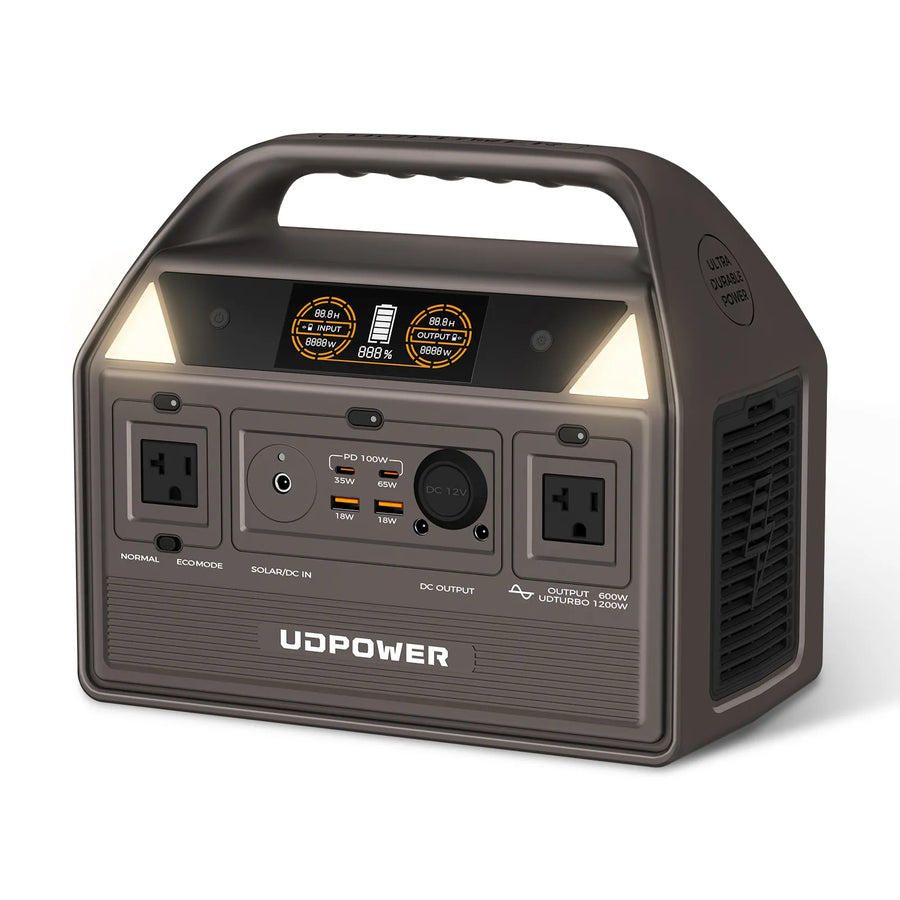
UDPOWER C600 — Best Middle Ground for Weekend Camping
Choose the C600 if you want more breathing room for a fan, lights, laptop charging, camera gear, and a small cooler or compact fridge with careful runtime planning. It is a practical upgrade for two-person or small-family weekend trips.
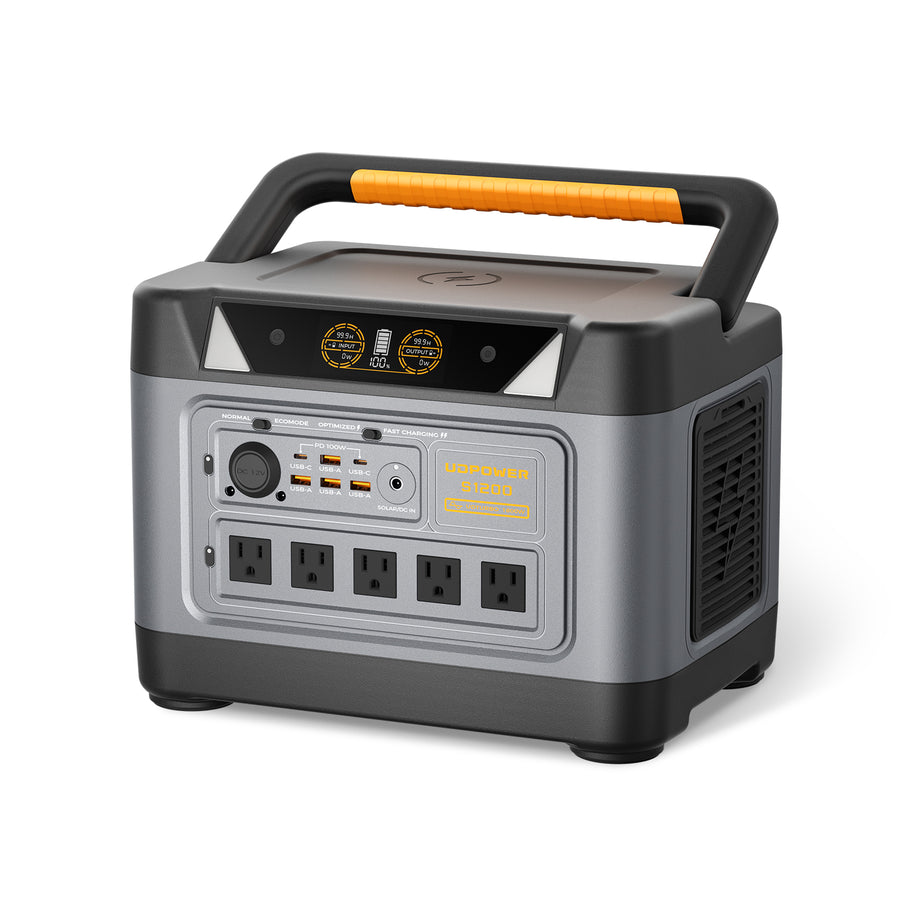
UDPOWER S1200 — Best for Comfort Camping, CPAP, Fridge, and Family Use
Choose the S1200 if you want to power a more comfortable campsite: CPAP, portable fridge, fan, laptop, lights, camera charging, and short appliance use within output limits. This is the better fit when the campsite has multiple people or overnight loads.
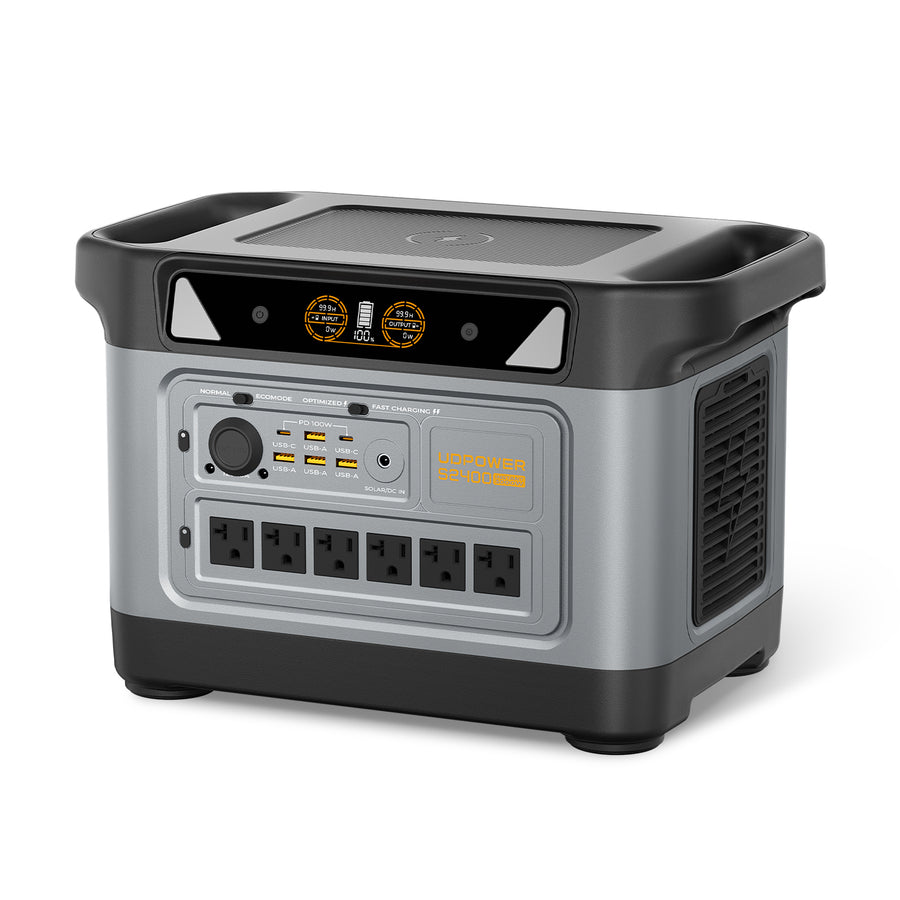
UDPOWER S2400 — Best for RV Camping and Basecamp Headroom
Choose the S2400 for larger campsite setups, RV trips, multi-device charging, fridge use, coffee makers within limits, projector nights, and longer off-grid stays where extra output and capacity matter more than pack weight.
| UDPOWER Model | Best Camping Fit | Capacity | AC Output | Weight | Official Source |
|---|---|---|---|---|---|
| C400 | Light camping, short trips, phones, lights, small fan, laptop top-ups | 256Wh | 400W total, 800W surge | About 6.88 lbs | C400 product page |
| C600 | Weekend camping, lights, fan, laptop, camera gear, small cooler planning | 596Wh | 600W, 1200W max | 12.3 lbs | C600 product page |
| S1200 | Comfort camping, CPAP, fridge, family campsite, short appliance use | 1191Wh | 1200W, 1800W max | About 26.0 lbs | S1200 product page |
| S2400 | RV camping, basecamp loads, more AC outlets, larger appliance headroom | 2083Wh | 2400W, 3000W surge | About 40.8 lbs | S2400 product page |
Common Camping Loads and Runtime Planning
For portable power stations, use this simple planning formula:
Estimated runtime = battery capacity × 0.9 ÷ device watts
This uses a practical 90% usable-efficiency estimate. Real runtime can change with temperature, battery age, device settings, inverter losses, and whether the device cycles on and off.
| Camping Device | Typical Watts | What It Means for Budget Gear | Power Planning Tip |
|---|---|---|---|
| LED lantern | 5–10W | Easy to support with a power bank or compact station. | Use low mode most of the time to stretch runtime. |
| Phone charging | 10–20Wh per full charge | Most under-$100 power banks can handle several charges. | Bring short, durable cables and label them. |
| Rechargeable fan | 10–40W | Small fans are budget-friendly but can drain power overnight. | Test fan speed before relying on it for a full night. |
| Laptop | 45–100W | Can exceed what a normal power bank comfortably supports. | USB-C charging is often cleaner than using an AC adapter. |
| CPAP machine | Varies widely | Not a place to guess or rely on tiny power banks. | Disable heated humidifier if medically appropriate and test at home first. |
| Camping fridge | Often 30–60W average | Capacity matters more than cheap accessory price. | Pre-chill food, keep shade, and avoid frequent lid openings. |
| Coffee maker | 600–1000W+ | Usually beyond small camping batteries and compact units. | A stove or pour-over setup is often more efficient outdoors. |
Safety and Campground Practical Notes
Budget gear should make camping safer, not just cheaper. Before every trip, match your gear to the site rules, weather, water access, fire restrictions, and wildlife conditions.
| Topic | Practical Camping Advice | Helpful Source |
|---|---|---|
| Basic outdoor essentials | Carry lighting, navigation, sun protection, first aid, fire-starting tools, extra water, extra food, and emergency shelter based on trip conditions. | National Park Service: 10 Essentials |
| Camping packing | Plan shelter, water, food storage, lighting, clothing, and safety items before you leave home. | National Park Service: What to Bring Camping |
| Leave No Trace | Pack out trash, protect water sources, respect wildlife, and minimize campfire impact. | Leave No Trace: 7 Principles |
| Generator safety | Never use a fuel-burning generator inside a tent, RV, vehicle, cabin, garage, or enclosed space. Keep it outside and away from openings. | CPSC: Carbon Monoxide Safety |
Power station safety note
A battery-powered portable power station does not burn fuel while powering devices, but it still needs dry, ventilated placement. Keep it away from rain, puddles, wet tent floors, blocked vents, and loose bedding.
FAQ: Camping Gear Under $100
What is the best camping gear under $100 for beginners?
Start with a headlamp, sleeping pad, water container, first-aid kit, tarp, lantern, repair kit, and simple stove or cook kit. These items solve the most common beginner problems: poor sleep, poor lighting, water planning, cooking, weather, and small gear failures.
Can I buy a good tent for under $100?
Sometimes, but be careful. A budget tent may work for fair-weather car camping, but cheaper tents often compromise on rain protection, pole quality, zippers, and ventilation. If rain is likely, a better tarp, seam sealer, and reliable stakes may matter as much as the tent itself.
Is a sleeping pad or sleeping bag more important?
Both matter, but many campers underestimate the sleeping pad. The ground pulls heat from your body, so a decent pad can improve warmth and comfort even when your sleeping bag is acceptable.
Are cheap camping gadgets worth it?
Only if they solve a real problem you have on most trips. Buy basics first: light, water, sleep, cooking, repair, and safety. Decorative lights, novelty cookware, and tiny specialty tools can wait.
Can an under-$100 power bank run my camping setup?
It can usually charge phones, headlamps, earbuds, and small lanterns. It is not the right tool for a CPAP machine, camping fridge, laptop-heavy setup, projector, or multi-person campsite. For those loads, use a properly sized portable power station.
What UDPOWER model is best for budget-minded campers?
For light camping, start with the UDPOWER C400. For weekend camping with more devices, consider the C600. For CPAP, fridge use, family camping, or a more comfortable basecamp, the S1200 gives more capacity and output headroom.
Should I buy solar panels before upgrading camping gear?
Not usually. First make sure your campsite basics are solid. Solar panels make more sense once you already know your daily power needs and have a compatible portable power station to store the energy.
What camping gear should I not cheap out on?
Avoid going too cheap on shelter, sleep insulation, water treatment, first aid, and power for medical or food-safety devices. Saving money is good, but not when the item protects your sleep, hydration, safety, or food.
Build Your Camping Kit the Smart Way
Start with reliable under-$100 essentials, then size your power setup around the devices you actually use. If your campsite includes a fan, laptop, CPAP, fridge, camera gear, or multi-person charging, compare UDPOWER camping models before your next trip.
View camping power stations · View all products · Get a runtime guide
Related Articles