What Is 10/2 Electrical Wire Used For?
This guide explains exactly what 10/2 electrical wire is and when to use it. In residential NM-B, #10 copper is limited to 30 amps, making 10/2 a strong fit for 240-V-only loads that don’t require a neutral. Typical applications include electric water heaters, baseboard heaters, well and irrigation pumps, select mini-split condensers, and certain shop tools, all on a two-pole 30-amp breaker with the white conductor re-identified as hot. You’ll also learn when 10/2 is the wrong choice—modern dryers and ranges that need a neutral, Level-2 EVSE ≥32 A (use 8 AWG/40 A), and long runs where voltage-drop demands upsizing. The article contrasts NM-B and UF-B for indoor vs outdoor/direct-burial use, outlines installation considerations (derating, device matching, permits), and compares 10/2 with 10/3 and 8/2. For temporary 120-V power needs, it highlights UDPOWER LiFePO₄ stations as a portable alternative within their rated output.
10/2 wire is a cable assembly with two 10‑gauge copper conductors (hot and neutral or two hots) plus a grounding conductor. In residential work you’ll typically encounter it as NM‑B (indoor, dry locations) or UF‑B (direct‑burial/outdoor). Because #10 AWG copper in NM‑B is limited to 30 amps by code, 10/2 is commonly used for 30‑amp branch circuits, especially 240‑volt circuits that don’t require a neutral.

What “10/2” Means
- “10” = American Wire Gauge (#10 copper).
- “/2” = two insulated conductors (typically black and white) plus a bare/green ground.
- For 240‑V only loads, the white conductor is re‑identified (tape/marker) and used as a hot; no neutral is present.
Ampacity & Breaker Sizing
Rule of thumb In residential NM‑B cable, #10 copper is limited to 30 A. The most common breaker pairing is a double‑pole 30‑amp breaker for 240‑V circuits, or a single‑pole 30‑amp breaker for 120‑V circuits that truly need 30 A.
Common Uses for 10/2 Wire
- Electric water heaters (many 240‑V models on 30‑A circuits, no neutral needed).
- Baseboard heaters and room heaters on dedicated 240‑V, 30‑A circuits.
- Air compressors, welders (light duty), or small shop tools that specify 240‑V, ≤30‑A supply.
- Well pumps and irrigation pumps (often with UF‑B 10/2 underground to the pump house).
- Mini‑split outdoor units that require a 240‑V branch circuit without a neutral (check nameplate amps).
- RV 30‑amp (TT‑30) extension/riser runs (when permitted and rated components are used; many RV sites are 120‑V/30‑A single‑pole).
When Not to Use 10/2
- Modern electric dryers or ranges: these typically need a neutral. Use 10/3 (dryer) or heavier gauge for ranges.
- Level‑2 EV charging ≥ 30–32 A: 32‑A EVSEs require a 40‑A circuit (use 8/2). A 30‑A circuit supports ≤24‑A continuous EVSE.
- Long runs with high load: consider voltage‑drop. For long feeders, upsizing to 8 AWG may be prudent.
NM‑B vs UF‑B (Indoor vs Outdoor)
| Feature | NM‑B 10/2 | UF‑B 10/2 |
|---|---|---|
| Use | Dry, indoor locations (walls/ceilings) | Wet locations, direct burial, outdoor |
| Jacket | Non‑metallic sheath | Solid, sunlight‑resistant, moisture‑resistant |
| Common applications | Water heater, baseboard heat | Well pump, shed sub‑feed (with proper disconnect) |
Installation Considerations (High‑Level)
- Breaker and receptacle must match the wire ampacity and device rating (e.g., 30‑A breaker with 30‑A device).
- 240‑V loads that don’t need neutral: re‑identify the white conductor at both ends and use a 2‑pole breaker.
- Derating and bundling: multiple current‑carrying conductors in the same raceway/cable can reduce allowable ampacity.
- Local code & permits: always verify the latest NEC/CEC and your AHJ requirements.
10/2 vs 10/3 vs 8/2 (Quick Guide)
| Cable | Conductors | Typical Ampacity (NM‑B) | Typical Use |
|---|---|---|---|
| 10/2 | Hot, white (hot or neutral), ground | 30 A | Water heater, baseboard heat, 240‑V loads without neutral |
| 10/3 | Hot, hot, neutral, ground | 30 A | Dryers needing neutral; 120/240‑V multi‑wire circuits |
| 8/2 | Hot, white (hot or neutral), ground | 40 A | 32‑A EVSE, larger compressors, longer 30‑A runs (voltage‑drop) |
FAQs
Can I use 10/2 for a 240‑V circuit?
Yes, for 240‑V only loads that don’t need a neutral. Re‑identify the white conductor as hot at both ends and use a 2‑pole 30‑A breaker.
Is 10/2 always 30 amps?
In typical residential NM‑B cable, #10 copper is limited to 30 A. Equipment, ambient temperature, conductor count, and distance can change what’s appropriate—always verify with your AHJ and manufacturer instructions.
Can 10/2 run a dryer?
Most modern electric dryers need a neutral (for controls, lights, motor), so they use 10/3. Only a true 240‑V‑only dryer would be compatible with 10/2.
What about EV charging?
A 30‑A circuit supports up to 24 A continuous. Many Level‑2 EVSEs are 32 A and require a 40‑A (8 AWG) circuit. Some 16–24 A EVSEs can run on 10/2 with a 30‑A breaker—check the nameplate.
Portable Power Alternative: UDPOWER
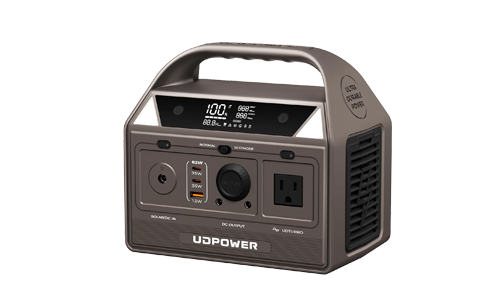
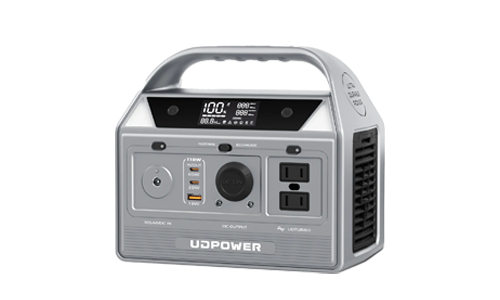
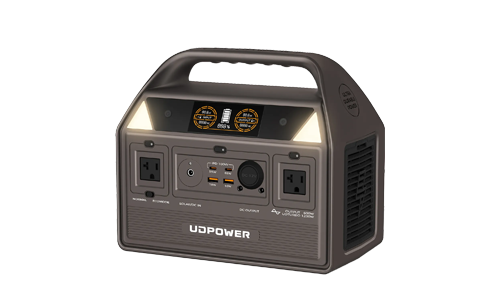
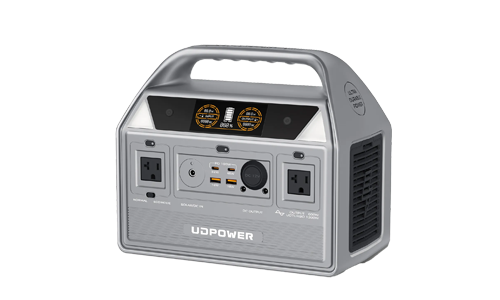
If you’re exploring 10/2 because you need reliable power for tools or outages—but permanent wiring isn’t ideal—consider a portable power station. UDPOWER’s LiFePO₄ units deliver safe, quiet 120‑V AC power for electronics and small appliances (not a substitute for hard‑wired 240‑V loads).
- UDPOWER C600 — 596 Wh capacity, 600 W inverter (1,200 W surge), LiFePO₄ chemistry with 4,000+ cycles, and a 5‑year warranty. Great for job‑site lights, routers, laptops, and small 120‑V tools.

- UDPOWER S1200 — about 1190 Wh LiFePO₄, 1200 W rated / 1800 W surge inverter, fast AC charging (up to 800 W), solar input (up to 400 W), <10 ms UPS switchover, and ports including 5× AC, 2× USB‑C (100 W), 4× USB‑A, 12‑V car, and DC5521. Ideal for home backup of networking, CPAP, small fridge, or corded tools within rating.

These portable options help bridge power gaps without opening walls or pulling new cable. Always verify your device wattage and surge current against the station’s ratings.
Summary
10/2 wire is a go‑to choice for 30‑amp circuits, particularly 240‑V loads without a neutral such as water heaters, baseboard heaters, pumps, and some HVAC equipment. Choose NM‑B indoors and UF‑B outdoors; match the breaker and device ratings; and consider voltage‑drop on long runs. For temporary or portable 120‑V power needs, a LiFePO₄ UDPOWER station like the C600 or S1200 can be a safe, flexible alternative.
<!-- Example: Labeling the white conductor as hot on a 240-V-only 10/2 branch -->
// Panel side: use a 2-pole 30A breaker. Mark the white conductor with red/black tape.
// Device side: re-identify the white lead inside the box. Connect hots to L1/L2, ground to equipment ground.
// Do not use the white as a neutral on 240-V-only loads; no neutral is present in 10/2.
// Always follow the latest NEC/CEC and manufacturer instructions; pull permits where required.
Related Articles