

Top 10 Appliances that Use the Most Electricity in Your Home
If your electric bill keeps creeping up, you’re not alone. In the U.S., the average home now uses around 800–900 kWh of electricity per month, and residential power rates have climbed into the mid–teens (and higher) cents per kWh in many states. That means understanding which appliances are doing the most damage to your bill is more important than ever.
This guide breaks down the top 10 electricity-hungry appliances in a typical American home, with practical tips to cut their usage and examples of how a portable power station like UDPOWER’s C-Series and S-Series can keep your essentials running during outages or off-grid trips.

- How We Ranked the Top 10
- Quick Summary Table
- 1. Heating & Cooling (HVAC)
- 2. Electric Water Heater
- 3. Refrigerator & Freezer
- 4. Clothes Dryer
- 5. Electric Oven & Stove
- 6. Dishwasher
- 7. Lighting
- 8. TV & Home Entertainment
- 9. Space Heaters
- 10. Clothes Washer
- Where UDPOWER Portable Power Stations Fit In
- How to Estimate Your Own Appliance Energy Use
How We Ranked the Top 10
Home electricity use is dominated by a few big categories. According to analyses from EIA and major utilities, the largest year-round contributors are:
- Heating and cooling (especially if you have electric heat or central AC)
- Water heating, particularly with electric tanks
- Large appliances like fridges, dryers, ovens, and dishwashers
- Lighting, electronics, and “always-on” devices
For each appliance below, we combine:
- Typical wattage range
- Reasonable usage assumptions (hours per day or cycles per month)
- Estimated monthly kWh to show relative impact
To keep things simple, kWh estimates are rounded and based on example scenarios, not strict rules. Your home may look very different, but the ranking still helps you see where the biggest savings live.

Quick Summary Table: Top 10 Electricity Users
| # | Appliance / System | Typical Wattage Range | Example Usage | Approx. Monthly kWh* | Why It Adds Up |
|---|---|---|---|---|---|
| 1 | Heating & Cooling (HVAC) | 1,000–5,000W+ | Several hours per day in season | 400–1,400+ | High power draw, long run times in extreme weather |
| 2 | Electric Water Heater | 3,500–4,500W | 2–3 hours per day total | 250–300+ | Works year-round, every shower and laundry load |
| 3 | Refrigerator & Freezer | 100–800W (cycling) | Runs 24/7 with duty cycle | 30–70 | Always on, especially in warm kitchens or garages |
| 4 | Clothes Dryer (Electric) | 2,000–6,000W | 20+ loads per month | 40–120 | High heat for short, intense cycles |
| 5 | Electric Oven & Stove | 2,000–5,000W | About 1 hour, most days | 40–80 | Big heating elements, especially at high temps |
| 6 | Dishwasher | 1,200–2,400W | 10–20 cycles per month | 30–60 | Heating water and drying dishes consumes most of the energy |
| 7 | Lighting (Whole Home) | 100–600W active | 3–5 hours per day | 20–60 | Many small loads that add up across rooms |
| 8 | TV & Home Entertainment | 50–400W | 4–6 hours per day | 20–50 | TV, set-top box, game consoles, streaming devices |
| 9 | Space Heaters (Portable) | 1,000–1,500W | 2–4 hours on cold days | 40–120 (in season) | High wattage; easy to forget how long they run |
| 10 | Clothes Washer | 400–1,300W | 15–20 loads per month | 10–30 | Spin motor plus hot water use (if electric) |
*Example kWh figures are simplified to show relative impact, based on typical wattage, run time, and average U.S. electricity rates. Your numbers will vary.
1. Heating & Cooling (HVAC)

In most U.S. homes, heating and cooling are the single biggest energy users. For many households, this category alone can account for roughly half of total energy use when you include electric furnaces, heat pumps, and central air conditioning systems.
A typical central AC unit or heat pump can draw anywhere from about 1,000W to over 5,000W, and in a hot or cold climate these systems may run several hours per day for months at a time. Some analyses estimate a mid-sized central AC system can consume more than 1,000 kWh per month in very warm climates if used heavily.
How to cut HVAC electricity use
- Use a programmable or smart thermostat to avoid over-heating or over-cooling when you’re away.
- Seal air leaks, insulate attics and crawl spaces, and service your system regularly.
- Use ceiling fans to feel cooler at a slightly higher thermostat setting.
- Close blinds during hot afternoons and let in sun during winter days.
Note: Large HVAC systems are usually too power-hungry for compact portable power stations. In an outage, it’s more realistic to use a unit like the UDPOWER S1200 or C600 to run essential smaller loads (fans, lights, electronics) instead of your entire central system.
2. Electric Water Heater

A standard electric tank water heater often uses between 3,500 and 4,500 watts and can easily be one of the biggest year-round electricity users in your home. Estimates for a typical U.S. electric water heater put annual consumption around 3,000+ kWh, depending on tank size, temperature setting, and household hot-water use.
Ways to save on hot water
- Turn the thermostat down to about 120°F instead of very hot settings.
- Install low-flow showerheads and fix leaky faucets.
- Wash clothes in cold water when possible.
- Insulate hot water pipes and the tank (if your model allows it).
Because electric water heaters have very high wattage, most portable power stations (including UDPOWER units) are not designed to run them directly. Instead, focus backup power on essentials like refrigeration, lighting, and communications.
3. Refrigerator & Freezer

Your fridge and standalone freezer run 24 hours a day and rarely get turned off. Modern ENERGY STAR models are much more efficient than older ones, but they still add up. Typical annual use for a refrigerator is often in the range of a few hundred kWh, with older or poorly located units (garage fridges) using significantly more.
A common mid-size fridge might draw 100–200W while the compressor is on, cycling on and off throughout the day depending on how often you open the door and the room temperature.
How to reduce fridge and freezer costs
- Replace very old units with ENERGY STAR-rated models.
- Keep door seals clean and tight; avoid leaving the door open.
- Set the fridge to about 37–40°F and the freezer around 0°F.
- Avoid placing fridges in hot garages or direct sun if possible.
Running a fridge on a UDPOWER unit
Portable power stations are ideal for keeping your refrigerator cold during short outages. For example, based on official specs:
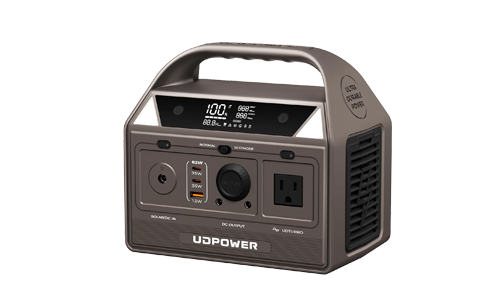
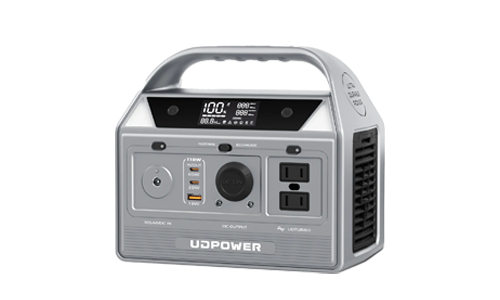
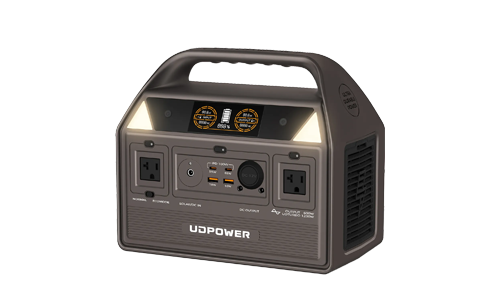
- UDPOWER C600 Portable Power Station — 596Wh capacity, 600W output (LiFePO₄, 4,000+ cycles).Specs from UDPOWER
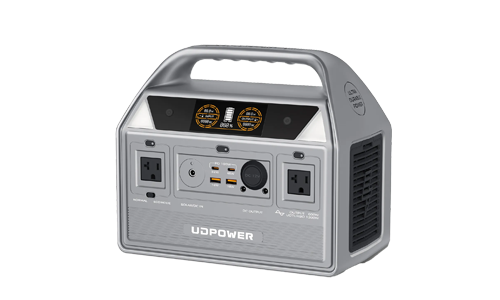
- UDPOWER S1200 Portable Power Station — 1,190Wh capacity, 1,200W output (up to 1,800W max, LiFePO₄, 4,000+ cycles).
If we assume a modest 150W average draw when the compressor cycles, then:
- C600 (596Wh) can keep a fridge running for roughly 3–4 hours of compressor-on time.
- S1200 (1,190Wh) can provide roughly 6–8 hours of compressor-on time.
In real life, the fridge cycles on and off, so your total protected time can be longer, especially if you keep the door closed. Always check the fridge’s actual wattage and start-up surge against the power station’s rating.
4. Clothes Dryer (Electric)

Electric dryers are serious energy hogs. Typical models use around 2,000–6,000W during a cycle, mostly to heat air. Depending on how many loads you run, this can easily reach 40–120 kWh per month or more.
How to cut dryer electricity use
- Hang dry clothes when possible, especially heavy items like towels and jeans.
- Use the sensor dry setting rather than timed dry.
- Clean the lint filter every load to improve airflow.
- Combine small loads and avoid overloading the drum.
Because of their high wattage and long run times, electric dryers are typically not suitable for portable power stations. Focus on air drying during outages and conserving usage during normal operation.
5. Electric Oven & Stove

Electric ovens and cooktops commonly draw between 2,000 and 5,000 watts when heating. If you cook daily, energy use can add up quickly, especially at high temperatures or long baking times.
Energy-saving cooking strategies
- Use a microwave, toaster oven, or air fryer for small portions.
- Avoid preheating too early and keep the door closed while cooking.
- Match pot size to burner size on the stovetop.
- Batch cook meals so you use the oven fewer times per week.
Most large electric ranges exceed the safe continuous output rating of compact power stations. However, smaller countertop appliances (like a 700–1,000W microwave) may be compatible with mid-size units like the UDPOWER C600, as long as you stay under the rated output and surge limits.
6. Dishwasher

Dishwashers use electricity both to heat water and to run the pump and drying cycle. Typical units draw around 1,200–2,400W at peak, depending on the cycle and whether heated drying is enabled.
How to save energy with your dishwasher
- Run only full loads; avoid half-empty cycles.
- Choose eco or energy saver settings when available.
- Turn off or disable the heated dry option and let dishes air dry.
- Scrape, don’t pre-rinse, to reduce water and energy use.
For most households, a modern, efficient dishwasher used wisely can actually be more water-efficient than hand washing. The key is reducing heated cycles and using it smartly.
7. Lighting

Individually, LEDs don’t use much power. But across an entire home, lights can easily add up to 20–60 kWh per month or more, especially in houses that still use incandescent or halogen bulbs.
Lighting tips that pay off all year
- Swap remaining incandescent bulbs for LEDs with warm color temperatures.
- Turn lights off when leaving rooms; motion sensors help in hallways or closets.
- Use task lighting instead of lighting entire rooms at full brightness.
- Maximize natural daylight with blinds and light wall colors.
During an outage, lighting is an area where portable power stations shine. Even the compact UDPOWER C200 (192Wh, 200W) can power a few 10W LED lights and a Wi-Fi router for many hours.
8. TV & Home Entertainment

Your TV, streaming box, game console, and sound system don’t draw as much power as big appliances, but they often run for several hours every day. A modern TV and streaming box can use anywhere from 50–200W combined while on, and some equipment uses standby power even when “off”.
Entertainment energy-saving tips
- Enable power-saving or eco mode on your TV.
- Turn off game consoles completely instead of leaving them in standby.
- Use a smart power strip to cut phantom loads from idle devices.
TV runtime on UDPOWER examples
Assuming a 100W TV and streaming box:
| UDPOWER Model | Capacity | Rated Output | Approx. TV Runtime (100W) | Good For |
|---|---|---|---|---|
| C200 | 192Wh | 200W | ≈ 1.5–2 hours | Short movies, sports highlights |
| C400 | 256Wh | 400W | ≈ 2–2.5 hours | Movie night during an outage |
| C600 | 596Wh | 600W | ≈ 5 hours | Evening of TV plus lights |
| S1200 | 1,190Wh | 1,200W | ≈ 10 hours | Multi-day entertainment with careful use |
Runtimes assume roughly 85% overall efficiency and a steady 100W load. Actual results depend on your exact devices, brightness levels, and what else you plug in.
9. Space Heaters (Portable)

Portable space heaters are usually rated around 1,000–1,500W. That’s similar to a hair dryer running continuously. Using one for a few hours every night in winter can easily add dozens of kWh per month to your bill.
Use space heaters wisely
- Heat only the room you’re in rather than the entire house.
- Use a thermostat or timer to avoid running them all night.
- Dress warmly and use blankets to reduce dependence on electric heat.
Because of their high wattage, space heaters can quickly drain a portable power station and may overload smaller units. Double-check both the heater’s wattage and the power station’s continuous output rating.
10. Clothes Washer

Washing machines use less electricity than dryers, but still contribute to your monthly bill. A typical washer might use 400–1,300W during a cycle, with energy consumption increasing significantly when hot water is used (since the water heater is doing extra work).
How to reduce washer energy use
- Wash with cold water when possible; many detergents are designed for cold cycles.
- Run full loads instead of many small ones.
- Choose high spin speeds to remove more water and reduce dryer time.
In an outage, you’ll usually prioritize refrigeration, lighting, and communications over laundry. It’s possible to power some compact washers from larger power stations, but always check wattage and surge requirements first.
Where UDPOWER Portable Power Stations Fit In
Portable power stations don’t directly lower your regular utility bill, but they can be game-changers for resilience and flexibility:
- Keep fridges, lights, Wi-Fi, and phones running during outages.
- Power essential electronics while camping, RVing, or working on job sites.
- Combine with solar panels to reduce reliance on the grid in mild conditions.
From the official UDPOWER product pages:
- C200 — 192Wh, 200W, 5.4 lbs: ultra-portable, ideal for phones, routers, lights, and small electronics.
- C400 — 256Wh, 400W, 6.88 lbs: hand-sized day kit, can jump-start vehicles and run laptops or mini-fridges for short periods.
- C600 — 596Wh, 600W: a solid choice for fridges, fans, and work gear during short outages or weekend trips.
- S1200 — 1,190Wh, 1,200W: home-backup oriented, LiFePO₄ battery, great for powering a combination of fridge, lights, TV, and networking.
All of these units use long-life LiFePO₄ batteries with thousands of cycles, according to UDPOWER’s official specifications. Always match your appliance wattage to the power station’s rated output and follow the manufacturer’s safety guidelines.
How to Estimate Your Own Appliance Energy Use
Want to know which appliances are eating the most electricity in your home? Use this simple approach:
- Find the wattage (W). Look at the appliance label or manual, or search the model number online.
- Estimate hours of use per month. For example, 2 hours per day × 30 days = 60 hours.
-
Calculate kWh. Use the formula:
kWh = (Watts × Hours) ÷ 1,000. - Multiply by your rate. Check your electric bill or a resource like your utility or state’s average electricity price to find your cost per kWh.
For example, a 1,500W space heater running 3 hours a day for 30 days uses:
- 1,500W × 90 hours = 135,000 Wh = 135 kWh
- At an average of, say, $0.18 per kWh, that’s about $24.30 per month just for that heater.
Once you’ve done this for your top appliances, you’ll clearly see where to focus first — often HVAC, hot water, laundry, and always-on devices. Combine smarter usage, efficient upgrades, and a well-sized portable power station, and you’ll be in much better control of both your comfort and your energy costs.
Related Articles


1 comment
Im renting a two story house. When is the best time of the day to do laundry