Skip to content

Milliamps to Amps (mA to A)

William Zachary
Portable Power Station Knowledge

Updated on April 20, 2026

If you searched “mA to A,” you probably want the answer fast. Here it is: 1,000 mA = 1 A. To convert milliamps to amps, divide by 1,000. But the useful next step is understanding what that current means in real-world watts, device compatibility, and portable power station sizing.

Direct answer

mA to A formula: A = mA ÷ 1,000
1,000 mA = 1 A

Examples:
500 mA = 0.5 A
1,200 mA = 1.2 A
2,000 mA = 2 A
5,000 mA = 5 A

500 mA = 0.5 A 1200 mA = 1.2 A 2000 mA = 2 A 5000 mA = 5 A

What mA and A measure

Both are units of electric current. They do not tell runtime by themselves.

What to do next

To turn current into usable power info, use:

Watts = Volts × Amps

Best buying rule

Use amps to understand current, but choose a portable power station by watts and watt-hours.

Why mA to A matters in real life

The conversion itself is simple. The reason people look it up is usually not. Most of the time, they are trying to:

1
Read a charger, adapter, battery, or device label
and confirm what the current value actually means.
2
Estimate real device power
so they can compare loads in watts instead of just current.
3
Choose a portable power station
that has enough output and enough stored energy for the job.
Example: a 12V device drawing 5A uses about 60W. That is much more useful than “5A” when comparing portable power stations.

How to convert mA to A

The formula is straightforward because milli means one-thousandth.

A = mA ÷ 1,000
1
Find the current in mA
Example: 850 mA
2
Divide by 1,000
850 ÷ 1,000 = 0.85
3
Write the answer in amps
850 mA = 0.85 A
Quick memory trick: move the decimal point three places to the left.

Quick mA to A conversion table

Milliamps (mA) Amps (A) Practical context
100 mA 0.1 A Very small electronics or indicator circuits
500 mA 0.5 A Small USB accessories
1,000 mA 1 A Basic low-draw charging
1,200 mA 1.2 A Routers or light DC equipment
2,000 mA 2 A Common charger range
3,000 mA 3 A Higher-output USB-C devices
5,000 mA 5 A Heavier 5V or 12V accessory loads
10,000 mA 10 A Higher-current DC systems

From amps to watts to portable power station sizing

After converting mA to A, the next important formula is:

Watts = Volts × Amps

Examples:
5V × 2A = 10W
12V × 5A = 60W
24V × 3A = 72W

Once you know the watts, you can start choosing the right power station with enough output headroom and enough watt-hours for runtime.

Don’t buy right at the edge. If your device load is 60W, choosing a power station with comfortable output margin is safer and more practical.

Recommended products by power level

This is the part most readers actually need: once you convert current into watts, what size unit should you look at? Here is a simple product bridge based on common power ranges.

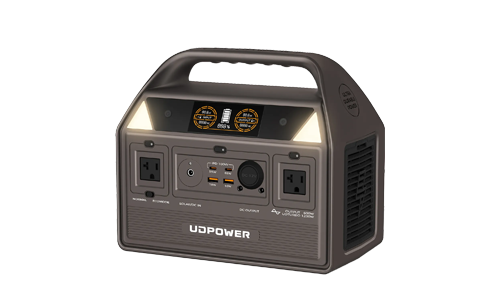
UDPOWER C200 portable power station

UDPOWER C200

Light gear
192Wh 200W output

Best for very small loads such as phones, cameras, lights, routers, and low-power USB or DC devices.

UDPOWER C400 portable power station

UDPOWER C400

Compact daily use
256Wh 400W output

A better fit when you want more headroom for work gear, charging hubs, fans, and short-trip backup.

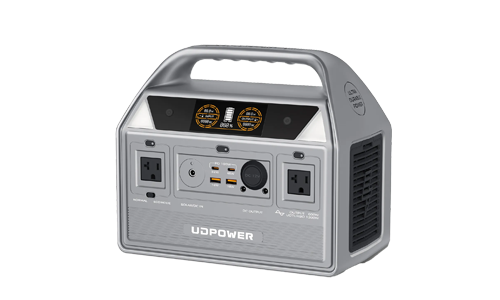
UDPOWER C600 portable power station

UDPOWER C600

Camping + multi-device
596Wh 600W output

A strong middle choice for camping electronics, portable work setups, lights, and moderate weekend loads.
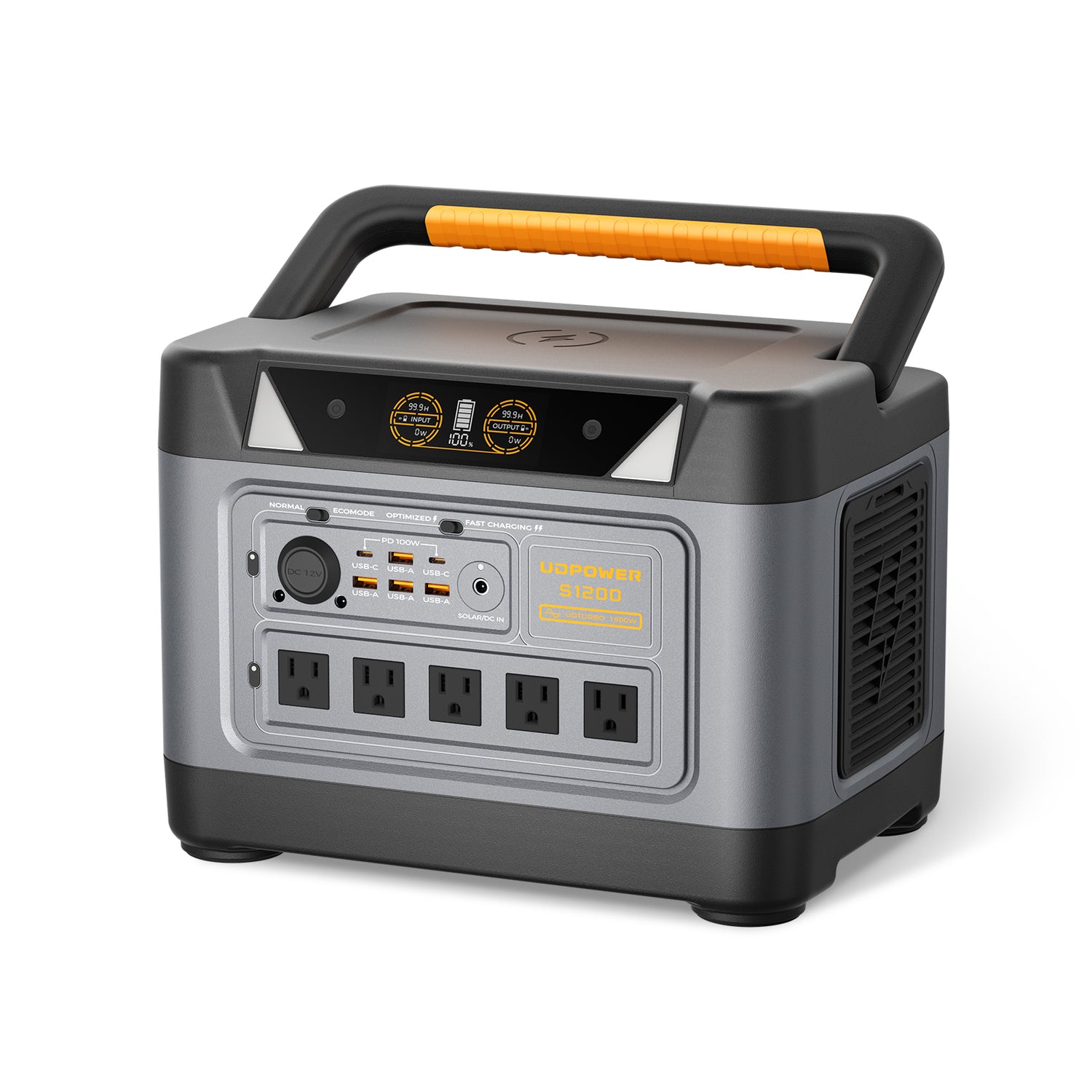
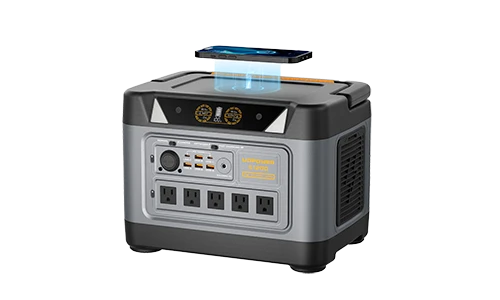
UDPOWER S1200 portable power station

UDPOWER S1200

Home essentials
1,190Wh 1,200W output

A better choice for emergency backup, home office gear, and higher-demand essentials that go beyond compact power stations.
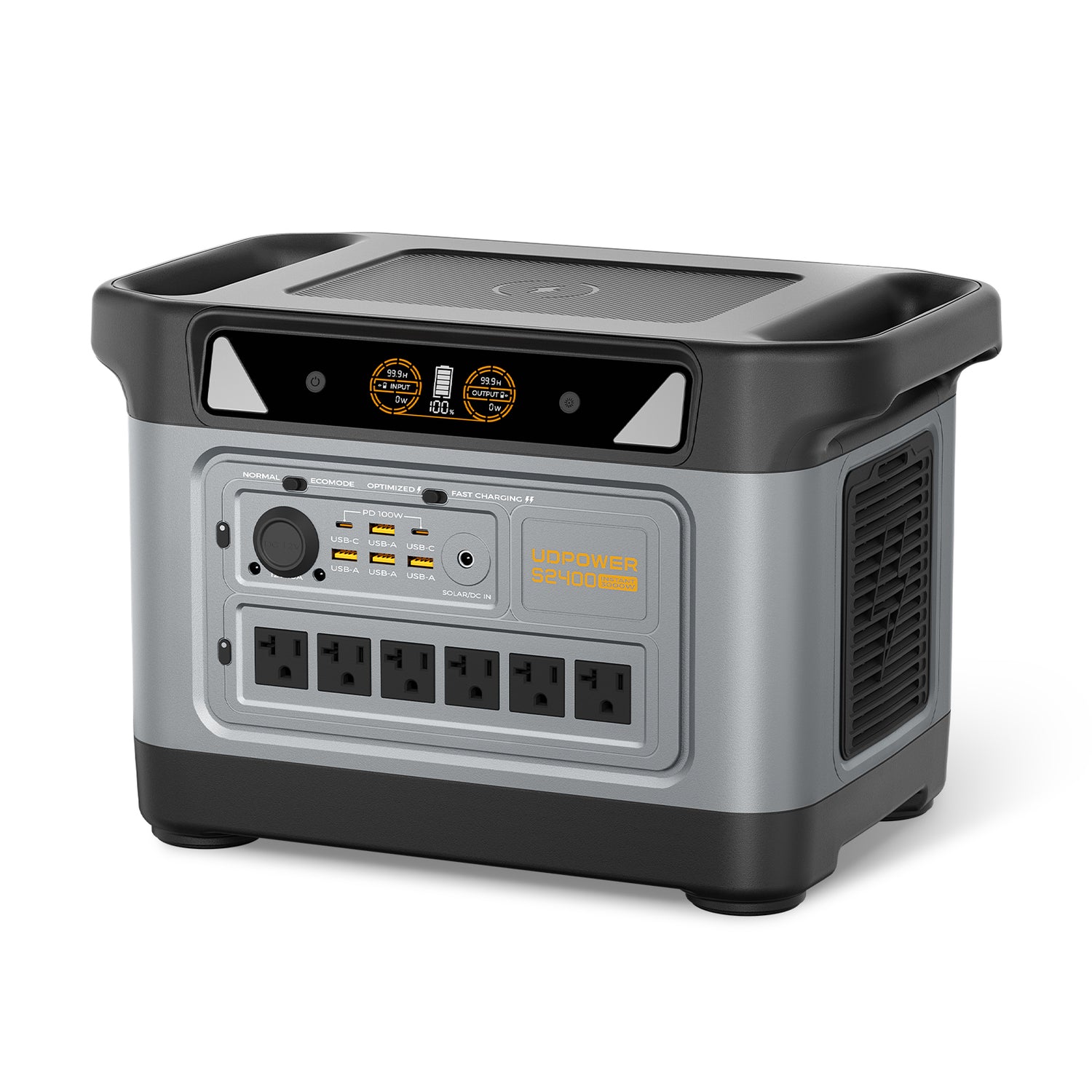
UDPOWER S2400 portable power station

UDPOWER S2400

Heavy-duty backup
2,083Wh 2,400W output

Built for larger appliances, more demanding home backup, RV use, and situations where output headroom matters.

Common mistakes to avoid

1
Confusing mA with mAh
mA measures current. mAh measures battery capacity over time. They are not the same thing.
2
Using current alone to choose a power station
Voltage changes the wattage. You need watts for compatibility and watt-hours for runtime.
3
Buying with no headroom
A little extra margin makes startup loads, inverter losses, and future use much easier to manage.

mA to A FAQ

Is 1,000 mA equal to 1 A? Yes. One amp equals one thousand milliamps.
How do I convert 500 mA to amps? Divide 500 by 1,000. The result is 0.5 A.
Can I choose a power station using mA only? No. Convert to amps, then use volts to calculate watts. After that, compare output watts and battery capacity.
What matters more for runtime: amps or watt-hours? Watt-hours matter more for runtime because they reflect stored energy.

Ready to move from conversion to product selection?

Use the formula to understand your device, then compare real product sizes based on output and runtime.
Back to blog

Leave a comment

Our Best Portable Power Station

Save 35% OFF
UDPOWER C200 Portable Power Station, 200W Pure Sine Wave
192Wh 200W 5.4 lbs
$129.99 $199.99
Save 19% OFF
UDPOWER C400 Portable Power Station
256Wh 400W 6.88 lbs
$169.99 $209.99
Save 19% OFF
UDPOWER C600 Portable Power Station - Brown
596 Wh 600W 12.3 lbs
$289.99 $359.00
Save 46% OFF
UDPOWER S1200 Portable Power Station
1,190Wh 1,200W 26.0 lbs
$349.99 $649.00
My Cart(0 items)

Our Best Sellers
  • Save 35% OFF
    UDPOWER C200 Portable Power Station, 200W Pure Sine Wave
    192Wh 200W 5.4 lbs
    $129.99 $199.99
  • Save 19% OFF
    UDPOWER C400 Portable Power Station
    256Wh 400W 6.88 lbs
    $169.99 $209.99
  • Save 19% OFF
    UDPOWER C600 Portable Power Station
    596 Wh 600W 12.3 lbs
    $289.99 $359.00
  • Save 19% OFF
    UDPOWER C600 Portable Power Station - Brown
    596 Wh 600W 12.3 lbs
    $289.99 $359.00
  • Save 19% OFF
    UDPOWER C600 Portable Power Station - Grey
    596 Wh 600W 12.3 lbs
    $289.99 $359.00