The Ultimate Guide to a Montana Spring Trout Fishing Getaway
A practical guide to planning a Montana spring trout fishing trip, including when to go, where to stay, how to handle runoff, what to pack, and which gear makes travel easier.
A Montana spring trout trip can be one of the best fishing getaways in the West, but only if you plan it around real spring conditions instead of summer fantasy. Spring in Montana means hungry trout, lighter pressure than peak summer, and some of the year’s most memorable hatches. It also means muddy ramps, cold mornings, sudden weather swings, and runoff that can turn a perfect Plan A into a backup-day scramble.
This guide is built for normal anglers planning a real trip, not a vague “dream destination” read. We’ll cover when to go, where to base yourself, how to avoid getting blown out by runoff, what regulations matter before you leave home, what to pack, and which UDPOWER gear actually makes sense for a fishing-focused road trip or cabin stay.

Quick take: If you want the easiest Montana spring trout getaway, build your trip around late March through mid-May, keep a tailwater or spring-creek backup plan, buy your Montana license online before travel, review current regulations and exceptions, and check both current waterbody restrictions and USGS flow data in the days right before you fish. For a southwest-Montana-style trip, Livingston/Paradise Valley, Ennis/Madison, and Craig/Missouri are the easiest places to start.

Why spring is such a good time for a Montana trout trip
Spring is the sweet spot for anglers who want Montana without the full summer circus. You still get classic scenery, good fish, and long enough days to move around, but you are usually dealing with fewer people than prime summer weeks. Just as important, spring is when the trip feels most alive: trout are shaking off winter, bugs start showing in real numbers, and each week has a different personality.
That does not mean every spring day is easy. Some rivers fish beautifully in April, then get ugly fast when runoff arrives. That is why the best Montana spring trip is not “pick one famous river and hope.” The best trip is a flexible trip with a smart base, a flow-check habit, and at least one stable backup water type in your pocket.
| What makes spring worth it | Why anglers like it | What can go wrong | Useful source |
|---|---|---|---|
| Pre-runoff fish can be aggressive | Fish are feeding after winter and subsurface fishing can be very good | A warm spell can push flows up quickly on freestones | Orvis Montana timing guide |
| Spring hatches can be excellent | Midges start early, BWOs show in April, and May can bring bigger bug events | Some days stay cold, windy, or hatch-light | Montana Angling Co spring guide |
| Runoff creates smart backup options | Tailwaters and spring creeks can save a trip when freestones blow out | If you only booked one river, you may get stuck | Madison runoff overview |
| Less pressure than peak summer | Shoulder-season feel, easier tables, easier access, more elbow room | Weather is less forgiving than July | Missouri spring notes |

Best timing: when to book your trip
If you only remember one planning rule, make it this: spring in Montana is not one season. It is a moving sequence. Early spring, mid-spring, pre-runoff, and runoff fish very differently. The calendar matters, but so do snowpack, warm spells, cold snaps, and where you are based.
| Window | What it feels like | Best fit | Watch-outs | Source |
|---|---|---|---|---|
| Early to mid March | Still wintry, but the season starts waking up | Anglers who do not mind cold mornings and want low pressure | Road and weather volatility; not every river is in its groove yet | Spring guide |
| Late March to late April | One of the best “real spring” windows | Bitterroot skwala seekers, Missouri dry-fly fans, Yellowstone pre-runoff gamblers | Cold fronts still happen; flows can yo-yo | Bitterroot skwala / Missouri spring |
| Early May to about mid May | Potentially fantastic if runoff has not fully hit | Yellowstone, Lower Madison, spring creeks, mixed itineraries | This is the window where Plan B becomes mandatory | Yellowstone spring / Runoff backup waters |
| Late May into runoff | High risk, high reward, very water-dependent | Anglers who are willing to pivot hard toward tailwaters and spring creeks | Freestones may go high and dirty fast | Madison runoff timing / Spring creek runoff backup |
Best overall advice for most travelers: If this is your first Montana spring trout getaway, target late April through mid May, but do not book it as a one-river trip. Book it as a region trip with two or three fishable options within easy reach.

Best Montana base areas for a spring getaway
The right base is what turns spring from stressful to fun. In summer, you can get away with building a trip around one famous water. In spring, your base should give you choices. That means nearby access, backup waters, and a practical drive to another river if conditions shift.
| Base area | Why anglers like it in spring | Best fit | Main caution | Useful links |
|---|---|---|---|---|
| Livingston / Paradise Valley | Classic Yellowstone base with access to one of Montana’s best spring storylines plus nearby spring-creek backup | Anglers who want the Montana postcard feel without locking into one water type | Yellowstone can fish great, then turn color when runoff or weather shifts | Yellowstone spring guide / Spring creek option |
| Ennis / Madison Valley | A very strong choice because the Madison gives you more than one personality, and the lower river can stay in play longer than nearby freestones | Anglers who want a classic drift-friendly destination with backup logic built in | Upper-river sections can still get pushed around by runoff timing | Madison guide / Lower Madison in runoff |
| Craig / Missouri River | One of the cleanest answers for a spring trip because the Missouri is a dependable tailwater and kicks into quality spring fishing early | Dry-fly-minded anglers, technical anglers, and travelers who want fewer “blown out” surprises | Can be technical during hatches, and not everyone loves that style | Missouri spring overview / Missouri in April |
| Missoula / Bitterroot side | A great early-season dry-fly-oriented getaway if you want to chase the skwala window | Anglers who want a shorter, more focused spring trip before major runoff takes over | The best window is narrower than many first-timers expect | Skwala timing / Skwala hatch overview |
For a true getaway, not just a hardcore fishing grind, Livingston/Paradise Valley is probably the most balanced answer. It gives you scenery, food, classic river atmosphere, and enough backup logic to keep the trip from falling apart if the Yellowstone changes color. If your main goal is simply to maximize odds and reduce runoff drama, Craig on the Missouri is the safer play.

Licenses, regulations, access, and Yellowstone side notes
Before you think about flies, check the rules. Montana is not a state where you want to assume last year’s regulations still apply. FWP’s current fishing-regulations page notes that the 2025–2026 cycle includes more than 50 regulation changes, and district exceptions matter. That alone is reason enough to look up your specific water before you travel.
| Trip-planning item | What to do | Why it matters | Official source |
|---|---|---|---|
| Fishing license | Buy online before arrival if possible | Saves time, avoids first-morning hassle, and lets you confirm you have the right setup | Montana FWP fishing licenses |
| Current fishing regulations | Read the current regulations page and check water-specific exceptions | Montana’s district rules and exceptions can change; this is not something to wing | Montana FWP regulations |
| AIS angler pass | Make sure you have the required Angler AIS Prevention Pass | FWP says it is required for all individuals who fish in Montana | AIS pass page |
| Boat or raft travel into Montana | Stop at all open inspection stations before launching | All watercraft entering Montana must be inspected before launch | AIS laws and rules |
| River access and public sites | Use Fishing Access Sites and FishMT before the trip | Helps you pre-plan access instead of driving blind in spring mud and wind | Fishing Access Sites / FishMT map |
| Same-week restrictions | Check current restrictions and closures before fishing | Closures, restrictions, and emergency changes can happen outside your original plan | Current waterbody restrictions |
If your trip includes Yellowstone National Park water
This is where many travelers get tripped up. Yellowstone is not just “more Montana water.” It has its own permit system and rules. Anglers age 16 and older need a Yellowstone National Park fishing permit, and most park waters open from the Saturday of Memorial Day weekend through October 31, with some exceptions such as the Firehole, part of the Gibbon, and the Madison opening May 1 while the Yellowstone River opens July 1. The park also requires lead-free artificial lures or flies and barbless hooks or pinched barbs.
That does not make Yellowstone a bad add-on. It just means you should treat it as a separate rules universe and not assume your Montana state setup covers everything.

How to plan around runoff without wrecking the trip
Runoff is the whole game in spring. The best anglers are not the ones who “guess right” once. They are the ones who build a trip that still works when water changes. A good spring trip has three layers:
- Plan A: a classic freestone or bigger river when clarity is right.
- Plan B: a tailwater that usually stays more stable.
- Plan C: a spring creek or lower river option that is less vulnerable to dirty water.
The smartest spring-travel habit
Do not just check the weather app. Check USGS Montana water data, then compare that with FWP restrictions and your shop or guide report the night before fishing. That 5-minute habit is the difference between “we salvaged the day” and “we drove around angry for four hours.”
| If this happens | What it usually means | Better move | Why |
|---|---|---|---|
| Your freestone jumps and turns off-color overnight | Runoff or a warm spell is pushing sediment | Move to the Missouri, a lower Madison option, or a spring creek | Stabler water usually beats stubborn loyalty in spring |
| You see a cold snap after warmer days | Flows may settle and clarity can improve | Re-check your original river before abandoning it | Spring windows can reopen quickly |
| You have only one fishable day left | You need reliability, not romance | Fish the most stable water in range | Protect the trip, then chase scenery later |
| You are boat-based and traveling from out of state | AIS compliance and inspection matter before launch | Build inspection time into the trip, not after you arrive at the ramp | Montana requires inspections for incoming watercraft |

A realistic 4-day Montana spring trout itinerary
This sample is built for the traveler who wants a real spring getaway, not a “fish dawn to dark and ignore everything else” sufferfest. It assumes you want good fishing odds with enough flexibility to survive spring conditions.
| Day | Best move | Why it works | Backup if conditions shift |
|---|---|---|---|
| Day 1 | Fly into your chosen base, settle in, and fish a short evening session close to town | You get a feel for flows, weather, and local access without burning the whole day on driving | Skip fishing and do an access recon if travel runs long |
| Day 2 | Fish your highest-upside water while energy is fresh | This is your “best conditions” swing | If the main river is ugly, pivot immediately to your tailwater or spring-creek option |
| Day 3 | Pick the most stable water and fish smarter, not harder | This is usually the day travelers stop forcing Plan A and start catching more fish | If weather improves, revisit the freestone later in the day |
| Day 4 | Short morning fish, pack, and leave room for travel surprises | Spring roads and weather are easier when you are not rushing a last-minute marathon | Use the morning for a coffee-town reset if conditions are lousy |
The reason this works is simple: spring is a bad time to overbook your own expectations. The anglers who enjoy Montana most in spring are the ones who leave enough room to adjust.

What to pack for a spring trout getaway
Spring packing is where summer habits get exposed. You are not packing for July. You are packing for cold starts, wind, wet ground, extra layers, and at least one day where your first plan probably changes.
| Category | Bring this | Why it matters in spring |
|---|---|---|
| Clothing | Layered shell system, warm midlayer, beanie, brimmed cap, gloves | You can get calm sun, sleet, and wind in the same trip |
| Wading | Waders, wading jacket, extra socks, good boots | Cold water and muddy banks punish weak footwear choices |
| Fishing | Indicators, nymphs, streamers, midges, BWOs, and one spring dry-fly box | Spring is rarely a one-technique trip |
| Travel | Printed access ideas, downloaded maps, snacks, thermos | Cell service is not always where you want it, and spring driving days run long |
| Boat / float | Pump, patch basics, dry bag, inspection plan if entering Montana | Do not make AIS compliance or boat prep an afterthought |
| Power | Phone charging, camera charging, headlamp backup, battery bank or power station | Cold weather and travel days burn battery faster than many people expect |
One practical packing rule: spring trips go smoother when you separate your gear into two systems: fish-now gear and weather-save gear. That means your rods, boxes, and essentials stay easy to reach, while spare layers, charging gear, and dry backups stay organized instead of exploding all over the rental car.

Best UDPOWER picks for a fishing-focused getaway
You do not need a giant “expedition power system” for most trout trips. You need enough clean, quiet power to keep the getaway comfortable and your useful gear alive: phones, camera batteries, headlamps, small camp lights, a laptop, maybe a small pump or cooler-type accessory depending on how you travel. For most anglers, that means choosing by trip style, not by the biggest capacity on the page.
Related reads on your site: portable power setup guide for picnics, fishing, and road trips, how to set up a foldable portable solar panel for maximum efficiency, and 120W vs 210W vs 2×120W solar panels.
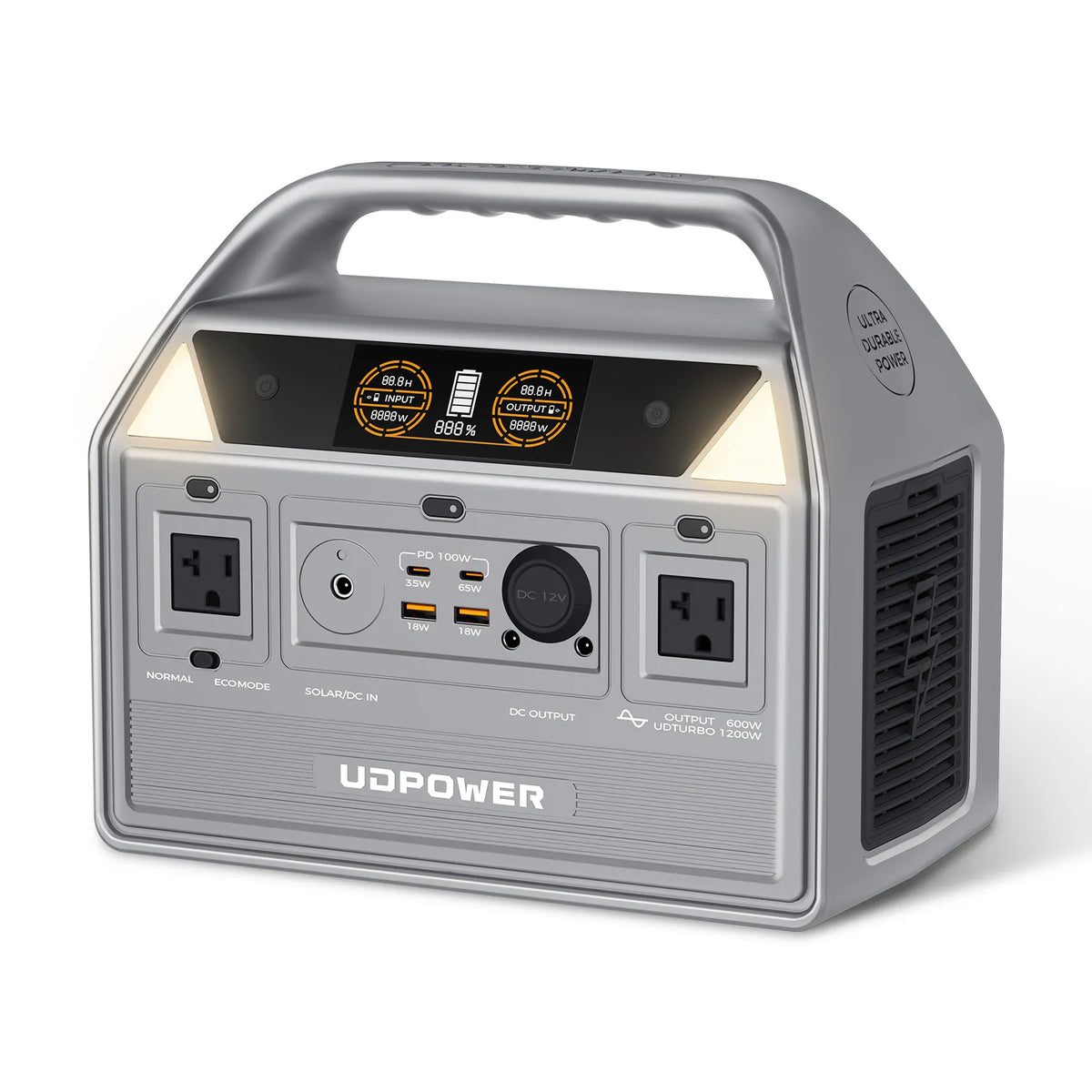
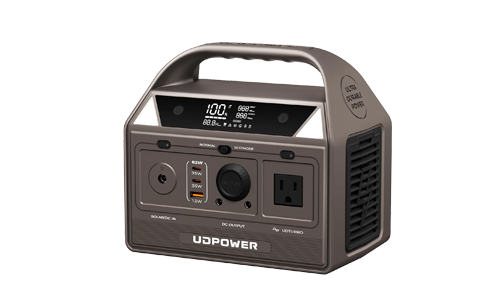
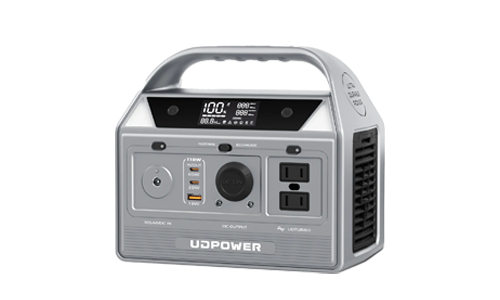
UDPOWER C600
If your Montana trout getaway is built around a rental car, short cabin stays, and lighter daily charging needs, the C600 is the cleanest fit. It is compact enough to travel easily, but still big enough for the boring stuff that actually matters on a trip: phones, cameras, lights, and general battery upkeep.
- 596Wh capacity
- 600W rated output, 1200W peak
- LiFePO4 battery
- 4,000+ cycles
- 2 AC outlets plus USB-C, USB-A, and 12V car output
- 12.3 lb
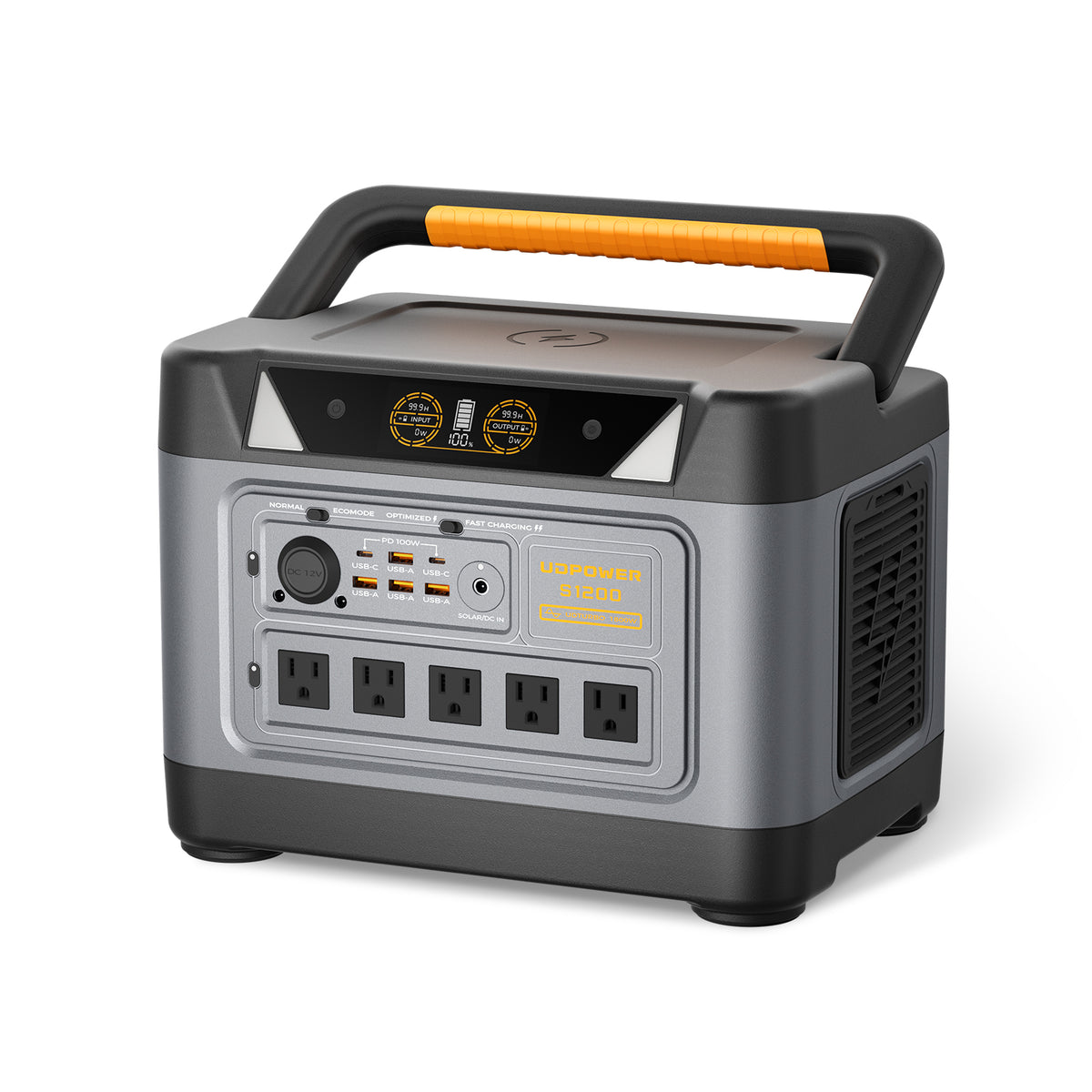
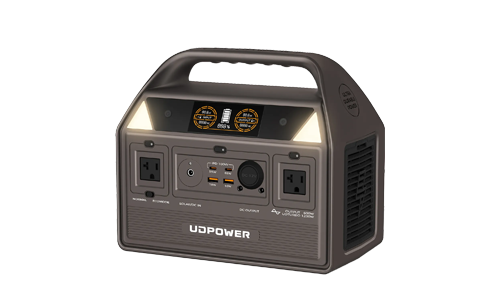
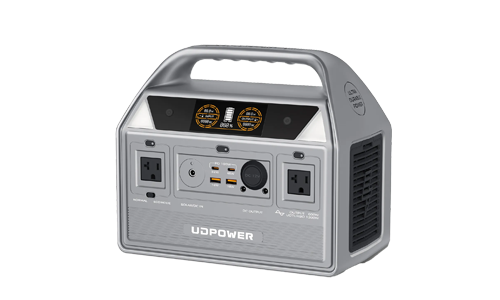
UDPOWER S1200
This is the most balanced option for anglers who are driving, camping light, or splitting time between cabins and river days. It gives you a lot more breathing room than a compact unit without becoming a “why did I bring this brick?” problem for a normal getaway.
- 1,190Wh capacity
- 1,200W pure sine wave output
- 1.5-hour fast AC charging
- <10 ms UPSPRIME backup
- 5 AC outlets + 10 DC outlets on the 5-AC model
- 26.0 lb

UDPOWER S2400
The S2400 is more than most anglers need for a simple lodge trip, but it makes sense if your spring getaway is really a rolling basecamp: truck-bed setup, multiple people, lots of electronics, longer off-grid stretches, or a “we are staying out and self-contained” style trip.
- 2,083Wh capacity
- 2,400W output
- 1.5-hour fast charging
- 6 AC outlets + 10 DC outputs
- LiFePO4 battery, 4,000+ cycles
- 40.8 lb
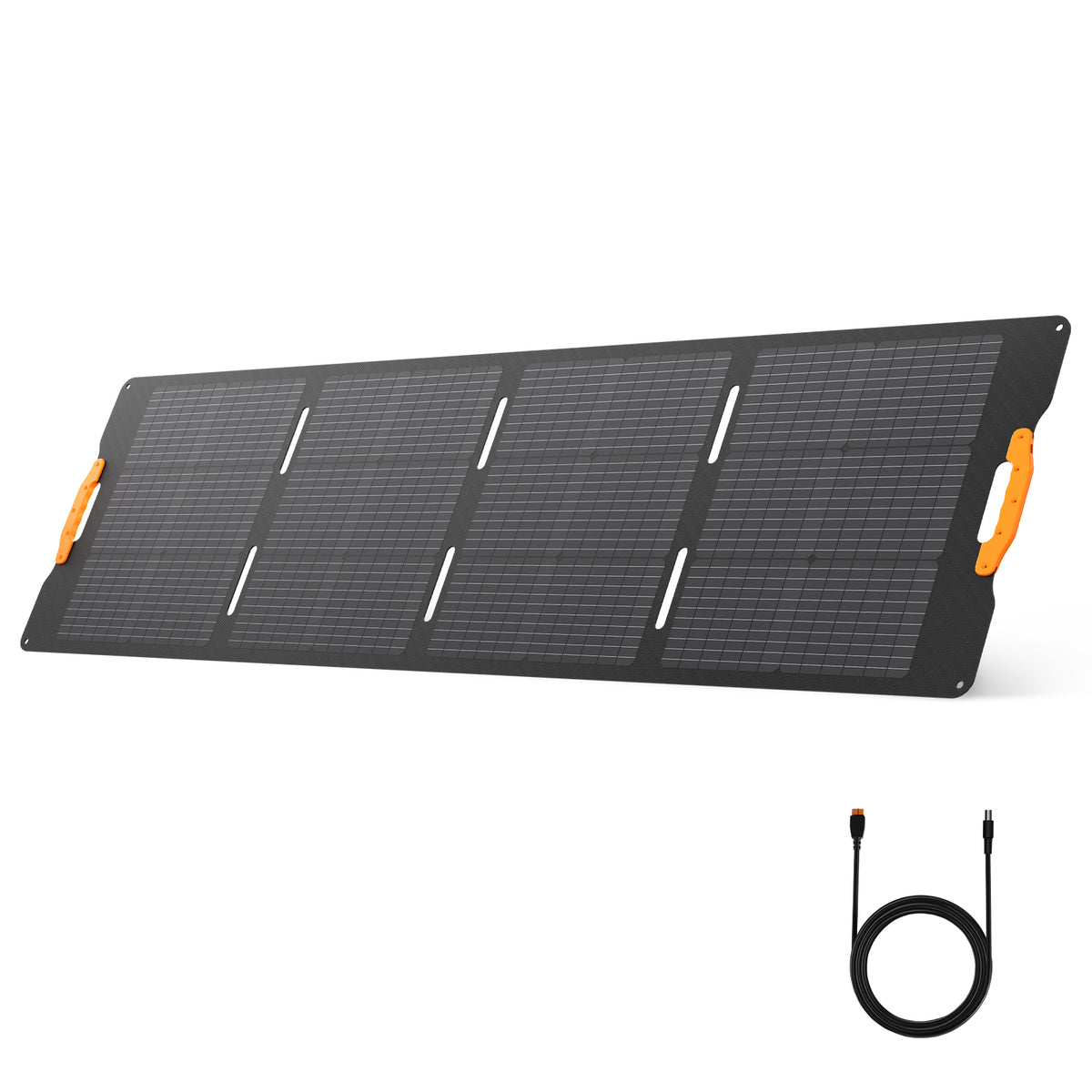
UDPOWER 210W Foldable Solar Panel
If your trout trip includes long camp days, trailheads, or off-grid cabin time, the 210W panel is the easiest way to keep a bigger unit topped up without depending on wall power. For anglers, the appeal is not abstract “energy independence.” It is simple: more charging margin, fewer dead devices, less packing stress.
- 210W rated power
- ≥22% efficiency
- IP65 water-resistant
- Adjustable stand from 60°–90°
- 15.32 lb
- Compatible with UDPOWER C600, S1200, and S2400
| UDPOWER option | Best trip style | Why it fits a trout getaway | Official source |
|---|---|---|---|
| C600 | Hotel, cabin, rental-car, light camp setup | Travel-friendly size and enough output for charging-heavy days | C600 page |
| S1200 | Best all-around fishing road trip | Good balance of carry weight, capacity, and outlet flexibility | S1200 page |
| S2400 | Truck-camp or group basecamp | Much more headroom for longer stays and more gear | S2400 page |
| 210W foldable panel | Multi-day off-grid charging | Pairs naturally with longer stays and daylight recharge planning | 210W panel page |
Common spring-trip mistakes
- Booking one famous river and nothing else. Spring rewards flexible anglers, not stubborn ones.
- Treating late May like June. Some rivers are still great then, but others are one warm week away from trouble.
- Ignoring regulations until the night before. Montana exceptions matter, and Yellowstone is its own rule set.
- Assuming your phone battery is enough. Cold weather, photos, maps, and inconsistent charging access eat battery fast.
- Overpacking summer clothes and underpacking spring layers. That mistake feels dumb around 8 a.m. in sideways wind.
- Not checking flows and closures in real time. A trip can still be saved if you pivot early.
FAQ
When is the best time for a Montana spring trout getaway?
For most travelers, late April through mid May is the most balanced answer. You still have real spring fishing opportunities, but you have not fully surrendered to runoff everywhere. That said, the “best” week always depends on weather and what kind of water you plan to fish.
Which Montana base town is easiest for a first spring trout trip?
Livingston or Paradise Valley is hard to beat for a first trip because it gives you classic Montana scenery, Yellowstone access, and a more practical backup plan than a single-river itinerary. Craig is the safer choice if your main goal is dependable spring fishing with less runoff drama.
Do I need more than a Montana fishing license?
Yes, in practical terms you need to think beyond just “license.” Montana anglers also need to pay attention to the Angler AIS Prevention Pass, current regulations, and any water-specific restrictions. If you fish inside Yellowstone National Park, you need a separate park permit and must follow park-specific rules.
What is the biggest mistake first-time spring travelers make?
The biggest mistake is building the trip around one river and no backup plan. Spring in Montana is too condition-driven for that. A good trip has a freestone option, a more stable option, and a willingness to change course fast.
Is a portable power station actually useful on a trout trip?
Yes, if you are road-tripping, staying in cabins, camping, or carrying camera and charging gear. The benefit is not flashy. It is practical: reliable device charging, quiet camp use, and less stress when outlets are limited or poorly placed.
What should I check the night before I fish?
Check weather, USGS flows, current Montana restrictions, and your intended access points. In spring, those checks matter more than obsessing over one exact fly pattern.
Bottom line
The best Montana spring trout getaway is not the one with the most famous name. It is the one planned around spring reality: the right window, the right base, the right backup water, and enough flexibility to adjust when runoff or weather changes the board.
If you go in with that mindset, spring can easily become your favorite time to fish Montana. You get hungry trout, shoulder-season atmosphere, real variety, and a trip that still feels like an escape instead of a crowded checklist. Build the trip smart, travel light but prepared, and let the water tell you which version of Montana you are getting that day.
Related Articles