Where Should You NOT Put a Portable Generator?
ZacharyWilliamMost generator accidents don’t happen because people “didn’t know better.” They happen because, in a blackout or a storm, the “just for tonight” setup feels convenient—until carbon monoxide (CO), heat, or electricity turns that shortcut into a real emergency.
This guide is a plain-English, U.S.-focused checklist of the places you should never run a portable generator—plus what to do instead.

The quick answer (the rule that saves lives)
Never run a fuel-powered portable generator inside your home, garage, basement, shed, or any partly enclosed area. Federal safety guidance repeatedly points to the same baseline: keep the generator outside and at least 20 feet away from doors, windows, and vents, with exhaust aimed away. (CDC, CPSC, FEMA)
If you remember only one thing from this article, make it this: “Inside” includes garages with the door open, carports, covered porches, and doorways.

First: what “portable generator” means online
In U.S. search results, “portable generator” can mean two very different products:
Fuel-powered generator Gas/propane/natural gas engine + alternator.
- Produces exhaust (including carbon monoxide)
- Must be operated outdoors with proper clearance
- Higher fire and shock risk during refueling and wet weather
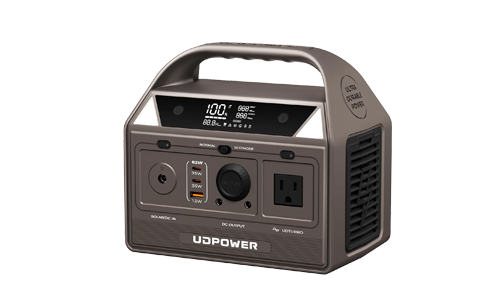
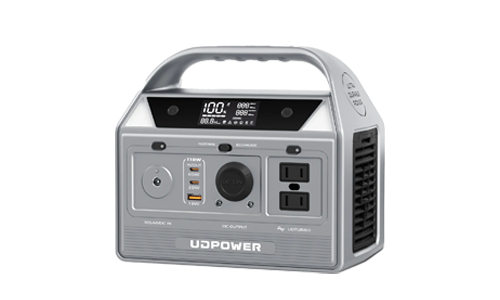
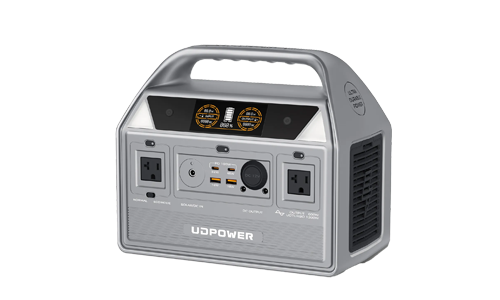
“Solar generator” / portable power station Battery + inverter (no fuel combustion).
- No CO exhaust (can be used indoors)
- Still needs common-sense placement (cool, dry, stable surface)
- Often used for apartments, RVs, and essential electronics
If your unit has an engine and uses fuel, treat it as a CO-producing generator and follow the outdoor/20-foot rule. If it’s a battery power station, skip the CO danger—but keep reading for the “don’t put it here” basics (heat, water, airflow, cords).
10 places you should never put a generator
Here’s the list people argue about during outages. Don’t. These are the most common “seems fine” locations that show up in real incidents and safety advisories.

| Never place it here | What can go wrong | What to do instead |
|---|---|---|
| Inside the house (any room, hallway, basement) | CO builds fast and can be deadly without warning. Even “just cracking a window” is not protection. (CDC CO basics) | Operate outdoors only, 20+ feet from openings; use battery CO alarms inside the home. (CPSC) |
| Garage (even with the door open) | CO can drift into living spaces; “open door” does not prevent buildup. (CPSC CO center) | Move it fully outdoors, on a stable surface, exhaust pointed away, 20+ feet from doors/windows/vents. (CDC) |
| Covered porch, breezeway, carport | “Partially enclosed” can still trap exhaust and funnel CO through doors/windows. CPSC has repeatedly warned against porch/carport use. (CPSC winter safety release) | Open air only—think yard/driveway area that’s 20+ feet from the house and not under a roofline that traps fumes. (FEMA) |
| Near windows, doors, dryer vents, attic vents | CO gets pulled into the home through openings and ventilation systems. The “20 feet away” guidance is specifically about these pathways. (CDC) | Measure the distance and check wind direction; aim exhaust away from openings and from neighboring homes too. (FEMA printable) |
| Right next to the house (siding, deck rail, foundation) | Even if it’s outside, close placement increases CO intrusion risk and heat exposure to surfaces. (CPSC) | Back it up to 20+ feet. Give clear space around it for airflow (some safety guides suggest several feet of clearance). (Entergy safety steps) |
| Inside a shed, tent, or “generator closet” | CO + heat buildup. A shed is basically a garage with worse ventilation. | Only open outdoor air. If noise/security is the issue, use longer outdoor-rated cords and lock the unit outside (while maintaining safe distance and ventilation). |
| On wet ground / in puddles / where it can flood | Shock risk and equipment damage. Water + electricity is a bad mix during storms. (FEMA guideline recap) | Elevate on a dry, stable surface; keep cords and outlets off the ground; use GFCI-protected outlets where applicable and follow the manual. |
| Near flammables (gas cans, propane cylinders, leaves, dry grass) | Hot mufflers/engines can ignite nearby materials; refueling mistakes are common fire triggers. | Clear a “no clutter” zone around the generator; store fuel separately; shut off and cool down before refueling. (FEMA printable) |
| Where exhaust points toward people (patio seating, neighbor’s window, campsite table) | CO exposure can affect you, your family, and neighbors—especially in still air or tight lots. | Point exhaust away from living areas; reposition if wind shifts; consider a battery-first setup for quiet, close-proximity use. |
| Inside an RV compartment or under an awning | Many RV spaces are effectively enclosed; CO can enter through vents and doors. | Place the generator in open air with distance from openings—or use a portable power station/solar generator for RV essentials. |
Reality check: “But I’ve done it before and I was fine” isn’t a safety system. CO incidents are often quiet and fast, and symptoms (headache, nausea, fatigue) look like “stress” or “the flu.”
Distance, airflow, and “why the porch doesn’t count”
The 20-foot rule shows up again and again in federal guidance because it tackles the most dangerous failure mode: exhaust getting back inside the home. The CDC’s generator safety guidance explicitly says to keep a generator outside at least 20 feet away from doors, windows, or vents. (CDC)
A covered porch or carport feels “outside,” but it behaves like a funnel: air gets trapped under the roofline, and the easiest path for fumes is often the nearest door or window. The CPSC has warned people not to run generators on porches or in carports. (CPSC)

A quick “safe-ish placement” checklist (fuel generators)
- Outside only, never in any enclosed or partially enclosed space. (FEMA)
- 20+ feet from doors, windows, and vents. (CDC)
- Exhaust aimed away from the home (and neighbors). (CPSC)
- Clearance around the unit for airflow (follow your manual; some utility safety guides suggest several feet). (Entergy)
- CO alarms inside the house on every level and near sleeping areas. (CPSC)
Rain, snow, and “keeping it dry” without trapping exhaust
Bad weather is when people get creative—and that’s where the risky setups show up: tarps draped over the machine, “tucked” under a deck, or shoved into a garage “so it won’t get wet.”
Here’s the balance you’re aiming for: keep it dry, but never enclosed. FEMA safety reminders include keeping generators away from the home and operating them outdoors. (FEMA)

Practical approach: choose a dry, open-air spot (not a porch/carport), elevate the generator if pooling water is likely, and use weather protection designed to allow airflow (follow the manufacturer’s instructions).
Cord routing mistakes that create fire/shock risk
Placement isn’t just “where the generator sits.” It’s also where your cords run. A generator can be outside and still create problems if cords are pinched, overheated, or run through water.

| Common shortcut | Why it’s risky | Better move |
|---|---|---|
| Running cords under rugs or mats | Heat buildup and wear can lead to insulation failure and fire risk | Route cords along walls/edges; keep them visible and uncoiled when carrying load |
| Pinching cords in doors/windows | Damaged insulation can cause shock or shorting | Use a proper pass-through method rated for cords, or route through a safe gap without crushing |
| Using thin indoor extension cords outdoors | Overheating and voltage drop; outdoor moisture exposure | Use outdoor-rated cords sized for the load; plug in devices one-by-one (utility safety guides emphasize proper cord use). (Entergy) |
| “Backfeeding” through a wall outlet | Can energize wiring dangerously, risking injury to you and lineworkers | Use a properly installed transfer switch by a qualified electrician (this is a widely repeated generator safety rule). (UDPOWER generator checklist) |
Apartments, condos, HOA rules, and tight spaces
If you live in an apartment or condo, the honest answer is: it’s extremely hard to meet the “outside + 20 feet away” rule. Balconies and breezeways are often partially enclosed, and many buildings/HOAs prohibit fuel generators outright.
If this is your situation, don’t “make it work” with a hallway, stairwell, or covered balcony. That’s exactly how CO ends up inside. (For a deeper breakdown, see: Can you use a generator in an apartment?)

If you can’t place a fuel generator safely: a cleaner backup option
For a lot of households, the “where do I put it?” problem is the reason they end up looking at a portable power station (battery + inverter), or a solar generator kit (power station + solar panels). The big difference is simple: no fuel combustion, so there’s no CO exhaust.
Battery power stations still shouldn’t be placed in places that trap heat or invite water damage. But they can be used indoors for essentials like routers, medical devices, and charging—especially when outdoor placement isn’t feasible.
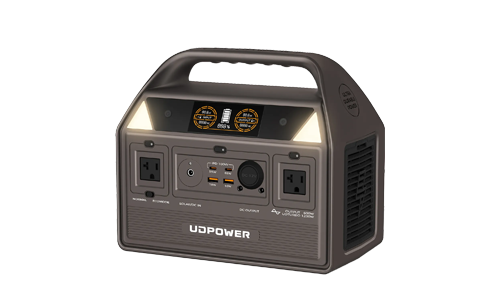
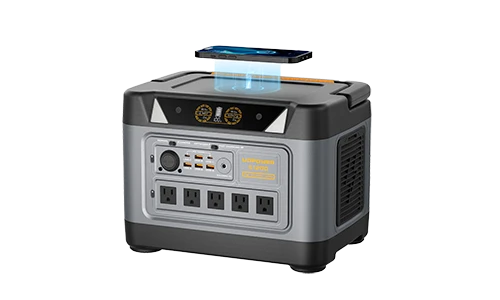
Two real-world UDPOWER examples (specs from official pages)
| Model | Picture | Battery capacity | AC output | UPS/backup mode | Solar input | Weight | Good fit for |
|---|---|---|---|---|---|---|---|
| UDPOWER S1200 |  |
1191Wh | 120V~60Hz, 1200W (1800W max), pure sine wave; 5 AC outlets | UPS mode, response time ≤10ms | 12V–75V, 12A, up to 400W max | ~26.0 lb | Home essentials, internet gear, CPAP, small appliances; quiet indoor backup (no exhaust) |
| UDPOWER S2400 |  |
2083Wh | 120V~60Hz, 2400W continuous, pure sine wave; UDTURBO surge up to 3000W; 6 AC outlets | UPSPRIME switchover time ≤10ms | 12V–50V, 10A max; up to 400W solar charging | ~40.8 lb | Longer runtime and heavier loads (more outlets, more headroom) |
If you’re shopping: start by listing what must stay on (router, fridge, medical gear), then match watts (power) and watt-hours (runtime). UDPOWER also has a plain-language explainer of what a “solar generator” is here: Solar Generators.
Placement rules: fuel generator vs. battery power station
| Rule | Fuel-powered generator | Battery power station |
|---|---|---|
| Indoor use | No (CO hazard). (CDC) | Yes (no combustion), but keep it cool/dry and don’t block vents |
| Minimum distance from home | 20+ feet from doors/windows/vents. (CPSC) | Not required for CO, but avoid heat sources and wet areas |
| Covered porch/carport | Not recommended; can trap exhaust. (CPSC) | Generally fine if dry and ventilated (still avoid direct rain) |
| Noise / fumes | Yes | Minimal noise; no fumes |
FAQ
Is it safe to run a generator in the garage if the door is open?
No. The CPSC explicitly warns against using portable generators inside homes or garages, even with doors and windows open. (CPSC)
How far should a portable generator be from the house?
Federal guidance commonly states at least 20 feet away from doors, windows, and vents. (CDC, FEMA)
Can I run a generator on my covered porch if it’s “outdoors”?
It’s still risky because the roofline can trap exhaust and push fumes toward doors/windows. The CPSC has warned against porch/carport operation. (CPSC)
Do I really need carbon monoxide alarms if the generator is outside?
Yes. CO can still drift inside—especially if the generator is too close or the wind changes. The CPSC recommends CO alarms (battery or battery backup) on every level and near sleeping areas. (CPSC)
What about an inverter generator—is it safer to place closer?
Inverter generators still burn fuel and produce CO. The placement rules don’t change. (UDPOWER also includes a safety reminder on inverter generators here: How does an inverter generator work?)
Can I keep a battery “solar generator” indoors?
Yes—battery power stations don’t produce CO exhaust. Still, keep them dry, avoid heat sources, and don’t block cooling vents. If you’re comparing setups, UDPOWER’s overview of portable power stations and solar generators is a good starting point.
I’m in an apartment. Where can I put a fuel generator?
In most apartments, it’s tough to meet the outdoor distance requirement safely. Don’t use hallways, stairwells, garages, or covered balconies. Here’s a detailed breakdown tailored to apartment setups: Can you use a generator in an apartment?
Is it okay to run cords through a cracked window?
It’s not ideal. Pinching can damage insulation, and an open window can also become a pathway for exhaust if your generator placement isn’t perfect. Use outdoor-rated cords sized for the load and avoid pinch points. (Entergy)
Sources & further reading
- CDC: Use a Generator Safely (20 feet guidance)
- CDC: Carbon Monoxide Poisoning Basics
- CPSC: Carbon Monoxide Information Center (generator warnings)
- FEMA: Generator Safety – Stay Safe
- FEMA (Printable): Generator safety reminders
- CPSC winter safety tips (porch/carport warning)
- Entergy: 7 steps to safely using portable generators
- UDPOWER: Portable Power Stations
- UDPOWER: Solar Generators
- UDPOWER S1200 official specs
- UDPOWER S2400 official specs
Safety note: Always follow your specific generator’s owner manual and local code/HOA rules. When in doubt, prioritize distance, open-air ventilation, and CO detection.